
Your cart is currently empty!
New U.S. Bill Seeks Permanent Ban on AI Data Centers Across Public Lands
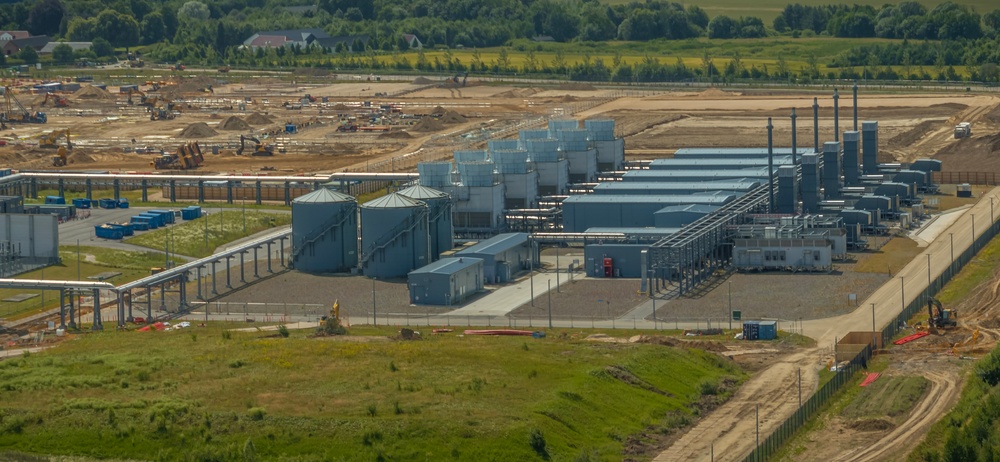
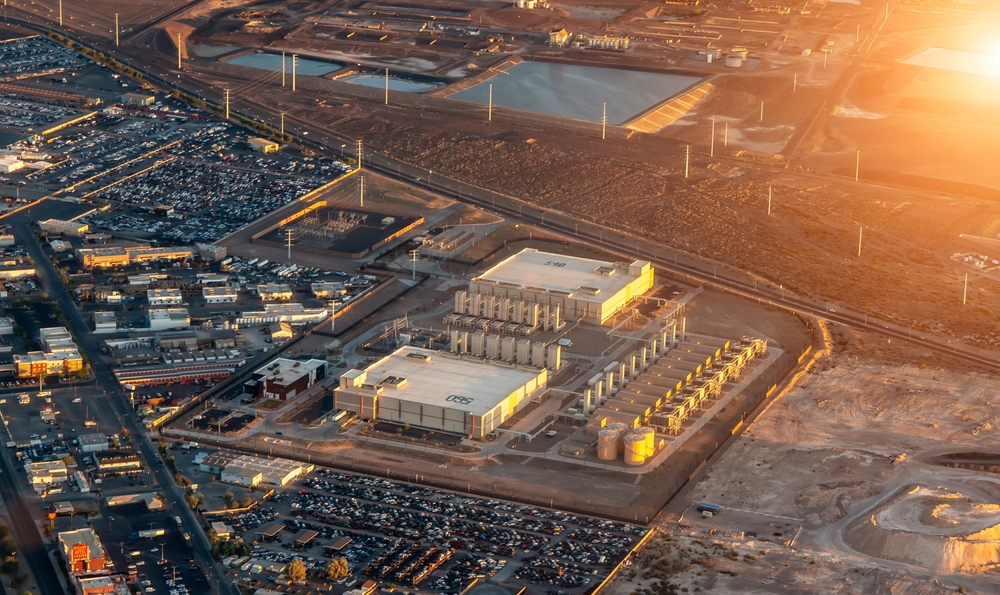
America’s public lands have long been viewed as places that belong to everyone, from vast deserts and forests to protected valleys managed for future generations. Now, those same landscapes are at the center of a growing political fight as the rapid expansion of artificial intelligence drives demand for massive data centers. A newly proposed bill in Congress aims to stop those facilities from being built on federally owned land, setting up a clash between environmental groups, lawmakers, and an administration that has made AI infrastructure a national priority.
Contents
show
A New Bill Would Ban AI Data Centers On Federal Land

The legislation, known as H.R. 9939, was introduced on July 23, 2026, by Michigan Representative Rashida Tlaib. Officially titled the No AI Data Centers on Federal Lands Act, the proposal seeks to permanently prohibit the construction and operation of large-scale artificial intelligence data centers on land owned or managed by the federal government. Military installations would also fall under the ban, although tribal trust lands would remain exempt.
The bill extends well beyond the buildings themselves. It also targets the infrastructure needed to support AI campuses, including transmission lines, electrical substations, natural gas plants, pipelines, backup power systems, water pipelines, and cooling facilities. The goal is to prevent companies from building the surrounding network required to keep high-powered computing centers running.
Under the proposal, a qualifying facility would include any site used to develop or operate AI models at scale, or one consuming more than 20 megawatts of electricity while using technologies such as high-density server racks or liquid cooling. Those specifications distinguish the facilities from conventional data centers and focus specifically on the rapidly growing AI industry.
Existing Facilities Could Be Forced To Shut Down
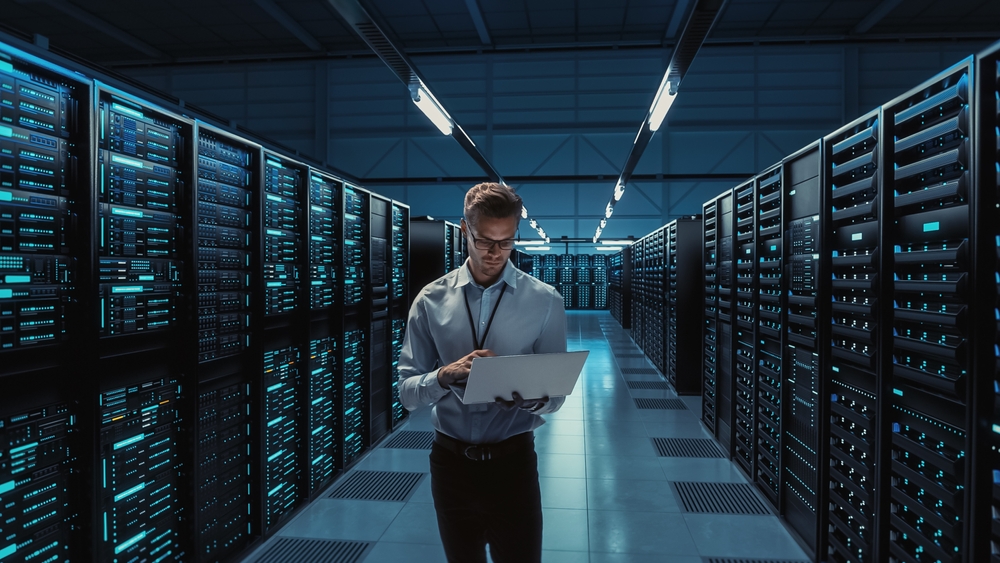
One of the most striking parts of the bill is its timeline. If the legislation became law, federal agencies would have just 30 days to stop operating qualifying AI data centers on federal land, halt projects still under construction, and begin removing the facilities altogether.
The proposal also requires agencies to restore affected sites under the same federal cleanup framework used for Superfund locations. In other words, the land would not simply be abandoned after demolition. It would have to be restored once the infrastructure is removed.
While the bill has not passed and faces significant political hurdles, its language leaves little room for interpretation. Rather than calling for additional environmental studies or temporary restrictions, it proposes a complete ban on large AI data centers across federally managed land.
The Nevada Project That Sparked The Debate
Much of the current controversy can be traced to the Townsite Data Center planned for Eldorado Valley near Boulder City, Nevada. The 167-megawatt facility was approved by the Bureau of Land Management in June 2026 on federal land that had previously received approval for a large solar energy project.
Environmental groups objected after the agency concluded that a new environmental review was unnecessary because the data center was considered sufficiently similar to the previously approved solar project. Critics argue the two developments have very different environmental impacts, particularly when it comes to water consumption.
Patrick Donnelly of the Center for Biological Diversity has become one of the project’s most outspoken opponents. “It’s an outrage that the Trump administration is giving away our public lands to hedge funds for data centers,” Donnelly said as his organization challenged the approval. Conservation groups argue the decision could establish a precedent for similar projects across public lands throughout the western United States.
Why Environmental Groups Are Fighting The Project
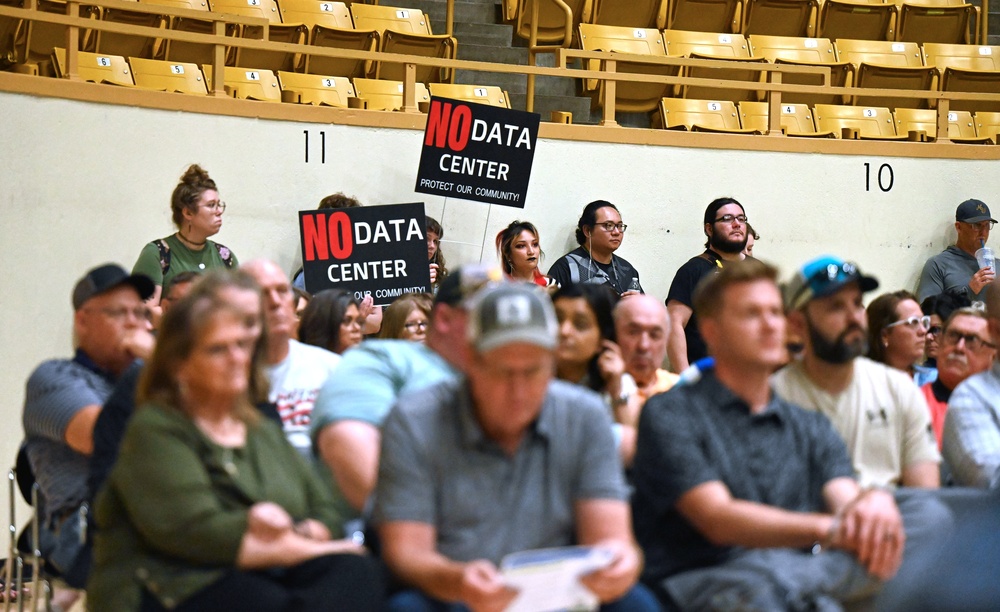
Opposition to the Townsite Data Center extends beyond concerns about its location. Environmental organizations argue the facility’s demand for water could place additional strain on one of the driest regions in the United States. According to project documents, the original solar development would have required about 25 acre-feet of water each year. The proposed AI data center is expected to use roughly 560 acre-feet annually, with supplies coming from within the already stressed Colorado River Basin.
Those concerns quickly turned into legal challenges. In July 2026, the Center for Biological Diversity and the Sierra Club asked the Interior Board of Land Appeals to halt the project while the approval process was reviewed. They argue the Bureau of Land Management should have completed a fresh environmental analysis before allowing construction to move forward.
Local officials also pushed back despite the financial incentives attached to the development. The project is expected to generate around $2.3 million in annual revenue for Boulder City, yet the city’s attorney still filed a separate appeal. For many residents and conservation groups, the long-term impact on public land outweighed the economic benefits promised by the project.
The Federal Government Is Expanding AI Infrastructure
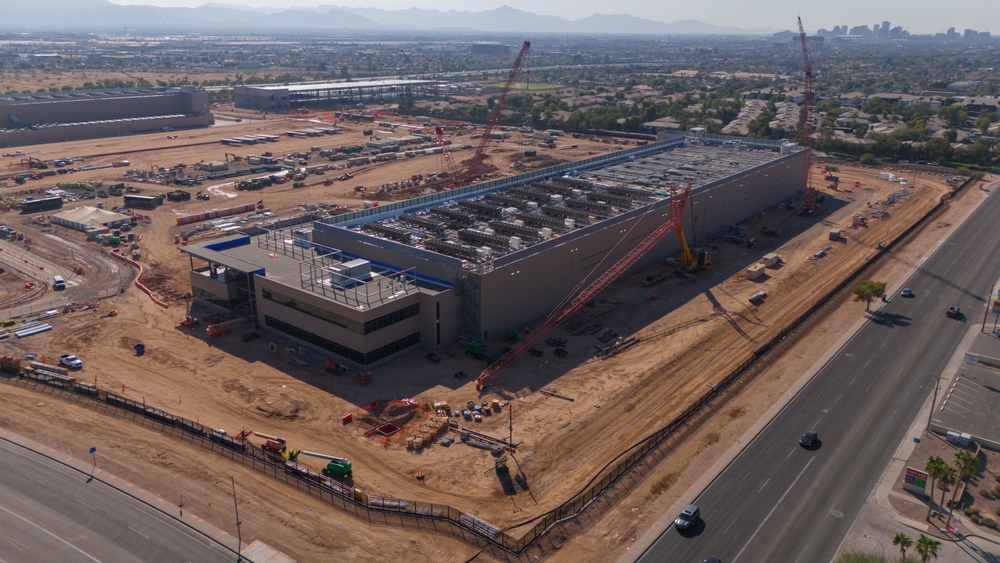
While critics are trying to stop projects like Townsite, the federal government is moving in the opposite direction. In April 2025, the Department of Energy announced plans to identify 16 federal sites suitable for fast-tracked AI data center development, with a goal of having projects operating by the end of 2027.
Energy Secretary Chris Wright described the effort as critical to the country’s future, saying, “The global race for AI dominance is the next Manhattan project, and with President Trump’s leadership and the innovation of our National Labs, the United States can and will win.”
The expansion plans have continued to grow. A project announced at the Paducah site in Kentucky in July 2026 carries an investment exceeding $100 billion and is expected to create around 8,000 construction jobs. Meanwhile, another proposed development in Ohio has been promoted as the world’s largest AI data center, highlighting how aggressively governments and private companies are investing in AI infrastructure.
Growing Power Demands Are Adding To The Debate
The rapid growth of artificial intelligence has also raised questions about energy consumption. According to a report from Lawrence Berkeley National Laboratory, data centers accounted for approximately 4.4% of total U.S. electricity use in 2023. Researchers estimate that figure could climb to between 6.7% and 12% by 2028 as AI systems become more widespread.
Supporters of the proposed legislation argue those rising energy demands could eventually affect consumers. Representative Tlaib’s office has claimed AI data centers “can increase energy costs by as much as 267%,” although that figure refers to increases in wholesale electricity prices identified in a Bloomberg analysis rather than residential utility bills.
Even so, many experts agree that large AI facilities will continue placing additional pressure on the nation’s power grid. As companies race to build larger computing campuses, debates over electricity use, water supplies, and public resources are becoming increasingly difficult to ignore.
Will The Bill Actually Become Law?
Despite the attention it has received, H.R. 9939 faces an uncertain future. The legislation currently has only a handful of cosponsors and has not advanced through Congress. With both the administration and many lawmakers viewing AI as a strategic priority, the proposal is considered a difficult path to becoming law.
Supporters believe the measure is necessary to protect public lands from large-scale industrial development, while opponents argue banning AI facilities on federal property could weaken America’s ability to compete with other countries investing heavily in artificial intelligence.
Regardless of whether the bill succeeds, it has already drawn national attention to a larger question: how much public land should be used to support the growing demands of the AI industry, and who gets to make that decision.