
Your cart is currently empty!
Doctors Warn More Newborns Are Missing A Shot That Could Prevent Deadly Bleeding

A growing number of parents are refusing a routine injection given to newborns, and doctors are warning that the consequences could be devastating. New research has linked declining vitamin K injections with a sharp increase in potentially life-threatening bleeding among infants in the United States.
Contents
show
The findings have raised fresh concerns among pediatricians, particularly because some complications can cause permanent brain damage or death before parents even realize something is wrong. Researchers say the numbers reveal a troubling change in newborn healthcare that deserves much closer attention.
New Research Reveals A Troubling Rise In Vitamin K Refusals
Vitamin K injections have been recommended for newborns in the United States since 1961. The single injection, usually administered shortly after birth, helps protect babies against a rare but potentially fatal condition known as vitamin K deficiency bleeding (VKDB).
However, researchers are now seeing a concerning change in how many parents accept the intervention. A study published in JAMA analyzed more than 5.2 million infant health records between 2017 and 2025, finding that the percentage of newborns who did not receive vitamin K more than doubled during that period.
In 2017, approximately 3.1% of babies missed the injection. By 2025, that figure had climbed to 6.8%, representing a substantial increase over eight years. The change was particularly noticeable between 2024 and 2025, when the proportion rose from 5.6% to 6.8%.
Dr. Kristan Scott, lead author of the study and an assistant professor of pediatrics at Children’s Healthcare of Atlanta, told ABC News, “This is certainly evidence that more babies are not receiving vitamin K, and more babies are at risk of bleeding.”
The findings also reflect what some pediatricians say they are experiencing firsthand. Dr. Thomas Patterson, an Idaho pediatrician with nearly 30 years of experience, explained that refusals were once uncommon in his practice, but have become increasingly frequent.
Patterson described a recent day when five out of 10 newborns left the hospital without receiving vitamin K. He said the change had become particularly noticeable since around 2022, reflecting a pattern that other doctors have also reported.
A Second Study Found Infant Bleeding Cases Rising Nearly 350%
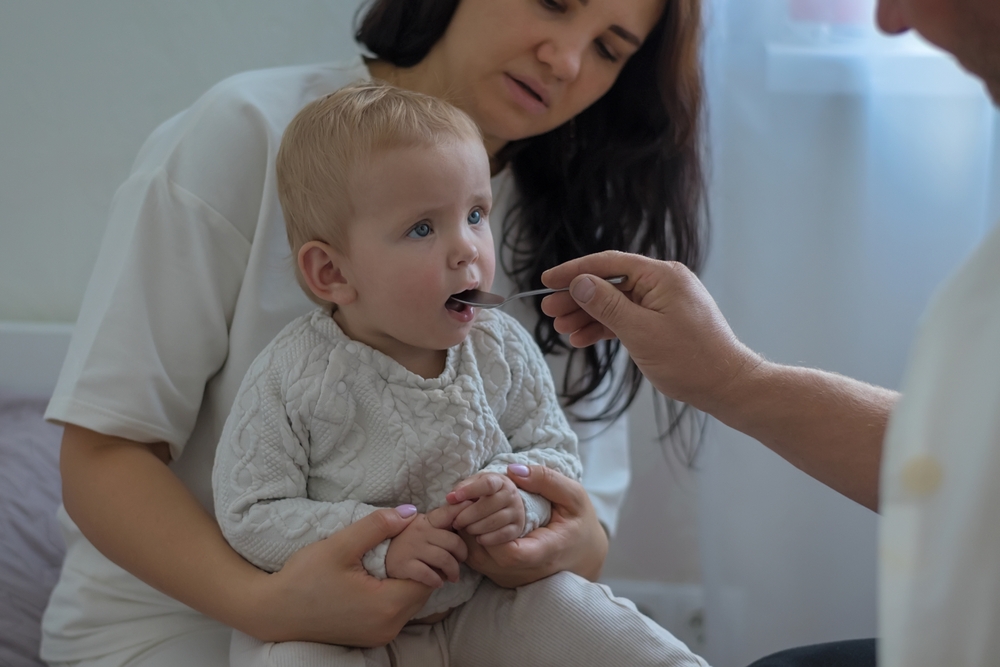
The concerns extend beyond the number of parents declining the injection. A separate study published in JAMA Pediatrics examined medical records from more than 11 million infants between 2017 and 2025, finding that vitamin K deficiency bleeding cases increased by approximately 347%.
The rate reached 107.4 cases per 100,000 infants, with researchers also observing that cases roughly doubled between 2024 and 2025. This suggests that the increase may be accelerating, although the researchers caution that the findings must be interpreted within the limitations of the available medical records.
Dr. Steven Woolf, a professor of family medicine and population health at Virginia Commonwealth University and a co-author of the study, discussed the difficulty of communicating the danger to parents. “How do we help people understand what danger awaits?” he said.
The two studies examined different outcomes, which is important when interpreting their findings. The JAMA research looked at bleeding events among infants during their first six months, while the JAMA Pediatrics study examined cases specifically attributed to vitamin K deficiency.
The distinction means the studies should not be treated as identical measurements. Nevertheless, both identified a concerning pattern involving declining vitamin K coverage and increasing bleeding complications among newborns.
Researchers also acknowledged limitations in the available data. The databases excluded many home births, where vitamin K refusal rates tend to be higher, and doctors may be more likely to investigate vitamin K deficiency when they already know an infant missed the injection.
Even with those limitations, the findings provide important evidence about a problem that pediatricians have been warning families about for years. The large number of medical records and similar trends across both studies make the results particularly concerning to researchers.
Why Newborn Babies Need Vitamin K Immediately After Birth

Vitamin K plays an essential role in the body’s ability to form blood clots. Without adequate amounts, bleeding can become difficult to control, potentially turning an otherwise manageable injury into a serious medical emergency.
Newborns naturally have very low levels of this vitamin, and they receive relatively little through breast milk or formula during their first months. Their developing bodies therefore have limited protection against vitamin K deficiency bleeding during a particularly vulnerable stage.
According to the Centers for Disease Control and Prevention (CDC), vitamin K deficiency bleeding can occur in babies who have not received the recommended injection. The condition can develop even when an infant appears completely healthy and has no obvious symptoms.
Doctors generally classify VKDB into three categories:
- Early VKDB: This occurs during the first 24 hours after birth and is often associated with certain medications taken during pregnancy.
- Classic VKDB: This typically develops between the second day and first week of life, with bleeding that can affect different parts of the body.
- Late VKDB: This can occur between two weeks and six months after birth and is particularly concerning because it frequently involves internal bleeding, including bleeding in the brain.
The late form can be especially dangerous because parents may have no obvious warning that their newborn is developing a serious complication. A baby can appear healthy for weeks before symptoms emerge, making preventive protection particularly important.
Dr. David Hill, a pediatrician and spokesperson for the American Academy of Pediatrics, explained the importance of the vitamin when speaking to ABC News. “Vitamin K is absolutely critical for our livers to make the clotting factors that help our blood clot,” Hill said.
He also warned that serious bleeding can be difficult to identify before severe complications develop. By the time doctors recognize what is happening, some infants may already have suffered significant damage.
Brain Bleeding Can Leave Babies With Lifelong Disabilities
One of the most frightening findings involves the increased risk of bleeding inside the brain. The JAMA study found that babies who did not receive vitamin K had a 47% higher risk of experiencing any bleeding event during their first six months compared with babies who received the injection.
Their risk of brain bleeding was more than twice as high. Researchers reported 33 brain bleeds per 10,000 births among babies who missed the injection, compared with 13.2 per 10,000 among those who received it.
Brain hemorrhages can have devastating consequences during infancy because the brain is still developing. Severe bleeding can damage delicate tissue and leave children facing medical challenges that continue long after the original emergency has passed.
According to the CDC, approximately half of infants experiencing late VKDB have bleeding in the brain. Some survive but experience lasting neurological complications that can affect their development, movement and everyday activities.
Possible consequences include:
- Permanent brain damage: Severe bleeding can injure developing brain tissue and affect a child’s long-term development.
- Movement difficulties: Some children develop motor problems, including cerebral palsy, which can affect coordination and physical independence.
- Seizures: Brain injuries can lead to ongoing neurological complications that may require continued medical care.
- Cognitive difficulties: Some survivors experience lasting developmental and learning challenges that become more apparent as they grow older.
- Additional medical procedures: Certain infants require surgery or a shunt to manage pressure around the brain.
The danger can extend beyond disability. The CDC reports that approximately one in five babies who develop VKDB die, making prevention a major concern for newborn healthcare providers.
Dr. Scott Hadland, a pediatrician at Mass General Brigham for Children, said he has treated older patients living with complications from severe brain bleeding during infancy. Some patients experience movement problems, behavioral challenges or require additional procedures to manage the consequences of their injuries.
Hadland explained that some families may not realize how a decision made immediately after delivery can affect their child’s health for decades. The consequences can extend far beyond the newborn period, creating challenges that follow children into adolescence and adulthood.
Why Are More Parents Refusing The Vitamin K Injection?

Doctors have identified several reasons behind the growing number of refusals. Some parents worry about the ingredients in the injection, while others question whether newborns actually need an additional medical intervention.
Misinformation circulating online has also contributed to confusion. Concerns about preservatives, medication warnings and the relationship between vitamin K and vaccines have all appeared in discussions surrounding newborn care.
One frequently mentioned concern involves a black box warning associated with vitamin K products. This is the FDA’s strongest type of prescription warning, but doctors explain that the warning relates to risks associated with high intravenous doses in adults.
The much smaller intramuscular dose administered to newborns is a different situation. Pediatricians say parents should understand the distinction before making decisions based on warnings that may not apply to the recommended newborn injection.
Another concern involves benzyl alcohol, a preservative that appears in some formulations. According to the researchers and physicians quoted in the reports, there is no evidence that the small quantity used in the vitamin K injection causes the feared harm, and preservative-free formulations are also available.
Some parents have also encountered an older study suggesting a possible connection between vitamin K injections and childhood leukemia. Multiple larger studies have since failed to support that association, according to the research reported in the reference material.
Doctors say these concerns can become particularly influential when parents encounter alarming claims online without receiving the medical context needed to evaluate them. For families already uncertain about routine newborn interventions, conflicting information can make an established recommendation appear more controversial than the evidence suggests.
Doctors Say Parents Are Confusing Vitamin K With Vaccines

Another major concern involves confusion between vitamin K injections and childhood vaccinations. The vitamin K shot is a nutritional supplement, and it does not function as a vaccine or work by stimulating the immune system to recognize an infectious disease.
Instead, it supplies newborns with vitamin K during a period when their natural levels are particularly low. This helps their bodies produce the clotting factors needed to prevent uncontrolled bleeding.
Dr. Hill emphasized this distinction when speaking to ABC News. “I have families who think maybe this is a vaccine, but it’s very important to emphasize this is a naturally occurring vitamin that we all have and that we all need,” he said.
Doctors have also suggested that broader distrust of healthcare recommendations may be influencing parental decisions. The JAMA Pediatrics research found that parents refusing vitamin K were also more likely to decline other recommended newborn interventions.
A separate systematic review of 25 studies, presented by researchers at the American Academy of Neurology’s 2026 annual meeting, reported similar patterns. The review found that parents refusing vitamin K were substantially more likely to refuse other newborn protections, including the hepatitis B vaccine and preventive eye medication.
In the United States, the review reported that parents refusing vitamin K were 90 times more likely to refuse both the hepatitis B vaccine and newborn eye medication. Researchers also identified associations between vitamin K refusal and childhood vaccination refusal in Canada and New Zealand.
These findings suggest that vitamin K refusal can occur alongside wider concerns about routine medical care. However, the association does not establish that every parent refusing the injection will also reject other recommended treatments.
The Latest Numbers Are Raising Further Concerns Among Pediatricians

The new research adds to years of concern among pediatricians who have noticed more families declining newborn vitamin K injections. A preliminary systematic review examining two decades of international research found that refusal rates varied considerably between locations.
In Minnesota, for example, refusal increased from 0.9% in 2015 to 1.6% in 2019. In California, Connecticut and Iowa, reported refusal rates ranged between 0.2% and 1.3% during 2018 and 2019.
The review also found that more than half of hospital staff surveyed perceived an increase in parents refusing vitamin K. Internationally, refusal rates ranged from approximately 1% to 3% in Canada, New Zealand and Scotland, with some birthing centers reporting rates above 30%.
Researchers examined reported outcomes among babies who developed vitamin K deficiency bleeding. Approximately 14% died, while around 40% experienced long-term neurological disabilities, including cognitive impairment, seizures or motor difficulties.
The review’s authors acknowledged that their work relied on previously published research rather than following individual infants over time. Consequently, it could not determine the exact risk for every newborn, although its findings added to concerns about the consequences of declining vitamin K protection.
Meanwhile, a separate analysis of more than one million births by health data company Truveta found that vitamin K refusals increased by more than 57% during the first half of 2026. The increase between January and June added another concerning development to the growing body of evidence.
Dr. Elizabeth Wolf, an author of the JAMA Pediatrics study and an associate professor of pediatrics at Virginia Commonwealth University, said she hoped the findings would help parents understand the seriousness of the decision. “People just don’t realize how important it is,” she said.
What Pediatricians Want Parents To Understand Before Delivery
Medical professionals say parents should discuss their concerns with their pediatrician before declining the injection. Questions about ingredients, preservatives, potential side effects and the black box warning deserve clear answers from healthcare providers.
Parents can also ask about available preservative-free formulations if that is a particular concern. Having these conversations before delivery gives families more time to understand the evidence and make informed decisions about their newborn’s care.
Dr. Heather Burris, a neonatologist at Children’s Hospital of Philadelphia and a co-author of the JAMA study, compared vitamin K protection to wearing a seatbelt. She explained that the chances of serious injury during a car accident decrease when someone wears a seatbelt, and vitamin K similarly reduces the likelihood of severe bleeding complications.
Burris told ABC News, “The chances of having a serious bleed and having a consequence of that bleeding is going to go way down if you get the vitamin K shot, just like if you get in a car crash and you’re wearing your seatbelt, you are less likely to sustain serious injuries.”
The injection has been part of newborn medical care for more than 60 years, and doctors continue to recommend it because of its protective benefits. The latest research gives pediatricians additional evidence to explain why the recommendation remains important, particularly as more families question routine newborn interventions.
A newborn may look perfectly healthy when leaving the hospital, but vitamin K deficiency bleeding can still develop weeks or months later, sometimes without warning. For pediatricians, that makes the conversation before discharge especially important, because the opportunity to prevent a devastating complication comes long before its symptoms appear.