
Your cart is currently empty!
Noah’s Ark Mystery Deepens As Researchers Investigate Hidden Structures
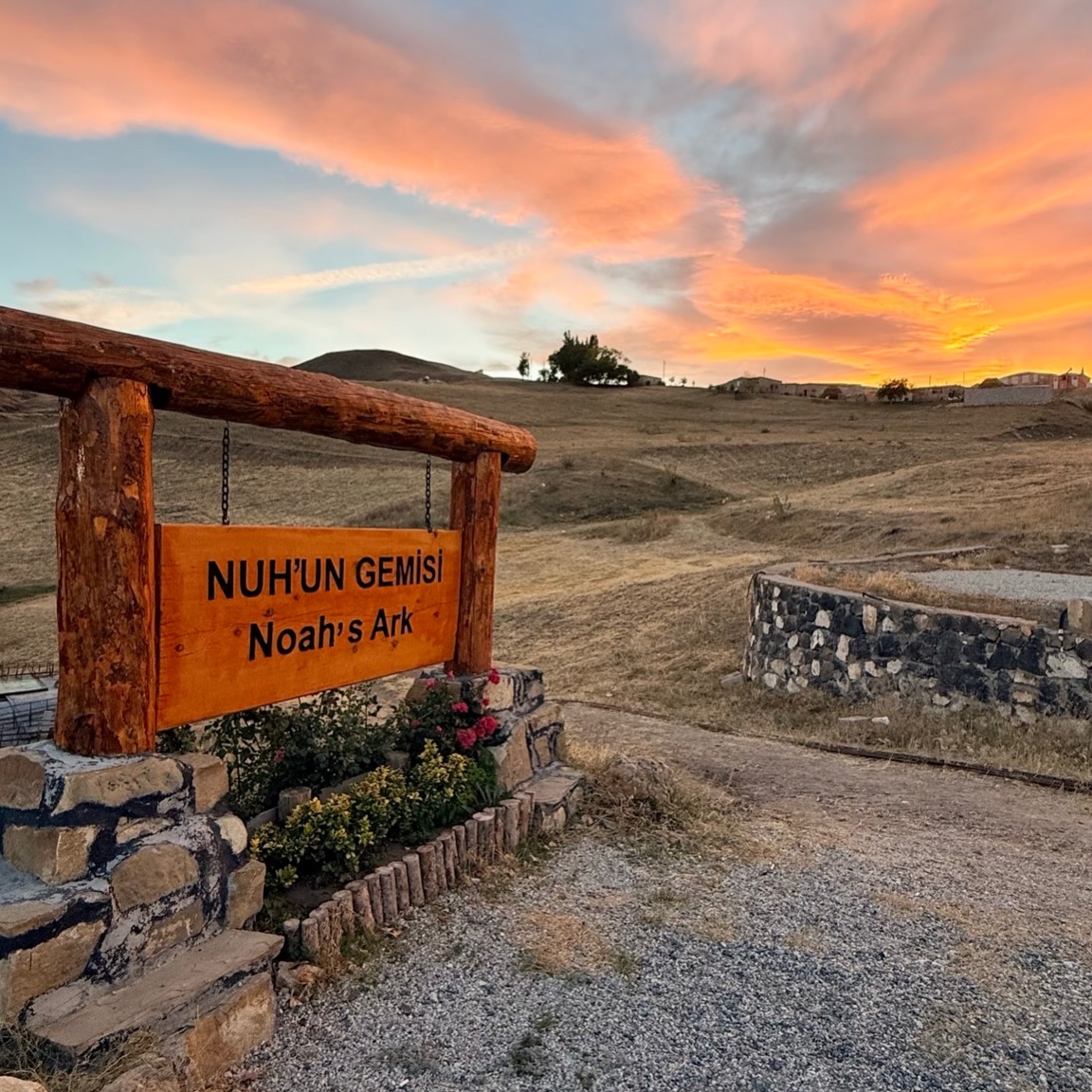
A strange boat-shaped formation in eastern Turkey has become the focus of a fresh investigation after researchers reported finding possible underground tunnels, structural layers and cavity-like spaces beneath the site. The discovery has reignited one of the oldest archaeological mysteries in the world, with a research team claiming that new evidence could point towards a buried structure resembling Noah’s Ark.
Contents
show
The claims have spread quickly because some researchers involved in the project have described the findings in extraordinary terms. Yet the evidence still needs extensive testing, and there is currently no independent scientific confirmation that the biblical Ark has been discovered. What researchers have found is a collection of unusual geological and archaeological clues that they believe deserve a much closer look.
Fresh Scans Have Revealed Strange Features Underground
The investigation is centered on the Durupınar Formation in eastern Turkey, roughly 18 miles south of Mount Ararat. The formation has attracted attention for decades because of its unusually elongated shape, which supporters of the Noah’s Ark theory say resembles the outline of a huge ship. Its location has added to the fascination because Mount Ararat has long been associated with traditions surrounding the Ark.
Researchers from Noah’s Ark Scans say recent geophysical surveys have detected several unusual features below the surface. These reportedly include straight lines, right-angle intersections, structural layers and cavity-like areas that the team has interpreted as possible tunnels or chambers. Some of the anomalies appear at different depths, giving researchers additional targets for their ongoing investigation.
One of the reported findings involves a possible underground tunnel system extending for around 151 feet. Researchers have also described anomalies with estimated heights of roughly 14, 26, 39 and 23 feet. The team believes some of these measurements could be consistent with the internal divisions of a large structure, although the scans themselves cannot establish what created those signals.
That distinction is important because ground-penetrating radar does not provide photographs of underground rooms. Instead, it detects changes in the materials beneath the ground and produces data that researchers interpret as possible boundaries, cavities or structural features. A line or right-angle pattern on a scan can therefore indicate something unusual without proving that humans constructed it.
Drilling Could Provide The Evidence Radar Cannot
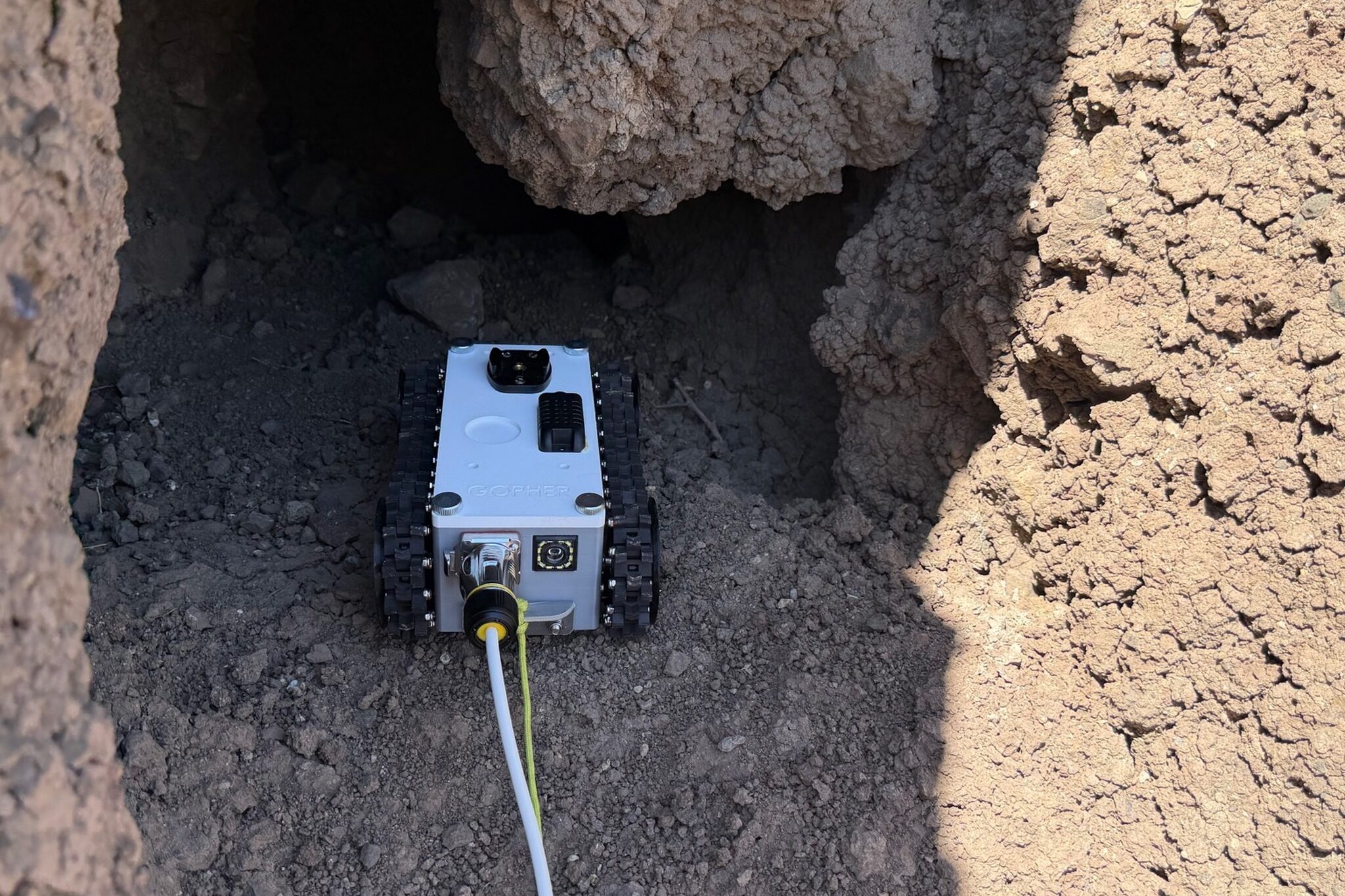
Image Credits – Instagram @Noahsarkscans
The latest phase of the investigation is focused on core drilling, which could provide researchers with something that radar images cannot: physical material that can be examined in a laboratory. The team says it is taking samples from beneath the formation in an attempt to determine what the underground anomalies actually represent.
Noah’s Ark Scans says its investigation combines several technologies, including ground-penetrating radar, electrical resistivity tomography, LiDAR and core drilling. The project has also described plans involving an underground robot called Gopher, which could potentially investigate spaces that cannot be reached easily from the surface.
The researchers are particularly interested in determining whether the formation contains evidence of human construction. If drilling reveals clearly manufactured materials, organized structural remains or other signs of deliberate construction, that would provide a substantially different kind of evidence from the formation’s unusual appearance.
The physical samples could also help establish the age and composition of materials beneath the site. Researchers would still need to determine whether those materials belong to the formation itself, were deposited there naturally or were brought to the location by ancient people. Each possibility could lead to a very different interpretation of the site.
For that reason, the drilling phase may prove more important than another set of aerial images or radar scans. Unusual shapes can generate theories, but physical samples can be subjected to laboratory testing, dating and material analysis.
Organic Material Has Added Another Layer To The Mystery
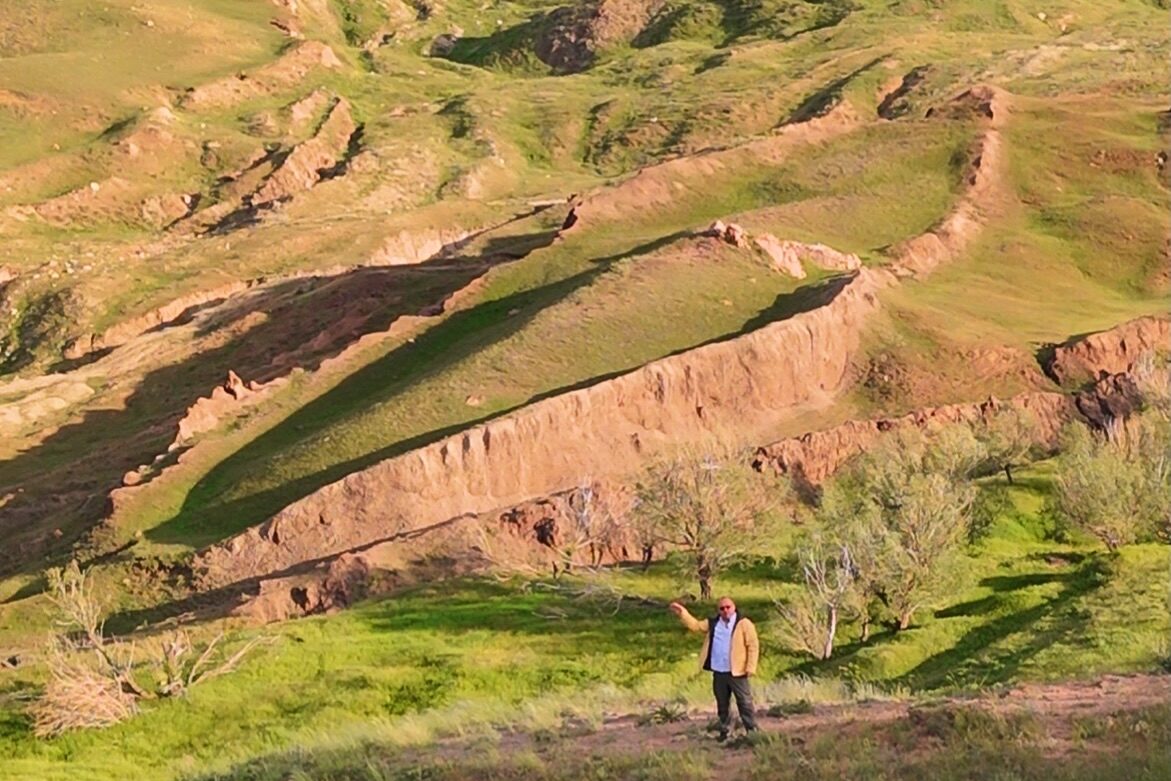
Image Credits – Instagram @Noahsarkscans
One of the most closely watched developments involves a layer reportedly containing significant amounts of organic material. Researchers are now examining the material to determine exactly what it is and whether it could contain traces of decayed wood.
The possibility is significant because the biblical account describes Noah’s Ark as a wooden vessel. However, the reported discovery of organic material does not mean that researchers have found Ark wood. The material must first be identified, tested and dated before its significance can be understood.
If suitable organic material is recovered, radiocarbon dating could potentially provide information about when it formed. Even an ancient sample would not automatically establish that it came from the Ark, because wood and other organic material can survive in many archaeological and geological settings.
Researchers would therefore need to establish several things at once. They would have to determine what the material is, establish its age, understand how it became embedded in the formation and determine whether it is associated with an artificial structure.
Andrew Jones, founder of Noah’s Ark Scans, has made his own interpretation of the evidence clear. “I firmly believe the Durupınar Formation represents the buried remains of Noah’s Ark,” Jones said.
That statement reflects Jones’ belief about the site, but it should not be confused with independent scientific confirmation. The distinction is particularly important because the research is still investigating what the underground anomalies and recovered material actually represent.
The Formation Has Been Controversial Since 1959
The Durupınar Formation is not a newly discovered site. Its unusual shape was identified in 1959 after Turkish Army Captain İlhan Durupınar spotted the formation in aerial photographs, and it has attracted attention ever since.
Its position near Mount Ararat helped turn it into one of the most famous proposed locations for Noah’s Ark. Researchers and Ark enthusiasts have repeatedly examined the formation, while tourists have also visited the surrounding area because of its connection to the biblical story.
Supporters of the Ark theory have pointed to the formation’s dimensions as another reason for interest. The structure is roughly 164 meters long, and some researchers have argued that this is comparable to the measurements given for Noah’s Ark in the Book of Genesis.
The comparison has helped sustain interest in the site, but dimensions alone cannot establish that a structure is an ancient ship. A natural geological formation can have a shape and size that coincidentally resemble something described in an ancient text.
That is why the current investigation is focused increasingly on what lies beneath the surface rather than simply on what the formation looks like from above.
Geologists Have Offered A Different Explanation
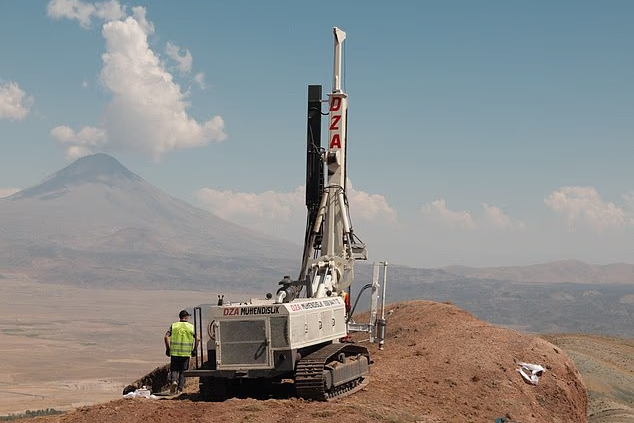
Image Credits – Instagram @Noahsarkscans
The Ark interpretation is not the only explanation for the Durupınar Formation. Geologists have generally treated the feature as a natural geological formation, rather than the remains of a massive ancient vessel.
Natural geological processes can produce surprisingly regular shapes, particularly when different types of rock, sediment and soil are affected by erosion and other environmental forces. The fact that a formation resembles a ship therefore does not establish that a ship is actually buried there.
This creates a major scientific challenge for the current research team. To establish a human-made structure, researchers would need physical evidence that cannot be explained adequately by natural geological processes.
Even if drilling confirms the presence of ancient human activity, another question would remain: what kind of activity took place there? An ancient structure, storage area, settlement feature or later construction would not automatically have anything to do with Noah’s Ark.
The strongest version of the Ark claim would therefore require several independent lines of evidence pointing in the same direction.
Soil Samples Have Produced More Questions
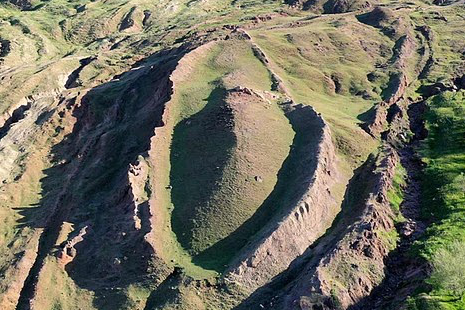
Image Credits – Instagram @Noahsarkscans
The research team has also investigated differences in the soil inside and outside the formation. According to Noah’s Ark Scans, researchers collected 88 soil samples in 2024 and identified differences in the chemical composition of material taken from the formation.
The team reported that samples from inside the formation contained around three times more organic matter than surrounding samples. Researchers also reported approximately 38% more potassium in the material they examined.
Those differences have been presented by the research team as findings that warrant further investigation. They could potentially indicate differences in the material or conditions within the formation, but soil chemistry alone cannot establish the presence of a buried ship.
Organic matter can accumulate for many reasons, while potassium levels can vary because of geological conditions, soil formation, vegetation and previous human activity. Researchers therefore need to determine why the differences exist before drawing conclusions about their origin.
The soil results are best viewed as another piece of evidence requiring interpretation rather than as a direct confirmation of the Ark theory. Their importance will depend on whether they can be connected to other physical evidence recovered from the site.
Ancient Pottery Has Also Been Found Nearby
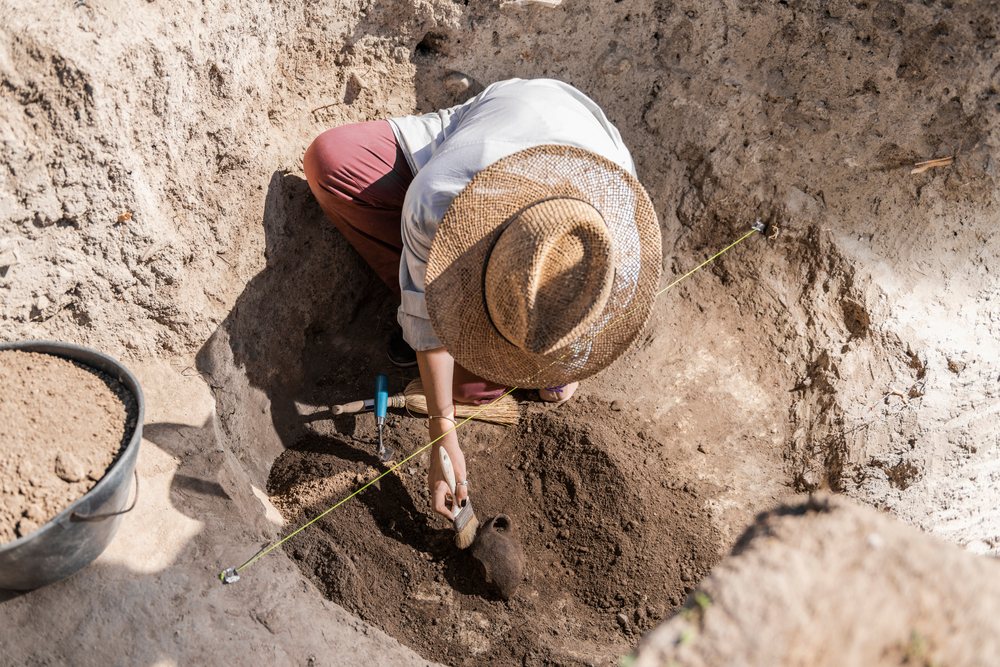
The surrounding area has produced another intriguing archaeological clue in the form of pottery. Researchers have reported pottery outside the formation dating from the Chalcolithic, or Copper Age, through the Iron Age.
Those finds demonstrate that people occupied or used the broader region during different periods of ancient history. They also show that the landscape around the formation has an archaeological history that stretches back thousands of years.
However, the pottery does not establish a connection to Noah’s Ark. Researchers have suggested that ancient people could have used pottery to store food or supplies, but that possibility remains an interpretation rather than proof that the objects were connected to a vessel buried beneath the formation.
The distinction matters because an ancient object can establish human activity without establishing the identity of a particular structure. Archaeologists would need evidence linking the pottery, the formation and any recovered material within a secure chronological and cultural context.
The pottery therefore adds historical context to the investigation, but it does not independently solve the mystery.
The Site Still Has Five Major Questions To Answer
The latest scans and drilling results have generated new interest, but researchers still need to resolve several major issues before the strongest claims can be supported. Each question requires a different kind of evidence, and answering one would not automatically answer the others.
- Is the formation artificial? Researchers need physical evidence demonstrating that humans constructed or substantially altered the structure rather than geological processes creating it naturally.
- What are the underground anomalies? Radar has reportedly detected possible cavities, straight lines and intersections, but direct investigation is needed to determine what produced those signals.
- What is the organic material? Laboratory analysis must establish whether the recovered material is wood, another form of organic matter or something produced through natural processes.
- How old is the material? Suitable samples would need reliable dating to determine when they formed and whether their age is consistent with the proposed timeline.
- Can the evidence be connected to Noah? Even the discovery of an ancient man-made structure would not automatically establish that it was the Ark described in Genesis.
These questions explain why the current drilling operation is attracting so much attention. It has the potential to move the investigation away from speculation about a strange shape and toward evidence that can be independently examined.
At the same time, the unanswered questions show why claims of absolute confirmation are premature. A discovery can be fascinating without proving the conclusion attached to it.
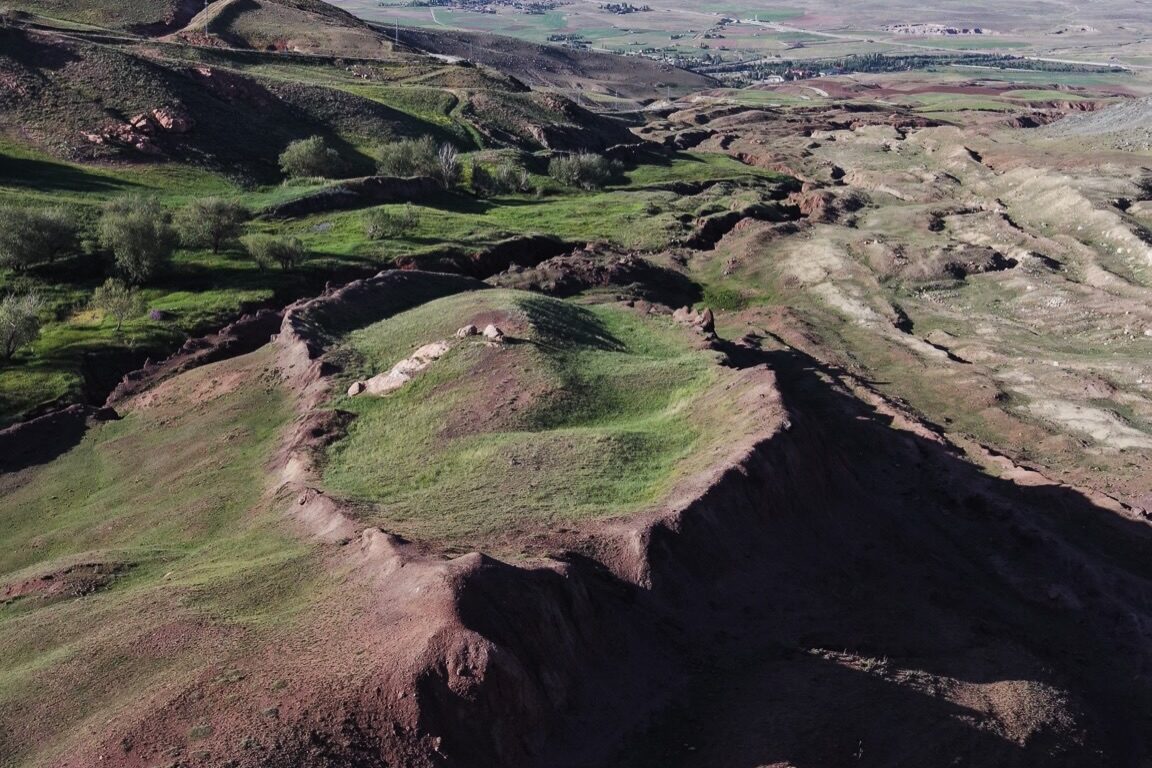
Image Credits – Instagram @Noahsarkscans
Why The “100 Percent Confirmed” Claim Needs Context
The phrase “100 percent confirmed” has helped drive the latest Noah’s Ark story across online platforms, but the available evidence does not establish the biblical Ark as a scientifically confirmed discovery.
What has been reported is a series of unusual findings. Researchers say they have detected underground anomalies, possible cavity-like structures, differences in soil composition, organic material in drilled samples and ancient pottery in the surrounding area.
The research team believes these findings may support the interpretation that the Durupınar Formation contains the remains of a large man-made structure. Other explanations remain possible, including natural geological processes and evidence of human activity unrelated to Noah’s Ark.
The next stage of laboratory testing could therefore be crucial. If researchers identify clearly manufactured structures alongside securely dated ancient materials, the findings could prompt a much deeper archaeological investigation of the formation.
If the evidence instead points toward natural geology or later human activity, the latest scans would become another chapter in the long history of attempts to locate the Ark.
The Drilling Could Change What Happens Next
The Durupınar Formation has spent decades sitting between archaeology, geology and religious tradition. Its unusual shape has inspired extraordinary claims, while geological interpretations have continued to offer a natural explanation for its appearance.
The current investigation is different in one important respect because researchers are now attempting to obtain physical evidence from beneath the surface. That evidence will have to survive laboratory testing and careful examination before the largest claims can be justified.
For now, the most accurate description is not that Noah’s Ark has been found, but that a controversial site has produced new anomalies that researchers believe deserve further investigation. The drilling results, material testing and dating work will determine whether those clues point toward an ancient man-made structure or another explanation.
After more than half a century of speculation, the mystery is no longer simply about whether the formation looks like a ship. Researchers now have to establish what is actually buried beneath it, how old it is and whether the evidence can support the extraordinary story attached to the site.
Featured Image from Instagram @Noahsarkscans