
Your cart is currently empty!
Why More Older Adults Are Returning to Band Camp
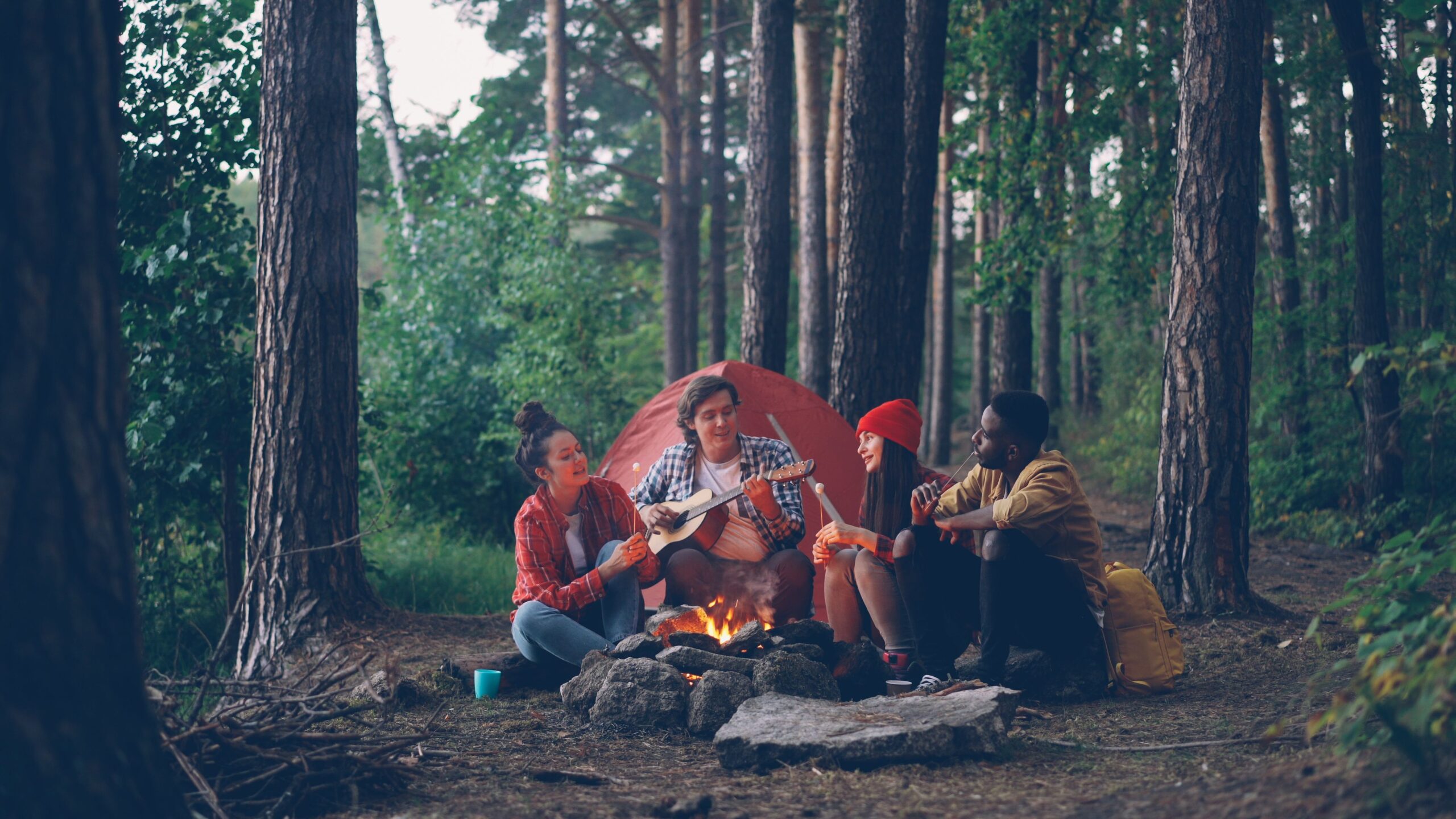
The sound of a trumpet warming up drifts across a quiet lakeside campus. Nearby, a clarinet player laughs with someone she met only yesterday. Down the path, a group of strangers gathers outside a rehearsal hall, comparing sheet music instead of business cards. For a few days, careers, retirement plans, family responsibilities, and endless to-do lists fade into the background. The only thing that matters is making music together.
Contents
show
Summer camp has long been associated with childhood adventures, but a growing number of adults are discovering that some experiences never lose their appeal. Across the United States, music camps designed specifically for grown-ups are attracting retirees, professionals, former band students, and even complete beginners who want to reconnect with an instrument they have not touched in decades.
What began as a niche idea has become part of a broader movement toward community, creativity, and lifelong learning. For many participants, the music itself is only one part of the experience. They are also finding friendships, confidence, and a sense of belonging that can become harder to find later in life.
A Childhood Tradition Finds New Life
For Lori Guess, returning to summer band camp meant stepping back into a place filled with memories while creating entirely new ones.
As a teenager during the 1970s, she attended music camp in Sidney, Maine, where days were filled with rehearsals and evenings echoed with the sounds of loons across the lake. The peaceful surroundings and shared love of music left a lasting impression.
More than five decades later, Guess is still making the trip.
After organizers launched an adult program at the New England Adult Music Camp in 2013, she eagerly signed up. The experience even encouraged her to learn a second instrument.
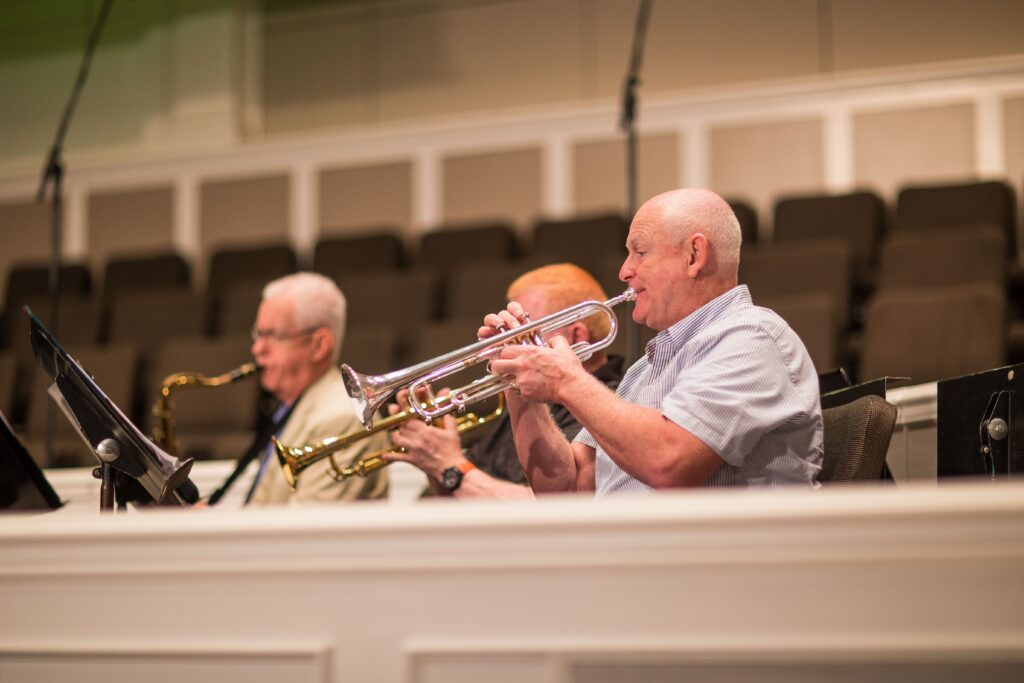
“I was thrilled because I love this place,” Guess, now 71 and a retired attorney for the U.S. Department of Defense, told the Associated Press. “It is serene, beautiful, a perfect setting. And it’s not all that different from what it was 50-some years ago.”
Her return reflects a growing trend among older adults who are revisiting passions that life once pushed aside. Some had demanding careers. Others devoted decades to raising families. Many packed away their instruments with every intention of returning someday, only to realize that someday had become decades later.
For these campers, reopening an old instrument case often feels like reopening a part of themselves.
More Than Music Is Bringing People Back
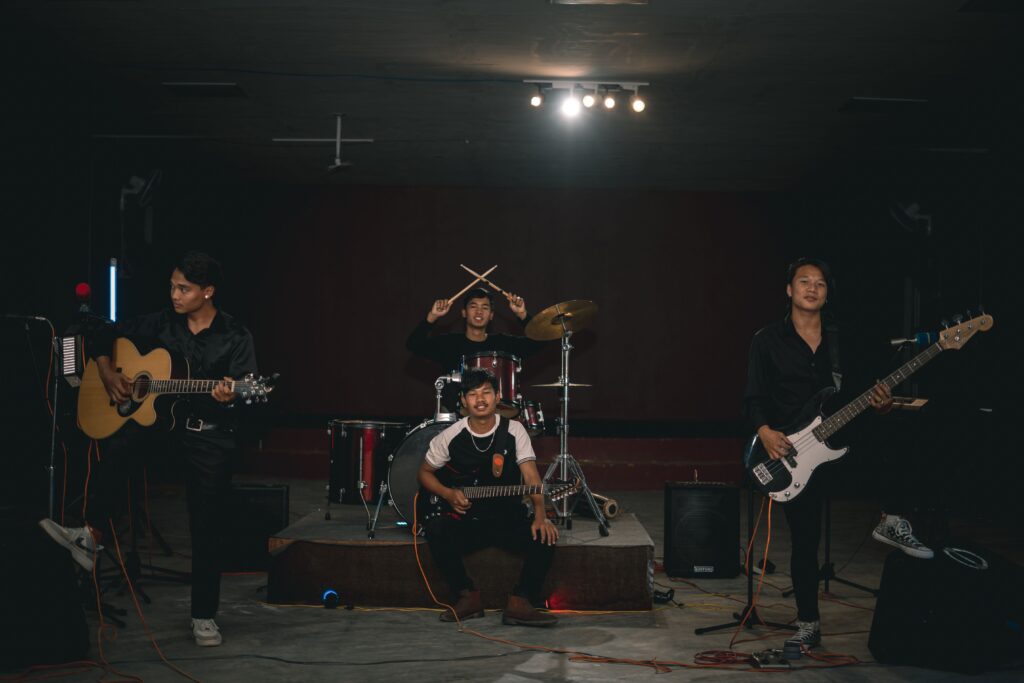
Adult music camps now exist in many forms throughout the country. Some specialize in symphonic bands, while others focus on jazz, chamber music, folk traditions, opera, rock, or contemporary styles. Programs welcome everyone from experienced performers to complete beginners.
The appeal extends far beyond improving technical skills.
Participants often describe the camps as rare spaces where people gather around a shared interest without competition or professional expectations. Nobody is trying to impress an audience online or build a personal brand. Instead, the focus remains on rehearsing together, solving musical challenges, and enjoying each other’s company.
That atmosphere has become increasingly valuable during a period when loneliness has emerged as a major public health concern.
Researchers and mental health professionals have repeatedly warned that social isolation affects millions of adults, particularly as people age. Retirement, relocation, changing family dynamics, and the loss of longtime friends can gradually shrink social circles.
Music offers a natural way to rebuild them.
At camps, strangers quickly become section partners, rehearsal companions, dinner table friends, and eventually people who stay in touch long after the final concert ends.
The structure helps as much as the performances. Camp schedules include shared meals, rehearsals, evening activities, and informal conversations that develop naturally over several days. Unlike many adult social settings, nobody has to invent reasons to start talking.
Everyone is already there for the same reason.
Science Continues to Support the Benefits of Playing Music

The emotional rewards of making music have been understood for generations, but researchers are also uncovering measurable benefits for the brain.
California forensic psychiatrist Carole Lieberman believes music provides important emotional nourishment alongside its cognitive advantages.
“Emotionally, making music is good for the soul,” she told the Associated Press. “It makes you feel creative, allows you to provide the music you like for yourself and can boost your spirits.”
She also pointed to growing evidence that learning and playing an instrument strengthens neurological connections.
“Cognitively, research demonstrates that learning to play a musical instrument and playing it helps your brain make better neurological connections,” Lieberman said. “It can help to ward off dementia.”
While scientists continue studying exactly how music influences aging brains, many studies suggest that musical training engages multiple regions simultaneously. Reading notation, coordinating hand movements, controlling breathing, listening carefully to fellow performers, and adjusting timing all require the brain to process several tasks at once.
That constant mental engagement makes rehearsals feel less like exercise and more like enjoyment.
Psychotherapist Jonathan Alpert sees another important dimension when adults return to instruments they first learned as children.
“Returning to an instrument learned in childhood is powerful because it combines memory, discipline and renewed growth,” he explained.
“It strengthens attention, fine motor coordination, and memory pathways while reducing stress and improving mood. But equally important is the emotional experience of reengaging with something that once required patience and repetition.”
That emotional connection often surprises returning musicians.
Many discover that although technical ability may have faded, the deeper relationship with music never truly disappeared.
Camps Welcome Beginners Alongside Lifelong Musicians
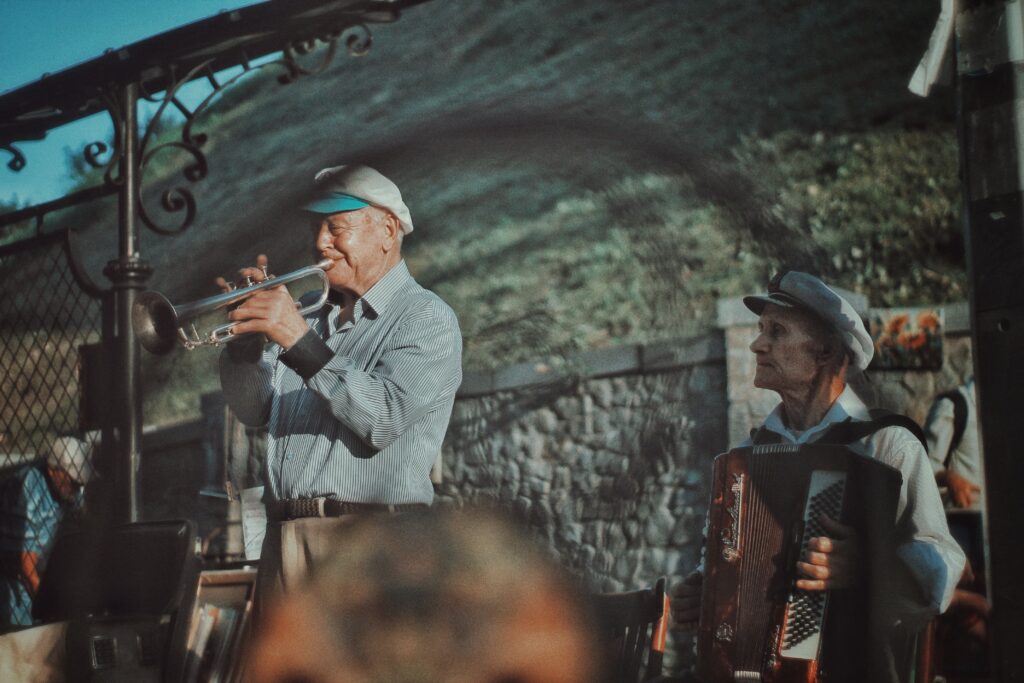
One misconception surrounding adult music camps is that participants need years of experience before signing up.
In reality, many programs intentionally accommodate musicians with very different skill levels.
Organizations such as the Interlochen Center for the Arts in Michigan offer intensive programs for experienced performers, while camps in Pennsylvania, Washington, and Maine organize separate ensembles for beginners, intermediate musicians, and advanced players.
The philosophy is simple.
Everyone deserves the opportunity to make music.
Linda Haller understands how intimidating it can feel to return after decades away.
The retired obstetrician-gynecologist from New Hampshire had not played clarinet since high school when she joined a local adult community band promoting lifelong music education.
“It hasn’t all come back, but I’m getting to the point where I think I’m playing almost as good as I did back then,” Haller said.
She eventually attended the New England Adult Music Camp, progressing from a beginner ensemble into an intermediate group.
The improvement mattered, but the friendships mattered just as much.
Like many participants, Haller found herself surrounded by people who understood exactly what it felt like to dust off an instrument after years of silence.
Nobody expected perfection.
Instead, fellow musicians celebrated steady progress, encouraged one another through difficult passages, and applauded every small breakthrough.
That supportive atmosphere helps explain why so many campers return year after year, turning what begins as a single summer experience into an enduring tradition.
The Traditions That Keep Campers Coming Back
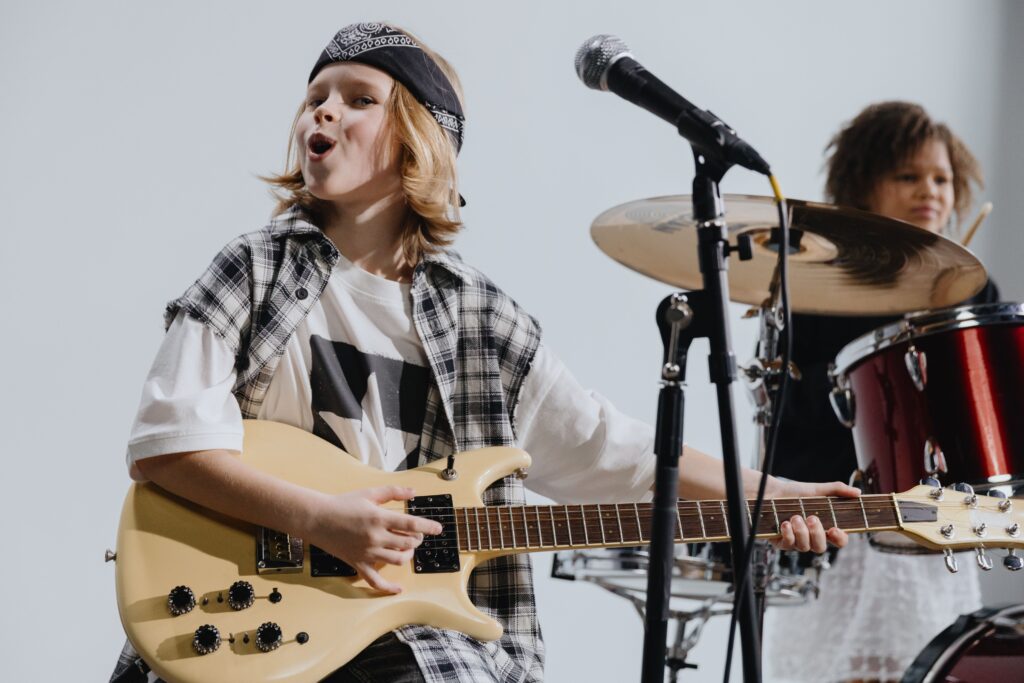
The rehearsals may be the centerpiece of adult music camps, but much of the magic happens after the final note of the day.
Every program has developed traditions that encourage campers to relax and connect outside the rehearsal hall. At the New England Adult Music Camp in Maine, evenings often include campfires beside the lake and the classic New England lobster dinner. In Walla Walla, Washington, campers organize a sketch comedy night that has become one of the retreat’s most anticipated events. Pennsylvania’s Band Camp for Adult Musicians welcomes everyone with a communal dinner on the opening night, setting the tone for a week built around shared experiences.
Many camps also schedule optional activities such as kayaking, yoga, hiking, open mic performances, and cocktail hours. These moments allow friendships to develop naturally between people who, only days earlier, had never met.
Unlike networking events or organized social mixers, the conversations begin with something everyone already shares.
A difficult piece of music becomes an instant icebreaker. Someone asks for help with a rhythm. Another person compliments a solo. By the end of the week, strangers are cheering one another on as if they have played together for years.
That atmosphere is one reason so many campers become repeat visitors. Returning each summer feels less like attending an event and more like reuniting with an extended family.
Rediscovering a Part of Life That Was Never Really Lost

One story shared by camp organizers captures the experience of many returning musicians.
According to Leigh Hurtz, director of the Band Camp for Adult Musicians at Susquehanna University, participants often arrive with stories about the instrument they left behind decades earlier.
“They were lawyers or doctors, or working full-time, mothers,” Hurtz told the Associated Press. “There are also people who sold their tuba for a couch in college so they could have a couch, and 20 years later, it’s like, ‘I need a tuba again!’”
It is an amusing image, but it also reflects a familiar reality.
Adulthood requires practical decisions. Instruments are stored in attics. Practice time disappears beneath careers, mortgages, and raising children. Creative hobbies are often the first sacrifices when life becomes busy.
Eventually, many people realize they miss more than simply playing music.
They miss having a reason to practice toward a shared goal. They miss laughing with section mates during rehearsals. They miss performing alongside people who understand the excitement of finally mastering a difficult passage.
Returning to music becomes less about recovering lost talent and more about recovering a forgotten part of personal identity.
Many campers discover they never truly stopped being musicians. They simply stopped playing.
Why Community Matters More Than Ever
Experts increasingly point to social connection as one of the strongest predictors of healthy aging.
While exercise, nutrition, and medical care remain essential, meaningful relationships contribute significantly to emotional well-being and overall quality of life.
Russ Grazier, artistic director of the New England Adult Music Camp and a longtime educator with the New Horizons International Music Association, has witnessed that transformation firsthand.
He notes that participation among adults over the age of 60 at one local music and arts center has doubled over the years, growing from roughly 150 musicians to around 300.
For Grazier, the explanation is straightforward.
“And that’s something missing from a lot of people’s lives these days,” he said. “So any time we have an opportunity to have a space outside of the home where we’re connecting with new people and sharing a common interest, it has remarkable benefits for our health and our aging.”
His observation echoes a wider conversation taking place across society.
Health experts have increasingly described loneliness as a growing challenge, particularly among older adults who may no longer have the daily interactions that once came through workplaces or raising families.
Music camps cannot solve every aspect of social isolation, but they create an environment where meaningful friendships often develop surprisingly quickly.
People rehearse together, eat together, celebrate each other’s progress, and perform together. Those shared experiences build trust in ways that casual conversations often cannot.
Many campers continue meeting long after summer ends, joining community bands, planning reunions, or simply staying connected throughout the year.
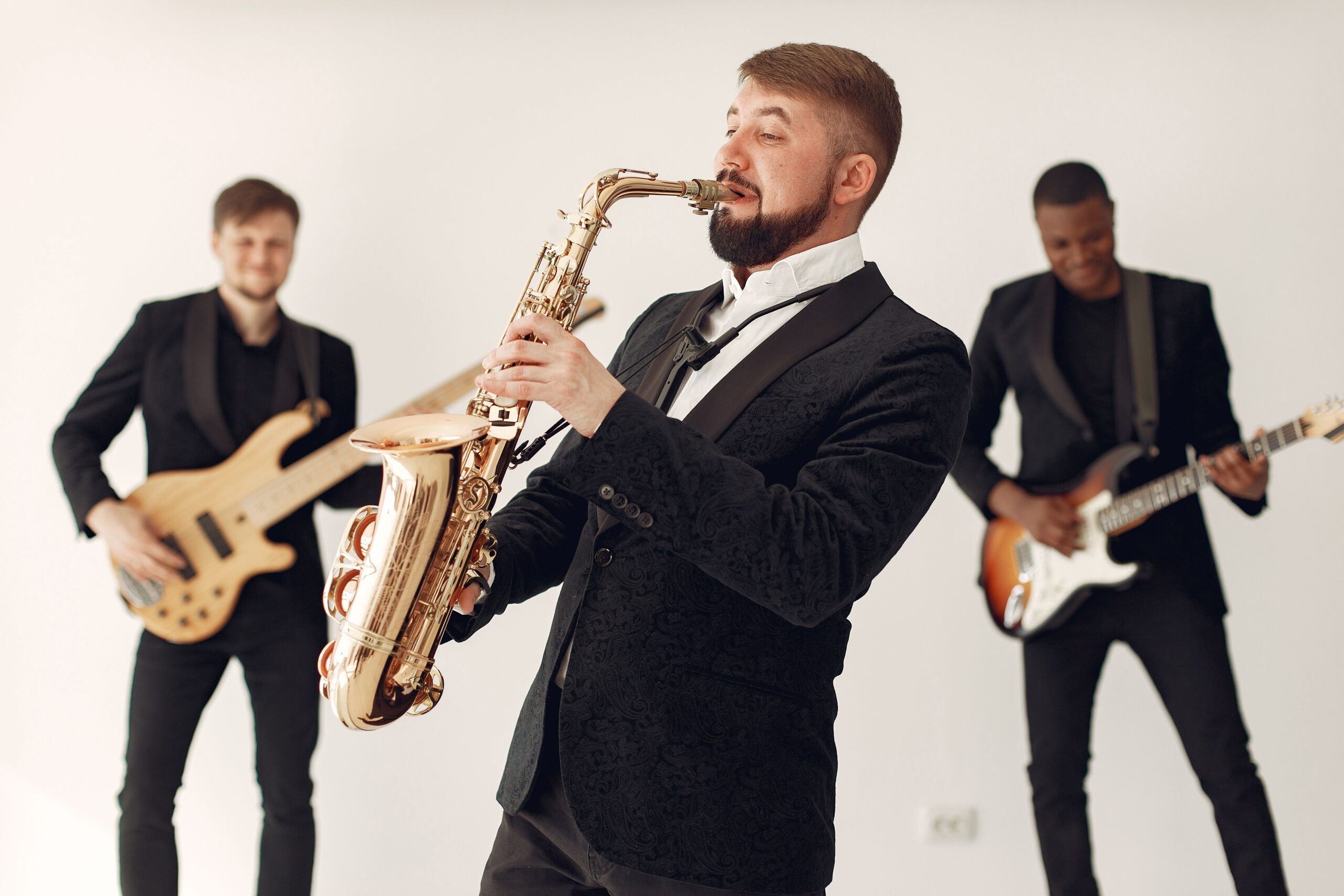
Adult Camps Reflect a Larger Search for Connection
Music camps are only one example of a broader movement reshaping how adults spend their free time.
Across North America and Europe, retreats designed specifically for grown-ups have expanded rapidly. Traditional summer camp experiences featuring cabins, outdoor activities, arts, and communal meals have attracted people looking for a break from constant work demands and digital distractions.
Many participants arrive alone.
They leave with friendships that continue long after the weekend ends.
While some camps focus on outdoor adventure or wellness, music camps offer an additional layer of connection because participants work toward a shared artistic goal. Preparing for a concert requires cooperation, patience, and careful listening, qualities that naturally encourage stronger relationships.
There is also something uniquely satisfying about making music in person.
Digital entertainment has made it easier than ever to consume performances from home, but listening and participating create very different experiences.
Performing inside an ensemble requires every individual to contribute while remaining aware of everyone else. Success depends on collaboration rather than competition.
That balance can feel refreshing in a culture where many hobbies have become highly individualized.
The Joy of Playing Together Never Gets Old
For Lori Guess, the greatest reward has never been perfect performances or flawless technique.
It is the feeling that arrives when dozens of musicians breathe together before the first note.
“When you’re playing music together, you rise above all the pettiness of life,” she said. “And it’s just the most spiritual thing I can think of.”
Her words capture something difficult to measure but easy to recognize.
Music asks people to listen before they respond. It rewards patience instead of speed. It reminds performers that every individual part matters, even when it is not carrying the melody.
Perhaps that explains why adult music camps continue attracting people who thought those experiences belonged only to childhood.
They are discovering that fulfillment does not have an expiration date. Creative passions can wait quietly for years before returning with surprising force. Friendships can begin at 70 just as easily as they can at 17.
For many campers, the final concert is not the ending of the week.
It is the opening note of a tradition they plan to continue for years to come, proving that some of life’s most meaningful chapters begin when people finally find the time to play again.