
Your cart is currently empty!
The Cancer With a 97% Death Rate Just Lost Its ‘Untreatable’ Status

Pancreatic cancer has earned a terrifying reputation as a disease that simply cannot be stopped. It moves fast, hides well, and has resisted almost every drug thrown its way. But the label of “untreatable” might finally be losing its grip.
Contents
show
A groundbreaking study out of Spain has managed to do what was once thought impossible, offering the first real proof that these aggressive tumors may actually have a vulnerability.
Why Pancreatic Cancer Is So Difficult to Treat

Pancreatic cancer is a diagnosis that strikes fear into patients and doctors alike. While it is less common than other types of cancer, it remains the third leading cause of cancer deaths in the United States. In Spain alone, more than 10,300 people are diagnosed every year. The outlook is often grim, as fewer than 10 percent of patients are still alive five years after their diagnosis.
The primary reason for these heartbreaking statistics is how well the disease hides. Most people have no symptoms in the early stages, meaning the cancer usually goes undetected until it has already spread. Dr. Conan Kinsey, a physician-scientist at the Huntsman Cancer Institute, notes that about 85 percent of patients already have metastatic cancer by the time they are diagnosed. This late detection makes surgery impossible for the vast majority of people.
Even when surgery is an option, the anatomy of the body presents a massive challenge. Dr. Kinsey describes the pancreas as being located in “high-price real estate.” It sits deep inside the abdomen, surrounded by vital blood vessels and major organs, making any procedure incredibly risky.
For those relying on medication, the options have been frustratingly limited. Standard chemotherapy tends to stop working after a few months because pancreatic tumors are experts at adaptation. They rapidly develop resistance to drugs, rendering treatments ineffective. This cycle of late diagnosis and drug resistance has left the medical community with very little progress to show after decades of research.
Here is the second section. This part shifts the focus from the problem to the specific breakthrough, introducing the key players and the logic behind the new treatment method.
Attacking the Tumor from Every Angle
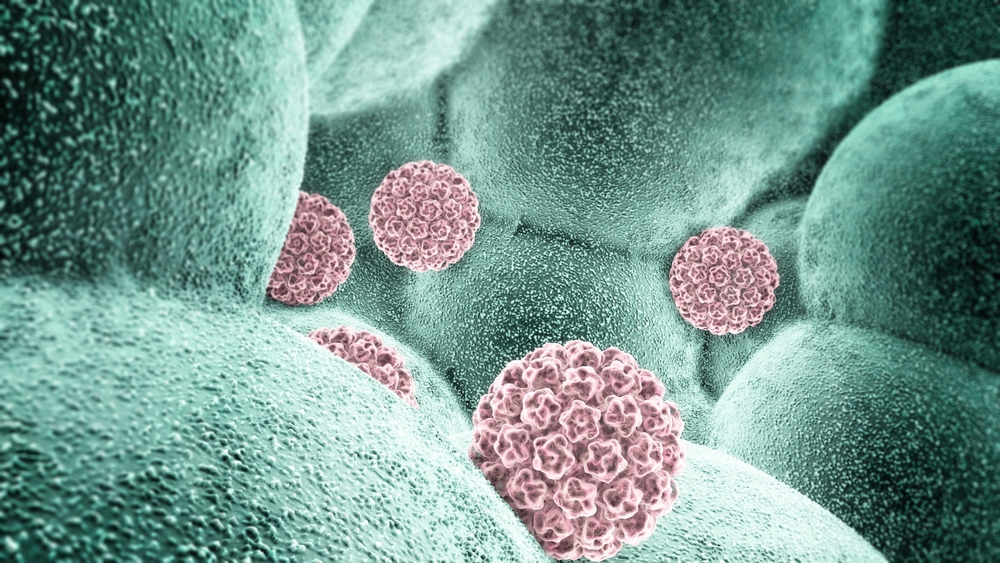
After decades of limited progress, a research team in Spain is finally changing the narrative. Led by Dr. Mariano Barbacid at the National Cancer Research Centre (CNIO), scientists have designed a therapy that completely eliminates pancreatic tumors in mice. The results, published in the journal Proceedings of the National Academy of Sciences (PNAS), offer a glimmer of hope for a condition that has long been considered untreatable.
The target of this new approach is a gene called KRAS. Mutations in this gene appear in about 90 percent of pancreatic cancer cases. While drugs targeting KRAS were approved in 2021, they often fail because the tumor quickly learns how to bypass the medication. Dr. Barbacid, who helped identify the very first human oncogene in the 1980s, knew a single-drug approach would not be enough.
To solve this, the team used a strategy similar to securing a heavy structure. As the researchers explain, it is harder for a beam to break if it is fastened to the ceiling at three points rather than just one. By blocking the KRAS pathway at three distinct points simultaneously, the cancer cells lose their ability to adapt and survive.
This “triple therapy” combines an experimental KRAS inhibitor, a drug already approved for lung cancer, and a protein degrader. When tested on mouse models, the tumors did not just shrink; they disappeared. More importantly, the cancer did not return, and the subjects did not experience significant toxic side effects. This marks the first time such durable results have been achieved in this specific type of aggressive cancer.
From Mice to Men: The Road Ahead

While the results in the laboratory are groundbreaking, it is crucial to temper excitement with realism. Dr. Barbacid emphasizes that his team is “not yet in a position to carry out clinical trials with this triple therapy.” Moving a treatment from animal models to human patients is a complex process, and optimizing the combination for safe use in people will take time.
However, the findings provide a clear roadmap for future research. The study, funded by organizations like the European Research Council and the CRIS Cancer Foundation, proves that pancreatic cancer may finally have a vulnerability. Experts agree that this work offers one of the strongest indications yet that carefully designed combination therapies can overcome the disease’s notorious resistance.
As researchers continue to refine this approach, the hope is that these strategies will eventually translate into tangible survival improvements for patients. For now, the focus remains on understanding how to apply these lessons safely, bringing us one step closer to turning a deadly diagnosis into a manageable condition.
A Pioneer’s Long Game Against KRAS
To understand the significance of this breakthrough, it is helpful to look at the scientist leading the charge. Dr. Mariano Barbacid is a central figure in European cancer research, having played a pivotal role in the early 1980s in identifying the first human oncogene. That discovery was a watershed moment, fundamentally changing how the medical community understands cancer as a genetic disease.
For the past four decades, Dr. Barbacid has focused his efforts specifically on KRAS-driven tumors. These mutations are present in the vast majority of pancreatic ductal adenocarcinoma cases and have historically been considered among the most difficult to drug. While the pharmaceutical industry spent years trying to find a “silver bullet” to target this mutation, Barbacid has long argued that the disease’s extraordinary adaptability would render any single-drug approach useless.
This latest study validates that decades-long hypothesis. By proving that a multi-pronged attack works where singular treatments fail, the team at the Spanish National Cancer Research Centre (CNIO) has shifted the paradigm. Supported by public funding and the CRIS Cancer Foundation, this research represents the culmination of a career spent decoding the genetic mechanisms of survival and resistance. It suggests that the answer to “untreatable” cancers may not lie in a new miracle drug, but in the strategic combination of existing ones.
A Turning Point for the Future

For years, a pancreatic cancer diagnosis has felt like a door closing. But this research pushes that door back open. While a cure for humans is not sitting on a shelf right now, a major psychological wall has been breached. This study proves that even the most aggressive, stubborn tumors have a breaking point when attacked with the right combination of tools.
The authors of the study believe these findings will eventually lead to treatments that help people live longer. It serves as a powerful reminder of why supporting public research and organizations like the CRIS Cancer Foundation is so vital. It takes years of steady funding and patience to crack these difficult genetic codes.
For patients and families facing this disease today, the reality remains incredibly difficult. Yet, the direction has changed. As medical centers around the world continue to test new drug combinations in clinical trials, the conversation is shifting. The goal is no longer just to buy a few more months of time. The ambition now is to turn pancreatic cancer from a lethal disease into something a person can live with. Science is finally catching up to the complexity of the illness, bringing a future of effective treatment within reach.
Source:
- Liaki, V., Barrambana, S., Kostopoulou, M., Lechuga, C. G., Zamorano-Dominguez, E., Acosta, D., Morales-Cacho, L., Álvarez, R., Sun, P., Rosas-Perez, B., Barrero, R., Jiménez-Parrado, S., López-García, A., Roman, M. S., López-Gil, J. C., Drosten, M., Sainz, B., Musteanu, M., Caleiras, E., . . . Barbacid, M. (2025c). A targeted combination therapy achieves effective pancreatic cancer regression and prevents tumor resistance. Proceedings of the National Academy of Sciences, 122(49), e2523039122. https://doi.org/10.1073/pnas.2523039122