
Your cart is currently empty!
Pentagon Gave a Convicted Jan. 6 Rioter a Top-Secret Security Job
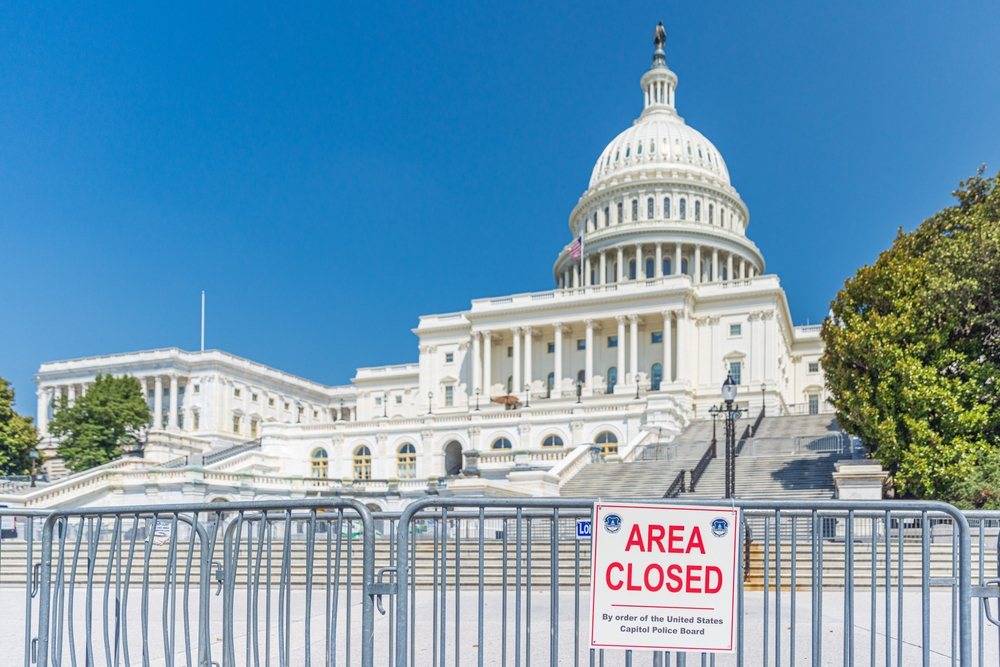
In 2023, a young man stood before a federal judge in Washington, D.C., apologized by name to the widows of Capitol Police officers, and described the day he helped storm the U.S. Capitol as the largest attack on American democracy since the Civil War. Two years later, that same man holds a position inside the Defense Department’s counterterrorism and irregular warfare unit, one of the Pentagon’s most sensitive national security offices.
Contents
show
His name is Elias Irizarry. How he got from a misdemeanor conviction and 14 days in jail to a top-secret clearance at the Pentagon tells a story that is simultaneously personal, institutional, and political, and the Pentagon has so far declined to explain most of it.
A Freshman Cadet on January 6
Irizarry was 19 years old and midway through his first year at The Citadel, the military college in Charleston, South Carolina, when he traveled to Washington, D.C., with two friends on January 6, 2021, to attend the Stop the Steal rally. He then moved with the crowd toward the Capitol.
What he did once he got there became the subject of sharply contested accounts in federal court. What is not disputed is that he entered the Capitol through a shattered window at the Senate Wing Door, carried a metal pole throughout the Capitol grounds and the building, and remained on Capitol grounds for well over an hour after leaving the building itself.
People who knew Irizarry turned him in to the FBI. He was arrested in March 2021. When federal investigators examined his cell phone, prosecutors noted a gap in the data between January 1 and January 8, 2021, which they said suggested deleted information. Court records also showed he exchanged text messages with a co-defendant in the weeks following January 6 about joining the Russian military if they were barred from U.S. military service because of the federal investigation.
What Each Side Said He Did
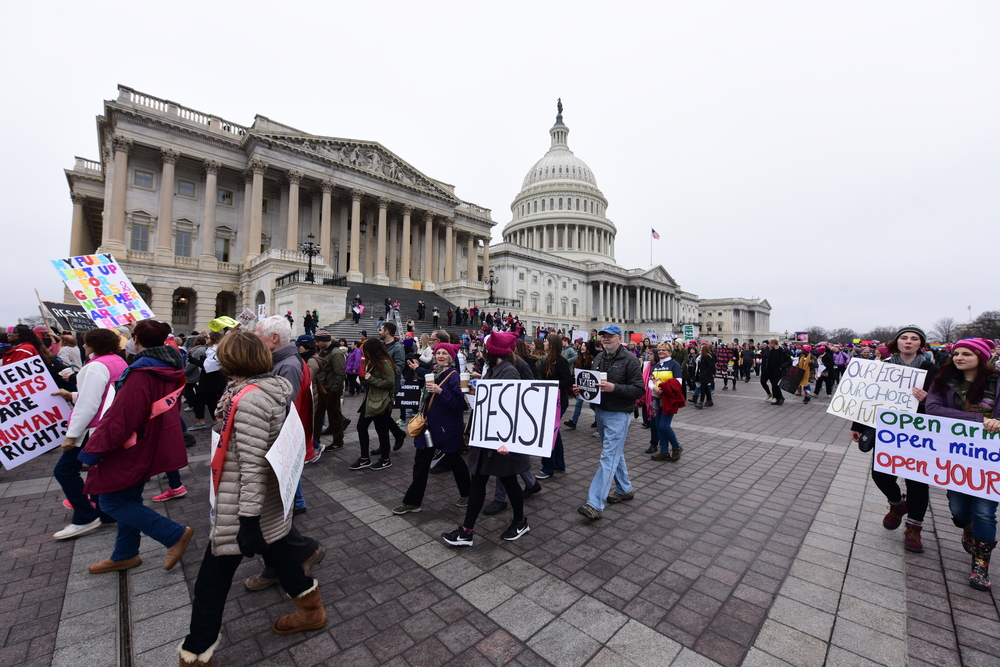
Federal prosecutors described Irizarry as an active participant in the violence, not a bystander swept along by events. In their sentencing memo, they wrote that before entering the building, he had observed broken police perimeter fencing, smelled tear gas, and watched officers being attacked, and that he continued forward anyway. He climbed the scaffolding to the upper West terrace and waved other rioters up the stairs toward the building. Prosecutors also pointed out he was a member of the U.S. Civilian Air Patrol at the time, a federally supported public safety organization, framing his conduct as a direct betrayal of a duty he had voluntarily assumed.
His defense attorney, federal public defender Eugene Ohm, offered a different account. Ohm stressed that Irizarry never engaged in violence, did not confront police officers, did not steal or destroy anything, and largely walked through the building taking photographs before leaving. Both prosecution and defense agreed on one significant point: before January 6, Irizarry had an exemplary record. Citadel professors wrote character letters on his behalf, and his academic standing was strong.
What He Said at Sentencing
At his March 2023 sentencing, Irizarry did not minimize what had happened. He spoke directly and in terms that drew attention from Judge Tanya Chutkan.
“January 6th represented something truly horrible; it was the largest attack on our democracy since the Civil War,” he told the judge. He apologized to the widows of specific Capitol Police officers, listed several officers who died in the aftermath of the attack, and said he did not know what he could do to make it right.
Chutkan sentenced him to 14 days in jail. She was sufficiently impressed with his pre-riot record and expressed remorse that she offered to write him a letter of recommendation to support his reapplication to The Citadel, from which he had been discharged following his conviction. He was readmitted and graduated in May 2024.
From South Carolina to Washington
Between sentencing and his Pentagon appointment, Irizarry rebuilt a public presence. He worked as a page in the South Carolina state legislature, assigned to the agriculture and natural resources committee. A former South Carolina state representative, David O’Neal of Tega Cay, hired him for that role and described him to reporters as a patriot who deserved a second chance and did a fantastic job.
In 2024, Irizarry ran in a Republican primary for a York County seat in the South Carolina state House and lost. Notably, Trump endorsed his opponent in that race rather than Irizarry. In January 2025, Trump pardoned Irizarry alongside hundreds of other January 6 defendants on his first day back in office. Irizarry subsequently relocated to the Washington, D.C., area and was appointed to his current Defense Department position.
His Role at the Pentagon

Irizarry serves as a political appointee in the Defense Department’s Special Operations and Low Intensity Conflict office, assigned to its counterterrorism and irregular warfare team. That team comprises approximately 40 people. Its portfolio covers embassy security, personnel recovery, hostage rescue operations, and classified military activities. Every position within the unit requires a top-secret security clearance.
An anonymous official who spoke to the Washington Post, which first reported the appointment, described both the weight of what the unit does and the concern raised by Irizarry’s placement within it.
“To put someone so junior and new to DoD, and with such a checkered background, into such a sensitive portfolio raises serious questions for leadership,” the official said.
At least four to five current Pentagon officials expressed concern to the Post. None were identified by name. Who specifically approved the appointment has not been made public.
Pentagon Defends the Appointment
Acting Pentagon press secretary Joel Valdez confirmed the hire and defended it in a statement that spent considerable space attacking the reporters who first covered the story rather than addressing the security questions it raised.
“Mr. Elias Irizarry is a qualified, patriotic young professional, and we are proud to have him as a political appointee at the Department of War,” Valdez said.
Valdez did not explain what qualifications Irizarry brought to a counterterrorism role, how his January 6 conviction factored into the clearance process, how the internal concerns from multiple officials were handled, or who made the final call on the appointment.
A Broader Pattern Taking Shape
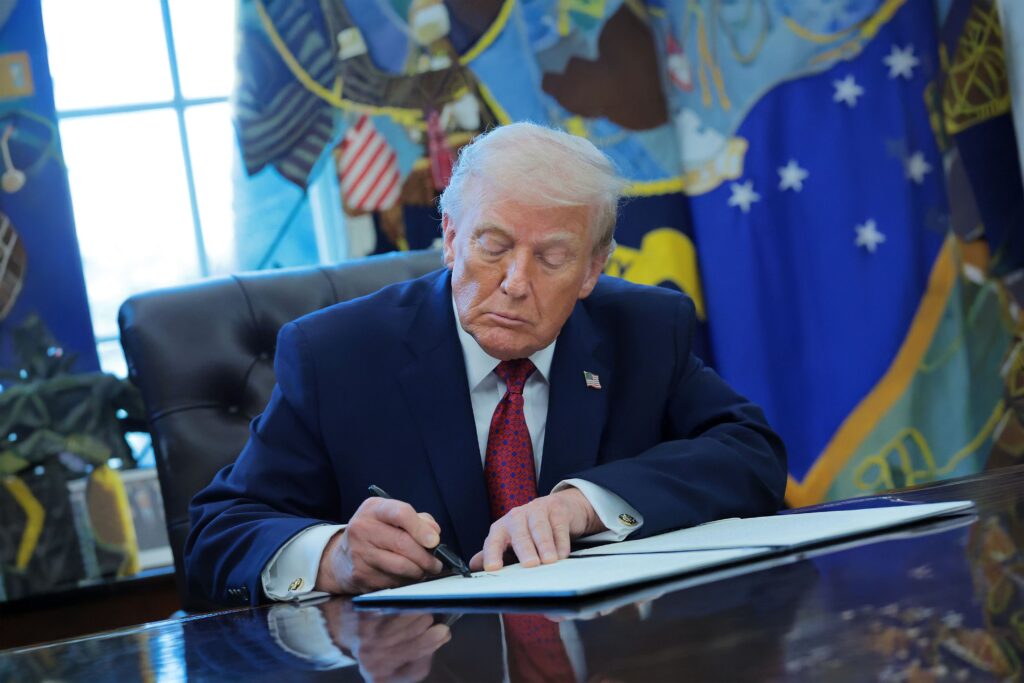
Irizarry’s appointment fits within a pattern that has been developing since Trump returned to office. In January 2025, Trump issued pardons or commuted sentences for nearly all of the approximately 1,600 people arrested in connection with January 6. Shortly after, the Justice Department removed thousands of pages of press releases and case records from its website related to those prosecutions.
Within that broader shift, some January 6 defendants have returned to public life in ways that would ordinarily be unusual following federal convictions. Some have run for office. Others have moved into government-adjacent roles or received political backing from administration allies. Irizarry’s path from a guilty plea to a political appointee with a top-secret clearance in a counterterrorism unit represents one of the more prominent examples of that trajectory reaching into the national security apparatus.
Questions Still Without Answers
Several significant gaps remain in the public record. Who approved Irizarry’s appointment has not been disclosed. How the Pentagon weighed his federal conviction and the prosecution’s description of his conduct against the clearance requirements for his specific role has not been explained. Whether the concerns raised internally by multiple officials were formally reviewed or simply set aside is unknown.
Valdez’s statement confirmed that Irizarry holds the position and that the Pentagon considers him qualified. What it did not address is the question that officials inside the building and outside observers have been asking since the appointment became public: how someone with a federal conviction tied to an attack on a government building, carrying a metal pole, directing rioters up the stairs, came to hold a top-secret clearance in a unit whose work spans hostage rescue and classified military operations.
Both accounts of Irizarry sit in the record simultaneously. A teenager who made a serious mistake at nineteen expressed genuine remorse before a federal judge and spent years rebuilding. And a young man whose conduct on January 6, in the government’s own words, was not passive or incidental. How those two portraits were reconciled in a hiring decision, and by whom, are answers that have not yet come.