
Your cart is currently empty!
Your Dog Could Be Helping Your Body Handle Stress Better
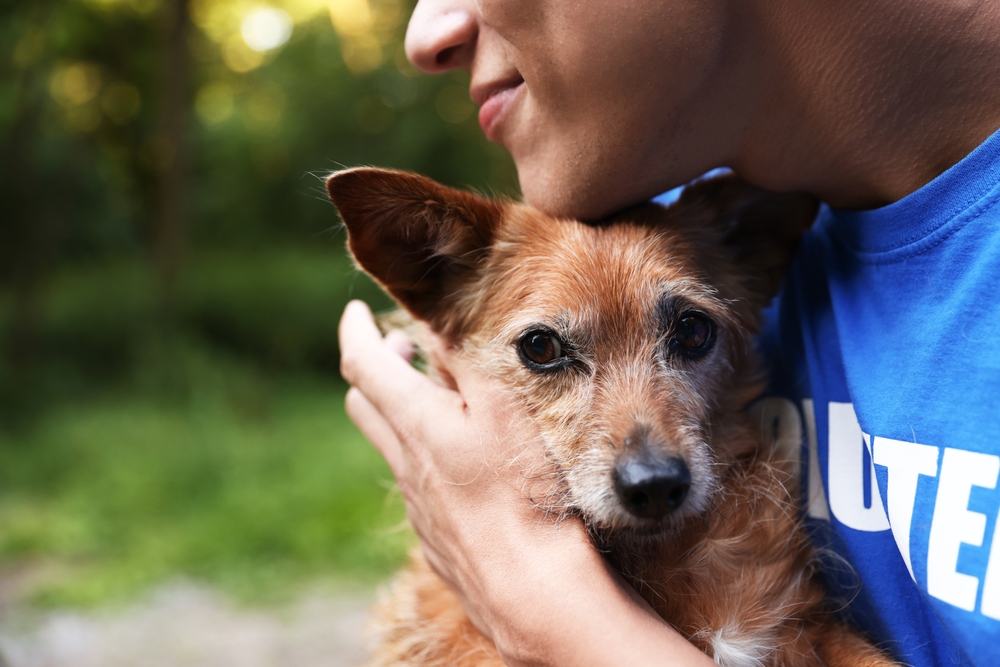
Spending a few minutes petting your dog might have an unexpected effect on your body. Researchers have discovered that physical contact with a pet could help people respond more calmly to a stressful situation they encounter later. The surprising part is that the benefits may happen even when the person doesn’t realize anything has changed.
Contents
show
A study involving 64 dog owners has revealed a fascinating connection between physical affection and the body’s response to stress. Although petting a dog didn’t help participants recover faster from an initial stressful experience, it appeared to protect them from the biological effects of another stressful challenge.
Scientists Investigated Why Physical Contact With Dogs Feels So Comforting
Dog owners often describe the comfort of having their pets nearby after a difficult day. A familiar animal can provide companionship during stressful moments, while simple interactions such as stroking its fur or allowing it to rest beside you can make an ordinary day feel better. However, scientists still have questions about exactly how these interactions influence the human body.
Previous research has linked pet ownership with several positive health and psychological outcomes. Studies have associated having pets with reduced loneliness, greater happiness and better survival following certain heart problems. Researchers have also investigated how interacting with animals might influence anxiety and physiological stress responses.
Despite these findings, the biological mechanisms behind the benefits of pet ownership remain incompletely understood. Scientists have particularly struggled to determine which aspects of human-animal interaction produce the strongest effects. Spending time with an animal usually involves several activities happening together, including looking at it, speaking to it and physically touching it.
A research team from the University of Innsbruck in Austria wanted to investigate one particular possibility: physical touch. Their study, published in the scientific journal Biological Psychology, examined whether petting a dog could influence how its owner responds to stressful situations.
The research was led by psychologist Vanessa Kaufmann and focused on the relationship between physical contact, brain activity and heart responses. In their paper, the researchers explained, “Pets enhance their owners’ affect and well-being, providing tangible benefits that extend beyond their original utilitarian roles.”
The team wanted to understand the psychobiological processes responsible for these benefits. Their experiment was designed to separate the effects of touching a dog from the effects of simply having the animal nearby, giving researchers a clearer picture of what physical affection might actually do.
How Researchers Put 64 Dog Owners Through Stressful Tests

The experiment involved 64 adult dog owners who participated alongside their own pets. There were 51 women and 13 men in the group, with an average participant age of approximately 34 years. Every dog was healthy and at least two years old, and the animals needed to be comfortable in the experimental environment.
Researchers deliberately created situations that would put participants under mental pressure. Instead of asking them to complete ordinary questionnaires, the team used demanding tasks that required concentration and quick responses. The activities were designed to produce measurable stress reactions.
Participants first completed a general knowledge quiz in which they had only five seconds to answer each question. This time restriction made it difficult to spend too long thinking about an answer, increasing the pressure to respond quickly. The experiment also included a mental arithmetic task that required participants to count backward using fixed numerical steps.
During the arithmetic exercise, participants had to follow the pace of a blinking red dot. The task was structured so they could not simply slow down whenever the calculations became difficult. A researcher monitored their performance through a video call and provided negative feedback, adding another source of pressure.
The researchers conducted the experiment in two separate testing blocks, with a five-minute break between them. This arrangement allowed the team to observe how participants responded to a second stressful experience after spending time with their dogs.
The break was particularly important because researchers wanted to compare physical interaction with ordinary proximity. Some participants could freely touch their dogs, while others were prevented from making physical contact.
The Five-Minute Petting Break Produced An Unexpected Result

During the break, participants in the physical-contact condition could stroke, pet or hold their dogs. Their animals were allowed to move freely around the room, giving owners an opportunity to interact naturally. The remaining participants could still see and speak to their dogs, but physical contact was restricted by keeping the animals on short leashes.
This arrangement helped researchers examine whether touching a dog offered additional benefits beyond simply seeing or hearing a familiar pet. Both groups had their animals nearby, but only one group could enjoy physical affection during the break. The difference gave the researchers an opportunity to study the specific contribution of touch.
After the five-minute break ended, participants returned to the stressful tasks. Researchers continued monitoring their biological responses to determine whether the interaction had influenced their reactions. The results revealed something different from the team’s original prediction.
The researchers initially expected that petting a dog would help participants recover more quickly from the first stressful experience. However, the measurements did not show a clear immediate recovery advantage for those who had physical contact with their pets. Their heart activity and brain wave patterns returned toward resting levels at similar speeds.
The real difference appeared during the second round of stressful activities. Participants who had interacted physically with their dogs during the break showed weaker biological stress responses when they faced another demanding task. Those who had been unable to touch their dogs did not show the same pattern.
This suggested that physical contact could help buffer the body against a subsequent stressful experience. The researchers had expected petting to improve recovery from existing stress, but the results pointed toward a different benefit. A short interaction with a dog appeared to influence how the body handled the next challenge.
What Happened Inside The Brain And Heart During The Experiment

To understand the results, researchers monitored participants using two scientific methods: electrocardiography and electroencephalography. These techniques allowed the team to examine changes in heart activity and electrical patterns in the brain. Together, they provided information about how the body responded to the stressful tasks.
Electrocardiography, commonly known as ECG, records the electrical activity of the heart. Researchers used it to monitor participants’ heart rates and heart rate variability throughout the experiment. These measurements helped identify physiological changes associated with the stressful activities.
Electroencephalography, or EEG, records electrical activity in the brain. The researchers examined different brain wave patterns that can provide information about levels of relaxation and cognitive arousal. This allowed them to investigate whether touching a dog influenced the brain’s response to subsequent pressure.
Heart Rate And Heart Rate Variability Changed Under Pressure

The first testing session produced measurable changes in participants’ heart activity. Their heart rates increased, while heart rate variability decreased during the stressful tasks. These findings indicated that the participants’ bodies were responding to the pressure created by the experiment.
Heart rate variability refers to the natural differences in time between consecutive heartbeats. It is commonly used as one indicator of how the autonomic nervous system is functioning. Researchers examined this measurement alongside heart rate to gain a broader understanding of participants’ physiological responses.
The important observation came when participants faced the second testing block. Those who had physically interacted with their dogs during the break displayed a weaker overall biological response to the subsequent stressful experience. This supported the possibility that physical contact had influenced their body’s reaction to another challenge.
Brain Waves Revealed Another Interesting Difference

The EEG recordings also showed changes during the initial stress tests. Alpha wave activity became suppressed, while beta wave activity increased. Alpha waves are commonly associated with relaxed wakefulness, whereas beta activity is associated with greater cognitive arousal.
During the second experimental block, participants who had touched their dogs showed higher alpha wave activity throughout the session. This suggested reduced brain activation compared with the pattern observed in participants who had not physically interacted with their pets.
The difference provided another indication that physical contact might influence how people respond to subsequent stress. Researchers observed changes in both heart-related measurements and brain activity, strengthening the evidence that the effect involved physiological processes rather than feelings alone.
Why Touching A Dog Could Change Your Response To Stress

Physical touch has long attracted scientific interest because of its relationship with human emotional and physiological well-being. Previous research involving people has found that gestures such as holding hands or receiving a shoulder massage can influence heart rate and the body’s response to stressful situations. These findings have encouraged researchers to investigate whether contact with animals could produce similar effects.
However, studying physical contact with pets presents some challenges. When people spend time with animals, they generally engage in several forms of interaction simultaneously. They might talk to the animal, look at it, stroke its fur or simply enjoy its presence.
This makes it difficult to identify which specific activity produces a measurable benefit. Some earlier studies have compared interactions involving physical contact with those without it, but their findings have been mixed. The Austrian research team therefore designed an experiment that gave physical touch a more clearly defined role.
The results suggest that contact with a familiar dog may influence the way the body prepares for another stressful experience. The researchers proposed that touching an animal could make an upcoming threat feel less threatening from a biological perspective.
In their paper, the team explained, “These results indicate that touching one’s dog dampens the bodily impact of an upcoming stressor and that pet owners may naturally seek such touch when interacting with their pet.”
They also suggested that physical touch could represent an important mechanism through which pets contribute to their owners’ overall well-being. However, the precise biological processes responsible for the observed effect remain unclear. Further research will be needed to determine exactly how these interactions influence the brain and body.
Your Body May Respond Differently Even When You Don’t Notice
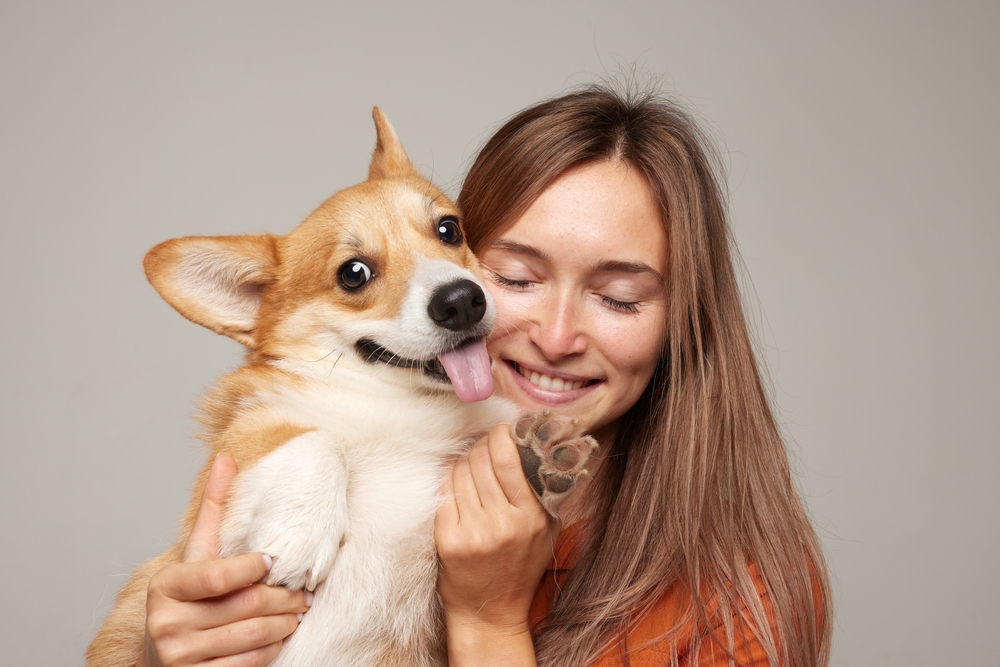
One of the more intriguing findings involved the difference between participants’ reported feelings and their physiological measurements. Researchers asked participants to describe their emotional states during the experiment. They considered factors such as whether participants felt calm or excited, positive or negative, and in control or out of control.
Interestingly, these subjective reports did not consistently correspond with the biological changes recorded through ECG and EEG. Participants did not necessarily report feeling less stressed when their bodies showed different physiological responses. This raised an interesting possibility about how people experience the benefits of interacting with their pets.
Someone might believe they are feeling just as stressed as before, even when their body’s response to another challenge has changed. In this experiment, physical contact appeared to influence measurable biological reactions without producing an equally obvious difference in participants’ reported emotions.
This distinction is particularly interesting because people often judge whether something helps them by how they feel immediately afterward. If petting a dog doesn’t make someone feel noticeably calmer, they might assume the interaction has made little difference. The researchers’ observations suggest that the body’s response may tell a more complicated story.
ScienceAlert summarized the finding by suggesting that expressing affection for a pet could help protect owners from stress in ways they might not consciously notice. The publication also made a simple observation: even if the biological effect isn’t present, your dog will probably still appreciate the attention.
What The Study Means For People Who Own Dogs

The findings provide another possible explanation for the relationship between pet ownership and human well-being. They suggest that physical contact could have benefits extending beyond the immediate experience of companionship. For people who already enjoy spending time with their dogs, this offers an interesting reason to appreciate those everyday interactions.
However, the findings need to be understood within the limits of the experiment. The research involved 64 dog owners, which is a relatively small participant group. The experiment also took place in a controlled laboratory environment, meaning the results do not automatically establish what happens during every stressful situation in everyday life.
The researchers studied participants interacting with their own dogs. Their findings therefore cannot establish that petting any unfamiliar animal would produce the same response. Familiarity and the nature of the relationship may be relevant, although this experiment did not establish their individual contributions.
The research also examined short-term physiological responses rather than long-term health outcomes. It did not demonstrate that petting a dog prevents chronic stress, treats anxiety or protects someone from every future stressful experience. Those questions would require additional research.
Nevertheless, the results offer several practical observations for dog owners:
- Make time for physical interaction: The participants who could touch their dogs during the break showed weaker biological stress responses during the subsequent testing session.
- Give your dog attention during breaks: A few minutes of interaction may provide benefits beyond simply having your pet nearby, according to the study’s findings.
- Let your dog choose physical contact: Petting should always be appropriate for the animal, with attention to its comfort and willingness to interact.
- Understand that immediate relaxation isn’t guaranteed: Researchers did not find that touching a dog helped participants recover faster from their initial stressful experience.
- Keep expectations realistic: The findings suggest a possible stress-buffering effect, but they do not establish physical contact as a treatment for ongoing stress or anxiety.
A Five-Minute Interaction Could Mean More Than You Think
The relationship between humans and dogs has developed over thousands of years, moving beyond the practical roles animals once played in hunting, guarding and other activities. Today, dogs are valued companions, and scientific research continues to investigate the ways these relationships may influence human health.
The University of Innsbruck study adds an interesting detail to that picture. Participants who physically interacted with their dogs during a short break showed weaker biological responses when they encountered another stressful task. The findings suggest that the benefits of petting a dog may extend beyond the immediate comfort people associate with their pets.
More research is needed to establish how consistently this effect occurs and what biological processes explain it. For now, the next time your dog settles beside you, a few minutes of gentle affection could be worth making time for. Your dog gets some attention, and your body may get an unexpected advantage before the next stressful day begins.