
Your cart is currently empty!
Pins, Felt, and Fear: An ICE Voodoo Doll Appears in New Orleans

Someone in Uptown New Orleans wanted to send a message. Near Magazine Street, in a residential neighborhood where oak trees line the sidewalks and historic homes sit behind wrought-iron gates, passersby spotted something unusual tied to a tree. A small figure, handmade from felt, hung from the trunk. Dozens of pins pierced its body. A black vest bore three letters that have become a flashpoint across Louisiana and the nation. A handwritten sign hung above it.
Contents
show
Word spread. Photos circulated online. And within hours, the image of what officials called a “voodoo doll” dressed as an Immigration and Customs Enforcement agent had reached the desk of Louisiana Attorney General Liz Murrill.
Her response was swift and pointed. But the felt figure represents just one small piece of a much larger story playing out across New Orleans, where federal immigration enforcement has transformed daily life for thousands of residents and sparked fierce debate about safety, civil liberties, and who belongs in America.
A Crackdown Called Catahoula Crunch
Federal agents descended on New Orleans in early December. Operation Catahoula Crunch, named with the kind of bureaucratic flair that belies its serious implications, launched on December 3. Since then, more than 250 arrests have taken place across South Louisiana, according to the Department of Homeland Security.
New Orleans became the latest city to experience the Trump administration’s aggressive immigration push, joining Chicago, Charlotte, and Los Angeles as targets of large-scale enforcement operations. DHS officials have framed the crackdown as a public safety measure aimed at removing dangerous individuals from American communities.
But records obtained by journalists paint a more complicated picture. And for many New Orleans residents, the operation has brought uncertainty, anxiety, and anger to their doorsteps.
What Records Reveal About Arrests
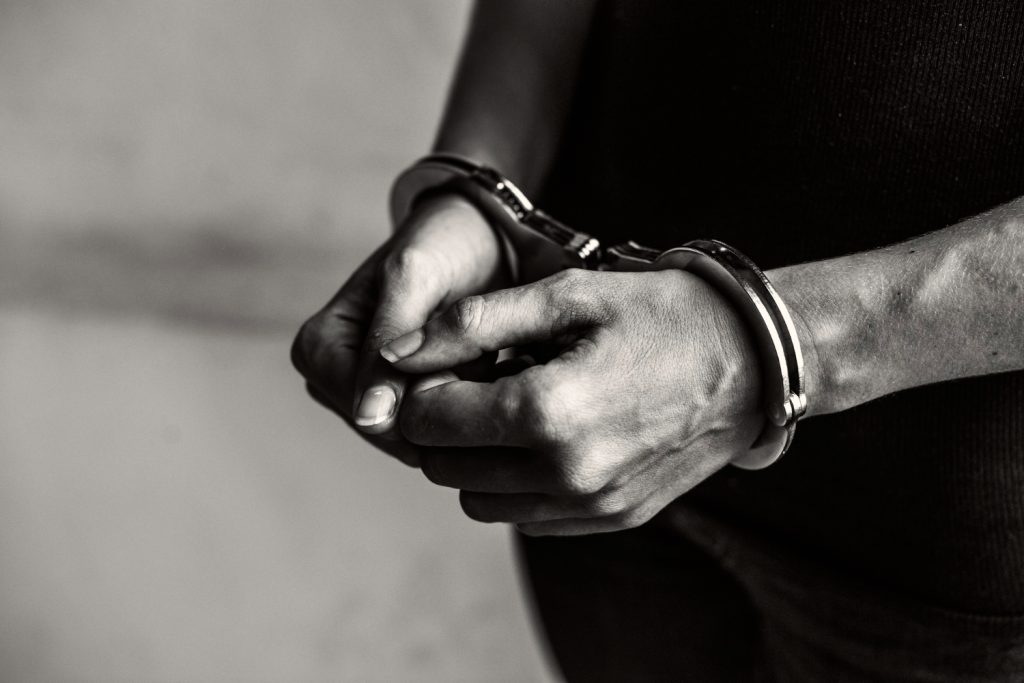
Federal authorities have repeatedly stated that Operation Catahoula Crunch targets “criminal illegal aliens.” Press releases and official statements emphasize the threat posed by individuals with violent histories living in the United States without authorization.
Yet data tells a different story. Law enforcement records reviewed by the Associated Press found that fewer than one-third of the 38 people arrested during the operation’s first two days had documented criminal histories. Many of those taken into custody had no criminal background at all.
Nationwide figures from Transactional Records Access Clearinghouse, a nonprofit that gathers and analyzes federal data, support this pattern. As of November 30, roughly 73 percent of people held in ICE detention facilities across the country have no criminal convictions.
State Senator Royce Duplessis, a Democrat who represents New Orleans, did not mince words when presented with these findings.
“It confirms what we already knew — this was not about public safety, it’s about stoking chaos and fear and terrorizing communities,” Duplessis told the Associated Press. “It’s furthering a sick narrative of stereotypes that immigrants are violent.”
His criticism reflects a growing sentiment among local leaders who question whether the operation’s stated goals match its actual implementation.
City Hall Responds
Helena Moreno, set to take office as New Orleans’ next mayor, has emerged as one of the most vocal critics of the federal operation. Rather than simply condemn the crackdown, she has moved to provide practical assistance to residents who may encounter immigration agents.
Her office launched a “Know Your Rights” webpage that explains what residents can and cannot do if approached by federal agents. Legal resources and contact information for immigration attorneys appear on the site. Meanwhile, the New Orleans City Council created a separate portal where residents can report abuse or misconduct by federal agents.
Moreno has described Operation Catahoula Crunch in stark terms, saying it has caused significant alarm and created a culture of fear throughout the city.
For immigrant communities in New Orleans, that fear has become a daily reality. Reports have surfaced of parents afraid to take children to school, workers hesitant to travel to their jobs, and families reluctant to seek medical care or report crimes to police.
Protests Fill City Streets
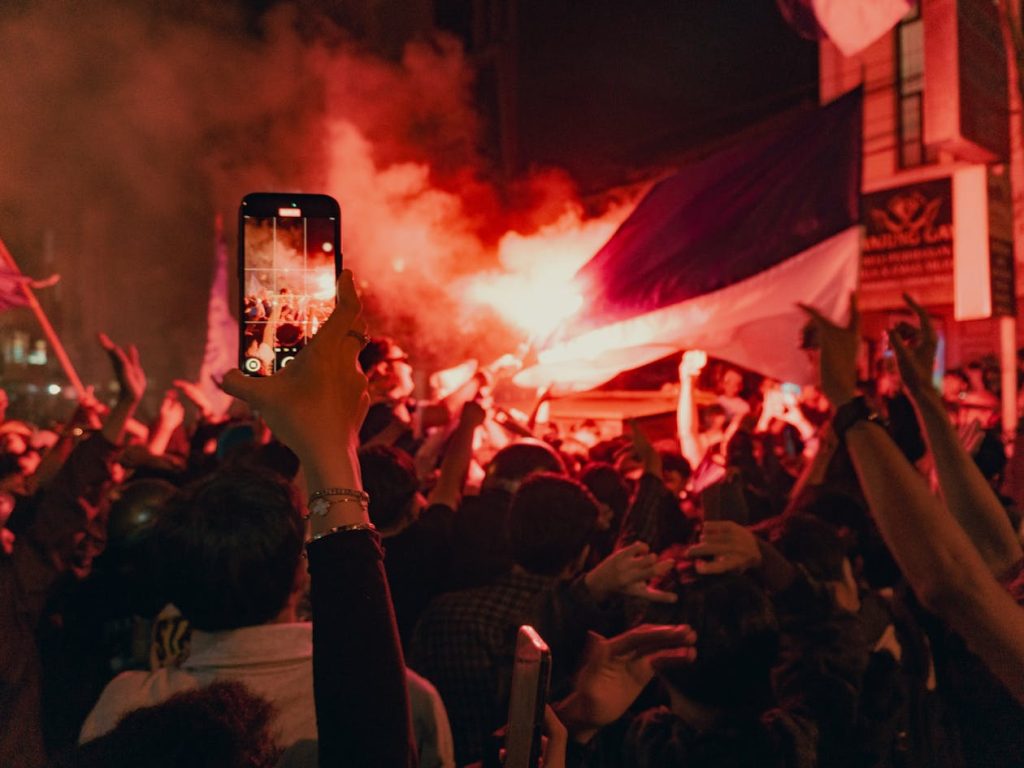
Opposition to the immigration crackdown has moved beyond press releases and official statements. Across New Orleans, residents have taken to the streets.
Demonstrations have formed outside federal buildings, with protesters holding signs and chanting demands for transparency and an end to mass enforcement actions. In residential neighborhoods, smaller gatherings have drawn attention to specific arrests or incidents.
Video footage from several high-profile enforcement actions has spread across social media platforms and appeared on news broadcasts. Some clips show agents approaching homes in the early morning hours. Others capture tense confrontations between officers and community members.
Federal and state law enforcement agencies have taken notice of the public response. Records reviewed by the Associated Press reveal that authorities are tracking social media discussions and monitoring public sentiment related to the immigration crackdown. Officials have cited concerns about potential threats to agents as justification for this surveillance.
A Former Marine and Troubling Threats
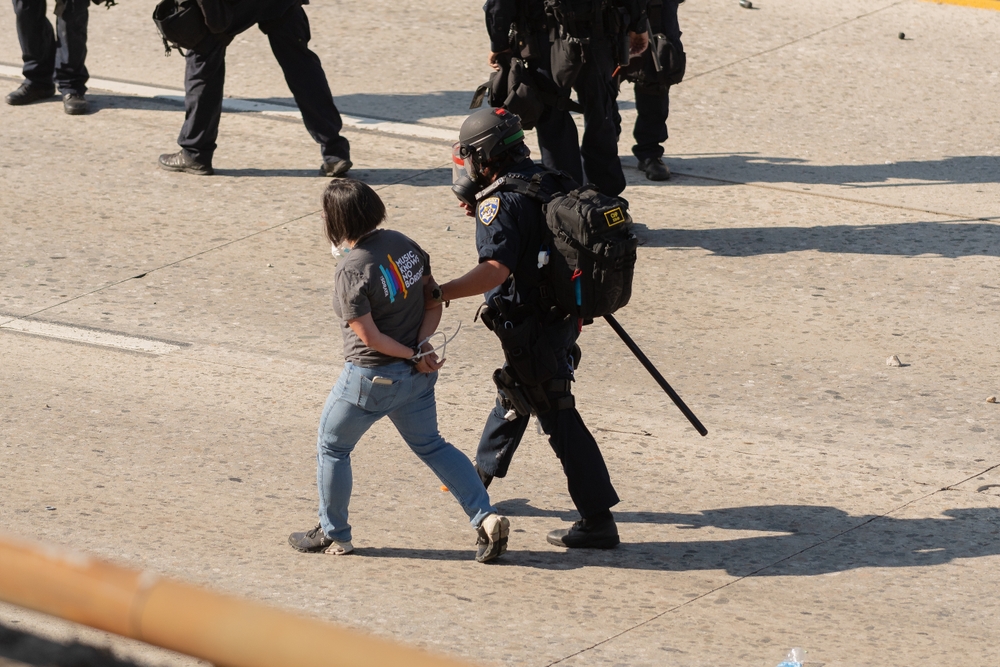
Concerns about agent safety took concrete form with the arrest of Micah Legnon earlier this month.
Legnon, a former U.S. Marine and ex-New Iberia police officer, caught the attention of federal investigators after allegedly posting threatening messages online. According to court documents, his posts referenced the 1993 Waco massacre and offered combat training to members of radical groups.
Agents arrested Legnon while he traveled toward New Orleans. Court records indicate he carried tactical gear at the time of his arrest. He remains in custody at Iberia Parish Jail, awaiting further proceedings.
His case has added another layer of tension to an already fraught situation. Federal authorities point to individuals like Legnon as evidence that threats against immigration agents are real and serious. Critics argue that isolated incidents should not be used to justify broad surveillance of peaceful protesters and concerned citizens.
A Doll and a Message
Against this backdrop of protests, arrests, surveillance, and political conflict, the voodoo doll appeared in Uptown New Orleans.
Whoever created it took time with the construction. Felt formed the body. A black vest bore the ICE acronym. A matching hat completed the uniform. Dozens of pins, in the tradition of voodoo practices that have long been associated with New Orleans and Louisiana culture, covered the figure.
Voodoo shops dot the French Quarter and other tourist areas of the city, selling dolls, potions, and artifacts connected to the religious and spiritual practices that arrived in Louisiana centuries ago with enslaved people from West Africa and the Caribbean. Whether the tree-bound doll represented genuine spiritual practice, symbolic protest, or simple provocation remains unclear.
What is clear is that Attorney General Murrill saw an opportunity to make a political statement.
“You can tell the pro-illegal immigration radicals are losing the argument when they resort to ICE voodoo dolls and harassing the Internet Crimes Against Children Task Force in New Orleans,” Murrill wrote on social media, sharing a photo of the doll with her followers.
Her reference to the Internet Crimes Against Children Task Force pointed to separate incidents in which protesters allegedly confronted federal agents involved in operations beyond immigration enforcement. Critics have accused authorities of conflating different groups and motivations to paint all opposition with the same brush.
Authorities have not announced whether they will investigate the doll as a threat, a case of vandalism, or simply an exercise of free expression. No arrests have been made in connection with its appearance.
No End in Sight

As December progresses, Operation Catahoula Crunch continues without a scheduled conclusion. Federal officials have declined to announce an end date for the enhanced enforcement in New Orleans. State and local leaders remain divided about the operation’s purpose, scope, and effects on communities across South Louisiana.
Some officials have praised the crackdown as a necessary measure to protect public safety and enforce immigration law. Others have condemned it as a politically motivated action that tears families apart and spreads fear among vulnerable populations.
For residents of New Orleans, the debate plays out not in abstract policy terms but in the daily rhythms of their lives. Will today be the day agents come to my neighborhood? Is it safe to go to work? Should I answer the door?
Meanwhile, somewhere in Uptown New Orleans, the felt doll may still hang from its tree. A small figure in a big city, stuck with pins, bearing witness to a moment when immigration policy, local culture, and political conflict collided on a quiet residential street.
No one has claimed responsibility for creating it. Perhaps no one ever will. But in a city where voodoo traditions run deep and where federal agents now walk the streets in unprecedented numbers, the message it carries, whatever that message may be, seems unlikely to fade anytime soon.
Image Source: Image Credits: Attorney General Liz Murrill / X
x.com/search?q=from%3AAGLizMurrill%20Voodoo&src=typed_query&f=top