
Your cart is currently empty!
Researchers Use Astronomy to Reveal the Historical Timing of the Crucifixion
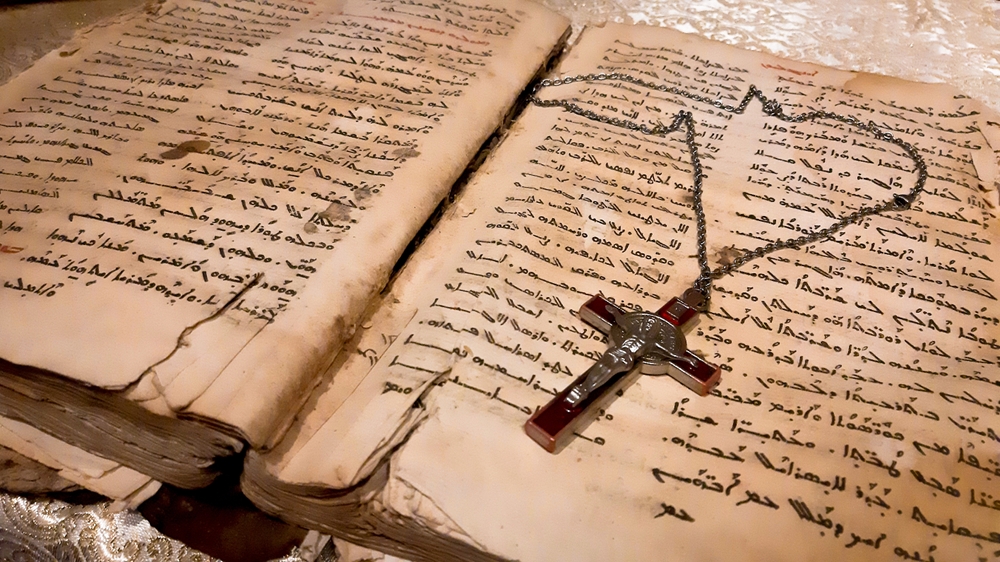
For centuries, the crucifixion of Jesus has been known through faith, art, and cultural storytelling. Yet as modern researchers explore the intersection of history and astronomy, a long-standing question continues to intrigue scholars. Can science identify the exact moment this defining event took place?
Contents
show

The Bible describes darkness covering the sky and the earth shaking but offers no precise time. This absence of detail has inspired researchers who rely on evidence rather than interpretation. Among them is preacher and author Woodrow Michael Kroll, who studied celestial movements and historical data in search of clarity. His findings open a conversation that bridges belief and observation, allowing an ancient story to be seen through the lens of modern inquiry.
The Hour That Bridged History and Nature
In the Gospel accounts, the “ninth hour” holds both historical and symbolic weight. According to ancient Jewish timekeeping, it corresponds to roughly 3:00 PM, the moment Jesus is believed to have taken his final breath. For early followers, that hour carried ritual importance. It was the time of the daily Temple offering, when incense rose into the air as a gesture of renewal and connection. To modern researchers, it now represents something even broader, a meeting point between natural rhythm and sacred narrative.
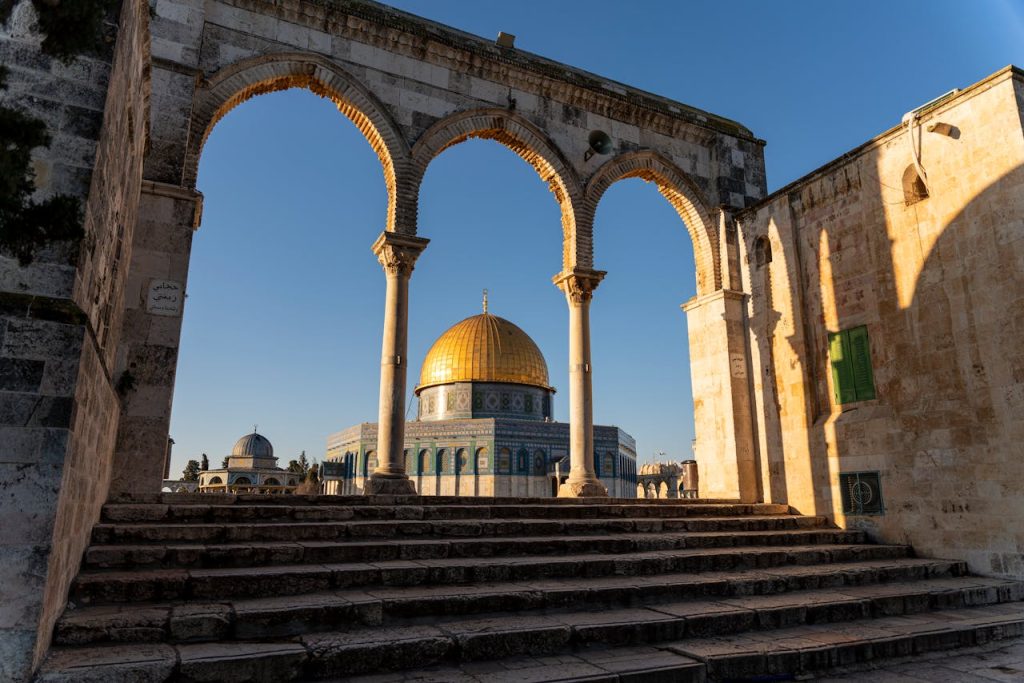
Author Woodrow Michael Kroll, in his book The Day Jesus Died, describes this moment as one of alignment between the physical and the spiritual. He writes that the ninth hour arrived “just as light begins to fade but before the day is over,” a time that reflects the delicate balance between ending and continuation. For historians and scientists, this detail is notable because it mirrors the way human rituals often correspond with natural cycles, including the setting sun and the body’s internal clock.
The number nine has been regarded for centuries as a symbol of completion, the closing of one cycle before the start of another. Kroll’s findings suggest that this interpretation may not only be spiritual but historical, as the timing of the crucifixion aligns perfectly with that moment of transition. It is a reminder that human stories and natural patterns often move together, each offering context for the other.
The Night the Sky Reflected History
For centuries, scholars and astronomers have searched the skies for evidence that aligns with biblical accounts of the crucifixion. One of the most compelling clues comes from the Book of Acts, which records that “the moon will turn to blood.” To some, this phrase has always carried poetic weight. To others, including preacher and author Woodrow Michael Kroll, it may describe an actual celestial event that took place on the evening of April 3, 33 AD.
In his book The Day Jesus Died, Kroll presents evidence that a partial lunar eclipse was visible over Jerusalem on the same night many historians believe Jesus was crucified. As the moon rose, it appeared deep red, a phenomenon caused when sunlight passes through Earth’s atmosphere and scatters shorter wavelengths of light. “Based on eyewitness, historical, and literary accounts, readers can pinpoint the hour Jesus said, ‘It is finished.’ It’s almost like being there,” Kroll writes.

The timing of the eclipse coincided with the Jewish Passover, which always takes place during a full moon. For Kroll, this connection between historical documentation and astronomical data provides a natural context for the scriptural imagery. Scientists today confirm that the reddish hue of an eclipse is a predictable result of atmospheric light scattering, yet its visual impact remains timeless. The red moon rising over Jerusalem may have been a physical reminder of transition, a visible moment when nature itself reflected human history.
The Rhythm That Connects Faith and Physiology
Before modern medicine introduced the language of hormones and sleep cycles, ancient societies already understood the value of rhythm. Their rituals of prayer, work, and rest followed the sun’s rise and fall, creating a structure that mirrored what science now calls the circadian rhythm. This natural timing system, embedded in every human cell, governs sleep patterns, hormonal balance, and the body’s ability to heal. What once appeared as spiritual discipline can now be seen as a form of biological wisdom.
In many cultures, specific hours of stillness were built into daily life. These moments of pause were meant to restore both spirit and focus, yet they also served an unseen physiological purpose. Studies in chronobiology, the science of internal clocks, show that scheduled rest lowers stress hormones, supports heart function, and sharpens attention. Weekly traditions such as the Sabbath, which emphasize renewal after work, align closely with the body’s need for recovery to maintain emotional stability and immune strength.
Author Woodrow Michael Kroll observed in his research that Jesus’ death occurred in the late afternoon, a time when the body naturally slows its activity and begins to prepare for rest. As light fades, melatonin levels rise, signaling the body to begin its nightly repair. Ancient cultures that linked prayer and ritual to these transitions were unknowingly following the same principles modern science now endorses.

The lesson remains relevant today. True restoration depends on rhythm. Aligning daily habits with natural light, sleep, and rest cycles supports both physical health and mental clarity. The connection between sacred time and biological time suggests that balance has always been humanity’s most enduring form of wellness.
The Crucifixion Through Culture and Time
Beyond theology, the crucifixion has shaped centuries of human expression. Artists, filmmakers, and writers have continually revisited the event, each generation using it as a lens to explore sacrifice, morality, and redemption. From Renaissance paintings that framed the scene in divine light to modern cinema that portrays it through human emotion, the story has evolved while its core message endures. What began as a historical occurrence became one of the most influential motifs in global culture.
Scholars often point out that these portrayals mirror their time. The restrained reverence of classical art gave way to the psychological realism of the modern era, reflecting society’s growing focus on personal experience over doctrine. Even contemporary discussions, such as the research of Woodrow Michael Kroll, demonstrate that the event continues to invite inquiry from new perspectives. His use of astronomical data to pinpoint the crucifixion’s timing bridges the distance between science and faith, showing how the same story can live through different languages of understanding.
In popular culture, this intersection of fact and symbolism remains powerful. It reminds audiences that the value of a story lies not only in its belief system but in its ability to connect across fields of art, science, and history. The crucifixion’s persistence in modern dialogue speaks less to religion alone and more to the universal search for meaning. It represents how humanity continually reinterprets its most defining moments, finding relevance in them long after the facts have been studied and the evidence confirmed.
Science and Faith in Modern Conversation
The relationship between science and faith has often been portrayed as oppositional, yet recent scholarship suggests a growing willingness to explore where the two intersect. Studies such as those by Woodrow Michael Kroll exemplify this shift. His research, which aligns astronomical data with biblical accounts, reflects a broader trend among historians and scientists who are applying analytical tools to long-standing spiritual questions. Rather than challenging belief, these efforts often deepen public understanding of how historical events are remembered and recorded.

This approach has gained traction beyond academic circles. Documentaries, university lectures, and digital media discussions are bringing ancient mysteries into modern contexts, inviting audiences to engage with them through both evidence and imagination. Streaming platforms and cultural outlets have increasingly featured programs that explore faith through the lens of science, emphasizing discovery over debate. Viewers are responding to this tone of curiosity, one that values knowledge without dismissing meaning.
The popularity of such explorations signals a cultural transition. Audiences now seek stories that respect both empirical observation and human interpretation. The research surrounding the crucifixion’s timing offers a compelling example of how data can illuminate tradition without diminishing it. In the process, it opens a broader dialogue about how we integrate science, spirituality, and storytelling in understanding who we are and where we come from.
A Moment That Continues to Inspire Inquiry
What began as an event rooted in faith has become a subject that bridges history, science, and culture. The crucifixion’s enduring relevance lies not only in its spiritual meaning but in the continual effort to understand it through evidence and interpretation. Research such as Woodrow Michael Kroll’s demonstrates how modern inquiry can coexist with belief, showing that science does not replace wonder but often deepens it.

This pursuit of understanding reflects something broader about human curiosity. Each generation revisits old questions through the tools of its time, seeking new connections between knowledge and meaning. Whether examined through astronomy, art, or philosophy, the story continues to challenge and inspire, reminding us that truth is not static. It evolves as our perspective expands.
The conversation between fact and faith, far from settled, is part of what keeps this moment alive in public consciousness. It endures not only as a matter of belief but as a shared exploration of history, evidence, and the search for significance.