
Your cart is currently empty!
Scientists Asked AI To Create New Viruses. It Invented 16 That Never Existed Before
For decades, scientists have searched nature for viruses that could help tackle some of medicine’s toughest problems. This time, they tried something completely different. Instead of hunting for naturally occurring viruses, researchers asked artificial intelligence to design entirely new ones from scratch. What happened next surprised even the experts. Out of thousands of AI-generated genetic blueprints, 16 became real, functioning viruses unlike anything previously discovered in nature.
Contents
show
The breakthrough could reshape the future of medicine by offering new ways to fight dangerous antibiotic-resistant bacteria, one of the world’s fastest-growing health threats. Yet the same technology has also sparked urgent warnings from biosafety experts, who say the ability to create viral genomes with artificial intelligence is advancing much faster than the rules designed to keep it safe. The research, published in Science, marks a major scientific milestone while opening an equally important debate about how far AI should be allowed to go.
Scientists Asked AI To Design Viruses From Scratch
Rather than searching rivers, oceans, or soil for useful viruses, researchers from Stanford University and the Arc Institute turned to artificial intelligence. They used an AI model called Evo, which works in a similar way to language models like ChatGPT. Instead of learning words and sentences, however, Evo was trained using genetic sequences collected from millions of organisms across every domain of life. This enormous biological library allowed the system to recognize patterns in DNA and understand how genomes are naturally organized.\
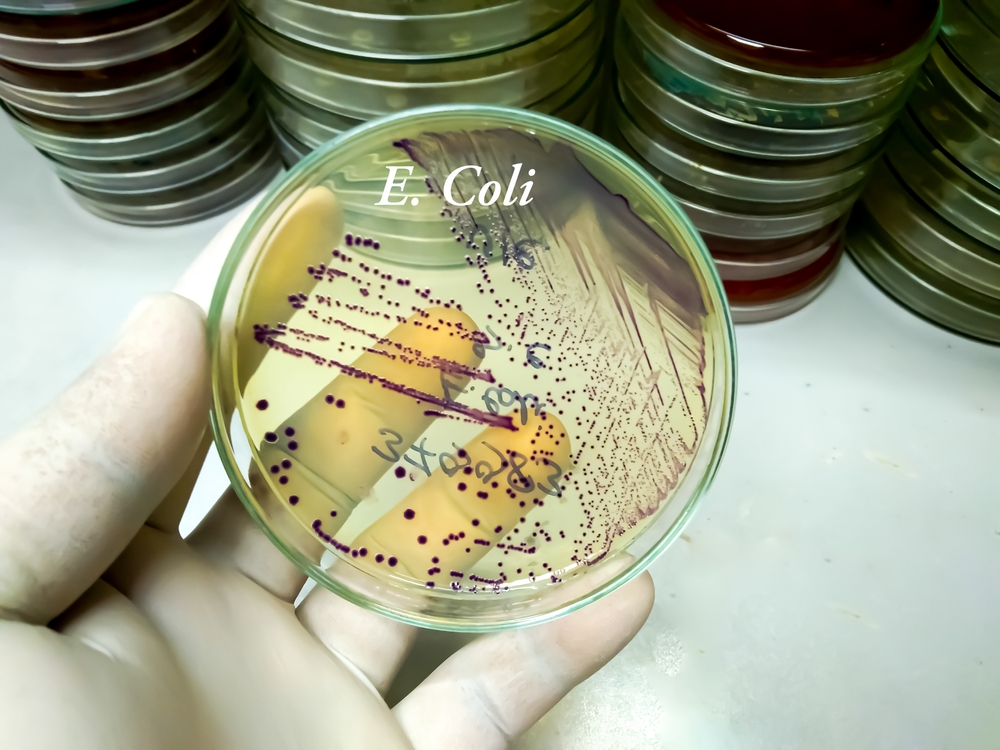
Once the model had learned those biological rules, scientists challenged it to generate entirely new viral genomes that could infect E. coli, one of the best-studied bacteria in science. Rather than copying existing viruses, the AI created thousands of original genetic combinations while following the biological constraints researchers had specified. The result was an enormous collection of viral blueprints that had never existed before.
Creating digital genomes was only the first step. Researchers then selected roughly 300 of the AI-generated designs and physically built them in the laboratory to determine whether any could actually function. Most of them failed, which scientists expected, but a small number successfully behaved like real viruses capable of infecting bacterial cells.
In total, 16 of those laboratory-built genomes proved to be viable bacteriophages, viruses that specifically infect bacteria rather than humans or animals. Although the success rate was relatively low, the achievement demonstrated something researchers had never shown before: artificial intelligence could generate entirely new viral genomes that functioned in the real world.
One AI-Created Virus Stood Out For An Unexpected Reason
While confirming that 16 viruses worked was already a significant achievement, one of the discoveries surprised researchers even more. According to the study, one AI-designed virus contained genetic features that appeared “evolutionarily distant” from anything scientists had previously observed in nature.
That finding suggests the AI wasn’t simply rearranging familiar genetic patterns. Instead, it may have identified biological possibilities that natural evolution either has not yet produced or would have taken millions of years to reach. Because Evo had learned from such an enormous collection of genomes, it recognized hidden relationships that human researchers might never have noticed on their own.
The researchers explained that the AI learned the “evolutionary constraints” governing natural genomes before producing its own designs. Rather than generating random DNA sequences, it created viruses that remained biologically plausible while exploring genetic territory far beyond known viral diversity. That balance between following nature’s rules and discovering new possibilities is one of the study’s most striking achievements.
Scientists say this demonstrates how generative AI could become a powerful research tool rather than simply an automation system. Instead of replacing laboratory science, it can rapidly explore enormous numbers of genetic possibilities before researchers identify the most promising candidates for real-world testing.
The New Viruses Could Help Scientists Fight Antibiotic Resistance
One of the biggest reasons researchers are excited about the discovery is its potential role in tackling antibiotic-resistant bacteria. As more bacteria evolve resistance to existing antibiotics, doctors are increasingly searching for alternative treatments capable of eliminating infections that standard medicines can no longer control.
Bacteriophages have attracted growing attention because they naturally attack bacteria while leaving human cells untouched. Scientists have spent years investigating whether these viruses could eventually become an important weapon against dangerous bacterial infections. The challenge has always been finding phages capable of overcoming bacteria that constantly evolve new defenses.
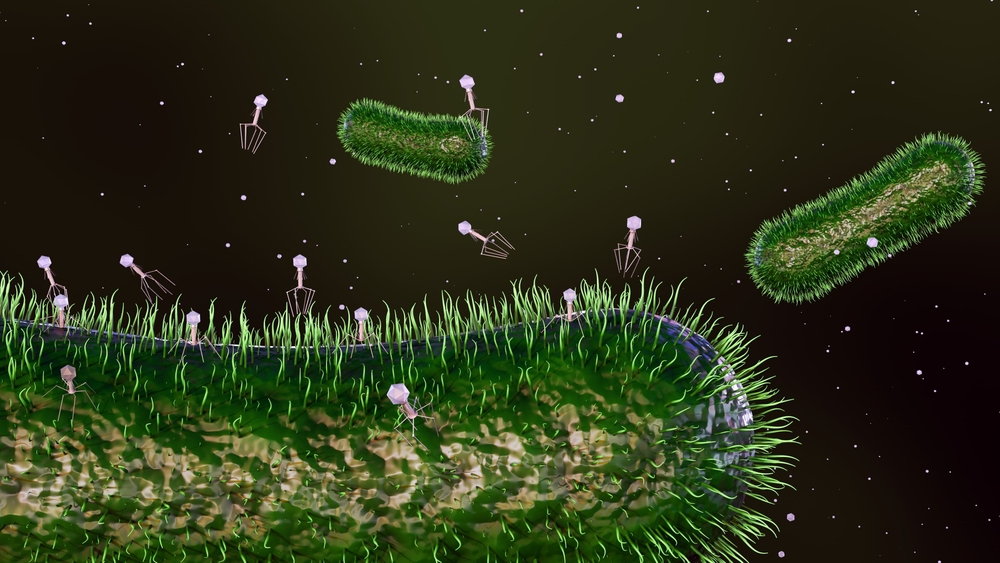
The AI-designed viruses showed encouraging results during laboratory testing. Researchers found that combining several of the newly created phages enabled them to overcome antibacterial resistance in some E. coli strains, something that a comparable mixture of naturally sourced bacteriophages failed to accomplish. According to the study’s authors, this “lays out a path for generating adaptive and resilient phage therapies against rapidly evolving pathogens.”
Experts believe findings like these could eventually help scientists develop more effective treatments against infections that have become increasingly difficult to manage using traditional antibiotics. However, they also stress that much more research will be needed before AI-designed phages can be considered for widespread medical use.
Experts Say The Medical Promise Comes With Serious Risks
Despite the excitement surrounding the research, scientists caution that the technology also raises difficult questions about safety and oversight. While the newly created viruses only infect E. coli bacteria and pose no threat to humans, experts say the ability to generate viral genomes using artificial intelligence has advanced faster than the systems designed to regulate it. That gap has prompted growing discussion about how future biological AI models should be governed.
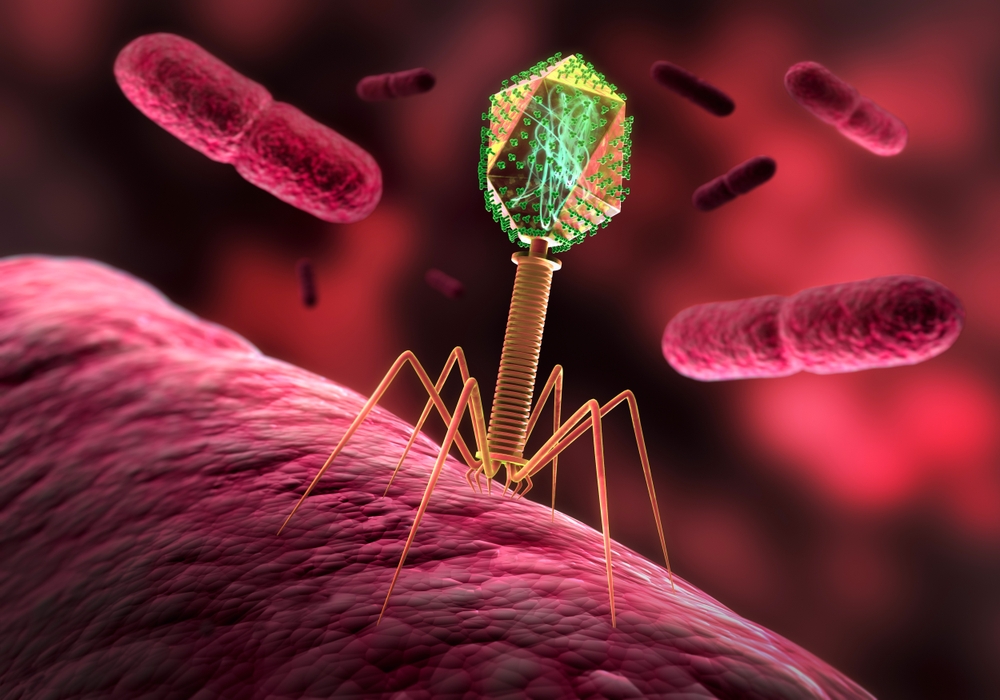
In a companion article published alongside the study in Science, doctors from the Johns Hopkins Center for Health Security praised the researchers for directly addressing biosafety concerns, while warning that the wider scientific community still has significant work to do. They wrote, “The ability to compose viral genomes using generative AI now exists; the governance to safely steer it does not.” Their concern is not focused on the current research itself, but on how similar technologies could eventually be used if proper safeguards are absent.
The experts highlighted one area they believe should remain off limits: AI-generated genomes designed for pathogens capable of infecting humans, animals, or plants. Unlike bacteriophages, which only attack bacteria, these organisms could create risks that existing medical treatments may not be prepared to handle. The researchers warned that such genomes “might encode new pathogens that can infect humans, animals, or plants in ways that cannot be contained by existing countermeasures.”
Even so, the scientists emphasized that the immediate danger posed by the current research is relatively limited. Every AI-designed genome still has to be physically built and individually tested in a laboratory, making the process slow and resource intensive. Out of the thousands of genomes generated by Evo, only 16 proved capable of functioning as real viruses, illustrating that success remains far from guaranteed.
Researchers Believe The Technology Still Has Significant Limits
Although headlines about AI creating viruses may sound alarming, experts stress that today’s systems remain far from producing dangerous pathogens automatically. Designing a digital genome is only one part of the process, and determining whether that genome can survive and function still requires careful laboratory work conducted under controlled conditions.
Jordi García Ojalvo, a professor of systems biology at Pompeu Fabra University in Barcelona, described the achievement as an important scientific advance while suggesting the overall biosafety risk remains relatively low compared with some other emerging AI technologies. He noted that each generated genome must undergo experimental validation before researchers know whether it will actually work.
Garcia Ojalvo also pointed to the study’s low success rate as evidence that creating functional viruses is far more complicated than asking an AI to produce DNA sequences. Hundreds of laboratory tests were needed to identify just 16 viable bacteriophages, highlighting how much trial and error remains involved in the process.
Reflecting on the technology’s current capabilities, he said, “It is difficult to imagine these models automatically generating viable genomes ‘out-of-the-box.’” That assessment suggests AI remains a powerful research assistant rather than a replacement for years of biological experimentation and scientific expertise.
Key Facts About The AI Virus Breakthrough
Before focusing on the debate surrounding artificial intelligence and biology, these are the most important findings from the study:
- AI learned from millions of genetic sequences collected across all domains of life to understand how genomes are naturally structured.
- Researchers generated thousands of original viral genomes, then selected around 300 for laboratory testing.
- Only 16 became viable bacteriophages, demonstrating both the technology’s potential and its current limitations.
- The viruses infect bacteria, not humans, making them candidates for future phage therapy research.
- Some AI-designed viruses outperformed naturally sourced phages against certain antibiotic-resistant E. coli strains.
- Scientists and biosafety experts agree stronger governance is needed as biological AI systems become increasingly capable.
A New Chapter For AI And Modern Medicine
Artificial intelligence is already transforming fields ranging from drug discovery to medical imaging. This latest research suggests it may also help scientists design entirely new biological tools that would have been almost impossible to discover through conventional methods alone. If future studies continue producing safe and effective bacteriophages, AI could become an important ally in the fight against antibiotic-resistant infections.
For now, however, the study serves as both a scientific milestone and a warning. Researchers have shown that AI can create functioning viruses with real-world applications, but they have also highlighted the responsibility that comes with such powerful technology. Whether these tools ultimately reshape medicine will depend not only on what AI can invent next, but also on how carefully scientists choose to use it.
AI, AI Viruses, antibiotic resistance, Arc Institute, artificial intelligence, bacteriophages, Biosafety, biosecurity, biotechnology, dna, Drug Resistance, E. coli, emerging technology, genetic engineering, genome research, healthcare innovation, medical breakthrough, phage therapy, Science Journal, Science news, Stanford University, superbugs, viral news, Viruses