
Your cart is currently empty!
Scientists Discover a Way to Regrow Worn Knee Cartilage, Offering New Hope for Arthritis Patients
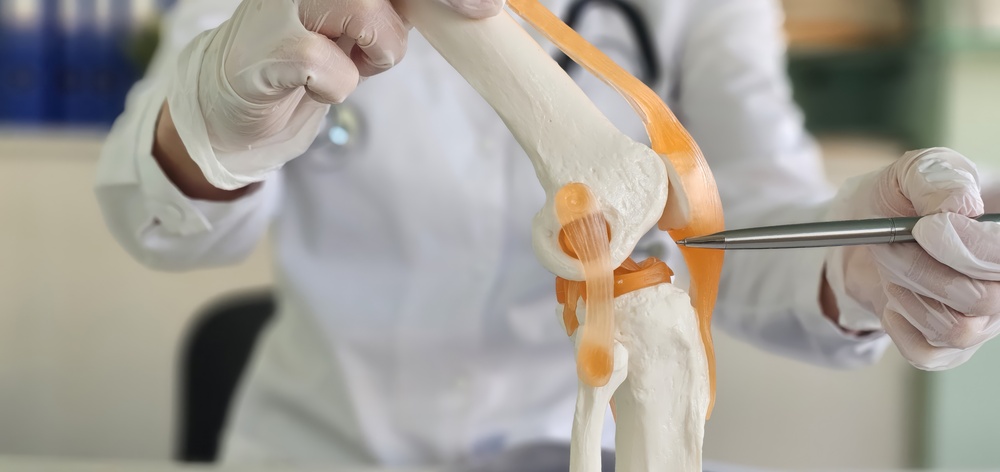
Millions of people struggle with painful knees as aging gradually wears away the cartilage that protects their joints. Now, scientists have discovered a way to regrow damaged knee cartilage in older mice by blocking a protein that increases with age, raising hopes for a future treatment that could help repair joints without major surgery.
Contents
show
The research, led by scientists at Stanford Medicine and published in Science, also produced encouraging results in human cartilage samples taken from patients undergoing knee replacement surgery. The experimental treatment prompted the tissue to begin regenerating cartilage, suggesting that existing cells may retain more repair potential than previously thought. Although human clinical trials are still needed, the findings could eventually lead to medicines that help people with osteoarthritis regain joint function and potentially reduce their need for knee or hip replacements.
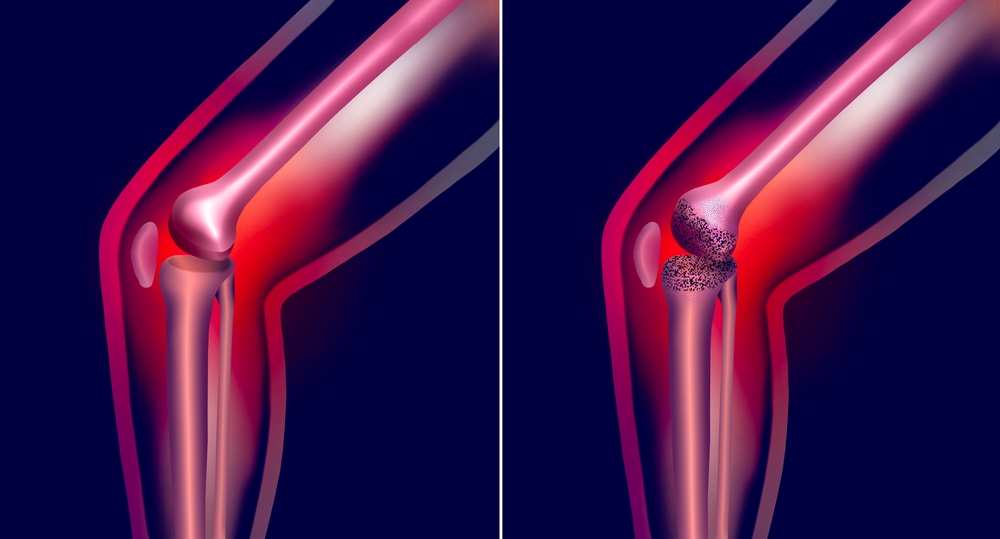
Scientists Reversed Cartilage Loss in Older Mice
The research team focused on a protein called 15-PGDH, which becomes more abundant as the body ages and contributes to the decline of tissue function. The scientists found that levels of this protein roughly doubled in the knee cartilage of older mice compared with younger animals. They then used a small-molecule drug to block its activity, testing both injections delivered throughout the body and treatment administered directly into the knee joint.
The results were striking. Cartilage that had become thinner and less functional grew thicker after treatment, restoring tissue across the surface of the joint. Importantly, the regenerated tissue was hyaline cartilage, the smooth type that allows bones to glide against one another with minimal friction. Producing the right kind of cartilage is essential because different cartilage types have different structures and functions.
Nidhi Bhutani, an associate professor of orthopaedic surgery at Stanford Medicine and a senior author of the study, said, “Cartilage regeneration to such an extent in aged mice took us by surprise,” describing the effect as remarkable. The discovery offers a potential new direction for treating age-related joint damage, although researchers have yet to establish whether the same results can be achieved safely inside human knees.
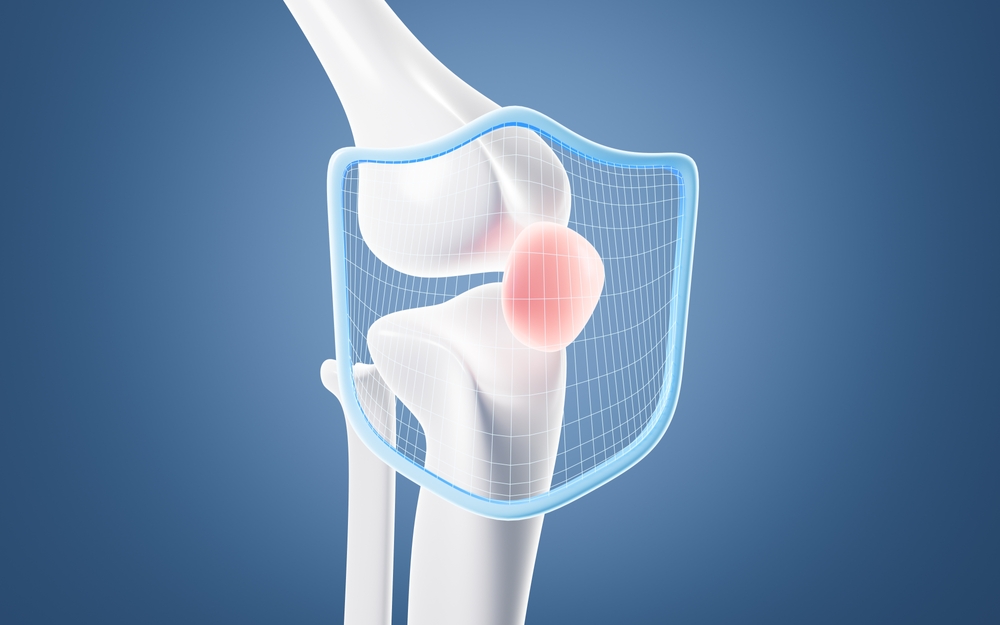
The Aging Protein That Could Change Arthritis Treatment
The protein 15-PGDH has attracted attention because of its role in several age-related changes throughout the body. Researchers have described it as a “gerozyme,” a term for enzymes that become more abundant with age and contribute to the gradual loss of tissue function. Earlier research from the same laboratory found that blocking this protein increased muscle mass and endurance in older mice, while increasing its activity in young animals caused their muscles to shrink and weaken.
The team wanted to know whether the same biological mechanism contributed to cartilage deterioration. Their experiments revealed that blocking 15-PGDH could encourage cartilage cells to change their gene activity and adopt patterns associated with healthier tissue. The finding was particularly interesting because researchers had initially expected stem cells to play a role in the regeneration process.
Helen Blau, a professor of microbiology and immunology at Stanford Medicine and a senior author of the research, explained, “This is a new way of regenerating adult tissue, and it has significant clinical promise for treating arthritis due to aging or injury.” She added that the researchers had been looking for stem cells, but their findings indicated that stem cells were clearly not involved. Instead, existing cartilage cells appeared capable of changing their behaviour in ways that supported regeneration.

Why Osteoarthritis Can Be So Difficult to Reverse
Osteoarthritis is a degenerative joint disease in which protective cartilage gradually breaks down, leaving bones with less cushioning during movement. The condition can cause pain, swelling, stiffness and difficulty performing everyday activities. According to the supplied research report, it affects approximately one in five adults in the United States and accounts for an estimated $65 billion in direct healthcare costs annually.
As cartilage deteriorates, its cells can produce inflammatory molecules while breaking down collagen, a structural protein that helps the tissue maintain its strength. The cartilage becomes thinner and softer, reducing its ability to distribute pressure across the joint. Aging can contribute to this process, while injuries and other forms of joint stress can also increase the risk of developing osteoarthritis.
Current treatments can help patients manage pain and maintain mobility, but they cannot reliably restore cartilage that has already been lost. Physical therapy, appropriate exercise, pain management and lifestyle adjustments may help control symptoms, while severe cases can require knee or hip replacement surgery. The Stanford research could eventually offer another option by targeting the biological processes involved in cartilage loss rather than focusing exclusively on its symptoms.

The Experimental Drug Also Protected Injured Knees
The scientists investigated whether blocking 15-PGDH could protect joints after traumatic injuries similar to anterior cruciate ligament, or ACL, tears. These injuries are common in sports involving sudden stops, jumping and rapid changes of direction, including soccer, basketball and skiing. Although surgery can repair a torn ligament, patients may still face an increased risk of developing osteoarthritis in the affected knee years later.
The supplied research report estimates that approximately 50% of people who experience ACL injuries develop osteoarthritis in the affected joint within about 15 years. To investigate whether the experimental drug could reduce this risk, researchers studied mice with knee injuries designed to resemble ACL-related damage. The animals received the inhibitor twice weekly for four weeks following the injury.
Mice that received the treatment were dramatically less likely to develop osteoarthritis than animals given a control drug. The treated animals also moved more normally and placed more weight on the paw attached to their injured leg. Meanwhile, the control group developed signs of osteoarthritis within four weeks, suggesting that blocking the aging-related protein could potentially help protect vulnerable joints following injury.
Researchers Found That Existing Cartilage Cells Could Change
The team examined cartilage cells called chondrocytes to understand why the treatment appeared to work. Older cells displayed increased activity in genes associated with inflammation and cartilage degradation, while genes involved in healthy cartilage development were less active. Treatment shifted these patterns toward those associated with maintaining hyaline cartilage and supporting the extracellular matrix, the network of proteins and molecules that gives cartilage its structure.
One population of cells associated with 15-PGDH and cartilage degradation decreased from 8% of cells to 3% after treatment. Another population associated with fibrocartilage formation fell from 16% to 8%. Meanwhile, a group of cells linked to hyaline cartilage formation and extracellular matrix maintenance increased from 22% to 42%, suggesting that the treatment changed the balance of cell activity inside the tissue.
These changes indicate that cartilage regeneration may occur through a different mechanism from the stem-cell-based approaches scientists have investigated in other tissues. Rather than introducing new cells, the experimental drug appeared to encourage existing cartilage cells to adopt a healthier biological state. If further research confirms the mechanism, it could help scientists develop treatments that target the ageing processes responsible for joint deterioration.
Human Cartilage Also Responded to the Treatment
The researchers then tested the inhibitor on cartilage samples collected from people with osteoarthritis who were undergoing total knee replacement surgery. After one week of treatment, the human tissue contained fewer cartilage cells expressing 15-PGDH. The scientists also observed reduced activity in genes associated with cartilage degradation and fibrocartilage formation, alongside signs that the samples were beginning to regenerate articular cartilage.
Nidhi Bhutani said, “The mechanism is quite striking and really shifted our perspective about how tissue regeneration can occur.” She explained that a large population of existing cartilage cells appeared to be changing its gene expression patterns. The findings suggest that researchers may be able to target these cells to encourage regeneration, although the laboratory results do not yet establish that the treatment can rebuild cartilage inside a living person.
There is an important difference between cartilage regenerating in a laboratory sample and cartilage repairing itself inside a working knee. Human joints must withstand constant movement and pressure, and any regenerated tissue would need to remain durable over time. Researchers will therefore need clinical trials to determine whether the approach is safe, effective and capable of improving symptoms in patients with osteoarthritis.
Could This Reduce the Need for Knee Replacement Surgery?
The possibility of restoring cartilage through medication could eventually change treatment options for people with advanced joint damage. Knee and hip replacements can provide substantial relief for patients whose osteoarthritis has become severe, but surgery involves recovery time and potential complications. A medicine that reliably repairs damaged cartilage could potentially delay or reduce the need for some joint replacement procedures.
According to Blau, Phase 1 clinical trials of a 15-PGDH inhibitor for muscle weakness have shown that the drug was safe and active in healthy volunteers. Those trials concern a different age-related condition, however, and do not prove that the treatment is safe or effective for cartilage regeneration. A separate clinical trial would be needed to investigate its use in people with damaged joints.
Researchers still need to establish whether the drug can regenerate cartilage in living patients, whether the results last over time and which people might benefit most. They must also determine whether treatment can prevent osteoarthritis after an injury or improve the symptoms of people who already have the disease. For now, the findings provide a compelling reason to investigate a treatment that targets the biological causes of cartilage deterioration.
If future clinical trials confirm the results, doctors could eventually have a way to help damaged joints repair themselves without immediately resorting to surgery. For millions of people facing worsening knee pain, the prospect of rebuilding cartilage with a medicine could offer a new treatment option that current arthritis care cannot reliably provide.
Sources:
- Stanford Medicine. (2026, October 6). Goodbye joint replacements? Stanford scientists found a way to regrow cartilage and stop arthritis. ScienceDaily. https://www.sciencedaily.com/releases/2026/10/261005011249.htm
- Mamta Singla | Stanford Medicine. (n.d.). CAP Profiles. https://med.stanford.edu/profiles/mamta-singla