
Your cart is currently empty!
Scientists Successfully Trigger Sleep’s Biggest Brain Benefit Without Putting Mice to Sleep
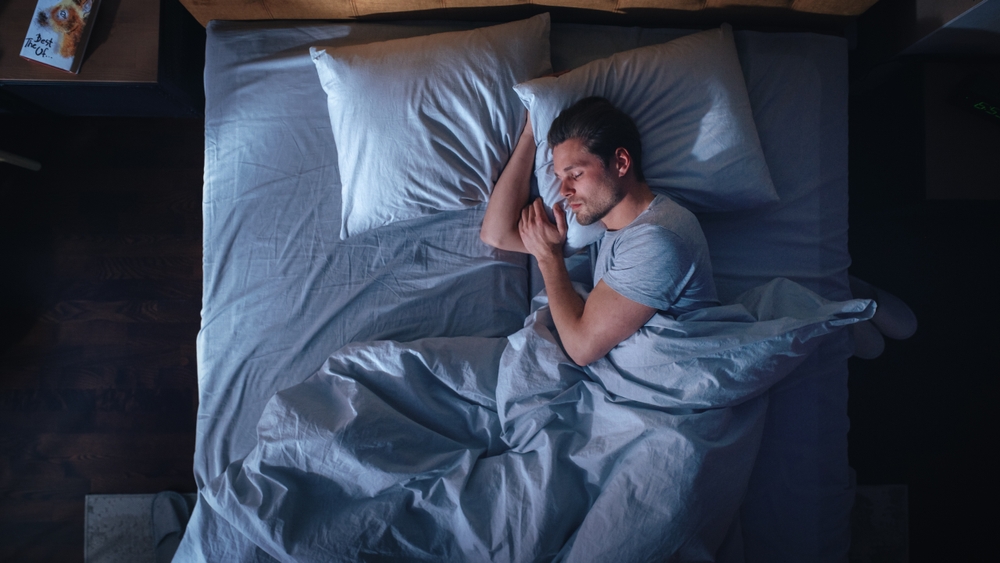
Sleep has always been considered one of the few biological necessities that simply cannot be replaced. While scientists have developed treatments for countless medical conditions and created technologies that can mimic everything from heartbeats to artificial limbs, the brain has remained stubbornly dependent on several hours of uninterrupted sleep every night. No pill, device, or stimulant has ever managed to reproduce everything that happens while we sleep, leaving researchers with one of biology’s greatest unsolved puzzles.
Contents
show
Now, a new study has brought scientists one step closer to understanding whether at least part of sleep can be recreated artificially. Researchers at the University of Wisconsin-Madison have successfully induced a sleep-like pattern of brain activity in mice while the animals remained awake, producing effects that closely resemble those normally achieved through deep sleep. The findings, published in Nature Neuroscience, suggest that one of sleep’s most important restorative mechanisms may not require the entire brain to be asleep, opening an entirely new direction for neuroscience research.
Although the discovery is still confined to laboratory animals, it has generated considerable excitement because of what it could eventually mean for millions of people living with chronic sleep deprivation, neurological disorders, or memory problems. Scientists caution that this is not a shortcut that allows people to replace a full night’s sleep, but it does provide some of the strongest evidence yet that one of the brain’s key repair mechanisms can be activated independently under carefully controlled conditions.
Scientists Wanted to Answer One Fundamental Question About Sleep
For decades, neuroscientists have understood that sleep plays a critical role in learning, memory, emotional regulation, and overall brain health. People who consistently sleep too little experience slower reaction times, impaired concentration, weaker memory, and a higher risk of developing conditions ranging from depression to cardiovascular disease. Yet despite decades of research, one basic question has remained unanswered. What exactly is sleep doing inside the brain that makes it so essential? While many biological processes occur during sleep, identifying which ones are responsible for its restorative effects has proven remarkably difficult.
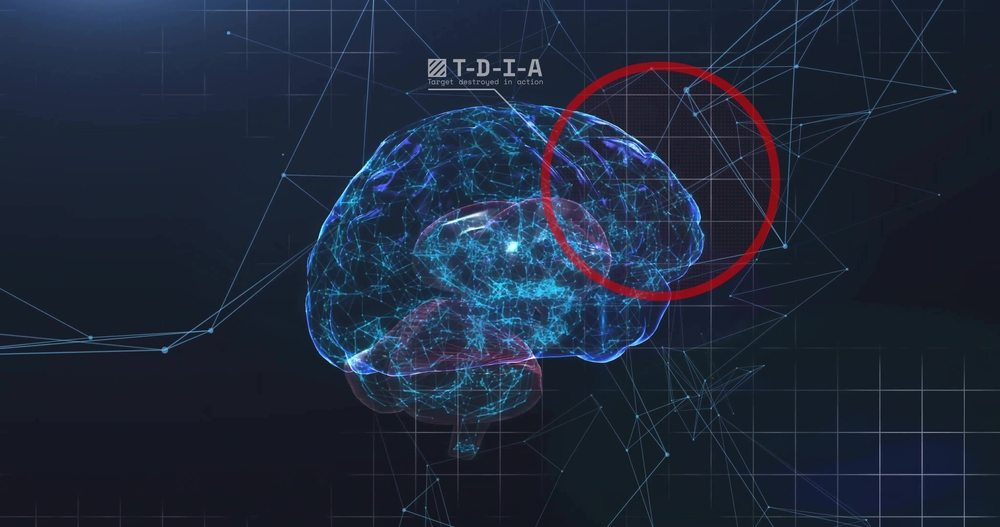
The Wisconsin research team focused on the stage known as non-rapid eye movement sleep, or NREM sleep, which accounts for roughly 80 percent of a typical night’s rest. During this stage, billions of neurons throughout the brain begin firing in a highly synchronized rhythm. Instead of remaining continuously active, groups of neurons rapidly alternate between brief periods when nearly every cell fires together and equally brief moments when they all fall silent. These repeating cycles create the slow-wave activity seen on electroencephalograms during deep sleep and have long been associated with the brain’s recovery process.
Researchers have spent years debating whether these slow waves are simply a sign that the brain is sleeping or whether they are actually responsible for many of sleep’s restorative effects. The team behind the new study believed the synchronized firing pattern itself might be doing much of the heavy lifting. If they could artificially reproduce this pattern while animals remained awake, they could determine whether the slow waves actively repair the brain or merely accompany other restorative processes taking place during sleep.
The Brain’s Daily Workload May Explain Why Sleep Is Essential
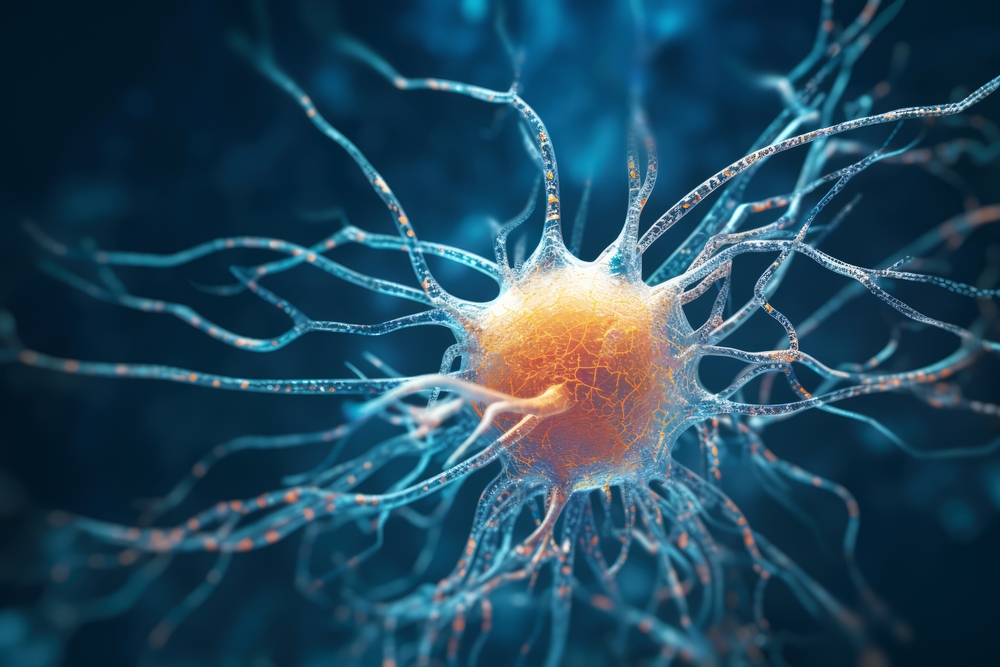
The study builds upon a long-standing idea known as the synaptic homeostasis hypothesis, first proposed by members of the same research team. According to this theory, every experience throughout the day strengthens tiny connections between neurons called synapses. Learning a new language, solving a difficult problem, remembering directions, or even having a conversation requires these neural connections to become stronger. While this constant strengthening allows people and animals to learn from experience, it also creates an accumulating burden inside the brain.
If those synapses continued strengthening without interruption, the brain would eventually become inefficient. Neural networks would consume more energy, memory storage would become saturated, and learning new information would become increasingly difficult. Scientists believe sleep solves this problem by gently reducing the strength of synaptic connections across the brain while preserving the most important memories. This overnight reset restores learning capacity and prepares the brain for another day of processing new experiences.
The challenge has always been proving that this reset is caused by the slow-wave activity seen during deep sleep. Previous studies established a strong relationship between slow waves and synaptic recovery, but correlation alone could not establish cause and effect. The Wisconsin researchers designed their experiment to isolate this single component of sleep, allowing them to observe whether recreating the brain’s natural firing rhythm would produce the same restorative changes even while the animals remained awake. If successful, it would provide direct evidence that these synchronized brain waves perform one of sleep’s most important biological functions rather than simply appearing alongside it.
Researchers Used Light to Create Artificial Sleep Patterns
To carry out the experiment, scientists implanted tiny recording probes into matching locations on both sides of each mouse’s brain. One side contained an optical fiber capable of delivering precisely timed flashes of light, while the opposite hemisphere acted as an internal control for comparison. This setup allowed researchers to manipulate neural activity in one region while leaving the corresponding area untouched, giving them an unusually accurate way to measure the effects of their intervention.
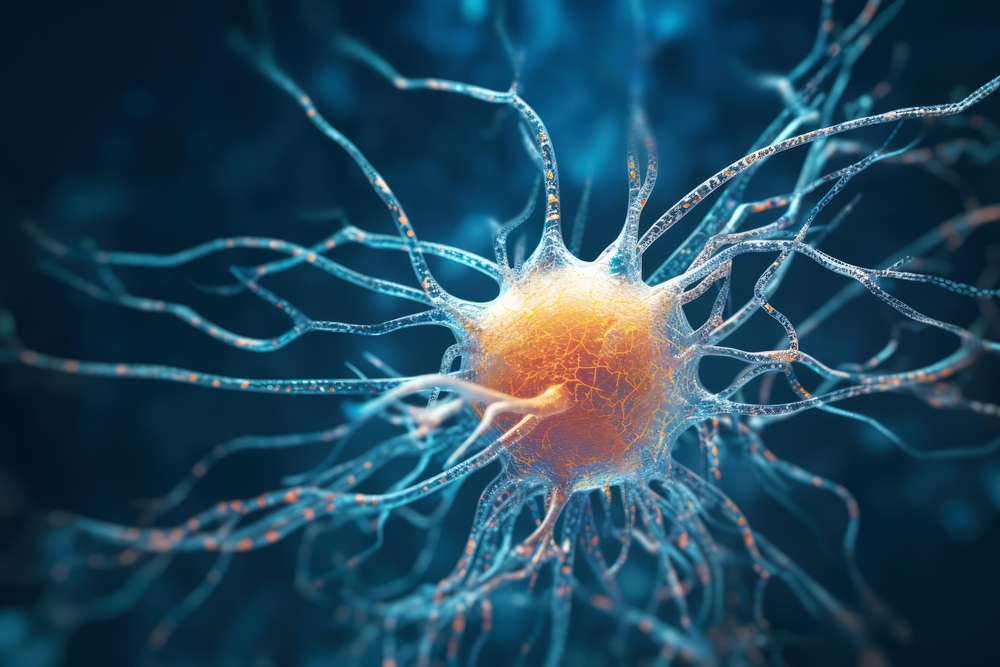
The technique relied on optogenetics, one of the most advanced tools available in modern neuroscience. Researchers first introduced a light-sensitive protein into carefully selected neurons, allowing those cells to respond instantly whenever exposed to pulses of light. By controlling the timing of each pulse with millisecond precision, scientists could force neurons to switch between active and inactive states, closely reproducing the same on-and-off firing rhythm normally seen during deep non-REM sleep. Two different mouse models were used to ensure the findings were not dependent on a single method of stimulation, and both produced remarkably similar patterns of brain activity.
One model activated inhibitory neurons that naturally suppress surrounding brain cells, effectively triggering the brain’s own internal “off switch.” The second model acted directly on excitatory neurons, which are responsible for transmitting signals throughout the cortex. Although the underlying biological mechanisms differed, both approaches generated slow-wave activity that closely resembled natural deep sleep. This consistency strengthened the researchers’ confidence that the observed effects were linked to the synchronized firing pattern itself rather than the specific technique used to create it.
The Brain Began Acting as Though It Had Already Slept
One of the most revealing parts of the study involved keeping mice awake for five hours, a period long enough to build substantial sleep pressure. During the final 30 minutes of this sleep deprivation period, researchers activated the artificial slow-wave pattern in one side of the brain using carefully timed light pulses. Almost immediately, brain recordings showed activity that closely matched the synchronized rhythms normally seen during natural deep sleep, even though the animals remained fully awake throughout the procedure.
When the mice were finally allowed to sleep naturally, researchers observed something they had not expected. The side of the brain that had received the artificial stimulation showed significantly lower levels of slow-wave activity during the first hour of sleep compared with the untreated hemisphere. Because slow-wave activity is widely regarded as a measure of accumulated sleep pressure, the findings suggested that part of the brain had already completed some of its restorative work before the animals actually went to sleep. In effect, that region behaved as though it had already received part of the recovery normally achieved during deep sleep.
Corresponding author Dr. Chiara Cirelli explained the significance of the findings by saying, “What we’re essentially doing is forcing sleep in a local region of the brain. While that part is solidifying memories and restoring learning capacity, other parts stay aware/vigilant and connected to the environment.” To verify that the rhythmic pattern itself was responsible, the researchers conducted another experiment in which they merely reduced neuronal activity without reproducing the alternating on-and-off rhythm. That approach failed to reduce sleep pressure, demonstrating that the synchronized firing pattern, rather than simply making neurons less active, appears to be the critical ingredient behind the brain’s restorative response

Artificial Sleep Also Restored Learning and Memory
Observing changes in brain activity was only part of the experiment. The researchers also wanted to know whether these artificial sleep patterns could produce real improvements in learning and memory. To answer that question, they gave the mice a floor texture recognition task, a well-established test that depends on the sensorimotor cortex, the same brain region targeted during the stimulation. After completing the learning phase, the animals were divided into three separate groups. One group was allowed to sleep normally, another was kept awake for an additional hour, and a third group remained awake but received the artificial slow-wave stimulation throughout the period they would otherwise have been sleeping.
When the mice were tested again 24 hours later, the differences between the groups were striking. As expected, the sleep-deprived mice performed noticeably worse, struggling to recognize the textures they had previously learned. The mice that slept normally performed much better, confirming sleep’s well-known role in consolidating memory. The surprise came from the third group. Despite remaining awake, the animals that received the artificial brain stimulation performed almost identically to the well-rested mice, suggesting that recreating this specific pattern of neuronal activity had preserved their ability to retain what they had learned.
Researchers also ruled out another possible explanation for the results. The amount of sleep each mouse had received before the experiment showed no relationship with its later performance, indicating that the improvement could not be explained by differences in previous rest. Instead, the evidence pointed directly to the artificially induced slow-wave activity as the factor responsible for restoring learning capacity. For neuroscientists, this finding strengthens the idea that these synchronized brain rhythms are not simply associated with memory formation but actively contribute to preserving it.

The Study Could Change How Scientists Think About Sleep Disorders
Although the research was conducted exclusively in mice, its implications extend far beyond laboratory animals. Millions of people worldwide live with chronic sleep deprivation because of demanding work schedules, medical conditions, insomnia, shift work, or caregiving responsibilities. Long-term sleep loss has been linked to impaired concentration, weakened immunity, metabolic disorders, cardiovascular disease, anxiety, depression, and an increased risk of cognitive decline. Finding ways to reproduce even part of sleep’s restorative effects has therefore become one of neuroscience’s most ambitious goals.
The findings also provide fresh support for the idea that sleep is not a single process but a collection of highly specialized biological mechanisms. If scientists can identify which specific brain activities are responsible for different aspects of sleep, they may eventually develop therapies that target individual functions rather than attempting to replace sleep altogether. Artificially reproducing slow-wave activity could one day become part of treatments designed to protect memory, accelerate recovery after neurological injuries, or reduce the cognitive effects of sleep disorders. Such applications remain years away, but this study provides an important proof of concept that some restorative brain functions can be activated independently.
Scientists are careful to emphasize that this does not mean people will eventually eliminate sleep from their daily lives. Deep sleep is only one stage of a much more complex biological cycle. Throughout the night, the brain moves through multiple sleep stages, each associated with different physiological functions. Rapid eye movement sleep, for example, plays an important role in emotional regulation, dreaming, creativity, and processing experiences, while other stages contribute to hormone regulation, immune function, and tissue repair. The new research focuses on only one component of this intricate system, leaving many other essential processes untouched.
Why This Discovery Matters, But Does Not Replace a Good Night’s Sleep
Another reason the study has attracted attention is its potential relevance to age-related cognitive decline and neurological diseases. Poor sleep has long been associated with conditions such as Alzheimer’s disease, with numerous studies suggesting that disrupted sleep may accelerate the accumulation of harmful proteins inside the brain while interfering with memory formation. Although the Wisconsin study did not investigate Alzheimer’s directly, it demonstrated that restoring one important feature of deep sleep was enough to preserve memory performance in sleep-deprived animals. That insight could eventually help researchers design new approaches for slowing cognitive deterioration in vulnerable patients.
Amy Bany Adams, acting director of the National Institute of Neurological Disorders and Stroke, described the broader importance of the work by saying, “This research further decodes why we sleep and how we learn, which brings us a step closer to understanding how to better prevent and treat cognitive decline.” Her comments reflect the growing belief among neuroscientists that understanding sleep at the cellular level may ultimately reveal new ways to protect the brain throughout life. Every new discovery helps explain why sleep is so fundamental to memory, learning, and healthy brain function.
Even with these promising findings, researchers stress that healthy sleep remains irreplaceable. The experiment relied on optogenetics, a highly specialized laboratory technique that requires genetic modification of neurons and precisely controlled light stimulation. It cannot currently be applied to healthy people and was designed only to investigate basic brain mechanisms. What the study has achieved is not the creation of an artificial substitute for sleep, but a deeper understanding of one of the brain’s most remarkable repair systems. That knowledge could eventually inspire future therapies, but for now the most effective way to protect memory, learning ability, and long-term brain health is still the simplest one: getting enough natural sleep every night.
Sources:
- Driessen, K., Squarcio, F., Tononi, G., & Cirelli, C. (2026). Induction of cortical on/off periods in awake mice fulfills sleep functions. Nature Neuroscience. https://doi.org/10.1038/s41593-026-02318-9
- Center for Sleep and Consciousness. (n.d.). Center for Sleep and Consciousness. University of Wisconsin–Madison. https://centerforsleepandconsciousness.psychiatry.wisc.edu