
Your cart is currently empty!
Scientists Discover Vast Underground ‘Fungal Forest’ That Contains Nearly Half The World’s Hidden Biomass
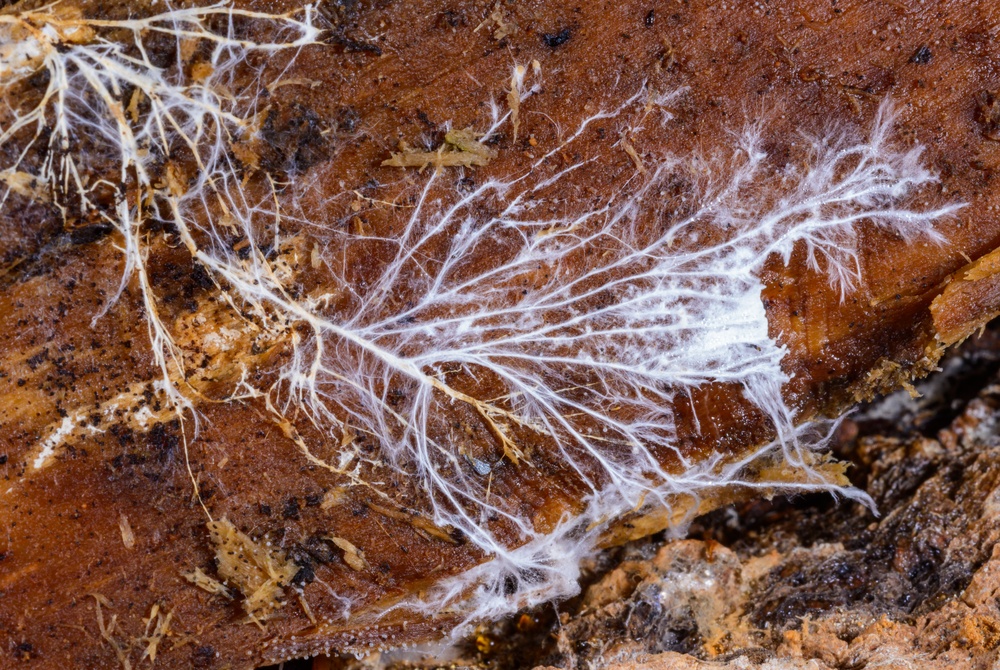
Beneath the forests, grasslands, wetlands, and fields that cover our planet lies a living network so vast that researchers struggled to comprehend its true scale. For decades, scientists knew that microscopic fungi formed partnerships with plants underground, helping them exchange nutrients and survive. What they did not know was just how enormous this hidden system had become. A new global analysis has now revealed that the fungal threads woven through Earth’s soil collectively span a distance so staggering that it pushes beyond ordinary comparisons and into the realm of interstellar space.
Contents
show
The newly mapped network is made up of arbuscular mycorrhizal fungi, organisms that connect with most of the world’s land plants through intricate underground structures. After analyzing thousands of soil samples collected across the globe, researchers calculated that if every fungal thread were laid end to end in a straight line, they would stretch roughly 68 quadrillion miles. That is nearly a billion times the distance between Earth and the Sun and enough to reach Proxima Centauri, the closest known star to our solar system, and return. The findings offer a striking reminder that some of the largest structures on Earth are completely invisible to the human eye.
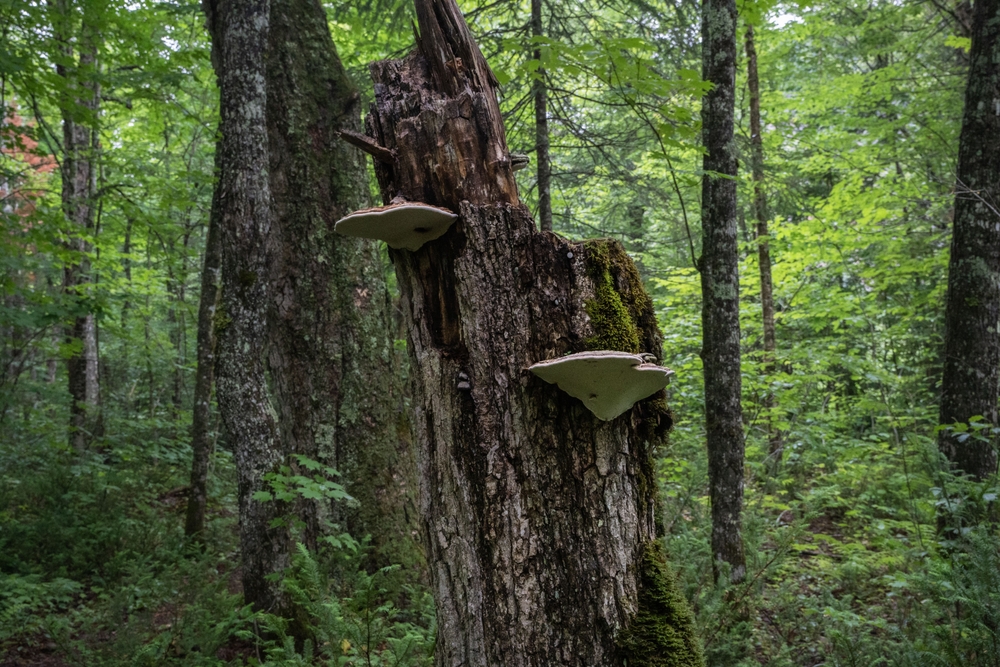
The Underground Network That Keeps Plants Alive
The fungal system is made up of tiny branching filaments called hyphae. These microscopic threads spread through the soil and attach themselves to plant roots, forming a partnership that has existed for hundreds of millions of years. Plants provide the fungi with carbon produced through photosynthesis, while the fungi gather nutrients such as phosphorus and nitrogen from the surrounding soil and transport them back to their plant partners.
Scientists often describe these fungal networks as natural transportation systems because they move essential resources across vast underground distances. Their role is so important that most land plants depend on these relationships to grow and survive. Without them, many ecosystems would look dramatically different from the landscapes we know today.
Researchers found an average hyphal density of 237 feet per cubic inch of topsoil worldwide. When multiplied across Earth’s terrestrial ecosystems, the result is a network of almost unimaginable size. What appears to be ordinary soil is actually packed with living structures that rival some of the largest biological systems ever discovered.
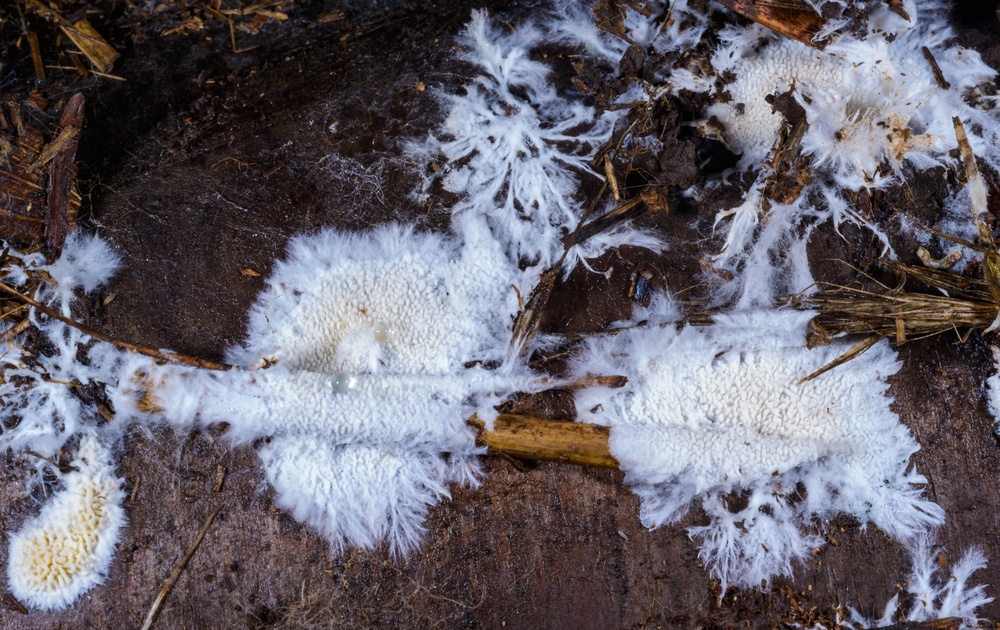
Researchers Found The Densest Fungal Forest On Earth
One of the study’s biggest surprises was the discovery that wild grasslands contain some of the densest fungal concentrations on the planet. While forests often receive the most attention when discussing biodiversity and carbon storage, the underground world beneath grasslands appears to be equally remarkable.
High-altitude grasslands and flooded grasslands showed especially high fungal densities. Regions such as Florida’s Everglades were identified as major hotspots, with the upper layers of soil containing extraordinary amounts of fungal biomass. Researchers estimate that around 40% of the world’s fungal biomass exists within just the top six inches of soil in these ecosystems.
Justin Stewart described the significance of the finding in striking terms. “This is the most dense fungal forest on Earth, and they’re under wild grasslands,” Stewart said. “It’s changing the way that we’re discussing how life is distributed on Earth.”
The discovery is already reshaping how scientists think about conservation priorities. Grasslands are often overlooked compared with forests, yet the research suggests they play a critical role in supporting one of the planet’s most important biological networks.
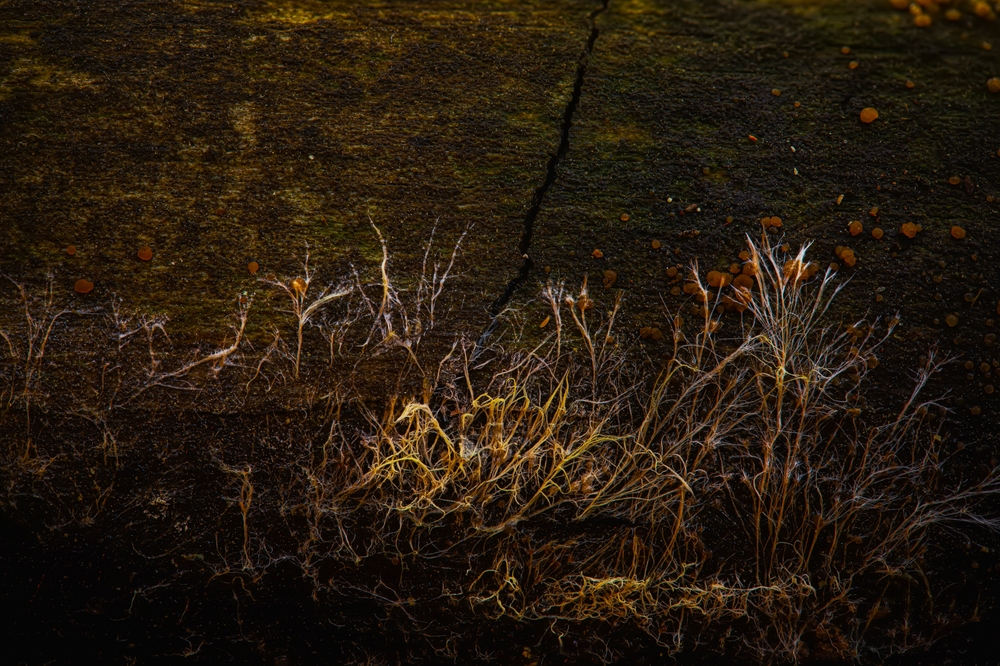
These Tiny Organisms Capture Vast Amounts Of Carbon
The fungal networks do far more than support plant growth. They also play a major role in regulating Earth’s carbon cycle. As plants transfer carbon into the fungi, huge quantities are stored within underground ecosystems rather than remaining in the atmosphere.
Researchers estimate that arbuscular mycorrhizal fungi absorb approximately 4.3 billion tons of carbon dioxide equivalent every year. That figure represents about 11% of global fossil fuel emissions recorded in 2021. Considering their microscopic size, the scale of their contribution is remarkable.
Their ability to store carbon has drawn increasing attention from scientists studying climate change. Healthy fungal networks can help stabilize soil carbon, strengthen ecosystems, and improve resilience during environmental stress. Many researchers now see them as an important but often overlooked component of global climate regulation.
The findings suggest that protecting these underground systems could be just as important as preserving the ecosystems visible above ground. Every field, meadow, and wetland may be supporting a vast carbon-storage network hidden beneath the surface.
Artificial Intelligence Helped Reveal A Global Hidden World
Despite their importance, scientists previously lacked a clear picture of where fungal networks were concentrated around the world. Building that picture required one of the largest efforts ever undertaken to map underground life.
The research team compiled information from 16,669 soil cores collected through 322 separate studies. These samples came from every continent and represented nine major biomes, creating the largest dataset ever assembled for this type of fungal research.
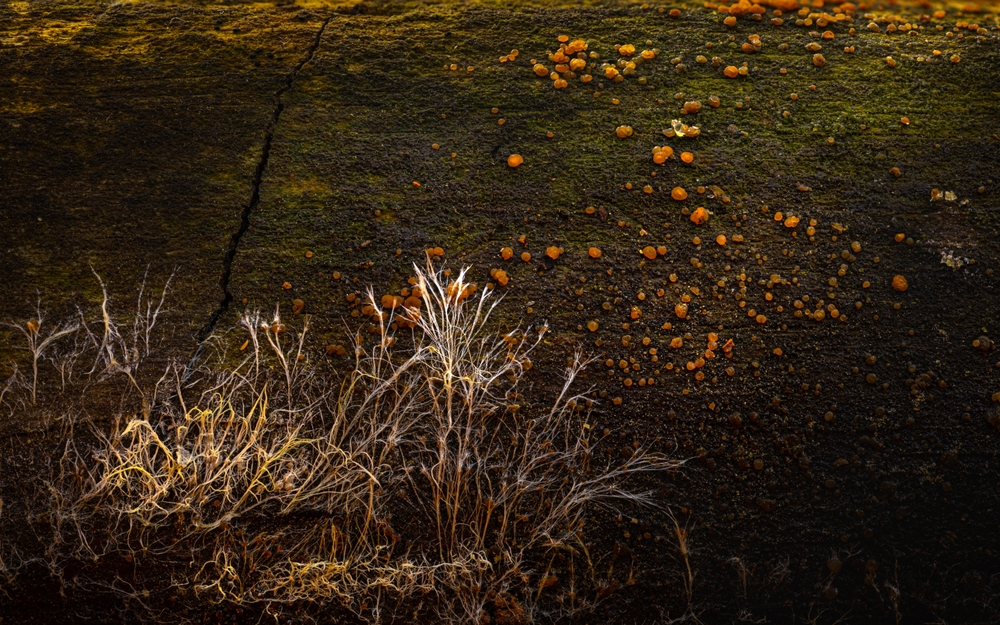
Using artificial intelligence, researchers combined soil data with information about climate, vegetation, and soil chemistry. The system then predicted fungal density across every square kilometer of topsoil worldwide. The result was the first detailed global map showing where these underground networks are most abundant.
Stewart explained the challenge by comparing it to transportation infrastructure. “That’s like saying we know every day 100 million cars move across Earth, but we have no idea what road network facilitates that,” he said.
Scientists believe future updates will become even more precise as additional samples are collected from regions that remain underrepresented, including tropical rainforests and deserts.
Modern Agriculture May Be Weakening The Network
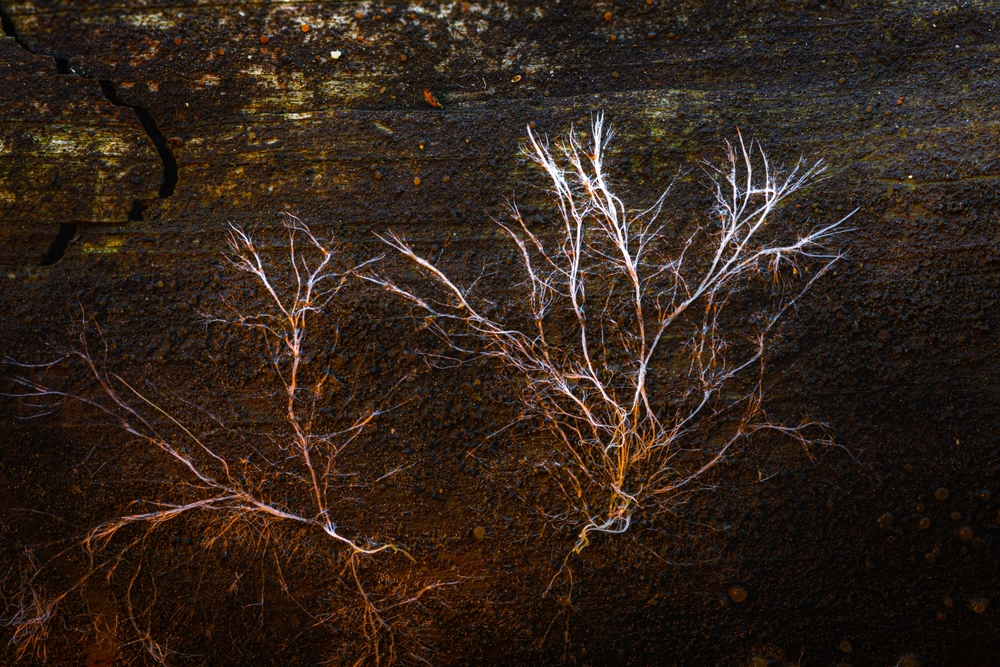
The global map also revealed a concerning pattern. Areas heavily altered by agriculture generally contained much lower fungal densities than undisturbed ecosystems. On average, cropland soils contained roughly 50% fewer fungal structures than natural grasslands.
Researchers did not identify a single cause, but several agricultural practices may be contributing to the decline. Fungicides, intensive soil disturbance, and the widespread use of phosphorus and nitrogen fertilizers are all possible factors that can disrupt fungal relationships with plants.
The contrast between natural and cultivated landscapes was significant enough to raise concerns among researchers focused on ecosystem health and carbon storage. If fungal networks continue to decline, the consequences could extend far beyond the soil itself.
Stewart also expressed concern about the rapid disappearance of wild grasslands. “I hope this builds into the conversation for their protection because wild grasslands are going away quite quickly,” Stewart added. “These are areas that people are really ripping up because it’s much easier to rip up a grass than it is to rip up a tree.”
Scientists Say This Discovery Could Change Conservation Efforts
Experts who were not involved in the project described the map as a major step forward in understanding one of Earth’s most important biological systems. The ability to identify fungal hotspots could help guide conservation planning, ecosystem restoration projects, and future climate strategies.
Andrea Genre, an expert on arbuscular mycorrhizal fungi at the University of Turin, said a global map of fungal network density and biomass was “urgently needed” and “can inform more efficient strategies for biodiversity conservation and restoration, agricultural management, and climate change mitigation.”
Edouard Evangelisti also praised the research, calling it “seminal” and saying it “makes part of the invisible visible.” He noted that the findings create opportunities to study how these enormous underground systems contribute to drought tolerance, disease resistance, and long-term soil health.
Researchers are now focusing on questions that remain unanswered. They want to understand how quickly fungal networks grow, how often they die off, and how much carbon they ultimately lock away over time. Those answers could reveal that one of Earth’s most powerful climate tools has been hiding beneath our feet all along.
A patch of grass may not look remarkable from above. Beneath the surface, however, it could be connected to a biological network so immense that comparisons to galaxies no longer sound exaggerated.
Sources:
- Stewart, J. D., Bisot, C., Cargill, R. I. M., Van Nuland, M. E., Hawkins, H., Galvez, L. O., Klein, M., Van Son, M., Terry, V., Paré, L., Banchini, C., Stefani, F., Kahane, F., Lin, K., Braghiere, R. K., Field, K. J., Soudzilovskaia, N. A., Elhance, J., Kokkoris, V., . . . Kiers, E. T. (2026). Global density and biomass of arbuscular mycorrhizal fungal networks. Science, 392(6803), 1171–1176. https://doi.org/10.1126/science.adu4373
- Beneath our feet lies a fungal superhighway stretching 68 quadrillion miles. (2026, June 26). ScienceDaily. https://www.sciencedaily.com/releases/2026/06/260614011845.htm
biodiversity, carbon sink, carbon storage, climate change, Climate research, conservation, Earth Science, ecosystem, Environmental News, Environmental Science, fungal biomass, fungal forest, fungal network, global map, grasslands, hidden world, Justin Stewart, Live Science, Milky Way, mycorrhizal fungi, nature news, Proxima Centauri, Science news, scientific discovery, soil ecosystem, soil health, underground fungi, underground network, ungi