
Your cart is currently empty!
The Science Behind Bipolar Disorder Is Becoming Clearer

For decades, bipolar disorder has remained one of the most misunderstood mental health conditions. People living with it have often been reduced to stereotypes about extreme mood swings, while scientists and doctors struggled to answer a deceptively simple question: what actually causes bipolar disorder?
Contents
show
Now, a growing body of research is beginning to offer clearer answers. While no single cause explains every case, scientists are converging on a powerful conclusion. Bipolar disorder is deeply rooted in biology, strongly influenced by genetics, and shaped by life experiences that can either trigger or intensify the condition.
Recent genetic breakthroughs, combined with decades of clinical observation, are helping researchers piece together a far more complete picture than ever before. And while these discoveries do not mean bipolar disorder can be easily prevented or cured, they are transforming how the condition is understood and treated.
Bipolar Disorder Is Not Just About Mood
Bipolar disorder is a complex mental illness marked by episodes of elevated mood and energy, known as mania or hypomania, and episodes of deep depression. These episodes are not simply emotional reactions to life events. They are driven by changes in brain function that can affect sleep, judgment, motivation, perception, and even a person’s sense of reality.
Manic episodes may include reduced need for sleep, racing thoughts, impulsive behavior, inflated self confidence, and in severe cases, psychosis. Depressive episodes can involve persistent sadness, exhaustion, hopelessness, difficulty concentrating, and thoughts of death or suicide.
There are several recognized forms of bipolar disorder. Bipolar I involves full manic episodes that can be severe and disruptive. Bipolar II involves hypomanic episodes paired with major depression. Some people also experience cyclothymia, a milder but chronic pattern of mood instability.
What unites these diagnoses is that they are not personality traits or character flaws. They are medical conditions rooted in how the brain functions.
The Longstanding Mystery of What Causes Bipolar Disorder
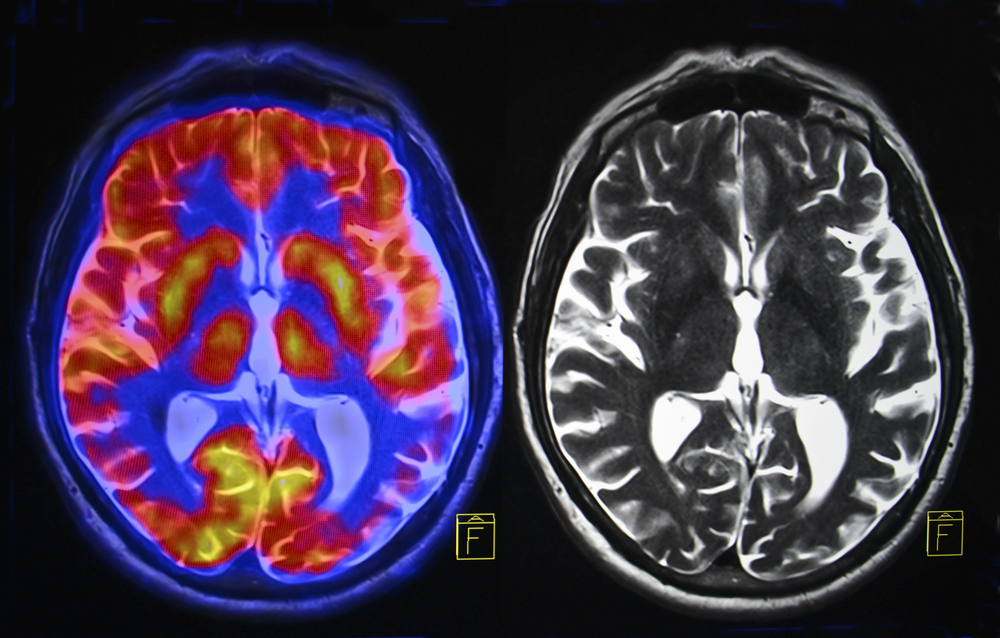
For much of modern psychiatry, bipolar disorder posed a frustrating puzzle. Treatments like lithium were discovered decades ago and helped many people, yet doctors could not fully explain why they worked. Unlike some medical conditions with clear biological markers, bipolar disorder did not have a single gene, lesion, or chemical imbalance that could be easily identified.
This uncertainty allowed myths to flourish. Some believed bipolar disorder was caused primarily by trauma. Others blamed stress, substance use, or poor coping skills. While these factors can influence the condition, none of them alone explains why bipolar disorder appears in some people and not others.
Over time, researchers began noticing patterns that pointed toward biology. Bipolar disorder often runs in families. Symptoms frequently appear in adolescence or early adulthood, even in people who grew up in stable environments. Episodes can emerge suddenly, without obvious external triggers.
These clues suggested that bipolar disorder originates in the brain, with life experiences acting as accelerants rather than root causes.
Genetics Plays a Central Role

Among psychiatric conditions, bipolar disorder stands out for how strongly it is linked to genetics. Family studies consistently show that people with a close relative who has bipolar disorder face a significantly higher risk of developing it themselves.
Twin studies offer some of the clearest evidence. Identical twins share the same genetic material. If one twin has bipolar disorder, the other twin has a much higher chance of developing it compared to non-identical siblings. However, the risk is not 100 percent, which tells researchers something crucial. Genetics matter greatly, but they are not the whole story.
Large population studies estimate that 60 to 80 percent of the risk for bipolar disorder is explained by genetic factors. That places it among the most heritable mental health conditions.
For years, scientists searched for a single bipolar gene. What they found instead was something more complex. Bipolar disorder is influenced by many genes, each contributing a small amount of risk. Together, these genes affect how brain cells communicate, how circuits regulate mood, and how the brain responds to stress.
A Breakthrough Gene Changes the Conversation

One of the most important recent developments in bipolar research came from massive genetic studies involving tens of thousands of people. By comparing the protein coding regions of DNA from individuals with bipolar disorder and healthy controls, researchers identified rare genetic mutations that significantly increase risk.
Among these discoveries, one gene stood out. A gene known as AKAP11 was found to have rare mutations that raise the risk of bipolar disorder by several times. This marked the first time scientists identified a gene with such a large effect on bipolar risk.
While these mutations are rare and do not account for most cases, their importance lies in what they reveal. The AKAP11 gene produces a protein that interacts with a molecular pathway affected by lithium, one of the most effective treatments for bipolar disorder. This connection offers a potential explanation for why lithium works for some patients and not others.
This discovery is not about genetic determinism. Most people with bipolar disorder do not carry these rare mutations. Instead, the finding opens a window into the biological mechanisms that underlie the condition, giving scientists clearer targets for future treatments.
Many Genes, One Disorder
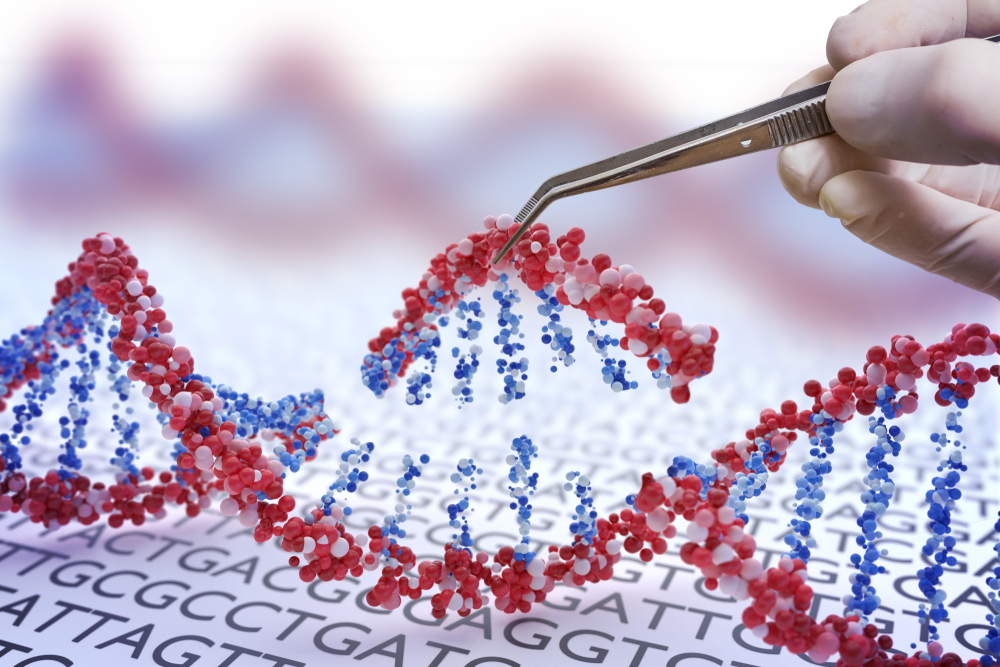
Beyond single gene discoveries, large international collaborations have identified dozens of locations across the human genome that influence bipolar disorder risk. These genetic variations are found in genes involved in brain signaling, immune system regulation, and metabolism.
Importantly, these studies also reveal differences between bipolar I and bipolar II. While the two diagnoses share many genetic risk factors, they are not identical at the biological level. This helps explain why symptoms can vary so widely from person to person.
Rather than thinking of bipolar disorder as one disease with one cause, researchers now view it as a spectrum condition shaped by overlapping genetic influences. Each individual’s experience reflects a unique combination of these factors.
Brain Chemistry and Circuitry

Genes do not act in isolation. They shape how the brain develops and functions. In bipolar disorder, research points to disruptions in specific brain circuits that regulate emotion, reward, and impulse control.
Several neurotransmitters play a role. These chemical messengers allow brain cells to communicate with one another. Norepinephrine and serotonin have long been linked to mood regulation and are involved in both depression and bipolar disorder. Dopamine, which is central to motivation and reward, is particularly associated with manic symptoms when its signaling becomes dysregulated.
Rather than a simple chemical imbalance, bipolar disorder appears to involve altered communication across brain networks. These networks influence how people respond to pleasure, stress, sleep deprivation, and emotional stimuli.
This complexity helps explain why medications work differently for different people. Treatments that stabilize mood often act on multiple neurotransmitter systems and signaling pathways at once.
The Role of Sleep and Biological Rhythms

One of the most consistent triggers for mood episodes in bipolar disorder is disrupted sleep. Many people with the condition have a genetic vulnerability in their sleep wake cycles.
Sleep loss can precipitate manic episodes, sometimes rapidly. As mania develops, the need for sleep often decreases further, creating a feedback loop that intensifies symptoms.
Research shows that disruptions in daily routines, known as social rhythm disruptions, frequently occur in the weeks leading up to mood episodes. Changes in sleep, eating patterns, work schedules, or social interactions can destabilize the brain systems that regulate mood.
This is why therapies that emphasize regular routines and sleep hygiene are often central to bipolar treatment plans.
Environment Still Matters
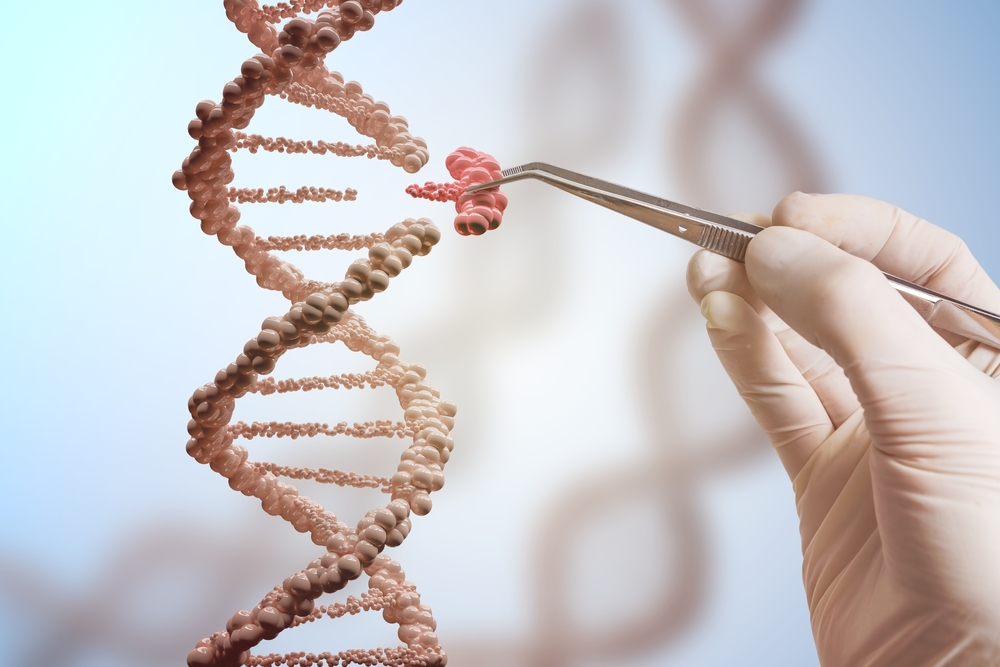
While genetics lay the groundwork, environmental factors influence when and how bipolar disorder emerges. Stressful life events can trigger the first mood episode in someone who is biologically predisposed.
Common environmental contributors include severe stress, trauma, substance use, and major life transitions. Childhood adversity, such as abuse, neglect, or loss, may also increase vulnerability by affecting emotional regulation and stress responses.
Importantly, environment does not cause bipolar disorder on its own. Many people experience trauma or stress without developing the condition. Instead, these factors interact with genetic risk, pushing some individuals past a threshold where symptoms emerge.
This interaction is often explained through the diathesis stress model. Genetic predisposition creates vulnerability, while environmental stress determines whether and when the condition manifests.
Hormones and Life Stages
Hormonal changes can also influence bipolar symptoms, particularly in women. Pregnancy, childbirth, and the postpartum period involve dramatic hormonal shifts that can trigger mood episodes in vulnerable individuals.
Some people also notice mood changes related to hormonal contraception or menstrual cycles. These effects vary widely and highlight how biological systems intersect in complex ways.
Why This Research Matters So Much
Understanding what causes bipolar disorder is not just an academic exercise. It has real consequences for diagnosis, treatment, and stigma.
When bipolar disorder is recognized as a brain based condition with strong biological roots, it becomes harder to dismiss it as a personal failing. This understanding can reduce shame and encourage people to seek help earlier.
On a practical level, genetic and biological insights are paving the way for more targeted treatments. Researchers hope to develop medications that address specific molecular pathways, improving effectiveness and reducing side effects.
There is also growing interest in identifying biomarkers that could help match patients with the treatments most likely to help them.

A More Complete Picture, Not a Final Answer
Despite these advances, scientists are careful to emphasize that bipolar disorder does not have a single cause or simple solution. It arises from the interplay of many factors that differ from person to person.
What has changed is clarity. Bipolar disorder is no longer seen as a mysterious mood problem without explanation. It is increasingly understood as a complex brain condition shaped by genetics, biology, and lived experience.
When Science Starts Filling in the Gaps
Scientists may not have solved bipolar disorder, but they are closer than ever to understanding what causes it. The evidence now points strongly toward a biological foundation, with genetics playing a central role and environment influencing how the condition unfolds.
This growing knowledge offers hope. Hope for better treatments, earlier interventions, and a future where bipolar disorder is met with understanding rather than judgment. For those living with the condition and those who love them, that shift may be just as important as any scientific breakthrough.