
Your cart is currently empty!
Scientists Found the One Thing That Can Finally Kill Earth’s Toughest Animal
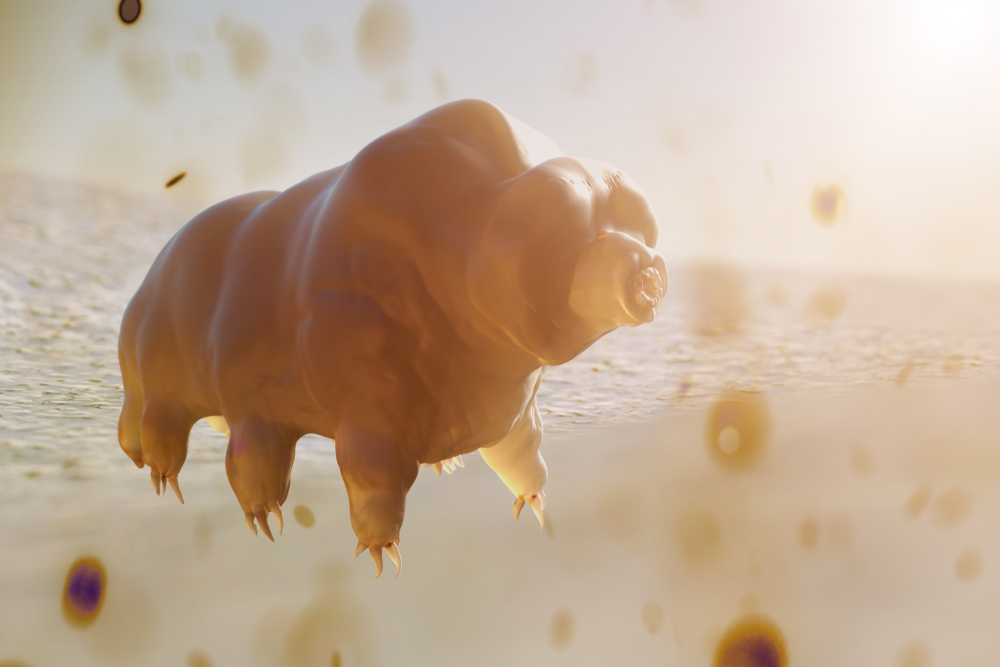
Tardigrades have survived conditions that sound impossible for a tiny animal. They have endured freezing temperatures, extreme dehydration, radiation exposure, and even the vacuum of outer space. For years, these microscopic creatures have represented one of science’s clearest examples of survival against the odds. Now, researchers have discovered something that can stop these famously tough animals.
Contents
show
It was not a blast of radiation or the freezing emptiness of space. It was a small sample of Mars-like soil sitting inside a laboratory dish. The discovery came after scientists exposed tardigrades to simulated Martian dirt and watched an unexpected result unfold. Within days, some of the animals were no longer moving, revealing that even Earth’s toughest survivors may have a weakness hidden in the chemistry of another planet’s soil.
The Mars Soil Experiment Produced A Surprising Result
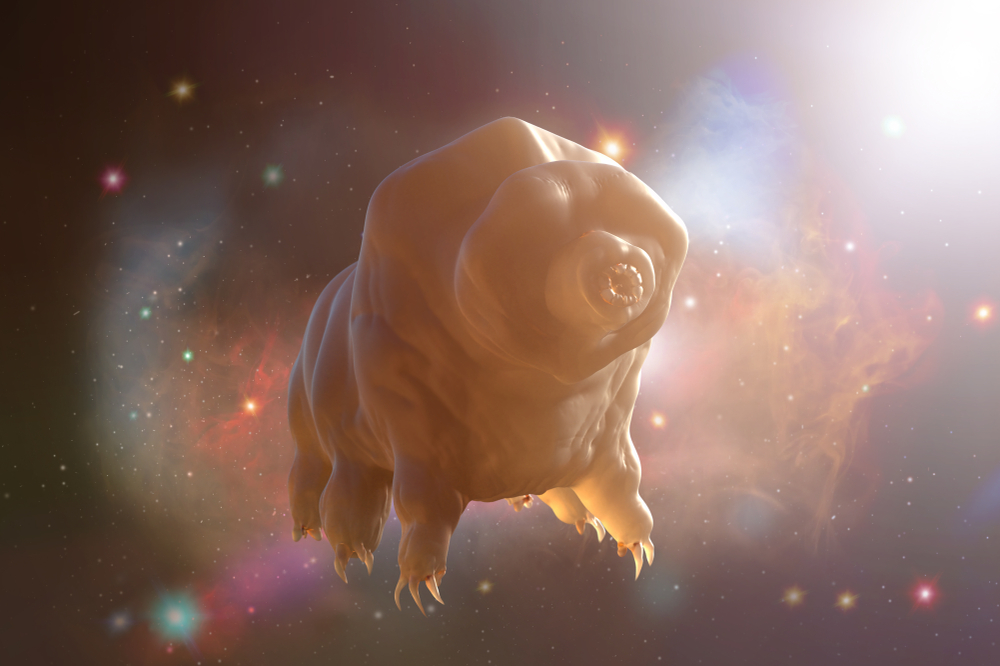
The experiment focused on two tardigrade species to examine how simulated Martian regolith could affect living organisms. Researchers tested Ramazzottius cf. varieornatus, a hardy land species known for its resilience, and Hypsibius exemplaris, a freshwater species commonly used in laboratory studies.
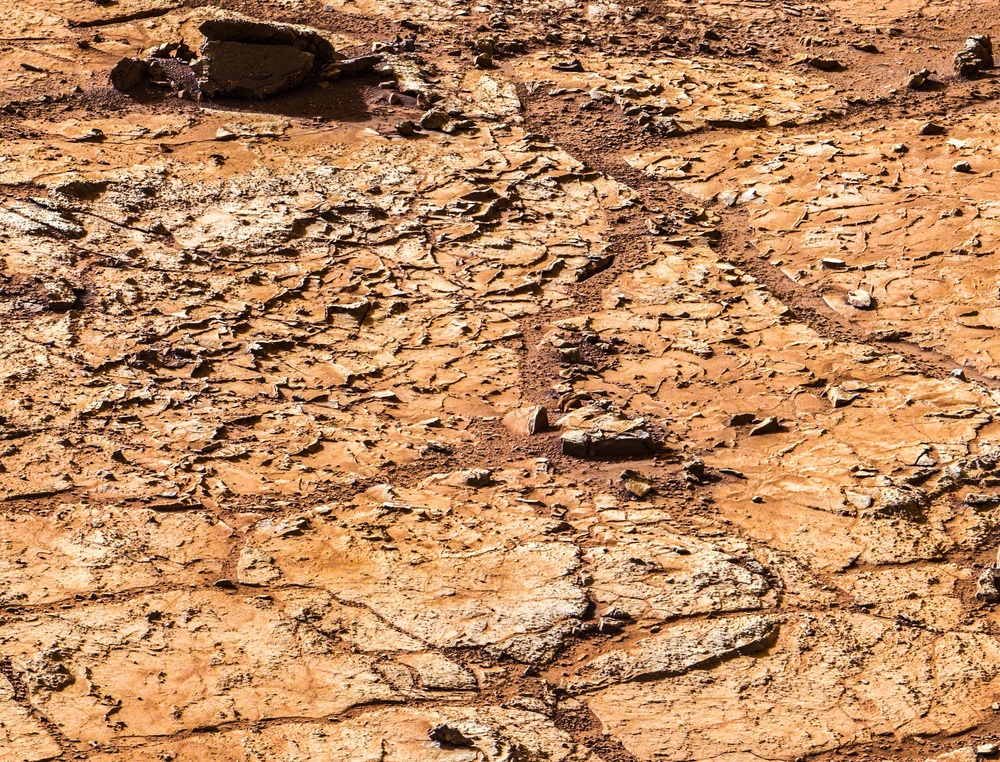
The animals were placed into dishes containing two different Mars soil substitutes. One was MGS-1, designed to represent the general composition of Martian surface material. The other was OUCM-1, created to resemble a specific region of Mars called the Rocknest deposit, which was examined by NASA’s Curiosity rover.
The scientists compared the results with tardigrades placed in ordinary Earth beach sand. They monitored the animals over four days, tracking how many remained active and whether the simulated Martian environments changed their survival.
The results were not what many researchers expected. A creature famous for surviving some of the harshest conditions imaginable struggled against a simple layer of artificial Martian soil.
One Type Of Martian Dirt Was Especially Harmful
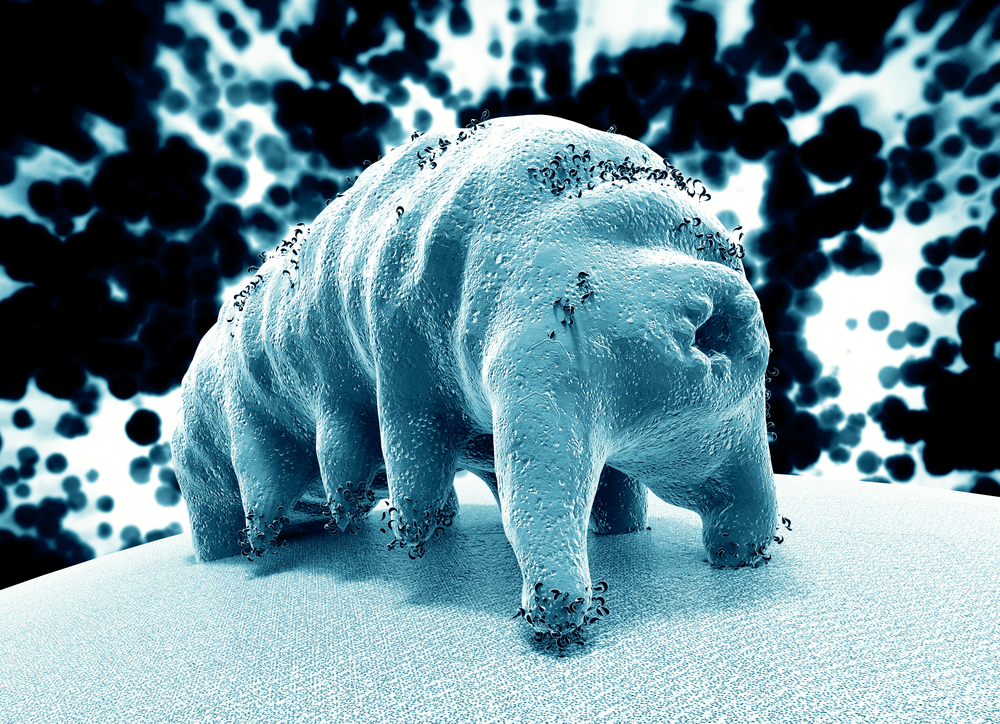
The strongest effects appeared in the MGS-1 samples. The freshwater tardigrades experienced the most severe outcome, with every Hypsibius exemplaris individual in the test group dying within two days.
The land-dwelling species performed better, but it still showed a steady decline. The researchers observed that active tardigrade numbers dropped significantly in the Martian soil samples while the control groups remained stable.
“For the MGS-1 simulant, we saw significant inhibition,” researcher Corien Bakermans said.
The second soil substitute, OUCM-1, caused fewer problems. It was still harmful compared with Earth sand, but one population of the land species survived with very little impact. The difference suggested that something specific inside the MGS-1 material was responsible for the damage.
The discovery surprised the research team because tardigrades are usually tested against extreme physical environments. This time, the threat came from the chemical makeup of the ground beneath them.
Scientists Suspect A Hidden Chemical Is Responsible
The researchers began looking for an explanation after seeing how quickly the MGS-1 material affected the animals. Instead of assuming the entire soil mixture was dangerous, they tested whether one removable component could be causing the problem.
Their next step was simple. They washed the simulated Martian soil with water and then introduced new tardigrades. The outcome changed dramatically.
“We theorized that there might be something specific in the simulant that could be washed away,” Bakermans explained.
After the rinse, the tardigrades showed activity levels much closer to those seen in the Earth sand control group. The researchers concluded that washing the soil significantly reduced the harmful effects, suggesting that the damaging substance could dissolve in water.
Further testing ruled out some obvious explanations. The researchers found that acidity and overall concentration of dissolved material did not fully explain the results. Instead, they believe a specific chemical compound within the soil mixture is responsible.
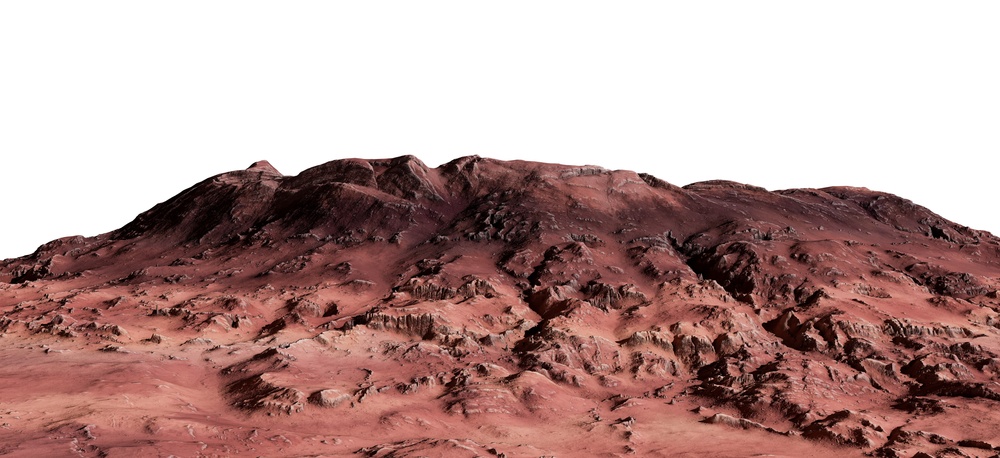
The Toughest Animal On Earth Still Has Limits
Tardigrades earned their reputation because of their unusual ability to enter a dormant state known as cryptobiosis. During this process, their metabolism drops dramatically, allowing them to survive conditions that would normally destroy living organisms.
Their survival record includes exposure to extreme cold, intense drying, radiation, and the vacuum of space. In previous experiments, some tardigrades survived being placed outside a spacecraft before returning to Earth and reproducing.
That history makes the Mars soil discovery especially interesting. The animals were not defeated by the dramatic dangers usually associated with space exploration.
Instead, they were affected by something much quieter. A chemical hidden inside a sample of simulated soil created a challenge that even tardigrades could not easily overcome.
The finding does not erase their reputation as survival experts. It reveals something more specific: surviving one extreme environment does not guarantee protection against every possible threat.
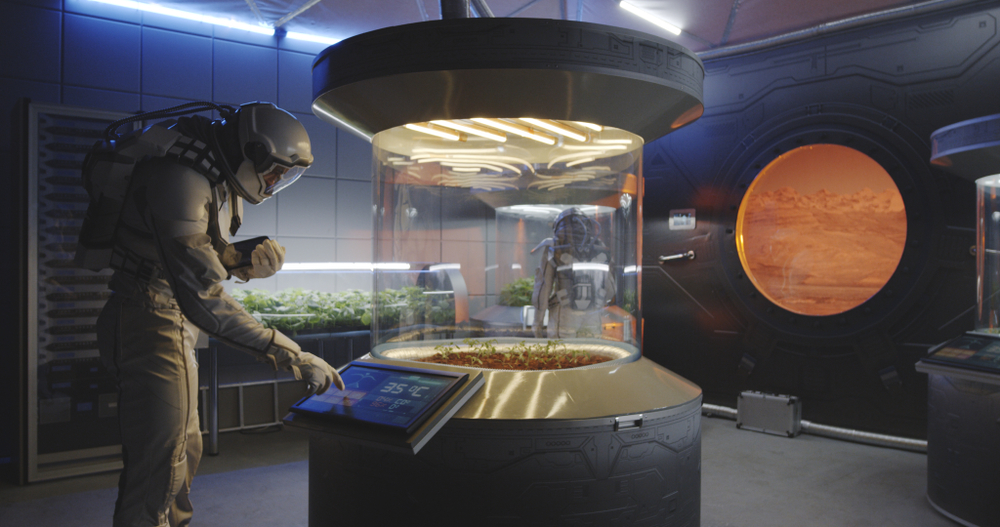
Mars Soil Could Become A Natural Barrier For Future Missions
The discovery could have consequences beyond understanding how tardigrades survive. As space agencies prepare for future missions, one major challenge is preventing Earth organisms from accidentally spreading to other planets.
Planetary protection is based on the idea that humans should avoid contaminating worlds that could contain clues about their own history. Any spacecraft carrying people, equipment, or supplies could potentially transport microbes and other biological material from Earth.
A Martian surface that naturally damages living organisms could provide an unexpected layer of protection. If certain compounds in the soil can limit biological activity, they may help reduce the risk of contamination from future exploration.
“When considering sending people to non-Earth environments, we need to understand two things: how the environment will impact the people and how the people will impact the environment,” Bakermans said.
The same chemical properties that harmed tardigrades could create challenges for astronauts working with Martian materials. However, understanding those properties could also help scientists develop ways to safely handle the soil.
Cleaning Martian Soil Comes With A Major Problem
The fact that water reduced the harmful effects sounds like a simple solution, but Mars does not offer unlimited access to this resource.
Future astronauts would need water for drinking, growing food, producing fuel, and supporting daily life. Using large amounts of water to clean soil before handling it could become difficult during long-term missions.
A small laboratory sample can be washed easily. Treating large amounts of Martian material for agriculture, construction, or habitat use would require technology that does not currently exist.
The researchers believe understanding the chemical compound behind the effect could eventually make treatment more efficient. Instead of washing everything, future missions might focus on removing or neutralizing the specific substance causing the problem.
That approach could save valuable resources while allowing explorers to work with Martian materials more safely.
The Experiment Does Not Fully Recreate Mars
Although the results are unusual, the study has important limitations. The experiment used simulated Martian soil rather than material collected directly from the planet.
Mars is a far more complicated environment than a laboratory dish. The planet has intense radiation, a thin atmosphere, low temperatures, and dramatic changes between day and night.
The researchers intentionally isolated one factor: the chemical effect of the soil itself. This allowed them to identify a possible danger, but it also meant many real Martian conditions were not included.
The experiment also involved only two tardigrade species over a short period of time. Those results cannot predict exactly how humans, plants, or other organisms would respond on Mars.
Further research will examine additional conditions, including how temperature and pressure changes could influence the relationship between Martian soil and living organisms.
The Tiny Animal Changed How Scientists See Mars Soil
For years, tardigrades have represented the idea that life can survive almost anywhere. Their ability to endure extreme environments made them a natural candidate for testing the limits of biology.
The Mars soil experiment revealed a different lesson. Survival is not only about extreme temperatures, radiation, or pressure. The chemistry of an environment can be just as important.
The discovery also shows why scientists study unusual organisms before sending humans farther into space. Tiny creatures can reveal problems that might otherwise remain hidden until much later.
The next challenge is identifying the exact chemical responsible for the effect. Once researchers understand what stopped the tardigrades, they can begin exploring whether the same substance affects other forms of life.
A Small Sample Of Dirt Revealed A Big Mars Challenge
The tardigrade has not lost its title as one of Earth’s toughest animals. Instead, scientists have learned that even the strongest survivors can face unexpected obstacles.
A handful of Mars-like soil was enough to expose a weakness that years of extreme-environment testing did not reveal. The finding shows that future explorers will need to understand the ground beneath their feet before building a future on another planet.
The solution may eventually come from the same place as the problem. A chemical hidden in Martian soil caused the danger, but understanding that chemistry could help humans work with the planet more safely.
Before anyone plants a flag or builds a habitat on Mars, the dirt itself may be the first thing they need to understand.
Sources:
- WennersHerron, A. (2026, February 27). ‘Water bears’ reveal potential for adapting, protecting Martian resources. Penn State University. https://www.psu.edu/news/research/story/water-bears-reveal-potential-adapting-protecting-martian-resources
- Bakermans, C., Vecchi, M., & Pearce, G. (2025). Short-term survival of tardigrades ( Ramazzottius cf. varieornatus and Hypsibius exemplaris ) in martian regolith simulants (MGS-1 and OUCM-1). International Journal of Astrobiology, 24. https://doi.org/10.1017/s1473550425100220
animal survival, astrobiology, Biology, Earth’s toughest creature, future space missions, Mars exploration, Mars research, Mars soil, Martian regolith, microscopic animals, NASA, planetary protection, science discovery, scientific discovery, space research, Space Science, survival experiments, tardigrades, weird science