
Your cart is currently empty!
Scientists Issue Alarming Warning About a Triple Extinction Event Facing Earth

Life on Earth has survived countless upheavals throughout its four billion year history, yet scientists now say they can predict the point when mammals, including humans, will no longer be able to endure the planet’s changing conditions. This future is not defined by a single disaster but by the convergence of geological forces, atmospheric changes and the natural evolution of the sun. Together, they form what researchers describe as a triple whammy extinction scenario that gradually transforms Earth into a world far too hostile for warm blooded species. The prediction comes from a detailed analysis using a supercomputer that simulates the planet millions of years into the future, revealing a chain reaction of extreme heat, volcanic activity and atmospheric instability.
Contents
show
While this fate is estimated to unfold 250 million years from now, the researchers stress that the distant timeline does not lessen the urgency of our current climate situation. Their work shows that the planet’s systems are sensitive to relatively small changes in temperature and greenhouse gases. In our present era, human emissions are already altering climate patterns in ways that pose increasing risks to human health and ecosystems. The long term forecast of planetary uninhabitability serves as a reminder of what unchecked warming can trigger, and why immediate climate action remains essential.

The Study Predicting the End and How Scientists Modeled Earth’s Final Chapter
Researchers from the University of Bristol produced their findings through an extensive climate modeling project published in Nature Geoscience. They simulated the planet’s future by incorporating plate tectonics, volcanic activity, atmospheric chemistry and the gradual brightening of the sun. This allowed them to examine how Earth’s systems interact on scales far beyond human experience. Their models predict the formation of a new supercontinent called Pangaea Ultima, a landmass that will dramatically alter global temperatures and atmospheric patterns.
The study states that the first major extinction pressure begins as the continents merge into Pangaea Ultima. The reference explains that volcanic activity will intensify and emit large amounts of greenhouse . These emissions would raise global temperatures to between 40C and 50C. The researchers wrote that “Earth could reach a tipping point rendering it uninhabitable to mammalian life.” Such extreme temperatures exceed the tolerance limits of mammals, which depend on evaporative cooling to release heat. Once heat and humidity levels surpass this threshold, mammals cannot regulate their body temperature.
The second extinction force arises from a sudden shift to colder conditions after the period of intense heat. Geological records of previous supercontinents indicate that climates can swing dramatically once tectonic stresses subside. The references describe a condition known as ischaemic necrosis, which occurs when freezing temperatures cause blood vessels to constrict so sharply that tissues die. This process would “mummify” any surviving mammals. The rapid change from deadly heat to deadly cold creates a cycle that eliminates the possibility of long term adaptation.
The third component is the natural brightening of the sun. Over millions of years, the sun becomes hotter. When combined with rising CO2 and the inland heating effect of a supercontinent, conditions become even more extreme. As Dr. Alexander Farnsworth explained in the reference, the future Earth will experience “a triple whammy, comprising the continentality effect, hotter sun and more CO2 in the atmosphere.” This combination results in “a mostly hostile environment devoid of food and water sources for mammals.” These predictions collectively describe a world that cannot sustain mammalian life.
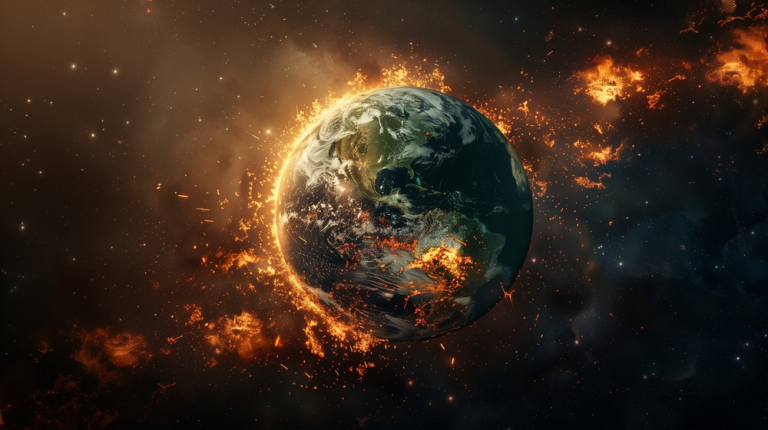
Pangaea Ultima and How a Supercontinent Triggers a Planetary Crisis
A supercontinent forms when tectonic plates gradually merge. This process has occurred before, but the next formation is expected to create conditions beyond anything recorded in Earth’s past. When continents unite into a single landmass, coastlines decrease and the interior of the continent becomes extremely hot due to the lack of moderating ocean influence. Scientists note that this inland heating effect would create vast regions where temperatures regularly reach levels lethal to mammals.
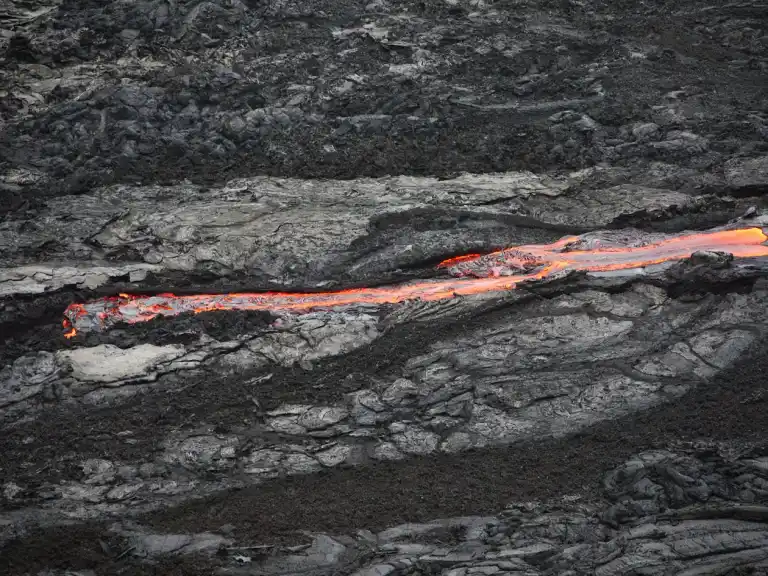
Volcanic activity would increase significantly as continents collide and subduct. According to the references, these eruptions would release vast quantities of CO2 and other greenhouse gases. Even if every fossil fuel on Earth were burned, the resulting warming would not match the temperature increases caused by this geological process. The buildup of heat trapping gases would intensify global warming and push temperatures well beyond the upper limits identified in the study.
Mammals rely heavily on sweating to regulate their body temperature. However, the climate conditions predicted in the study would prevent sweat from evaporating effectively. Dr. Farnsworth noted that human
s and other mammals would “expire due to their inability to shed this heat through sweat, cooling their bodies.” Without the ability to cool down, mammals would succumb to heat stress. This fundamental biological limitation means that even small increases in heat and humidity can become fatal.
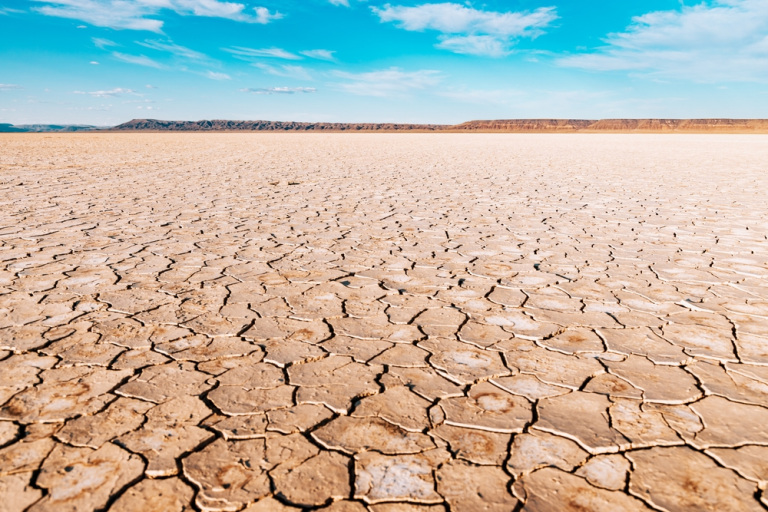
The Present Day Warning Hidden Inside a Distant Prediction
Although the extinction event is expected far into the future, the researchers involved emphasize the urgency of present day climate action. Their simulations underscore how sensitive Earth’s climate is to rising temperatures and CO2 levels. The references include the warning from Dr. Eunice Lo who said, “It is vitally important not to lose sight of our current climate crisis, which is a result of human emissions of greenhouse gases.” She also stated that “today we are already experiencing extreme heat that is detrimental to human health.” These statements highlight the parallels between the distant predictions and the challenges we already face.
The study encourages readers to understand that while tectonic processes and solar evolution are inevitable, human caused warming is not. The present climate crisis is driven by activities that can be changed. The extreme heat described in Earth’s future serves as a reminder of what happens when greenhouse gases accumulate unchecked. Although we cannot stop the formation of Pangaea Ultima, we can slow or prevent dangerous warming in the coming centuries.
The researchers hope that the long term perspective reinforces the need to transition toward net zero emissions, reduce pollution and protect ecosystems. Their work is not meant to create panic but to offer clarity. The far future shows what Earth is ultimately destined to become, but the near future is shaped entirely by the choices societies make today.
What This Means for Us and How Reflection Shapes Climate Action
The idea of Earth’s distant extinction invites reflection about our place in the planet’s lifecycle. The timeline may be vast, but the implications for humanity are immediate. Understanding that Earth will one day be uninhabitable does not diminish the importance of our current environmental responsibilities. Instead, it highlights how precious and temporary our window of livability truly is.
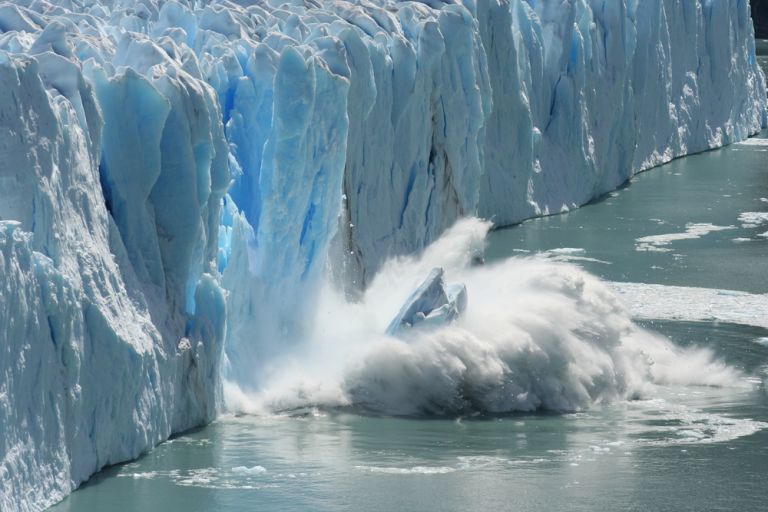
Climate action remains essential for ensuring that future generations inherit a stable and thriving planet. Reducing CO2 emissions, developing renewable energy systems, protecting biodiversity and supporting community resilience are key steps that influence Earth’s climate trajectory. These efforts matter not because they will prevent distant geological changes but because they shape the world humans will experience within the next centuries.

The triple whammy extinction prediction functions as both scientific insight and a reminder of human responsibility. Earth will eventually reach a point where mammals cannot survive. However, everything leading up to that moment remains within humanity’s influence. This knowledge encourages both humility and determination, reinforcing the significance of caring for the planet while we still can.