
Your cart is currently empty!
Scientists Say 1 In 8 Cancer Cases Are Linked To Infections We Can Prevent
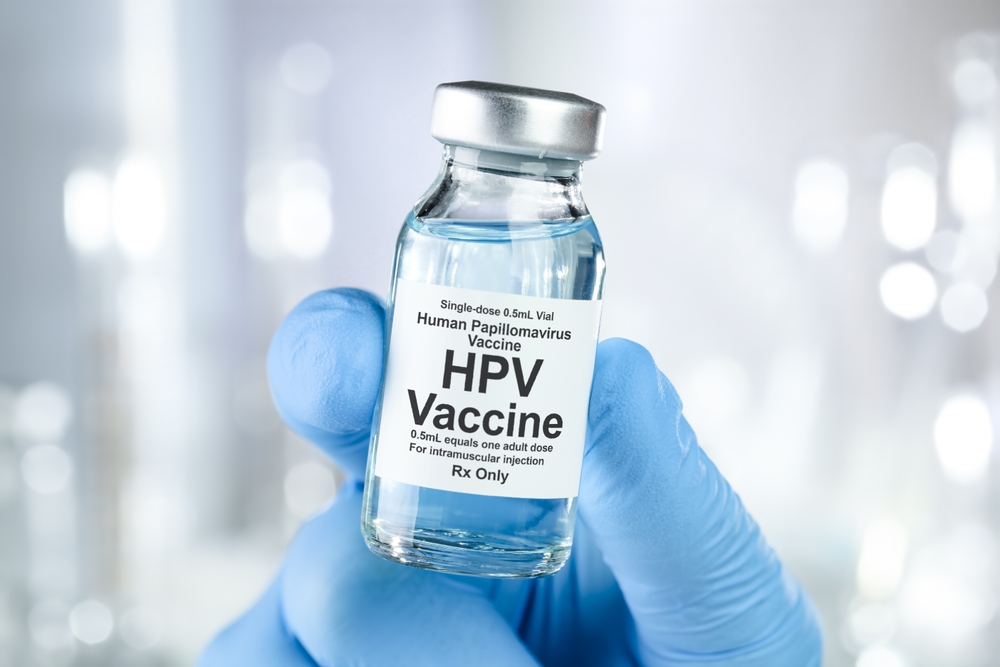
with researchers estimating that around 2.3 million cancer cases diagnosed worldwide in 2024 were linked to infections. That works out to roughly 12% of all new cancer cases, meaning about one in every eight cancer diagnoses was attributable to one of 12 cancer-causing infectious agents examined in the study. The finding is striking because several of these infections can be prevented, detected or treated before they have the opportunity to contribute to cancer.
Contents
show
The researchers say the numbers point to a major opportunity for cancer prevention that begins long before a tumor appears. Vaccines, testing, treatment and screening can all play a role, depending on the infection involved. But the study also comes with an important warning against misunderstanding the numbers: having one of these infections does not mean someone will develop cancer. Most infected people never do, and cancer usually develops only when persistent infection combines with other factors.
The Study Found 2.3 Million Infection-Linked Cases
Researchers analyzed global cancer data from the International Agency for Research on Cancer’s Global Cancer Observatory to estimate the number of cancer cases attributable to 12 infectious agents in 2024. Their analysis found that approximately 2.3 million new cancer cases worldwide were associated with infections, accounting for around 12% of all new cancer diagnoses that year. The research builds on an earlier global analysis published in 2018, but includes a broader understanding of the relationships between infections and cancer.
Gary Clifford, an epidemiologist at the International Agency for Research on Cancer and senior author of the study, said the findings show that prevention can happen before cancer becomes part of the picture. “We can intervene before it gets anywhere near cancer,” Clifford said. He pointed to vaccination, testing, treatment and public health programs as ways to reduce the number of infections that can eventually contribute to cancer.
The researchers examined individual infection-cancer pairs to determine where the greatest burden was coming from. Five infections stood out in particular: H. pylori, human papillomavirus, hepatitis B, Epstein-Barr virus and hepatitis C. Together, H. pylori and HPV alone accounted for more than 1.5 million of the estimated infection-attributable cancer cases in 2024.
The study does not suggest infections are responsible for all cancer or that eliminating infections would eliminate cancer. Cancer has many causes, including aging, genetics, environmental exposures and lifestyle factors. Instead, the findings identify infections as one part of cancer risk where prevention can sometimes make a significant difference.
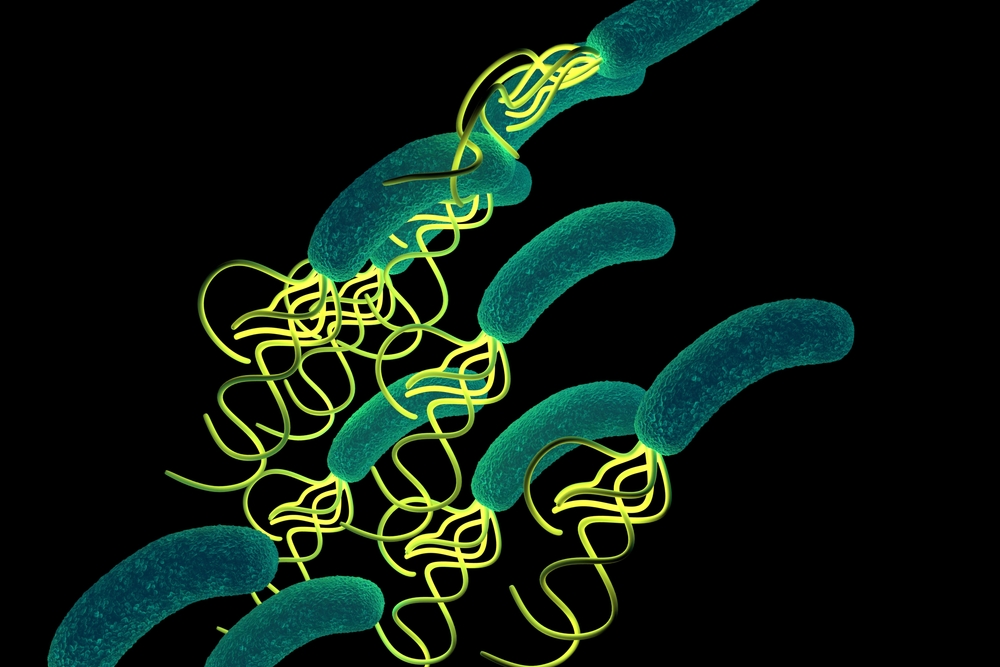
H. pylori and HPV were the two biggest contributors identified in the analysis, although they are very different types of infections. H. pylori is a bacterium that can live in the stomach and, in some people, cause persistent inflammation that increases the risk of stomach cancer. The researchers estimated that it was associated with roughly 760,000 cancer cases in 2024, primarily gastric cancers.
HPV, meanwhile, refers to a group of more than 200 related viruses. Some types can cause several cancers, including cervical, anal, penile, vaginal, vulvar and oropharyngeal cancers. The researchers estimated that HPV was associated with roughly 750,000 cancer cases globally in 2024, making it one of the largest infection-related contributors to the worldwide cancer burden.
The remaining major contributors were hepatitis B, Epstein-Barr virus and hepatitis C. Hepatitis B was linked to approximately 360,000 cancer cases, mostly liver cancer, while Epstein-Barr virus was associated with around 260,000 cases. Hepatitis C accounted for an estimated 160,000 cases, again primarily involving liver cancer.
These infections can remain in the body for years, but infection itself does not automatically lead to cancer. Veronika Fedirko, a professor of epidemiology at the University of Texas MD Anderson Cancer Center who was not involved in the study, emphasized that distinction. “Having a cancer-causing infection does not mean that a person will develop cancer,” Fedirko said.
Why Some Infections Can Eventually Lead To Cancer
The relationship between infection and cancer can take years to unfold. Persistent infections may cause chronic inflammation or interfere with normal biological processes, increasing the likelihood of cellular changes that can eventually contribute to cancer. The risk varies substantially depending on the infectious agent, the type of cancer involved and the person’s other risk factors.
Researchers say cancer generally develops only in a small proportion of people who carry these infections. Age, immune function, smoking, genetics and other exposures can also influence whether cancer eventually develops. That means a positive test for an infection linked to cancer should never be interpreted as a cancer diagnosis.
Some infection-related cancers have particularly strong links to the underlying infection. Cervical cancer, for example, requires persistent infection with high-risk HPV for the disease to develop. Other cancers have more complicated relationships involving multiple contributing factors.
Epstein-Barr virus provides another example of how scientists have gradually uncovered these connections. Clifford said EBV was first recognized as a cancer-causing infectious agent nearly 60 years ago through its relationship with Burkitt lymphoma. Researchers have since identified associations with additional cancers, including nasopharyngeal carcinoma, giving scientists a clearer picture of the infection’s overall cancer burden.
Vaccines Could Prevent Some Cancer Risks
Two of the major infections identified in the study have vaccines that can reduce the risk of infection and, consequently, the cancers associated with them. HPV vaccination can prevent infection with HPV types responsible for several cancers, while hepatitis B vaccination can help prevent chronic infection that may eventually contribute to liver cancer.
The HPV connection is particularly significant because the virus is associated with cancers affecting multiple parts of the body. The vaccine works by preventing infection with HPV types that can cause disease, which means cancer prevention can begin before the virus ever establishes itself.
Hepatitis B provides another clear example. Chronic infection can damage the liver over time and increase the risk of liver cancer, but vaccination can prevent the underlying infection. Researchers therefore view vaccination as one of the tools that can reduce cancer risk long before cancer screening or treatment becomes necessary.
Dr. Nancy Lee, a radiation oncologist at Memorial Sloan Kettering Cancer Center who was not involved in the research, said the study reinforces the value of vaccination. “Many different types of cancers are caused by infection and if we prevent the infection, the incidence of cancer should be lower,” Lee said.

Testing And Treatment Can Also Cut The Risk
Vaccines are only part of the prevention picture. H. pylori and hepatitis C show how testing and treatment can create another opportunity to reduce cancer risk, even though vaccines are not currently available for these infections.
H. pylori can be present without obvious symptoms, but persistent infection can cause chronic inflammation in the stomach and increase the risk of gastric cancer. When the bacterium is identified, it can be treated with antibiotics. Eliminating the infection can therefore remove an important risk factor before stomach cancer develops.
Hepatitis C offers a similar prevention opportunity through testing and treatment. Chronic HCV infection can damage the liver and increase the risk of liver cancer, but antiviral treatment can clear the infection in many cases. Identifying people who have the infection gives healthcare providers a chance to address that risk before serious complications develop.
Clifford said diagnosis does not mean cancer is inevitable. “The point is: It doesn’t mean that you’ve got a cancer just because you have the infection,” he said. The researchers are emphasizing that these infections create opportunities for intervention, rather than suggesting that every infected person is destined to develop cancer.
Most Infection-Linked Cancers Occur In Lower-Income Countries
The global burden is also heavily concentrated in lower-income and middle-income countries. According to the analysis, these countries accounted for approximately 77% of all cancer cases attributable to infections in 2024. Researchers say differences in infection prevalence and access to vaccination, screening, testing and treatment help explain the uneven distribution.
That creates a major public health challenge because the tools needed to prevent several of these cancers already exist. A vaccine can only prevent infection when people can access it, while a treatable infection can remain a long-term cancer risk when testing and medication are difficult to obtain.
The researchers say the same issue can appear within wealthier countries. Veronika Fedirko noted that infection-related cancer risk is not evenly distributed even within the United States, with some populations experiencing higher rates of infections such as HPV, hepatitis B, hepatitis C or H. pylori.
Those differences can eventually translate into differences in cancer rates. Improving access to vaccination, screening, testing and treatment could therefore address not only the overall number of infection-related cancers but also some of the disparities surrounding them.
Several Prevention Tools Are Already Available
The findings point to a handful of established strategies that can reduce exposure to cancer-causing infections. The appropriate approach depends on the infection, the individual’s circumstances and local medical guidance, but researchers say the tools include vaccination, testing, treatment and screening.
For readers, the main prevention measures identified by the research include:
- Vaccination: HPV and hepatitis B vaccines can prevent infections associated with several cancers.
- Testing: Screening for infections such as hepatitis B, hepatitis C and H. pylori can identify risks that may otherwise go unnoticed.
- Treatment: Treating infections such as H. pylori and hepatitis C can reduce the long-term risks associated with persistent infection.
- Cancer screening: Some screening programs can identify precancerous changes and allow treatment before invasive cancer develops.
- Reducing transmission: Safe injection practices, condom use and HIV pre-exposure prophylaxis can reduce transmission of certain infections.
Harriet Rumgay, an epidemiologist at the International Agency for Research on Cancer and an author of the study, said broader access to these measures could have a substantial effect. “If implemented widely and equitably, these strategies could prevent hundreds of thousands, if not millions, of future cancer cases worldwide,” Rumgay said.
The challenge is therefore less about discovering whether prevention is possible and more about making existing prevention measures available to the people who need them.
The Findings Do Not Mean Cancer Is Easily Prevented
The one-in-eight figure is striking, but it needs context. Cancer remains an extremely complex group of diseases with many different causes, and preventing infections would not eliminate the majority of cancer cases. Genetics, aging, environmental exposures and lifestyle factors can all contribute to cancer independently of infection.
The researchers are instead identifying a specific portion of cancer risk that can sometimes be addressed before malignant cells develop. That makes infection-related cancer unusual compared with some other cancer risk factors because interventions can target the infection itself.
There is also no guarantee that eliminating an infection will erase every person’s cancer risk. Individual biology and other exposures still matter, and some infection-related cancers have complicated causes. The study provides an estimate of the global burden associated with infections, rather than a prediction for any particular person.
For the millions of cases that may be prevented through vaccination, testing, treatment and screening, however, the researchers see a clear opportunity. The cancer fight does not always begin when a tumor is discovered. In some cases, it begins years earlier by stopping an infection from getting that far.
Sources:
- Rumgay, H., Clifford, G. M., & colleagues. (2026). Global burden of cancer attributable to infections in 2024: A worldwide incidence analysis. The Lancet Oncology. https://www.thelancet.com/journals/lanonc/article/PIIS1470-2045(26)00307-4/fulltext