
Your cart is currently empty!
Scientists Discover A Liquid That Can Stop Cavities Without Drilling
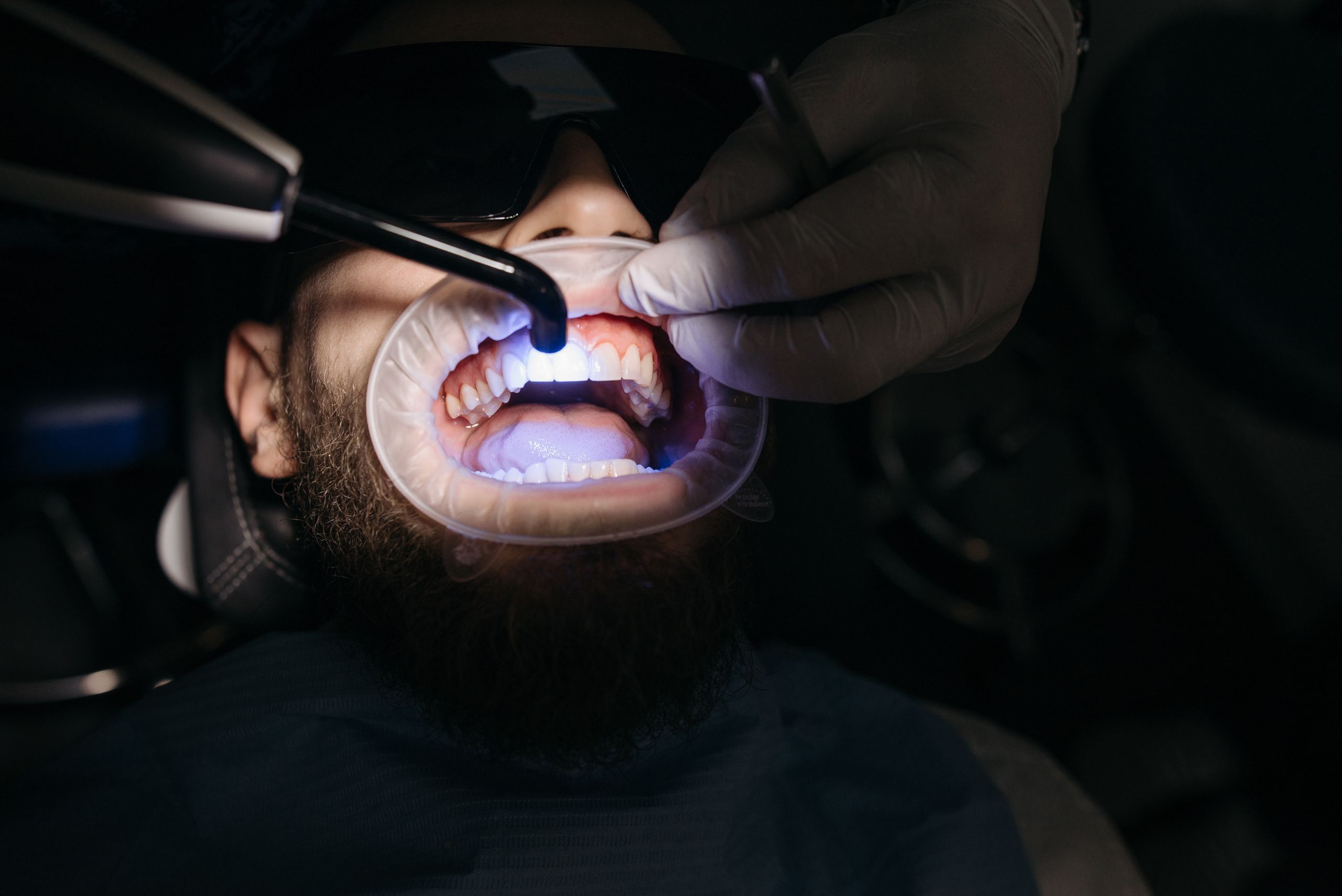
For millions of people, discovering a cavity means preparing for an uncomfortable dental procedure involving drills, injections, and fillings. However, a major clinical trial has now provided strong evidence that a simple liquid could stop many cavities from getting worse without requiring any of those steps.
Contents
show
The treatment takes only seconds to apply, and researchers believe it could help children avoid painful infections and potentially prevent more complicated dental procedures. Even more surprising, dentists have been using this substance in several countries for decades, although its potential has only recently received substantial attention in the United States.
A Major Clinical Trial Confirms The Potential Of A Simple Dental Treatment
Researchers led by the University of Michigan have found that a treatment called silver diamine fluoride (SDF) can successfully stop tooth decay in many young children. The findings, published in the medical journal JAMA Pediatrics, come from a large Phase III clinical trial involving 830 children younger than six.
The research focused on whether a simple application of SDF could arrest existing cavities and prevent them from progressing. Dentists use the term arrested decay to describe a cavity that has stopped deteriorating, meaning the damaged area is no longer actively getting worse.
The trial produced encouraging results. Researchers found that the 38% silver diamine fluoride solution successfully halted decay in more than half of the affected baby teeth when dentists applied the treatment at six-month intervals. The product tested was Advantage Arrest, supplied by Elevate Oral Care.
The investigation brought together researchers from the University of Michigan, New York University, Indiana University, and the University of Iowa. The National Institute of Dental and Craniofacial Research, part of the National Institutes of Health, provided more than $12 million in funding.
Margherita Fontana, professor of dentistry at the University of Michigan School of Dentistry and the study’s lead investigator, described the treatment’s effectiveness and safety. “This is a very effective and safe treatment, even in children as young as 1,” Fontana said.
The investigation began in 2018 and continued despite significant disruptions caused by the COVID-19 pandemic. Its results provide substantial clinical evidence from American patients, potentially helping establish a clearer path toward wider acceptance of the treatment.
How Silver Diamine Fluoride Stops Cavities Without A Drill
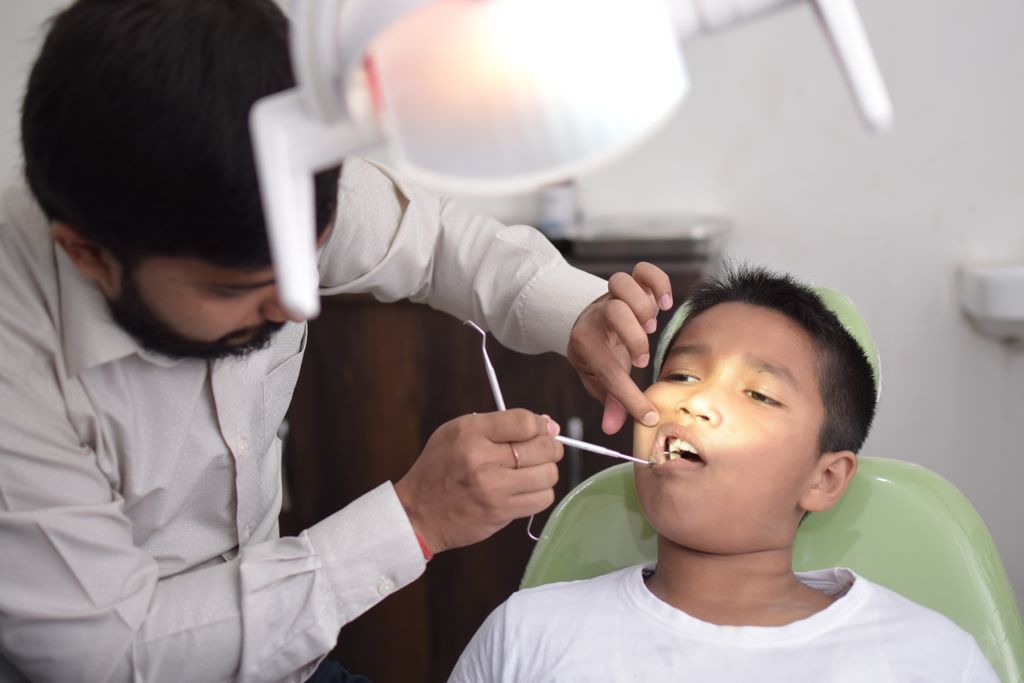
The treatment sounds almost too simple to be effective, particularly when compared with the equipment and procedures commonly associated with cavity treatment. Instead of drilling away decayed material, the dentist applies a small amount of liquid directly to the affected tooth using a tiny sponge-tipped applicator.
The process generally takes only seconds per tooth. For the application itself, patients typically do not need injections, drilling, or sedation, making it particularly useful for young children who struggle with conventional dental procedures.
The Two Ingredients Responsible For Stopping Tooth Decay
Silver diamine fluoride combines silver and fluoride ions in an ammonia-based solution. These components work together to help control the processes responsible for worsening cavities, although they perform different functions.
Silver helps combat bacteria associated with tooth decay, while fluoride helps strengthen the mineral structure of the tooth. This combination makes it harder for the existing decay to continue damaging the affected area.
The silver component also contributes to changes in the decayed tissue that help reduce further bacterial activity. Meanwhile, fluoride supports remineralization, helping strengthen weakened tooth material and improve its resistance to additional damage.
The treatment therefore addresses two important aspects of cavity progression. It helps control the bacteria associated with decay while supporting the remaining tooth structure against further deterioration.
Why The Process Is Different From Traditional Fillings
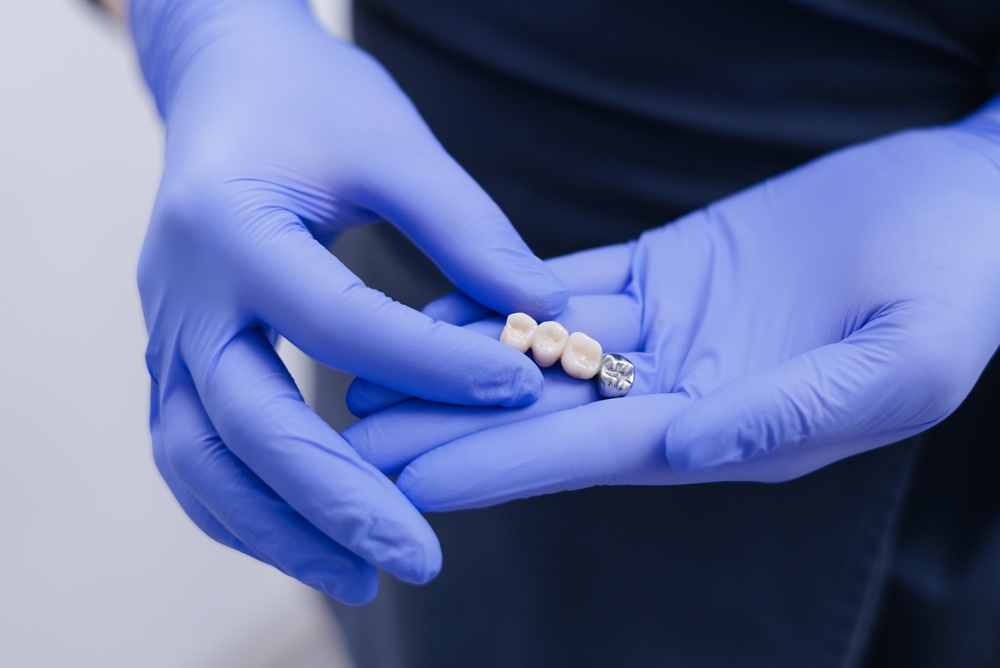
Traditional cavity treatment generally involves removing the decayed portion of a tooth before filling the resulting space with restorative material. Depending on the cavity’s size and location, the procedure may require local anesthesia and specialized dental equipment.
SDF follows a different approach because its primary purpose is arresting decay rather than rebuilding the tooth. It helps stop the existing cavity from progressing, although the missing tooth structure remains missing.
This distinction determines whether someone can avoid a filling altogether. Smaller cavities may be managed with SDF alongside an appropriate sealant, while more extensive damage can still require conventional restoration.
Why Thousands Of Children Could Benefit From This Discovery

Tooth decay is the most common chronic disease among children in the United States, affecting more than 40% of American children, according to the research background. Although cavities can initially develop without obvious symptoms, untreated decay can eventually cause significant pain and complications.
Children with untreated cavities may experience persistent toothaches, infections, difficulty eating, and disrupted sleep. Some also miss school because of dental problems or require repeated medical appointments as the condition progresses.
The situation becomes particularly difficult when young children need conventional dental treatment. Sitting still during a procedure can be challenging, especially when unfamiliar instruments, injections, and the sounds of dental equipment create anxiety.
For some children, untreated cavities eventually lead to dental surgery under general anesthesia. This involves making the patient completely unconscious during the procedure, adding another layer of complexity for families and healthcare providers.
Emergency Departments Cannot Always Solve The Underlying Problem
Thousands of American children visit emergency departments every year because of untreated cavities. However, emergency physicians generally cannot perform the specialized dental procedures needed to address the underlying cause of the problem.
A child may receive attention for immediate symptoms, but the damaged tooth still requires appropriate dental treatment. Without access to follow-up care, the problem can continue developing and potentially lead to further complications.
SDF could offer another option for addressing decay earlier, particularly when children have difficulty accessing conventional dental procedures. Because the liquid takes seconds to apply, it could help dentists manage cavities before they develop into more serious problems.
The researchers also believe the treatment could eventually become useful in pediatric medical settings. Children often visit pediatricians years before establishing regular relationships with dental providers, creating an opportunity for earlier intervention if access to SDF expands.
The Biggest Drawback Is That Treated Teeth Turn Black
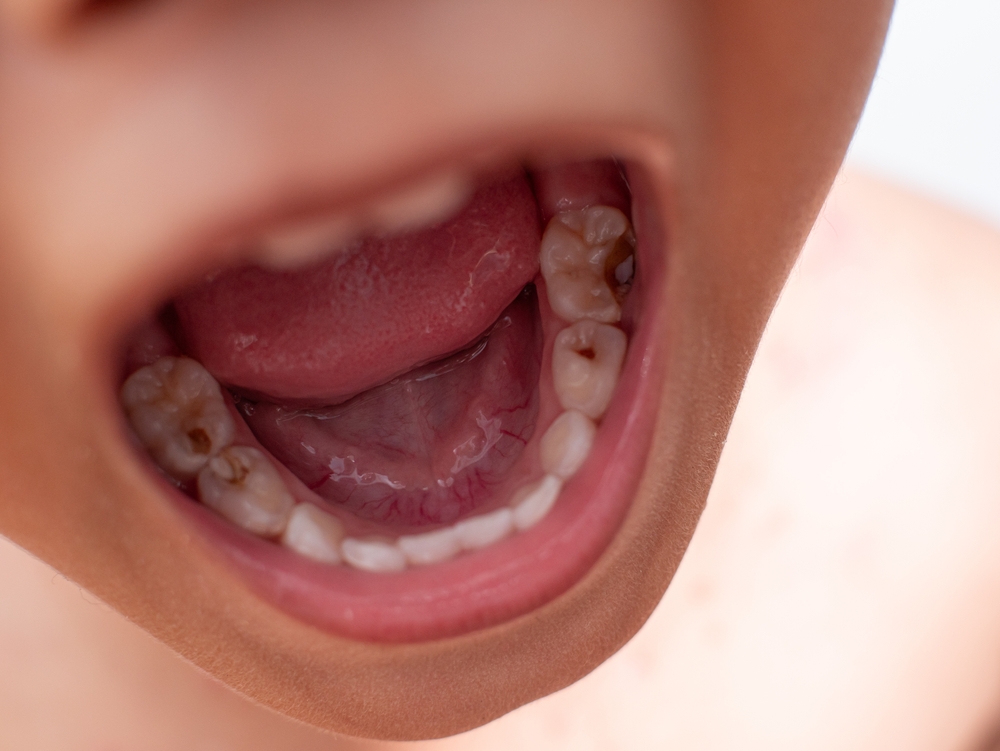
Despite the encouraging results, silver diamine fluoride comes with one significant disadvantage that patients and parents need to understand. When the solution comes into contact with decayed tooth tissue, the affected area permanently turns dark brown or black.
This discoloration happens because of the chemical reaction involving silver and the decayed material. The staining is concentrated in the affected portion of the tooth, although it can be particularly noticeable when the cavity is located toward the front of the mouth.
For parents deciding how to treat a child’s cavity, appearance may become an important consideration. A dark mark on a visible front tooth can be difficult to accept, even when the treatment offers potential advantages in controlling decay.
Dentists can discuss whether placing a tooth-colored restoration or another suitable material over the treated area would help address the cosmetic concern. The appropriate approach depends on the cavity’s location, the amount of remaining tooth structure, and the patient’s individual circumstances.
For cavities located toward the back of the mouth, the discoloration may be less noticeable during everyday activities. However, families should understand that the staining is permanent on the affected decayed tissue before agreeing to treatment.
The researchers specifically identified discoloration as an important limitation of SDF. Its potential benefits therefore need to be considered alongside the cosmetic consequences rather than treating the liquid as an automatic replacement for conventional dental care.
Adults Could Also Benefit From The Decades-Old Treatment

Although the major clinical trial involved children younger than six, researchers believe the potential applications of silver diamine fluoride extend much further. Several groups of adults could benefit from a treatment that helps manage tooth decay without immediately requiring complicated dental procedures.
Fontana specifically identified older adults, people with developmental or physical disabilities, individuals experiencing severe dental anxiety, and patients who struggle to obtain conventional dental care as potential beneficiaries.
Older adults can be particularly vulnerable to root cavities, which develop when gum recession exposes the tooth’s root surface. These areas can become susceptible to decay and may require additional attention as people age.
People with physical or developmental disabilities may also experience difficulties during lengthy dental procedures. A quick application could provide another option for managing certain cavities when conventional treatment presents additional challenges.
Dental anxiety is another consideration. Some patients delay appointments because they fear drilling, injections, or other procedures, allowing existing cavities to worsen over time. SDF could help manage suitable cavities while reducing the immediate need for those procedures.
However, the trial’s findings should not be interpreted as proof that SDF works equally well in every adult population. The major study examined young children, and further research is needed to establish its effectiveness across different age groups and clinical situations.
Why This Treatment Has Taken So Long To Gain Attention In America
One particularly interesting detail about silver diamine fluoride is that dentists have been using it in several countries for decades. Its potential is therefore not based on a newly invented chemical or an experimental substance that has only recently appeared in laboratories.
In the United States, the FDA cleared SDF in 2014 as a medical device for treating tooth sensitivity. Dentists subsequently began using it off-label to help arrest cavities, meaning they used an authorized product for a purpose beyond its original approved indication.
The challenge has been establishing sufficiently strong clinical evidence from American populations to support its specific use against tooth decay. Although earlier research and international experience provided encouraging findings, large-scale clinical trials were needed to strengthen the evidence.
The University of Michigan investigation was designed to help address that gap. By studying hundreds of children across multiple states, researchers could examine the treatment’s performance in a broader American population.
FDA Approval Could Make The Treatment More Accessible
The latest findings could support an application seeking FDA approval of SDF as a drug for arresting dental caries, the medical term for tooth decay. Such a regulatory development could influence how healthcare providers and insurers approach the treatment.
Amr Moursi, professor of pediatric dentistry at New York University’s College of Dentistry and a co-principal investigator, discussed the potential significance of the findings.
“Our results support FDA approval of SDF for managing arrest of tooth decay in young children. Removing SDF from off-label status would be an important innovation which could lead to increased utilization by providers, enhanced payments by insurers and more consistent product quality,” Moursi said.
Broader regulatory acceptance could make it easier for dentists and other appropriate healthcare providers to consider SDF. It could also encourage more consistent product quality and potentially improve insurance coverage for eligible patients.
The researchers believe that better access could help children receive treatment before cavities become painful or require more extensive procedures. However, the findings alone do not mean that every regulatory step has already been completed.
What Patients Should Understand Before Choosing SDF
Silver diamine fluoride offers an additional way to manage certain cavities, but patients should understand exactly what the treatment can and cannot accomplish. Its primary purpose is stopping existing decay from progressing, and the decision to use it depends on the condition of the affected tooth.
Several considerations can help families understand whether the approach is appropriate for their circumstances.
- It helps arrest active decay: The solution can stop many cavities from progressing, potentially reducing the risk of further damage.
- It does not rebuild missing tooth structure: Teeth that have lost substantial material may still require fillings or other restorative procedures.
- It permanently stains decayed tissue: The affected area turns dark brown or black, which can influence treatment decisions for visible teeth.
- Repeated applications may be necessary: The major clinical trial used six-month treatment intervals, demonstrating the importance of ongoing dental monitoring.
- It does not work for every cavity: Dentists must evaluate the location, severity, and condition of the affected tooth before recommending SDF.
Another important consideration is the need for continued preventive dental care. Even when a cavity has been successfully arrested, patients still need appropriate examinations and follow-up appointments to monitor their oral health.
Families should also discuss whether the affected tooth requires additional restoration. Stopping decay can protect the remaining tooth structure, but it does not automatically restore the tooth’s original shape or ability to function.
A Simple Dental Application Could Change How Cavities Are Managed
Fontana believes the treatment could eventually benefit a much wider population than the children included in the clinical trial. Reflecting on the findings, she said, “For almost anyone, this can arrest the decay and stop the infection and the pain it causes. This could benefit many people.”
The research provides substantial evidence that silver diamine fluoride deserves greater attention as an option for managing tooth decay. Its simplicity could be particularly valuable for young children and patients who struggle with conventional dental procedures.
There are still limitations, including permanent discoloration and the fact that some cavities will require fillings or other restorative work. Further regulatory developments and research will help determine how widely the treatment becomes available.
For families facing a child’s first cavity, however, there may soon be another option worth discussing with a dentist: a treatment applied in seconds that could stop the decay before a small problem becomes a much bigger one.