
Your cart is currently empty!
California Town on Edge as Aggressive Squirrel Sends Residents to Hospital
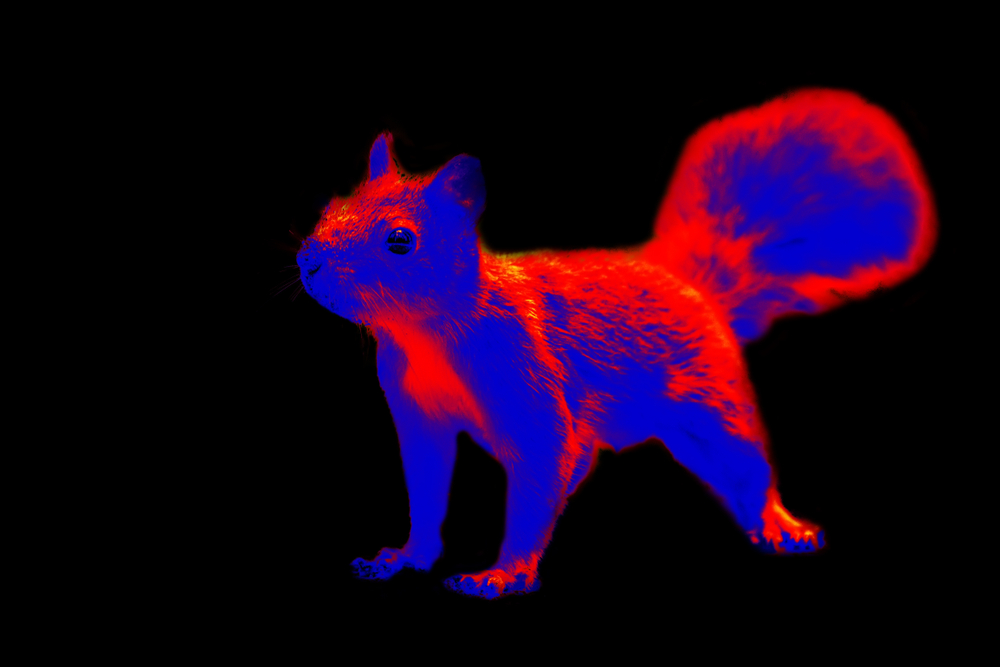
In the quiet residential streets of San Rafael, California, a community more accustomed to morning walks, dog strolls, and children playing in front yards has found itself thrust into an unexpected horror story. Residents of the Lucas Valley neighborhood are facing an unusual, even surreal, threat: an aggressive squirrel that has bitten, clawed, and ambushed unsuspecting pedestrians. At least two women have ended up in the hospital after suffering bloody wounds from its attacks, and flyers have gone up warning locals that this is not a prank. A creature many associate with acorns and twitching tails has become the talk of Nextdoor forums, local news broadcasts, and emergency rooms.
Contents
show
The strangeness of the ordeal has left people torn between laughter at the absurdity of an “attack squirrel” and genuine fear at its unpredictability. Witnesses describe the animal appearing from nowhere, leaping onto legs and even lunging toward faces. For victims like Joan Heblack and Isabel Campoy, the experience was no laughing matter each left with deep scratches, bloodied limbs, and a newfound wariness of the very sidewalks they once walked without a second thought. What began as an odd neighborhood tale has escalated into a citywide warning and a broader reflection on human relationships with wildlife.
The Sudden Surge Of Squirrel Violence
Accounts of the San Rafael squirrel’s behavior are unsettling in their consistency. According to Marin Humane, the county’s main animal care organization, multiple reports of unprovoked squirrel attacks emerged in mid-September. Two victims ended up in hospital emergency rooms, where they were treated for severe lacerations. Witnesses recall seeing the squirrel leap from the ground onto unsuspecting walkers, clawing at legs and arms with sharp talons and teeth.
Joan Heblack described her attack as something out of a nightmare. She was enjoying her regular walk when the squirrel “came out of nowhere.” It latched onto her leg with surprising force, leaving her panicked and bleeding. “The tail was flying up here. I was like, ‘Get it off me, get off me!’” she told reporters. The intensity of the assault left her shaken enough to seek urgent medical treatment.
Not long after, another resident, Isabel Campoy, endured an even more shocking encounter. While walking with her niece, the squirrel launched itself upward, seemingly aiming for her face. Campoy instinctively raised her arm to shield herself, but the rodent clung to it, biting and scratching until she was left covered in blood. Her wounds required an emergency room visit as well, and her niece recalled the horror of seeing her relative’s arm dripping red from what should have been a harmless stroll.
Neighbors quickly began connecting the dots. At least five people in the area reported similar incidents, all pointing to the same caramel or golden-colored squirrel. Flyers appeared on lampposts and mailboxes with bold warnings: “This is not a joke. Attack squirrel beware.”
Why Would A Squirrel Turn Violent?
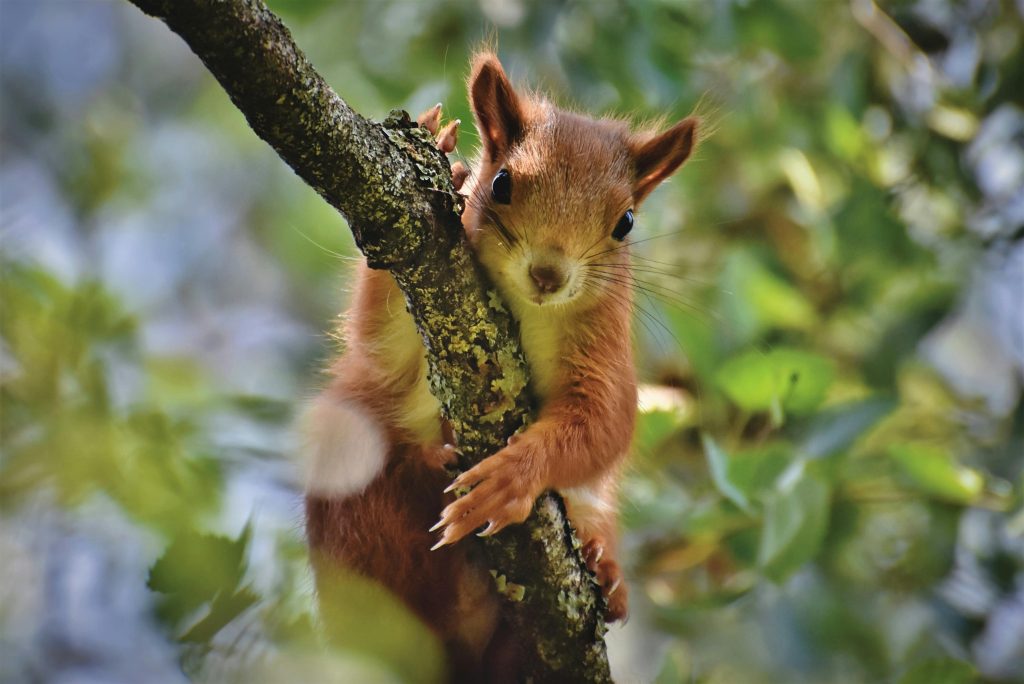
To understand why this squirrel has gone rogue, wildlife experts point to a simple but damaging behavior: human feeding. While many people see feeding wild animals as an act of kindness tossing peanuts to birds, offering bread to ducks, or sharing scraps with squirrels animal specialists caution that this practice often backfires.
Lisa Bloch, communications director at Marin Humane, explained that once wild animals are fed by humans, they can lose their natural fear of people. This loss of instinctive wariness, she said, makes them bolder and more likely to approach people expecting food. When those expectations aren’t met, frustration can turn into aggression. In the case of the San Rafael squirrel, experts strongly suspect that someone had been feeding it regularly, conditioning it to view humans as food sources.
There’s a saying among biologists: “A fed wildlife is dead wildlife.” While that phrase sounds extreme, its truth lies in the dangerous feedback loop between humans and animals. An animal that depends on people for meals not only risks losing the skills necessary to survive in the wild but also becomes a danger to its community. If such an animal begins acting aggressively, wildlife authorities are often forced to capture it and euthanasia is frequently the only outcome. The San Rafael squirrel, if caught, will likely face this fate, despite its attacks being a byproduct of human interference.
What complicates matters is that squirrels, unlike raccoons or bats, are not carriers of rabies in the United States. According to the Los Angeles County Department of Public Health, squirrels do not transmit rabies to humans. Still, their sharp claws and teeth can cause infections and transmit other diseases, meaning every attack victim must seek medical attention. The lack of rabies risk has reassured some, but the fear of infection and the physical trauma of being attacked remain all too real.
Community On Edge: Flyers, Whispers, And Fear Of The Unknown

The atmosphere in San Rafael has shifted in recent weeks. Where once neighbors exchanged casual greetings, conversations now circle around the elusive squirrel. Flyers plastered across the neighborhood carry a tone equal parts comic and dire, warning residents in large letters that this is “not a joke.” Nextdoor forums and social media groups buzz with stories, speculation, and nervous humor, creating a digital echo chamber where a single rogue squirrel has become a community obsession.
For families with children, the situation has been especially stressful. Parents who once encouraged their kids to play outside now worry about unexpected encounters with the squirrel. Joggers and dog walkers proceed with a new sense of vigilance, glancing nervously at the trees and shrubs where the animal might be lurking. While some neighbors try to laugh off the absurdity of fearing a creature barely larger than a loaf of bread, others emphasize that the injuries were not minor scratches but serious wounds requiring hospital treatment.
In an age where bizarre local incidents can spread globally within hours, the San Rafael squirrel has already become something of a viral phenomenon. News outlets from California to the East Coast have reported on the attacks, and online readers have drawn comparisons to horror movies, cartoon villains, and even the infamous “Killer Rabbit” scene from Monty Python and the Holy Grail. Yet for those living in Lucas Valley, this is no laughing matter. Humor may ease the tension, but the unpredictability of the animal keeps fear alive.
The Science Of Human-Wildlife Conflict
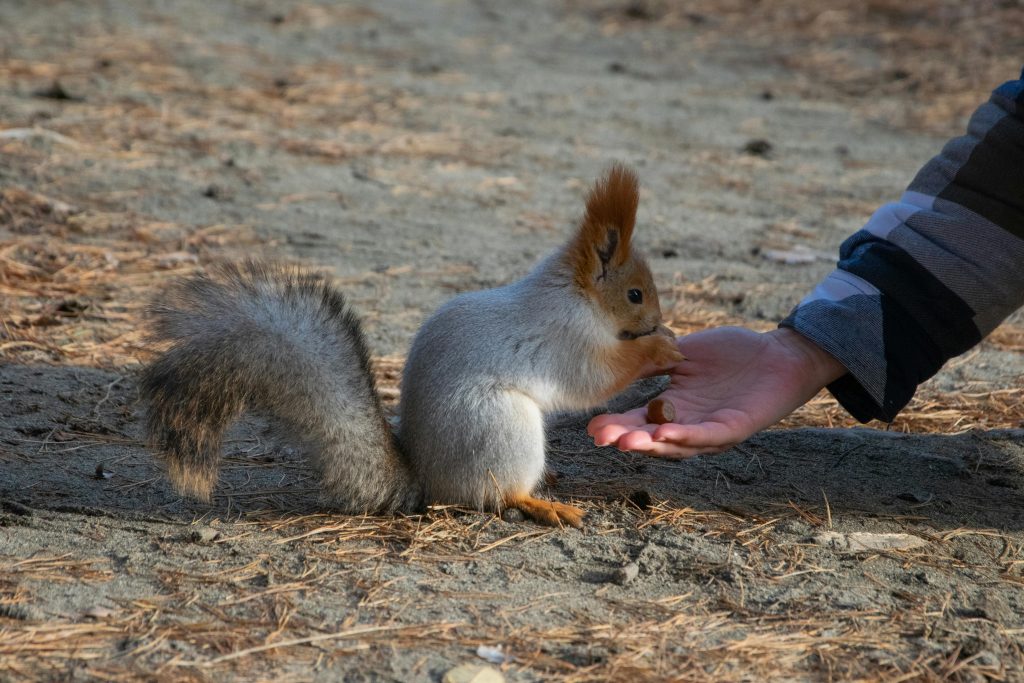
Although the idea of a violent squirrel sounds unusual, the San Rafael case highlights a larger issue: how human behavior shapes animal behavior, often in destructive ways. Around the world, feeding wildlife has created unintended consequences. Urban raccoons raid garbage bins and lose their wariness of people. Ducks and geese fed bread in city parks develop poor nutrition and aggressive territoriality. In places like Florida, alligators that are fed by humans become dangerously bold, sometimes leading to fatal encounters.
Squirrels themselves are often seen as harmless backyard residents. In many American cities, they are so abundant that they’ve become part of the scenery, darting across roads or scampering up oak trees. But experts emphasize that squirrels, like any wild animal, are driven by survival instincts. Their teeth and claws are designed to crack nuts, climb trees, and defend themselves from predators. When those tools are turned on humans, the results can be painful and even dangerous.
The San Rafael case also underscores how fragile the line between curiosity and conflict can be. A single resident tossing nuts to a squirrel may see it as a simple act of kindness, but repeated feeding conditions the animal to seek food from everyone. When those expectations clash with reality when a walker doesn’t offer a treat the animal may lash out in frustration. The resulting cycle of aggression not only endangers the community but also seals the animal’s fate, as euthanasia often becomes the only safe option for authorities.
What Happens Next For San Rafael?
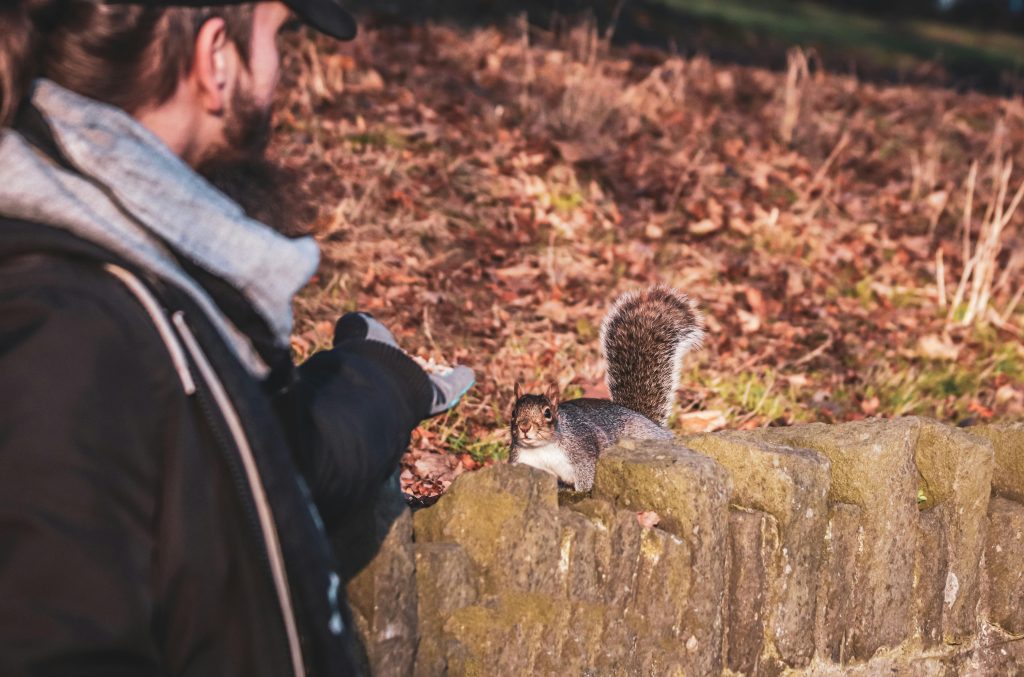
Marin Humane has confirmed that no new attacks have been reported since mid-September, but the search for the squirrel continues. If the animal reappears and repeats its behavior, wildlife experts will likely attempt to capture it. Sadly, because of its habituation to humans, re-release into the wild would not be an option. Nor would keeping the squirrel as an “ambassador animal,” as its aggressive nature makes it unsafe for educational settings. Euthanasia remains the most probable outcome if it is captured.
For residents, the immediate focus is on prevention and awareness. Marin Humane and the California Department of Fish and Wildlife are urging the public not to feed wildlife under any circumstances. They advise residents to keep their distance from squirrels, to make noise to scare them off if they get too close, and to seek medical treatment promptly if bitten or scratched. These practical measures may sound straightforward, but they also require a shift in public mindset: moving from seeing wildlife as backyard entertainment to recognizing them as wild beings deserving space.
The incident has sparked deeper reflection as well. For some locals, the squirrel’s aggression has become a symbol of how fragile the boundary between humans and nature truly is. It raises questions about coexistence in suburban environments, where wild animals are never far from human activity. San Rafael is just 20 miles north of San Francisco, yet it borders wide expanses of nature where squirrels, coyotes, and other animals thrive. Encounters are inevitable, but how communities manage them determines whether they become dangerous or harmonious.
Lessons From An Unlikely Adversary
The tale of the San Rafael squirrel may seem like an odd footnote in local news, but it carries lessons that extend far beyond one California town. It reveals the ripple effects of human choices how a seemingly innocent act of feeding a squirrel can transform it into a neighborhood menace. It highlights the importance of respecting wildlife as wild, maintaining boundaries that keep both humans and animals safe.
For the victims, the attacks were painful reminders that even small creatures can wield surprising power. For the community, the ordeal became a catalyst for conversation about responsibility, coexistence, and the thin line between comedy and danger. And for the rest of us, following the story from afar, it’s a curious case study in how the ordinary can turn extraordinary when nature collides with human habits.
The San Rafael squirrel saga will eventually end whether with the animal’s capture, disappearance, or fading memory. But its legacy will remain as a cautionary tale: that when humans forget the wildness in wildlife, the consequences can leap out from the bushes, sharp teeth bared, ready to remind us.