
Your cart is currently empty!
Study Finds Childhood Punishment May Fuel Aggression Later In Life

A discipline method used by families across the world may have consequences that last far beyond the moment a child is punished. Research summarized by the World Health Organization links corporal punishment with increased aggression, behavioural problems and a greater likelihood of using violence later in life.
Contents
show
The scale is difficult to ignore. Around 1.2 billion children aged 0 to 18 are subjected to corporal punishment at home every year, while millions more experience physical punishment in schools.
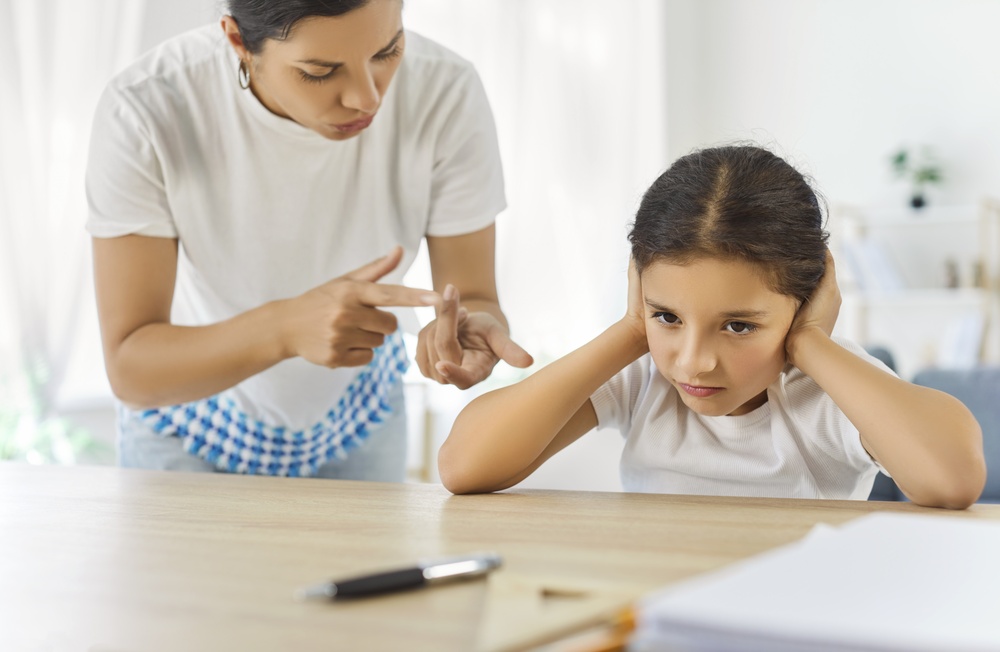
Billions Of Childhood Moments Involve Physical Punishment
Corporal punishment is defined by the UN Committee on the Rights of the Child as punishment where physical force is used with the intention of causing some degree of pain or discomfort, “however light.” That includes familiar forms of discipline such as spanking, slapping and hitting, but the definition extends much further.
Children can also be subjected to kicking, shaking, biting, pinching, hair pulling or being struck with objects such as belts, sticks, shoes or wooden spoons. In more severe cases, punishment can involve hitting the head, face or ears, being struck repeatedly or being forced into painful or uncomfortable positions.
The practice is not limited to one particular type of household. The evidence indicates that boys and girls face similar risks in many countries, while children from wealthy and poor households can both experience physical punishment. Younger children can be particularly vulnerable, with children aged 2 to 4 sometimes experiencing physical punishment as frequently as older children.

The Effects Can Reach Far Beyond A Spanking
The immediate experience can involve pain, fear, sadness, anger, shame and guilt. According to the supplied WHO material, feeling threatened can also activate the body’s physiological stress response, with children who experience physical punishment showing heightened hormonal reactivity to stress and changes affecting biological systems.
Those effects are not simply about what happens during a difficult moment between a parent and child. Research summarized by the WHO connects corporal punishment with problems involving emotional regulation, conflict-solving skills, cognitive development and social development. It has also been associated with poorer educational outcomes and damaged family relationships.
The evidence identifies a broad range of negative outcomes associated with corporal punishment, including anxiety, depression, hopelessness, low self-esteem, self-harm and suicide attempts. It also links childhood physical punishment with hostility, emotional instability, substance dependency and other difficulties that can continue into adulthood.

Aggression Can Become Part Of The Lesson
One of the most concerning findings involves aggression. Children exposed to corporal punishment are more likely to display aggressive behaviour, while the evidence also links childhood physical punishment with greater acceptance and use of violence later in life.
That does not mean every child who is spanked will become violent as an adult. The research describes associations across populations, rather than predicting the future behaviour of every individual child. However, the pattern raises a serious question about what children learn when physical force is used to enforce rules.
A child can be told that hitting other people is wrong while simultaneously experiencing hitting as a disciplinary response from an adult. Over time, that contradiction may influence how the child understands conflict, authority and acceptable behaviour.

The Risk Can Increase Over Time
The supplied evidence also warns that corporal punishment carries an inherent risk of escalation. Studies suggest parents who use corporal punishment are at heightened risk of perpetrating more severe maltreatment, although using corporal punishment does not mean that every parent will escalate to severe abuse.
This is one reason the issue extends beyond whether a particular form of spanking appears mild. Physical punishment creates a method of discipline based on force, and the evidence indicates that the harms can become more serious as punishment increases in severity or frequency.

Children Can Be Punished At School Too
Home is not the only setting where children experience physical punishment. The evidence shows that corporal punishment can also be widespread in schools, with particularly high rates reported in some regions.
Studies cited in the WHO material found lifetime prevalence above 70% in Africa and Central America in some populations. Past-year prevalence was also reported above 60% in the WHO Eastern Mediterranean and South-East Asia regions, while lower rates were found in the Western Pacific region.
Physical punishment has been reported at both primary and secondary school levels. That means children can encounter the same message in multiple environments: physical force can be used when an adult believes their behaviour needs to change.
The evidence also indicates that many children experience both physical and psychological punishment. Parents may use non-violent methods such as explaining why behaviour was wrong or removing privileges, but these approaches are often combined with physical punishment rather than replacing it.

Why Some Families Continue Using Physical Punishment
The reasons behind corporal punishment are complicated. Family history plays a significant role, with parents who experienced corporal punishment themselves being more likely to use it with their own children.
Other risk factors include parental depression and problems involving alcohol or drugs. At the wider community and societal level, poverty, racism and discrimination can increase the risk of children being exposed to corporal punishment.
Children with disabilities also face substantially increased risk. These factors help explain why simply telling parents to stop using physical punishment is unlikely to solve the problem on its own. Families may need practical support, education and access to healthier approaches to discipline.
Harmful Beliefs Can Be Difficult To Change
Physical punishment can remain socially accepted even when evidence shows significant risks. Some adults believe that hitting teaches respect, establishes authority or prevents worse behaviour.
The WHO material points toward changing harmful social norms around child-rearing as part of the solution. That means helping parents and communities understand that boundaries and discipline can be maintained without causing physical pain or fear.
There Are Other Ways To Set Firm Boundaries
Children still need rules, consequences and consistency. The evidence does not suggest abandoning discipline. Instead, prevention efforts focus on helping parents and caregivers develop nurturing, non-violent ways to respond when children misbehave.
Effective approaches identified in the supplied material include:
- Parent and caregiver support: Information and practical skill-building can help adults use non-violent discipline and nurturing approaches.
- Changing social norms: Programmes can challenge the belief that physical punishment is necessary for raising well-behaved children.
- School-based programmes: Positive school environments can strengthen relationships between students, teachers and administrators while reducing violence.
- Protective laws: Laws prohibiting physical punishment can give children the same legal protection from assault that adults receive.
- Early intervention: Identifying children and families affected by violence can help reduce repeated exposure and limit its consequences.
Legal reform alone is unlikely to eliminate corporal punishment. The evidence indicates that laws work best when combined with education, parent support, school programmes and broader efforts to change attitudes toward physical discipline.
The Earlier Children Get Help, The Better
Prevention can have benefits that extend well beyond childhood. The supplied evidence says interventions introduced earlier in children’s lives can produce greater benefits for cognitive development, behaviour, social competence and educational attainment.
That makes early support particularly important for families experiencing circumstances that increase the risk of physical punishment. Parents dealing with their own history of violence, mental health difficulties or substance abuse may need support rather than simply condemnation.
Schools also have an important role because they can provide environments where children learn that disagreement and poor behaviour can be addressed without violence. Positive relationships between students, teachers and administrators can become part of that process.
The Evidence Points Away From Physical Punishment
Corporal punishment affects an estimated 1.2 billion children at home every year, yet the evidence summarized by the WHO consistently associates it with harmful outcomes rather than positive ones. Those outcomes include aggression, mental health difficulties, impaired development, poorer educational results and increased use of violence.
The practical lesson is clear. Children need adults who can set firm boundaries, but physical pain does not need to be part of the lesson. Changing that approach requires support for families, safer schools and a wider shift in what society considers acceptable discipline.