
Your cart is currently empty!
The Human Brain Turns Everyday Moments Into Meaningful Stories

You may think you remember life as it happened. Neuroscience suggests your brain has been editing along the way, cutting some moments and holding tightly to others. Every conversation, errand and ordinary afternoon arrives as one continuous stream. Yet your mind somehow turns that stream into scenes, chapters and connections that later become the story…
Scientists Studied 183 Countries and Found a Dark Personality Pattern

Almost 1.8 million people answered the same uncomfortable questions about themselves, giving researchers a rare opportunity to compare personality patterns across much of the world. When those answers were placed alongside decades of data on corruption, violence, inequality, and poverty, a striking pattern emerged. The results put countries including Indonesia and Mexico toward the higher…
Why the Modern “Healing Journey” Rarely Leaves Us Feeling Better

We have more language for emotional pain than ever before. People talk about boundaries, nervous systems, trauma responses, reparenting, and protecting their peace with an ease that would have seemed unusual just a few years ago. Yet an uncomfortable contradiction sits beneath all that self-awareness. If so many people are on a healing journey, why…
Scientists Are Discovering Why A Simple Human Touch Can Have Such A Powerful Effect On Your Body

We tend to view a quick hug, a passing high-five, or a reassuring hand on the shoulder as simple social pleasantries. Yet when those casual moments of physical contact temporarily disappeared from daily life, researchers observed unexpected shifts in how people of all ages functioned. This widespread absence sparked a new wave of neurological research…
Researchers Tested Cat Loyalty and The Results Were Hard to Ignore
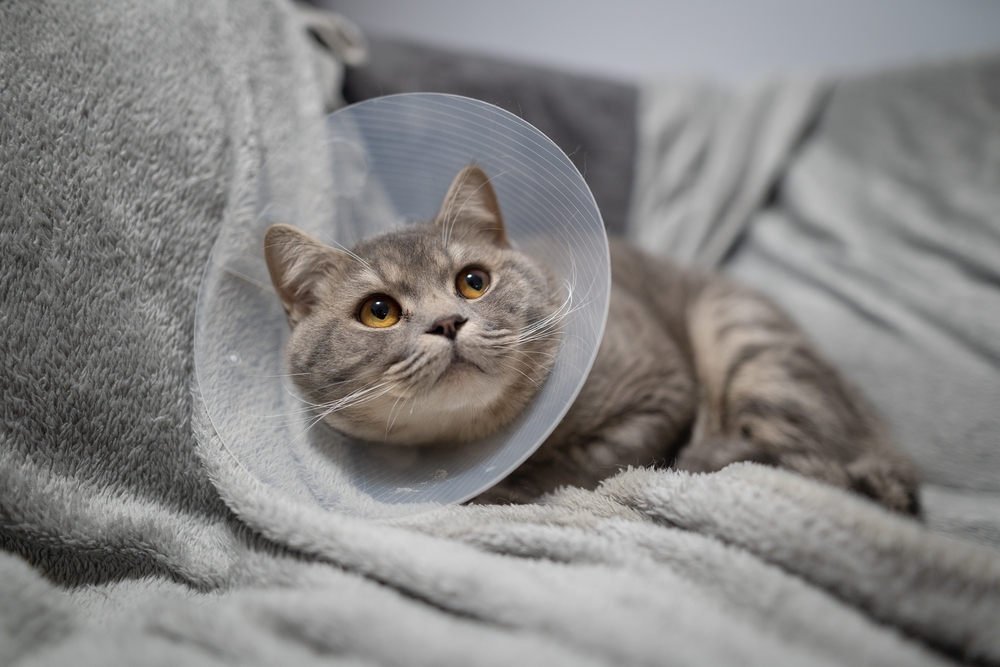
Cats have a reputation for watching human chaos unfold without lifting a paw. Researchers decided to put that stereotype to the test by creating a situation where a person clearly needed help finding something. A dishwashing sponge goes into a hiding place, and the cat sees exactly where it went. Then the person that cat…
Why Female Psychopathy Can Be So Difficult To Spot, According To Researchers

For more than 20 years, Fiona Girkin kept seeing a workplace pattern she could not easily explain. Certain colleagues could appear warm, charming and supportive when they first arrived, yet months later people around them described manipulation, isolation and serious psychological harm. The problem was that raising concerns could backfire. Without a clear framework for…
Study Finds Childhood Punishment May Fuel Aggression Later In Life

A discipline method used by families across the world may have consequences that last far beyond the moment a child is punished. Research summarized by the World Health Organization links corporal punishment with increased aggression, behavioural problems and a greater likelihood of using violence later in life. The scale is difficult to ignore. Around 1.2…
Your Brain May Actually Fall Into Sync With People Around You
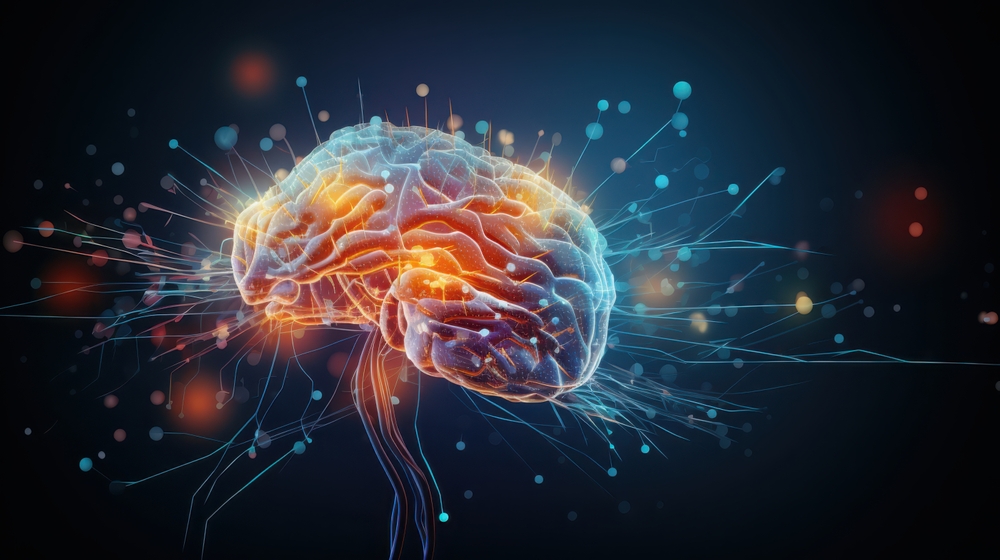
For years, “being on the same wavelength” sounded like a nice way to describe two people who instantly connected. Now researchers have found a way to measure part of what that phrase may actually mean inside the brain. Scientists using portable EEG headsets have found that people’s brain activity can become more synchronized during shared…
A 16-Year ADHD Study Just Turned One Major Assumption On Its Head

For years, researchers had a straightforward expectation about ADHD: as life becomes more demanding, managing the condition should become harder. A new study that followed people with ADHD for 16 years found something that went in the opposite direction. Researchers tracked 483 people diagnosed with ADHD during childhood, and their symptoms did not simply remain…
Scientists Warn Modern Life May Be Overloading The Human Brain

The train doors close and within seconds, phones appear across the carriage. One commuter checks a message, another scrolls through a video, someone reads a breaking-news alert while another watches a stranger’s carefully edited holiday unfold on a screen. In the space of a single journey, the human brain can be exposed to war, celebrity…