
Your cart is currently empty!
The Viral Boat Theory That Turns Everyday Anger Into A Reality Check
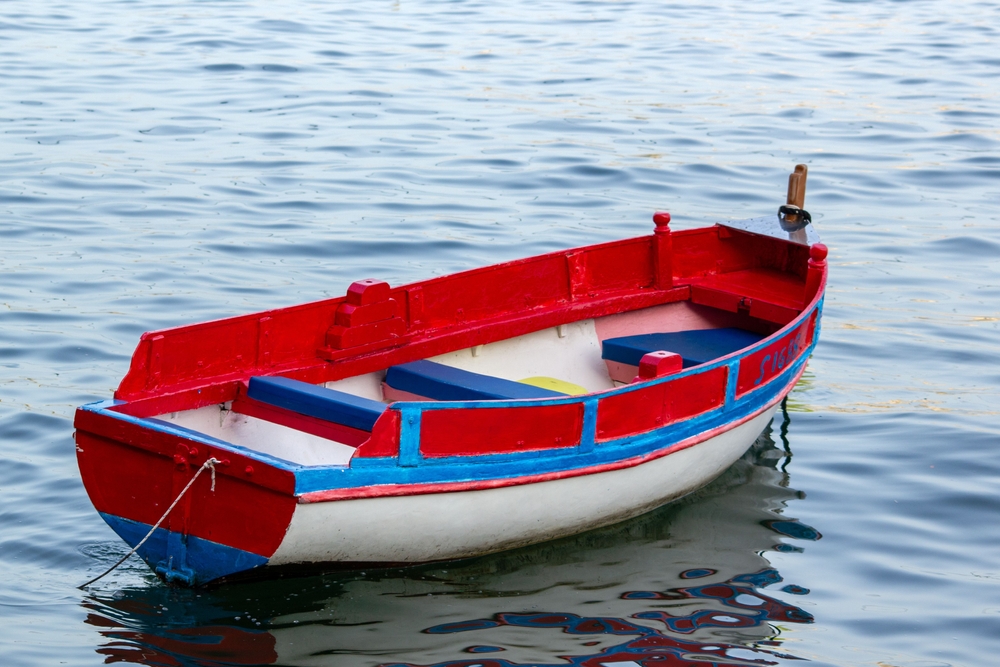
A small mental shift is making the rounds online because it gives people a cleaner way to handle anger before it takes over. The idea is called the Empty Boat Theory, and its message is direct enough to travel quickly: not every collision in life is personal.
Contents
show
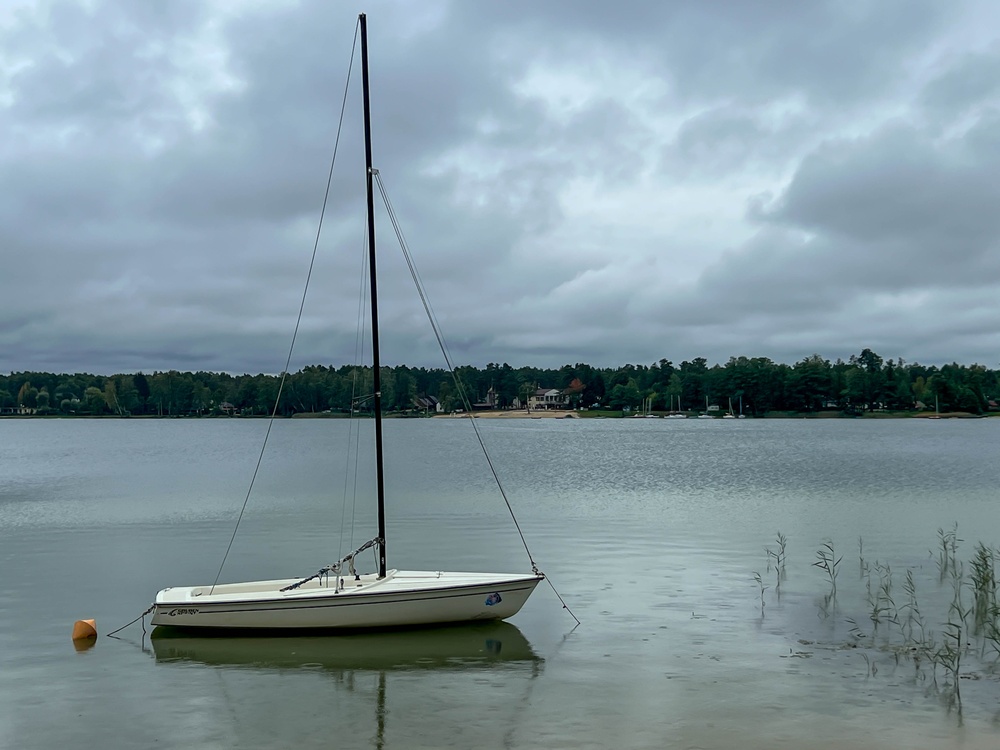
The concept has gained new attention through TikTok, but its roots reach back to an old Taoist-style parable about anger, assumption, and the stories people build around other people’s behavior. Its lasting appeal comes from how easily it fits into modern life, where a delayed reply, a blunt message, or a careless stranger can quickly feel like a personal attack.
The Thought Experiment Behind The Empty Boat Theory
The modern version asks people to imagine sitting alone on a boat in the middle of a lake. Another boat begins drifting toward them, close enough to cause alarm and frustration. In that moment, anger feels almost automatic because the mind looks for someone to blame. Someone must be steering badly. Someone must be ignoring the danger. Someone must be responsible for the collision that now feels inevitable.
@sean.of.the.living The “empty boat” theory has me brain spinning lately. This is a brain hack to staying in a happier mindset. #advice #emptyboat #lifehack ♬ original sound – Seananigans
Then the boat gets close enough to see clearly, and the truth changes the entire situation. There is no person inside. The threat may still be real, and the inconvenience may still exist, but the story of deliberate disrespect suddenly collapses. TikTok creator @sean.of.the.living captured the idea in one sentence: “There was never anybody to be angry with in the first place.”
That is the emotional force of the theory. It does not deny the bump. It questions the motive people attach to it before they have enough evidence. The same shift can apply far beyond the lake: a stranger cuts across traffic, a colleague sends a terse email, a friend replies hours later, or someone seems distracted during a conversation. The mind often turns those moments into proof of intent, even when the other person may be acting from stress, haste, confusion, or simple carelessness.
The Parable Is Really About Assumption
In the older parable, a young monk, or young man in some versions, goes out on a boat to meditate in peace. Another boat suddenly bumps into him, interrupting the quiet and sending him into anger. He opens his eyes, ready to confront whoever caused the disturbance, only to discover that the boat is empty.

With no person to accuse, his anger loses its target. The incident has not changed, but his interpretation has. That is why the parable has endured: it shows how much suffering can come from the story added after the event, rather than the event itself.
The lesson is not that people should ignore harm, excuse disrespect, or become passive in the face of repeated mistreatment. Some conflicts do require boundaries and direct action. The point is narrower and more useful: many ordinary frustrations do not come with clear evidence of malice, yet people often respond as if motive has already been proven.
@aliabdaal The Empty Boat: A Lesson in Letting Go A man gets furious when another boat crashes into him, shouting and ready to fight. But when the fog clears, he sees the boat is empty. No one was steering, no harm was intended. His anger disappears. Most frustrations in life are just empty boats. People are dealing with their own struggles, not trying to hurt you. Next time you feel anger rising, ask yourself – am I just reacting to an empty boat?
♬ original sound – Ali Abdaal
Why People Take Everyday Moments Personally
The Empty Boat Theory connects closely with a well-known psychological idea called the spotlight effect. In a 2000 paper, researchers described how people tend to overestimate how much others notice their appearance and behavior. The researchers wrote that people often believe “the social spotlight shines more brightly on them than it really does.”
@drjulie What are your thoughts on this? Let’s chat in the comments! #learnontiktok #socialanxiety #confidence #anxiety #mentalhealth #anxietey ♬ Emotional Piano Instrumental In E Minor – Tom Bailey Backing Tracks
That idea helps explain why the Empty Boat Theory feels so relevant. People naturally experience life from inside their own thoughts, worries, and insecurities, so it can be easy to assume others are paying the same level of attention. A brief message can feel cold, a delayed response can feel meaningful, and a stranger’s distracted expression can feel like judgment.

This is where anger and anxiety often meet. Anger may say someone meant to cause harm, while anxiety may say everyone noticed the mistake. In both cases, the person is placed at the center of a story that may not exist. The theory offers a practical pause before that story becomes a reaction.
How Assumptions Can Keep Anger Alive
Anger rarely arrives as a clean emotion. It often brings interpretation with it. Someone does something ambiguous, then the mind supplies a motive. Once that motive becomes hostile, the body can react as if the threat has been confirmed, even when the facts are still incomplete.

Researchers often discuss this through hostile attribution bias, which refers to interpreting unclear behavior as hostile or harmful. A 2019 study examined hostile attribution bias and angry rumination in 941 undergraduate students across two time points. They found a small but statistically significant link between hostile attribution bias and later angry rumination, while also noting that the size of the effects should not be overstated.
That balance matters. The study does not prove that every angry thought begins with hostile attribution, and it does not turn the Empty Boat Theory into a clinical treatment. It does support a grounded point: when people assume bad intent, they may be more likely to keep replaying the incident long after the moment has passed.
Why The Theory Works As A Mental Reset
Part of the theory’s appeal is its simplicity. It does not require clinical language, a formal practice, or a complicated framework. A person only has to picture the boat and ask whether the anger is attached to evidence or an assumption.
That visual quality makes it useful in the exact moments when emotional regulation is hardest. Many people know they should pause before reacting, but anger tends to move faster than analysis. The empty boat gives the mind a concrete image that can slow the sequence: event, assumption, emotion, reaction.

Mindfulness research offers a related lens. A 2010 study examined mindfulness-based stress reduction in people with social anxiety disorder and reported changes associated with attention regulation and emotional response. The Empty Boat Theory should not be treated as a substitute for therapy, but it sits comfortably beside the broader skill of observing an emotional surge before acting on it.
Why The Idea Fits Online Culture So Well
The Empty Boat Theory also feels unusually suited to the way people communicate online. Digital life removes many of the cues that usually soften misunderstanding: tone of voice, facial expression, timing, and context. A short reply can look hostile on a screen even when it was written in a hurry between meetings, errands, or personal stress.
That is part of why the idea has found an audience on TikTok. Social platforms often encourage people to read meaning into fragments, then react quickly. A post, comment, silence, or unfollow can become evidence in a story that may be incomplete. The Empty Boat Theory does not tell people to stop caring. It reminds them that a missing piece of context should not automatically become an accusation.

There is also a public life version of the same problem. Celebrities, creators, and public figures are often judged through tiny glimpses: a clip from an interview, a red-carpet expression, a caption, or a moment caught out of context. The theory offers a useful media literacy lesson for audiences, too. Before turning a fragment into a full character judgment, it is worth asking whether the boat is truly occupied, or whether the internet has supplied a motive that no one has proved.
When The Empty Boat Theory Should And Should Not Apply
A useful idea can become harmful when stretched too far. The Empty Boat Theory is strongest when used for everyday irritations, unclear motives, and emotional reactions that may be larger than the available evidence. It is not a reason to dismiss repeated disrespect, harassment, abuse, discrimination, or unsafe behavior.

The distinction is important because some boats are not empty. Some people do act carelessly in ways that cause harm, and some patterns deserve direct confrontation. The theory works best as a question, not a command. It asks whether the motive is known, whether there is a pattern, and whether the reaction fits the facts.
A practical way to apply it is to slow the moment down. Name what actually happened without adding motive. Notice the story the mind is building around it. Consider explanations that have nothing to do with personal rejection or deliberate disrespect. Then choose whether the situation needs patience, clarification, a boundary, or no response at all.
A Simple Idea With A Clear Emotional Payoff
The most striking line from @sean.of.the.living may be the one that sounds blunt at first: “Most of the time, nobody’s thinking about you.”
That thought can feel uncomfortable, but it can also be freeing. The world is full of people moving through their own stress, distractions, fears, and unfinished conversations. Some will bump into others without meaning to. The Empty Boat Theory gives that moment a little more room before anger decides the whole story.
The next time irritation rises quickly, the wiser move may be simple: look closely before deciding who is inside the boat.