
Your cart is currently empty!
Teacher Leaves Millennials Stunned After Pointing Out One Huge Difference Between School Then And Now
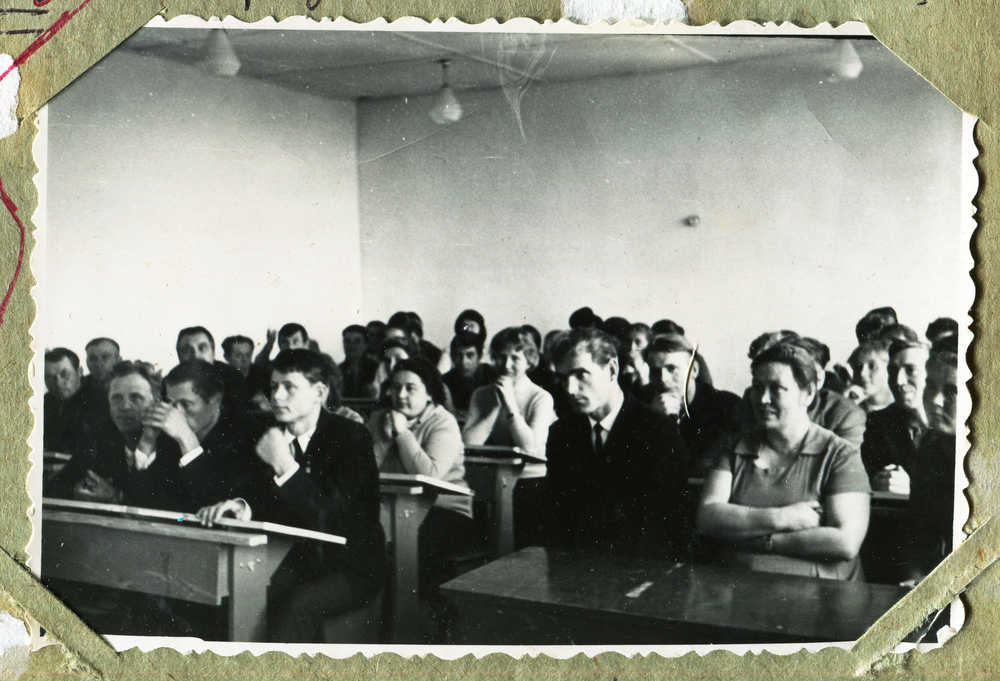
For millions of Americans who grew up in the 1980s and 1990s, school looked very different from what students experience today. There were no giant insulated tumblers sitting on desks, no constant reminders to stay hydrated, and certainly no social media debates about which reusable bottle was worth buying. If kids wanted water during the school day, they usually had one option: wait for a trip to the drinking fountain and hope nobody was waiting impatiently behind them.
Contents
show
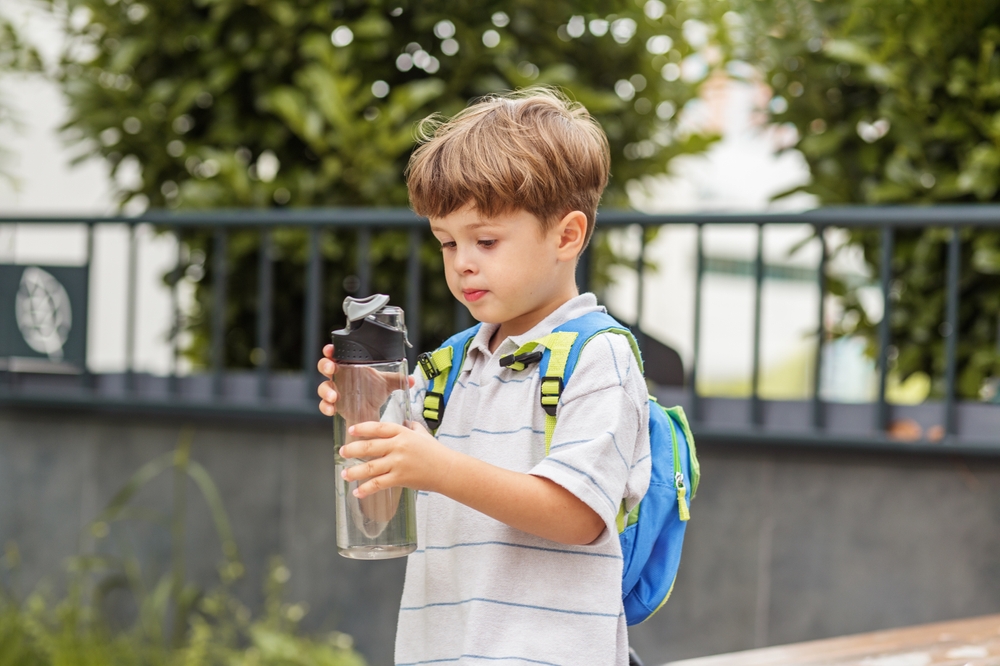
That reality came rushing back for many adults after a teacher shared a lighthearted observation on TikTok that quickly went viral. What started as a simple question about classroom water bottles turned into a flood of memories from people who grew up before hydration became a daily obsession. The conversation also highlighted how dramatically attitudes toward drinking water have changed over the past three decades, with many people wondering when carrying a water bottle everywhere suddenly became the norm.
One Question Opened The Floodgates
Miss Smith from the popular Bored Teachers TikTok page recently posted a video that immediately resonated with viewers over the age of 30. Looking back on her own childhood, she asked, “Does anyone over 30 remember being allowed to have a water bottle in their elementary classroom?”
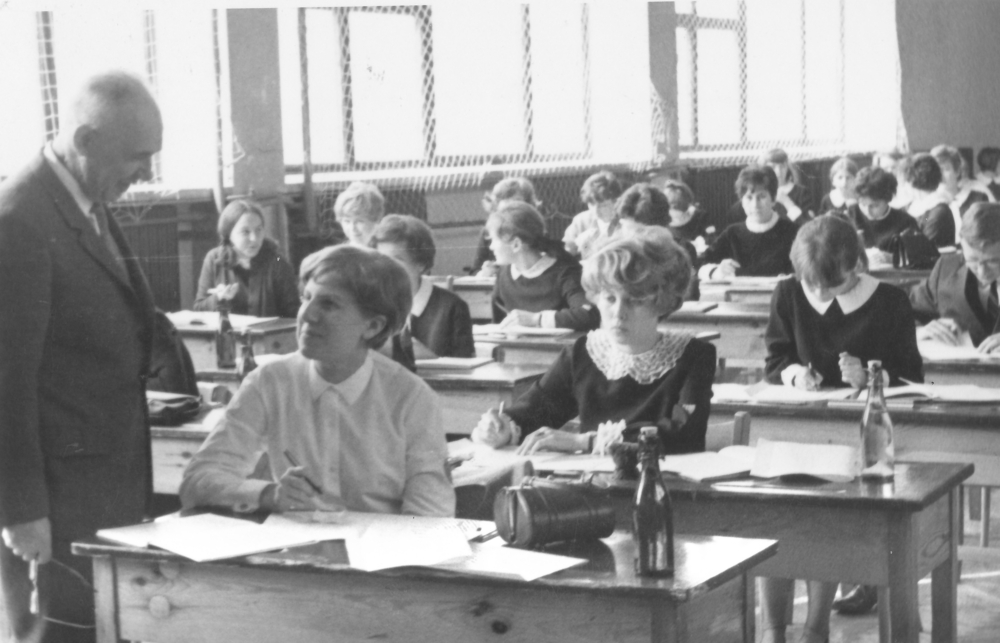
The question struck a chord because so many people had the exact same experience. While today’s students often carry oversized bottles from class to class, many children growing up in the 1990s never had that option. Water bottles were rarely seen in classrooms, and most students got through the day without having a drink constantly within reach.
The video quickly attracted more than 1.5 million views as viewers shared stories from their own school days. For many, it felt like a reminder of just how much everyday life has changed in what feels like a relatively short period of time.
The discussion also touched on a broader shift in American culture. Years ago, people generally drank water when they were thirsty. Today, many carry large reusable bottles everywhere they go, treating hydration as something that requires constant attention throughout the day.
The Era Of The Three-Second Water Fountain
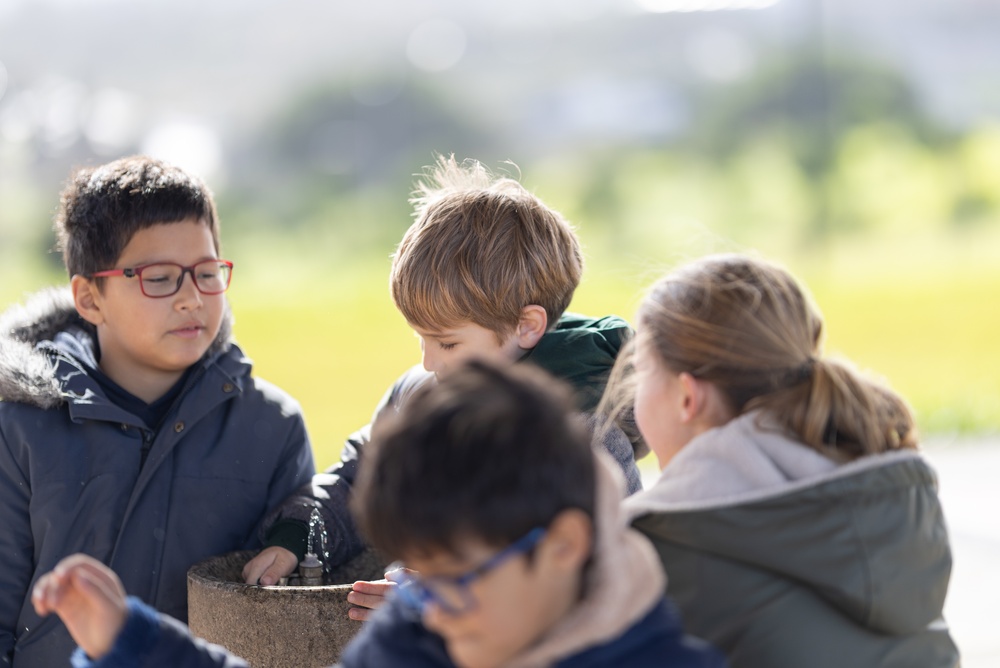
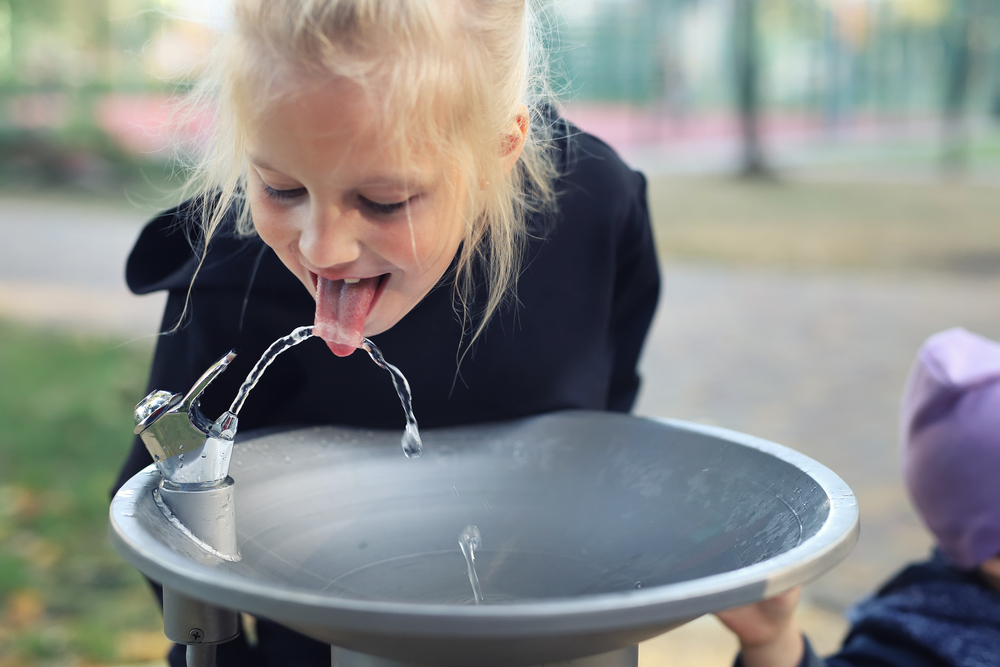
One of the most memorable parts of Miss Smith’s video involved the school drinking fountain. Anyone who attended elementary school in the 1980s or 1990s likely remembers waiting in line while classmates impatiently watched from behind.
“You were like gulping for life at that water fountain while kids behind you were like obnoxiously counting down or being like, ‘She’s getting more than 3 seconds!’” she said.
Many viewers laughed because the scenario felt painfully familiar. Getting a drink often felt like a race against time. Nobody wanted to be the student holding up the line, and there was always pressure to finish quickly before someone complained.
Miss Smith joked that modern parents would probably have a very different reaction if schools enforced those same unwritten rules today. “Can you imagine if we did that to today’s kids? The emails! The calls I would get,” she said.
How Hydration Became A Daily Obsession
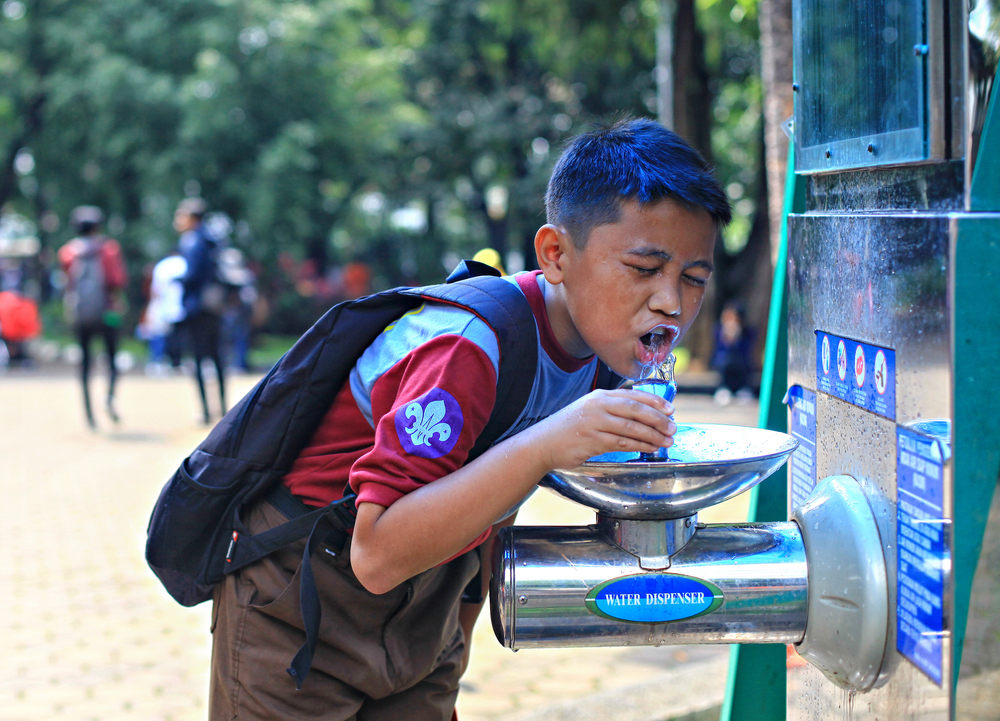
The conversation highlighted just how much attitudes toward water have evolved. Several decades ago, reusable water bottles were uncommon outside of sports teams, hikers, or a small number of health-conscious individuals. Most people simply drank water when they had access to it and rarely thought much about carrying it around all day.
Today, the situation is completely different. Large water bottles have become part of everyday life for adults and children alike. Many people leave home with bottles capable of holding 40, 50, or even 64 ounces of water, often refilling them multiple times throughout the day.
Health advice promoting hydration has become increasingly common, and social media has helped turn water consumption into a lifestyle trend. Staying hydrated is widely viewed as an important part of maintaining energy, focus, and overall wellness.
At the same time, the shift has created a noticeable contrast between generations. Adults who spent much of their childhood drinking from school fountains often find it amusing to see how attached younger generations have become to their reusable bottles.
The Internet Had Plenty To Say About It
The comments section quickly became a gathering place for people eager to share their own memories. Many responses blended nostalgia with humor as users reflected on habits that would seem unusual by today’s standards.
Some commenters joked that a lack of hydration may have shaped an entire generation. One person wrote, “I hear all the time that behavior issues have risen since we were kids; my theory is we were too dehydrated to misbehave.”
Others pointed out that access to water often went hand in hand with strict bathroom policies. “We didn’t have water bottles because they also didn’t want us to ever go to the bathroom,” another commenter wrote.
Perhaps the most relatable response came from someone who admitted, “I don’t remember drinking water as a kid. Unless it was from a hose, it was Kool-Aid or milk. How am I still alive?” The comment captured the disbelief many adults feel when looking back at childhood habits that now seem completely normal at the time.
When Water Bottles Became Status Symbols
The rise of reusable bottles has done more than encourage hydration. In recent years, certain brands have become cultural phenomena, transforming ordinary drinkware into highly sought-after accessories.
Many people now associate specific brands with personal identity, much like sneakers, handbags, or smartphones. Conversations about water bottles often involve brand loyalty, limited-edition colors, and social media trends that go far beyond simply carrying water.
One of the biggest examples came in early 2024 when a limited-edition Stanley and Starbucks collaboration created chaos at Target stores across the United States. Shoppers lined up before stores opened, while videos showed customers rushing displays in hopes of securing one of the popular tumblers.
The frenzy surprised many observers because the product itself was still a water bottle. Yet the excitement demonstrated how hydration products have evolved from practical items into lifestyle accessories capable of generating enormous demand.

Are We Overthinking Hydration?
Few people would argue against the importance of drinking enough water. Health experts have long emphasized the role hydration plays in supporting overall well-being, concentration, and physical performance.
What makes the viral discussion interesting is how quickly cultural habits can shift. An entire generation grew up without carrying water bottles to school and viewed drinking fountains as perfectly normal. Today’s students often spend the entire day with cold water sitting inches away from them.
The difference does not necessarily mean one generation had it right and the other has it wrong. Instead, it shows how changing health advice, consumer trends, and social habits can reshape everyday behavior in ways people barely notice until they look back.
For many adults watching Miss Smith’s video, the biggest surprise was not remembering life without water bottles. It was realizing just how normal that life once seemed.