
Your cart is currently empty!
Four Teenagers Saved A School Bus From Disaster After Their Driver Collapsed
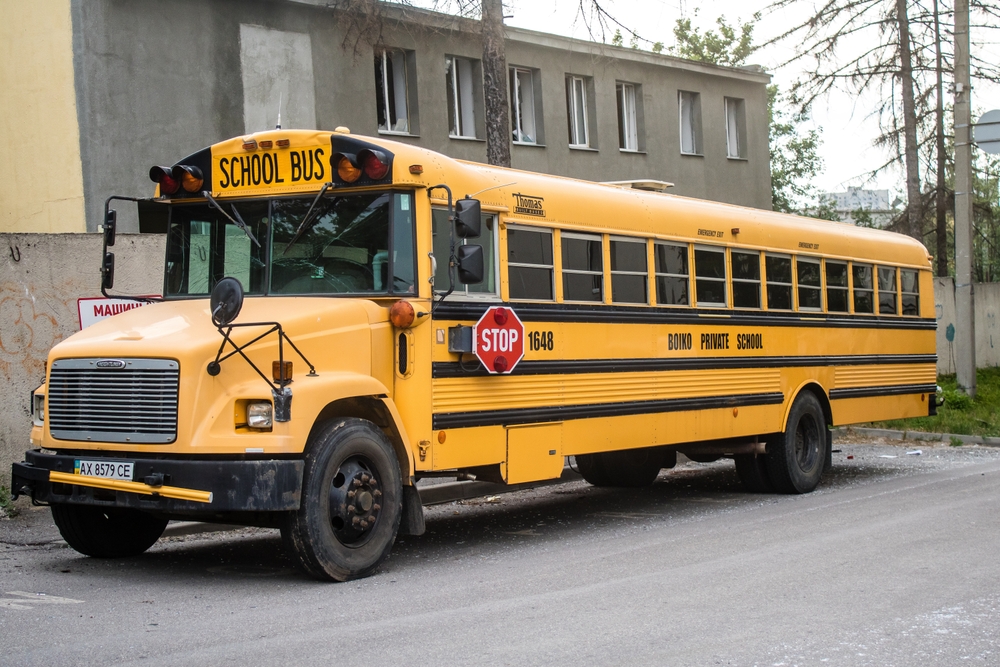
A routine school bus journey home suddenly became a frightening emergency when a Pennsylvania driver appeared to lose consciousness behind the wheel. With the vehicle still moving and students on board, four teenagers had to react quickly before the situation could turn into a serious accident.
Contents
show
Sophomore Alexis Smith and seniors Skyla Horton and Travis Zerby, alongside sophomore Jenna Anderson, each played a crucial role in bringing the emergency under control. They helped stop the bus, contacted emergency services and checked on the driver. However, when school officials later reviewed what happened, one detail stood out: not a single student had pulled out a phone to record the incident.
The School Bus Continued Moving When Students Noticed Something Was Wrong
The incident involved students from Hollidaysburg Area School District in Blair County, Pennsylvania. The bus had just dropped off a group of 10 junior high students when the driver experienced a medical emergency, leaving the remaining passengers facing a situation none of them had expected during their journey home.
Senior Skyla Horton said her sister had been the last student to step off the bus before those still on board began realizing something was wrong. The vehicle was shaking, and the driver was not responding as expected. Instead of making its usual turn, the bus continued straight ahead, raising concerns among the teenagers near the front.
Horton noticed that the driver’s head was beginning to bob, while the vehicle continued moving. At that point, sophomore Alexis Smith rushed toward the front of the bus as senior Travis Zerby told her to press the brake. The students recognized that they needed to act quickly to prevent the situation from becoming more dangerous.
The bus driver had apparently become unresponsive, and the vehicle was still moving with passengers inside. There was little time for the teenagers to work out exactly what was happening before deciding how to respond.
Smith later admitted that she initially panicked when she realized she was being asked to help stop a moving school bus. Speaking to the Altoona Mirror, she recalled the confusion she felt before focusing on the task in front of her.
“I was like, ‘What am I supposed to do,’” Smith told the newspaper. “I panicked a little bit, and then I realized I had to slam the gear shifter up first.”
Despite her initial fear, Smith managed to apply the foot brake. Horton also pulled the parking brake, helping bring the vehicle to a stop while other students began organizing the next steps.
Four Teenagers Worked Together To Bring The Emergency Under Control
Once the students realized the driver needed immediate assistance, they each took on different responsibilities. Their response involved stopping the vehicle, helping passengers leave safely, contacting the bus company and calling emergency services.
Smith concentrated on the controls near the front of the bus, while Horton helped secure the vehicle and opened the doors. Another student opened the rear emergency exit, giving passengers an additional way to get off safely as the situation unfolded.
Zerby used the bus radio to contact Fullington Bus Co. and request assistance. At the same time, Anderson called 911 to alert emergency services about the driver’s condition. Their actions meant that help was being requested while Smith and the others continued attending to the immediate situation.
The teenagers had several responsibilities to manage in a short period. They needed to make sure the bus was no longer moving, help other students get out safely and check on the driver while waiting for medical assistance.
Their individual actions complemented one another, allowing the group to respond to several parts of the emergency at once. School officials later praised the teenagers for their quick thinking and ability to cooperate under pressure.
The principal’s account of the incident also indicated that the students followed instructions and worked together throughout the emergency. Their response showed how a coordinated effort can help people manage a frightening situation when everyone focuses on the task that needs attention.
The four students were not professional emergency responders, but they recognized that the driver was in trouble and took action to get help. Their decisions helped bring the immediate danger under control and allowed attention to shift toward the driver’s medical condition.
Alexis Smith Checked The Driver’s Pulse And Breathing
After helping stop the bus, Smith turned her attention to the driver. Accounts of the incident reported that she checked his pulse and found it was weak, prompting her to continue monitoring his condition while the students waited for first responders.
Smith also checked his breathing and attempted to move him from his seat before he regained consciousness. She continued monitoring him while the others worked to secure assistance and make sure passengers could leave the vehicle safely.
The teenager’s response drew praise from school officials, who highlighted her willingness to help when the driver was unable to respond normally. The Hollidaysburg Area School District subsequently thanked Smith for her bravery and quick thinking, saying her actions helped prevent a “possible catastrophe.”
The situation required the students to move beyond the immediate challenge of stopping the bus. They also had to recognize that the driver needed medical attention and communicate the urgency of the situation to emergency services.
Superintendent Curtis Whitesel was particularly impressed by how the teenagers responded. Speaking to PEOPLE, he described his reaction to their efforts and praised the way they took responsibility during the emergency.
“I’m just blown away at their reaction,” Whitesel told PEOPLE, explaining how the students took matters into their own hands and helped save a busload of children.
He also praised their resilience, saying that the way young people responded to difficult situations continued to amaze him. His comments reflected the school’s appreciation for the students who had acted quickly when the driver became unresponsive.
The driver eventually regained consciousness, and Smith continued checking on him until medical assistance arrived. According to the reports, she remained focused on helping him rather than treating the incident as something to watch from a distance.
The outcome was a relief for everyone involved, particularly because the bus had been moving before the teenagers intervened. Their actions helped bring the vehicle to a stop and ensured that emergency services were contacted.
Their Health And Medical Science Teacher Helped Prepare Them
Smith and Horton credited their health and medical science instructor, Alisha Clingerman, with teaching them skills that helped them respond during the emergency. The students attended the Greater Altoona Career and Technology Center, where they received instruction relevant to health and medical science.
Horton praised Clingerman’s teaching and explained how the lessons had prepared students to think about situations that might otherwise catch them completely off guard.
Horton said Clingerman “does a really good job at teaching her kids what to do in a panic situation or in any situation that could happen.”
That preparation appeared to be valuable when the teenagers faced an emergency outside the classroom. Although Smith acknowledged that she panicked at first, she was able to focus on the task of stopping the bus and then helping the driver.
The incident also drew attention to the importance of emergency practices in schools and on school transportation. Students may not expect to face a serious situation during an ordinary journey home, but understanding how to respond can help them recognize danger and follow instructions when circumstances change unexpectedly.
Hollidaysburg Area Senior High School Principal Breanne Venios praised the students after footage from the bus was reviewed. She said their response demonstrated the importance of the emergency practices they undertake and highlighted how effectively the teenagers worked together.
Venios described their behavior as textbook, noting that students listened and followed instructions rather than allowing the situation to descend into confusion. The students’ response offered school officials a clear example of young people putting their preparation into practice during a real emergency.
Their experience also shows that training can provide a starting point when people face an unfamiliar problem. The students still had to make decisions in the moment, but their knowledge helped them identify tasks that needed immediate attention.
The Principal Was Amazed That No Student Pulled Out A Phone
One detail from the incident particularly impressed Venios when she reviewed the footage: none of the students had taken out a cellphone to record what was happening.
Instead, the teenagers concentrated on helping the driver, stopping the vehicle and following instructions. The absence of phones being used to film the emergency stood out because the students were dealing with a frightening event that could easily have attracted attention from anyone watching.
Venios addressed the detail directly when discussing the incident, praising the students for remaining focused on the emergency rather than recording it.
“Not one cellphone was out recording,” Venios said. “Everyone was listening, everyone was following instructions, which goes to show the importance of the bus emergency practices they do.”
Her comments highlighted the practical value of the students’ response. They were not simply witnessing an alarming event; they were taking steps to address it and help the people involved.
The distinction is especially clear in Anderson’s decision to use her phone to call 911. Her action served an immediate purpose by contacting emergency services, while the other students concentrated on stopping the bus and checking on the driver.
The principal also praised the way the teenagers listened to one another and followed instructions. She believed the incident showed how effectively students could work together when faced with an unexpected challenge.
“The fact that everyone buckled down, listened and followed instructions, it was textbook the way that everyone responded,” Venios said. “So it was really nice to see the kids work together to make it happen.”
Her comments reflected the importance of cooperation during emergencies. Each student contributed to the response, and their willingness to concentrate on what needed doing helped the group manage the situation.
The detail about the phones also offered a different perspective on the incident. The students had an opportunity to witness something frightening, but their immediate attention remained on the driver and the passengers who needed help.
School Officials Praised The Students For Preventing A Possible Catastrophe
The school district publicly recognized Smith for her courage and quick response after the incident. Its statement praised the teenager for helping prevent what it described as a “possible catastrophe,” while officials also acknowledged the contributions made by the other students.
Whitesel described the four teenagers as heroes and expressed admiration for their response. His comments emphasized the importance of the decisions they made when the bus driver could no longer carry out his duties.
The praise extended beyond a single action because the emergency required the students to work together. Smith helped stop the bus and checked the driver’s condition, Horton used the parking brake and opened the doors, Zerby contacted the bus company, and Anderson called emergency services.
Their response also demonstrated how different responsibilities can come together during an emergency. One student could focus on the vehicle, another could request assistance, and someone else could check on the person who needed medical attention.
The teenagers’ actions helped ensure that the situation was addressed before it could develop into a more serious incident. School officials were grateful that the driver survived the emergency and that the students were able to help.
The episode also placed a spotlight on the role of practical education. The students had learned about responding to emergencies, and their experience demonstrated the value of taking those lessons seriously.
Rather than relying on a single person to handle everything, the teenagers responded as a group. Their ability to divide tasks and follow instructions became a defining part of the incident.
The Bus Driver Recovered And Returned To His Route
Fortunately, the emergency ended with positive news about the driver. Officials confirmed that he recovered, received medical clearance to drive again and returned to his regular route.
The reports did not indicate that any passengers were injured during the incident. For the students and school community, the driver’s recovery offered a welcome outcome after an incident that could have ended very differently.
The return to work also meant the driver had been cleared medically to resume his duties, according to Superintendent Whitesel’s comments to PEOPLE. Officials did not present the emergency as something the students could have predicted, but they praised the way they responded once they recognized the danger.
The students’ actions were also a reminder of why emergency preparation matters in school settings. Unexpected situations can develop quickly, and the ability to recognize a problem, communicate clearly and seek help can make a difference.
For the four teenagers, the journey home became an experience they were unlikely to forget. Their decisions helped stop the bus, brought emergency services into the situation and ensured the driver received attention while help was on the way.
Their response did not require them to know every possible answer. They identified what needed to happen first and worked together to address the immediate danger.
Four Students Proved Their Actions Could Matter In A Crisis
The incident in Pennsylvania was frightening because it unfolded during an ordinary school bus journey. The driver became unresponsive, the vehicle kept moving, and the students suddenly found themselves facing a situation that demanded quick decisions.
Smith, Horton, Zerby and Anderson each played a part in bringing the emergency under control. Their actions helped stop the bus, contact the right people and provide assistance to the driver before first responders arrived.
School officials praised their courage, their cooperation and the way they followed instructions under pressure. The students’ teacher also received recognition from Smith and Horton for helping prepare them to respond to emergencies.
The driver recovered and was medically cleared to return to his route, giving the story a positive outcome after a frightening series of events.
What stands out is the way the teenagers directed their attention toward the people who needed help. With the bus still moving and the driver unresponsive, they chose to act, communicate and work together. Their response showed how much a group of prepared and attentive students can accomplish when an emergency demands immediate action.