
Your cart is currently empty!
The Middle East Holds Half of the World’s Conventional Oil Reserves. But Why?
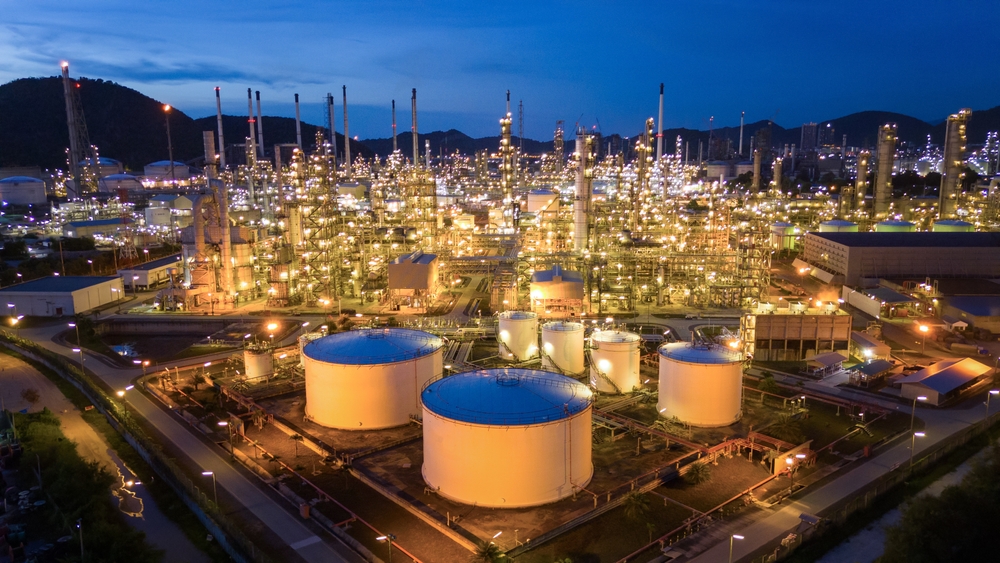
The idea that one region came to dominate the global oil map can sound almost too neat, as though history simply handed the Middle East an outsized role in the modern energy economy. But the real answer is older, slower, and far more geological than political. Long before pipelines, refineries, and strategic shipping lanes, this region was being shaped by conditions unusually favorable for the formation and preservation of petroleum.
What makes the Middle East exceptional is not just that oil formed there, but that so many of the right ingredients came together in one place and remained intact over immense spans of time. Warm ancient seas, abundant marine life, oxygen-poor seabeds, deep burial, porous rock, reliable seals, and relative tectonic stability combined to create one of the most concentrated hydrocarbon systems on Earth.
In that sense, the region’s energy wealth is less a single miracle than a chain of geological advantages accumulated over hundreds of millions of years. It is a story about time, pressure, chemistry, and preservation, and it helps explain why the Middle East still sits at the center of global energy conversations today.
The Sea Beneath the Story
To understand why the Middle East is so oil-rich, it helps to begin with geography that no longer exists. Much of the region once lay beneath the Tethys Ocean, a vast tropical to subtropical seaway that, at different times in Earth history, covered areas that are now part of the Arabian Plate and surrounding basins.
These warm, shallow marine environments were biologically productive. Microscopic organisms such as plankton and algae flourished in the water column. When they died, their remains settled onto the seafloor, where some were preserved rather than fully consumed by decay.
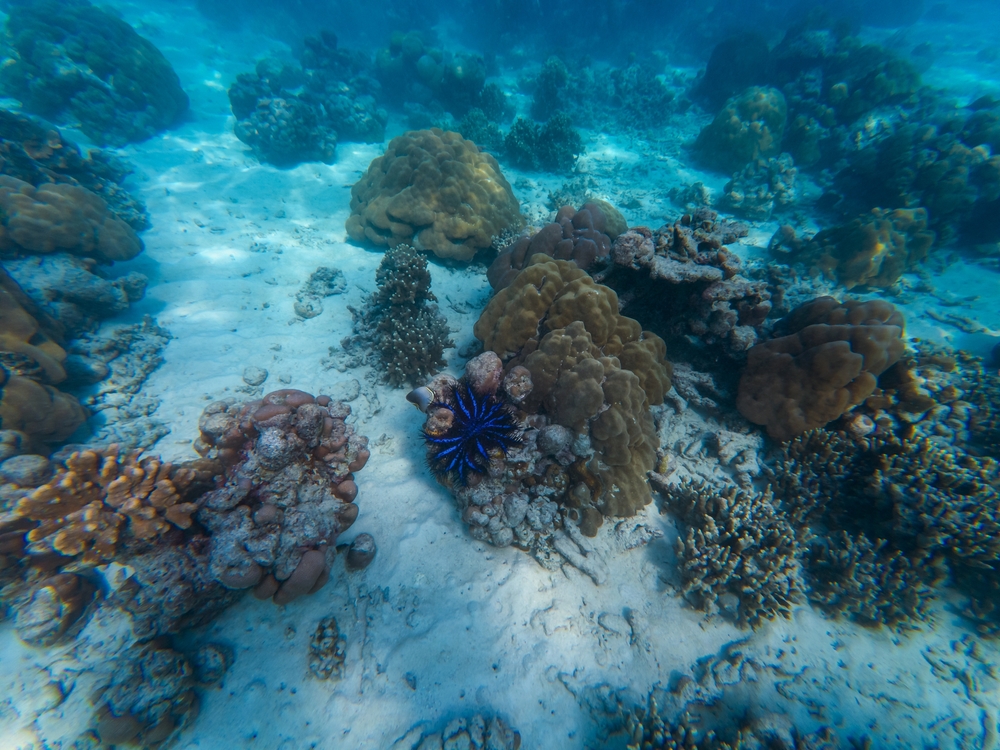
That preservation mattered enormously. In certain settings, bottom waters and seafloor sediments were oxygen-poor or anoxic, sharply reducing decomposition and allowing organic-rich sediments to accumulate over long periods. Those sediments would later become the source rocks from which oil was generated.
A useful modern scientific reference appears in a 2024 study, which examines Paleo-Tethys hydrocarbon source rocks and emphasizes how depositional environment, organic matter enrichment, and preservation conditions shape petroleum potential.
The broader takeaway is straightforward: the Middle East did not merely have ancient seas. It had marine settings that were especially effective at collecting and preserving carbon-rich material over geological time.
How Ancient Life Became Oil
Organic material alone is not oil. It must be transformed.
Over millions of years, those marine sediments were buried beneath younger layers of mud, carbonate sediments, evaporites, and other deposits. As burial depth increased, so did temperature and pressure. This gradual heating converted organic matter first into kerogen and then, under the right thermal conditions, into liquid hydrocarbons and gas.
This process is often described as geological cooking, but the phrase can obscure how precise the conditions must be. Too little burial and the organic matter never matures enough to generate oil at scale. Too much heat and the system can shift toward gas generation or lose some oil potential. The Middle East benefited from broad areas where source rocks reached highly favorable maturation windows.
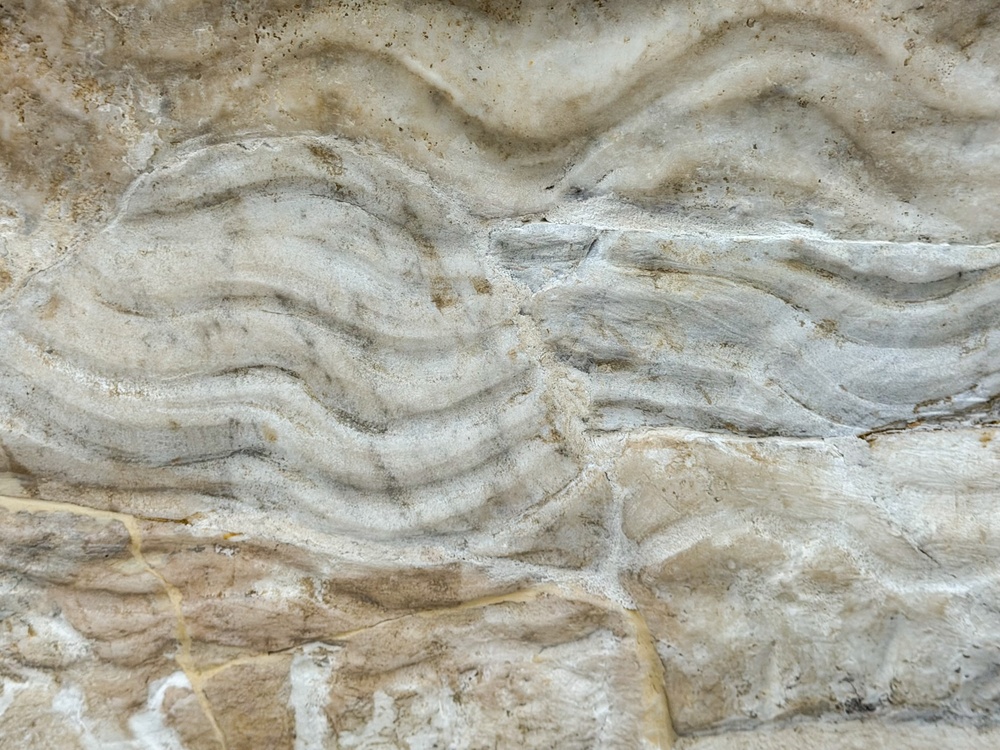
According to the 2023 paper Petroleum Systems Analysis of the Eastern Arabian Plate, researchers studying more than 500 crude oil samples across 112 oil fields found that the eastern Arabian Plate contains multiple active petroleum systems shaped by source-rock age, depositional setting, migration pathways, and maturation history. The study also notes that the Arabian Plate is widely regarded as one of the most hydrocarbon-rich regions in the world.
That matters because it moves the story beyond the simplistic idea that the Middle East has oil merely because it once had abundant marine life. Many parts of the world did. The difference here is that so much of that organic material was buried to the right depths and matured within remarkably productive petroleum systems.
The Rocks That Locked In Wealth
Even when oil is generated, it does not automatically remain available in giant, recoverable accumulations. It must migrate into rocks capable of storing it, and then remain trapped for immense periods of time.
This is another area where the Middle East benefited from exceptional geological architecture. Large carbonate and sandstone reservoirs, especially across the Arabian Plate, acted as storage spaces for migrating hydrocarbons. Their porosity allowed fluids to move in and accumulate. Above them, impermeable seal rocks such as anhydrites, shale units, and evaporites helped prevent oil and gas from escaping.
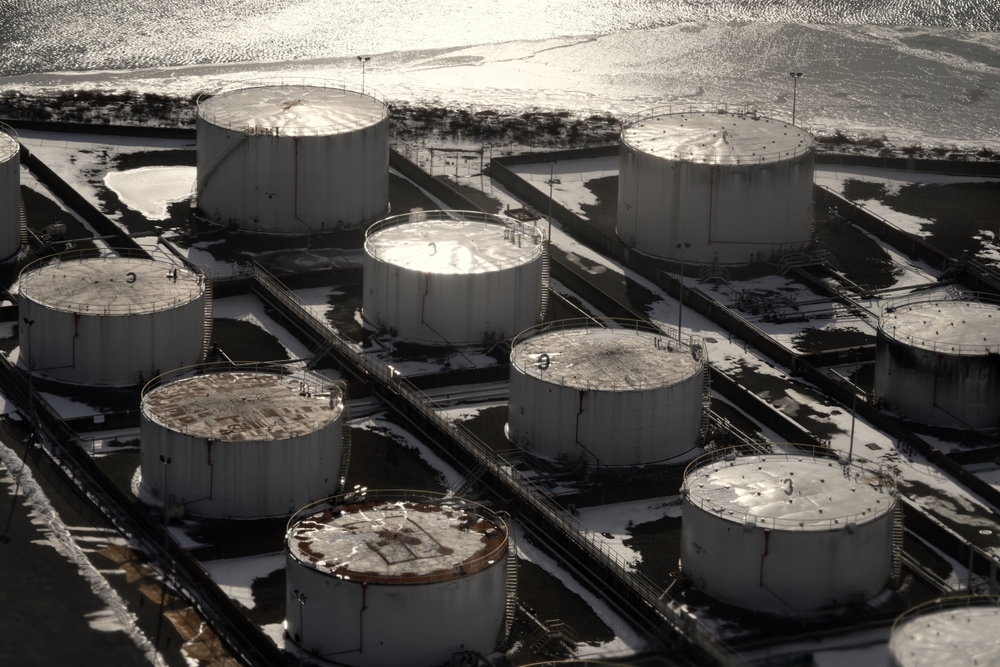
In practical terms, the region possessed the geological equivalent of a well-designed container system. Source rocks generated hydrocarbons, reservoir rocks stored them, seal rocks prevented major leakage, and structural and stratigraphic traps concentrated them into giant fields.
Just as important, many of these systems remained intact because the Arabian Plate preserved them unusually well over time. Many other parts of the world generated hydrocarbons but later experienced tectonic disruption intense enough to deform, breach, uplift, or erode their petroleum systems. In the Middle East, relative long-term stability helped protect key source rocks, reservoirs, and traps.
A major U.S. Geological Survey assessment describes how hydrocarbon production across the Arabian Peninsula and Zagros area is closely tied to prolific source rocks, carbonate reservoirs, and seal intervals such as anhydrites in the Arab Formation. The report also underscores the extraordinary concentration of conventional petroleum systems in the region.
That is a crucial distinction. The Middle East did not simply generate oil at scale. It also retained it. This rare continuity from source formation to long-term trapping is one reason the region is known for giant and supergiant conventional fields.
The Stability Advantage
One of the most important parts of this story is also one of the least dramatic: geological stability.
Many regions around the world generated hydrocarbons but later experienced tectonic disruption intense enough to deform, breach, heat, uplift, or erode their petroleum systems. Faulting, mountain building, magmatism, or uplift can compromise reservoirs and seals, or alter the burial history that made oil generation possible in the first place.
The Arabian Plate, by contrast, preserved many of its petroleum systems with unusual effectiveness over vast areas. That relative long-term stability did not mean no tectonics at all, but it did mean that many key source rocks, reservoirs, and traps remained intact long enough for enormous accumulations to survive.
This is where the Middle East’s oil story becomes especially distinctive. Plenty of basins around the world had source material. Plenty also had burial. But fewer regions combined those ingredients with such extensive preservation.
The result was not just oil generation, but retention.
That distinction helps explain why geologists often speak of the region in terms of complete petroleum systems rather than isolated deposits. The Middle East’s energy wealth reflects a rare continuity from source formation to final trapping.
Why It Still Matters Today
The geological story is ancient, but its consequences are contemporary.
OPEC’s 2025 Annual Statistical Bulletin, which reports data through the end of 2024, stated that world proven crude oil reserves stood at 1,567 billion barrels, with OPEC member countries accounting for 1,241 billion barrels. Much of that reserve base remains concentrated in Middle Eastern producers such as Saudi Arabia, Iran, Iraq, Kuwait, and the United Arab Emirates.
Meanwhile, the International Energy Agency noted in its 2025 regional investment analysis that the Middle East provided around 30% of global oil production in 2024 and continues to hold some of the world’s lowest-cost oil and gas resources.
Those figures show that the region’s significance is not only historical or symbolic. Its geology still shapes pricing, investment, diplomacy, transport routes, and energy security.
That continued influence rests on several enduring advantages. The reserves remain vast by any global standard, many Middle Eastern fields are comparatively low-cost to develop and operate, giant accumulations support production at scale, and decades of infrastructure development have reinforced the region’s role in global supply chains.
In other words, prehistoric conditions still echo through today’s markets.
A Deeper Lesson Beneath the Headline
There is something quietly humbling about this story. Modern economies often treat oil as a present-day commodity, measured in daily output, prices, and export capacity. But the existence of that oil reflects biological and geological processes that unfolded over spans of time almost impossible to imagine on a human scale.
The Middle East’s petroleum wealth was not created by a single event, nor by geography alone. It emerged from a sequence of favorable circumstances: a productive ancient sea, unusual preservation of organic matter, deep but not destructive burial, excellent reservoirs, reliable seals, and the long-term stability needed to keep the system intact.
That is why the region stands apart. Its oil reserves are not just a resource story. They are a reminder that the modern world is still shaped by ancient conditions that science helps bring into view.