
Your cart is currently empty!
The Oldest Hominin Footprints Ever Found Are at Risk of Destruction, Researchers Warn
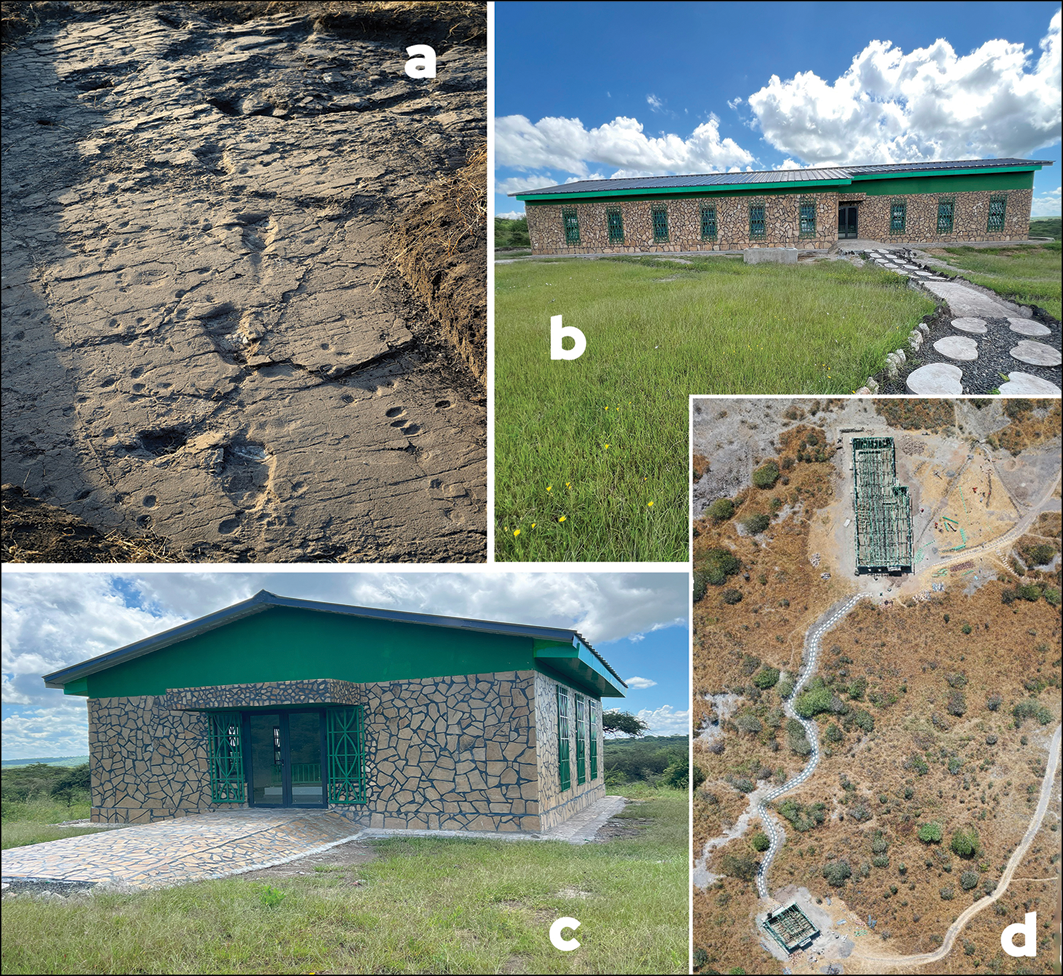
Some 3.66 million years ago, a group of early human ancestors walked across a stretch of damp volcanic ash in what is now Tanzania, leaving behind their footprints. Those prints hardened, were buried, and survived across an almost unimaginable span of time, eventually becoming one of the most important discoveries in the study of human evolution. Now, researchers say, they are in danger of being lost.
Contents
show
The threat to these ancient tracks does not come from the forces that usually endanger such treasures. It is not war, looting, or climate change that has put them at risk. According to a new investigation, the danger comes from a far more troubling source, and one that makes the situation all the more difficult to accept. What is happening at this site, and at three others across the country, points to a failure at the heart of the very system meant to keep these places safe.
The Footprints At The Center Of The Warning
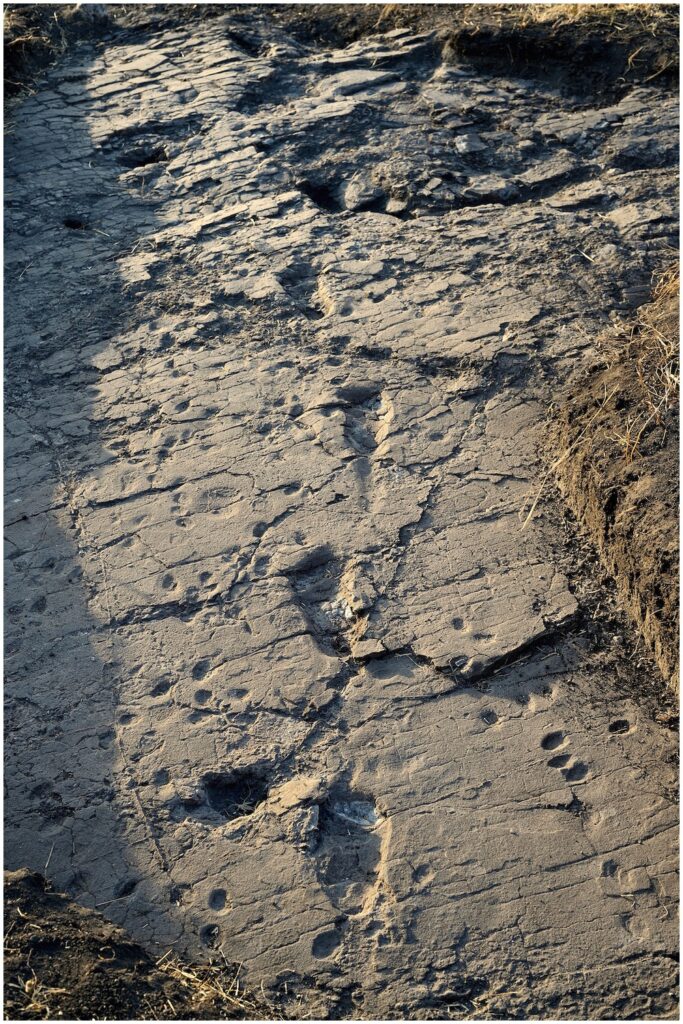
The site in question is Laetoli, located within Tanzania’s Ngorongoro Conservation Area. It preserves fossil footprints dating back 3.66 million years, made by Australopithecus afarensis, the same species as the celebrated early human ancestor known as “Lucy.” Pressed into ancient volcanic ash and sediment, the prints sit among rocks rich in paleontological and archaeological deposits, including fossil remains and stone tools.
The discovery has a storied place in the history of the field. Mary Leakey and her colleagues recorded a footprint trackway at Site G in the 1970s, and that trackway has since become the focus of numerous research projects, producing a long line of internationally renowned publications. For decades, scientists have returned to Laetoli to study what the footprints reveal about how our distant ancestors moved through the world, making the site a cornerstone of research into human origins.
An Investigation Pointing The Finger Inward
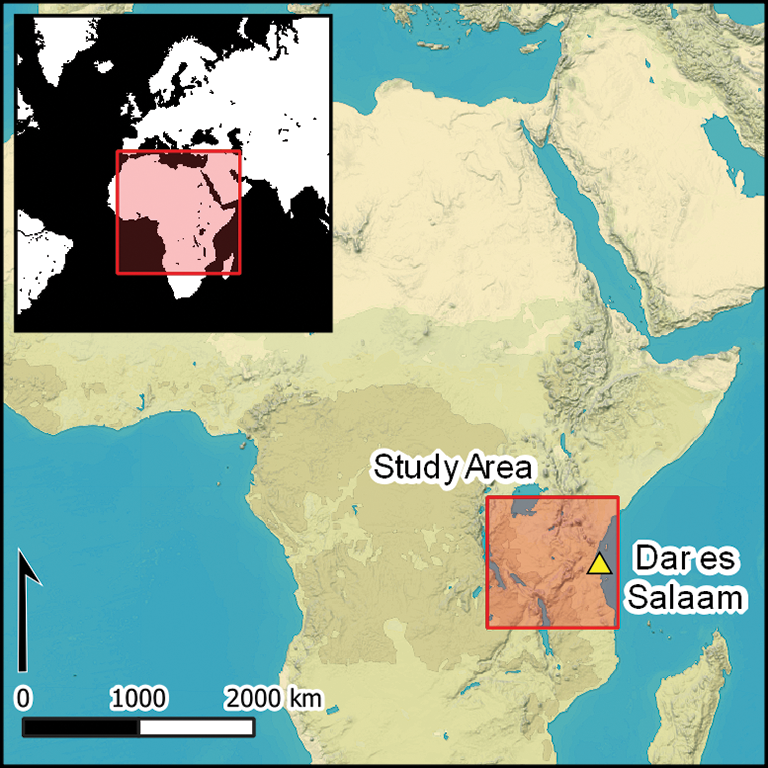
The warning comes from a new study published in the journal Antiquity, written by Elgidius Ichumbaki of the University of Dar es Salaam and Peter Schmidt, an emeritus professor at the University of Florida who has conducted field research in Tanzania for nearly six decades. Their central claim is as uncomfortable as it is striking: the Tanzanian state bodies charged with safeguarding these sites have, the authors argue, dismissed the concerns of conservationists and local communities in pursuit of tourism revenue.
The finding upends the usual story of endangered African heritage. Known threats to the continent’s archaeology tend to involve climate change or armed conflict, which makes the identification of institutional self-harm an unexpected and unsettling contributor. The authors reached their conclusions through multiple seasons of field visits and extensive interviews with a wide range of people, from local village elders to the laborers who built tourist infrastructure at the sites.
Schmidt does not soften the assessment. “Research into Tanzania’s heritage management reveals a critical systemic failure within the Department of Antiquities, characterized by lack of qualified personnel, a long-standing pattern of community disengagement and a failure to meet policy mandates,” he explains.
The Tanzanian Ministry of Natural Resources and Tourism, which holds overall responsibility for the nation’s heritage sites, did not respond to a request for comment, leaving the government’s perspective absent from the account.
The Four Sites Under Threat
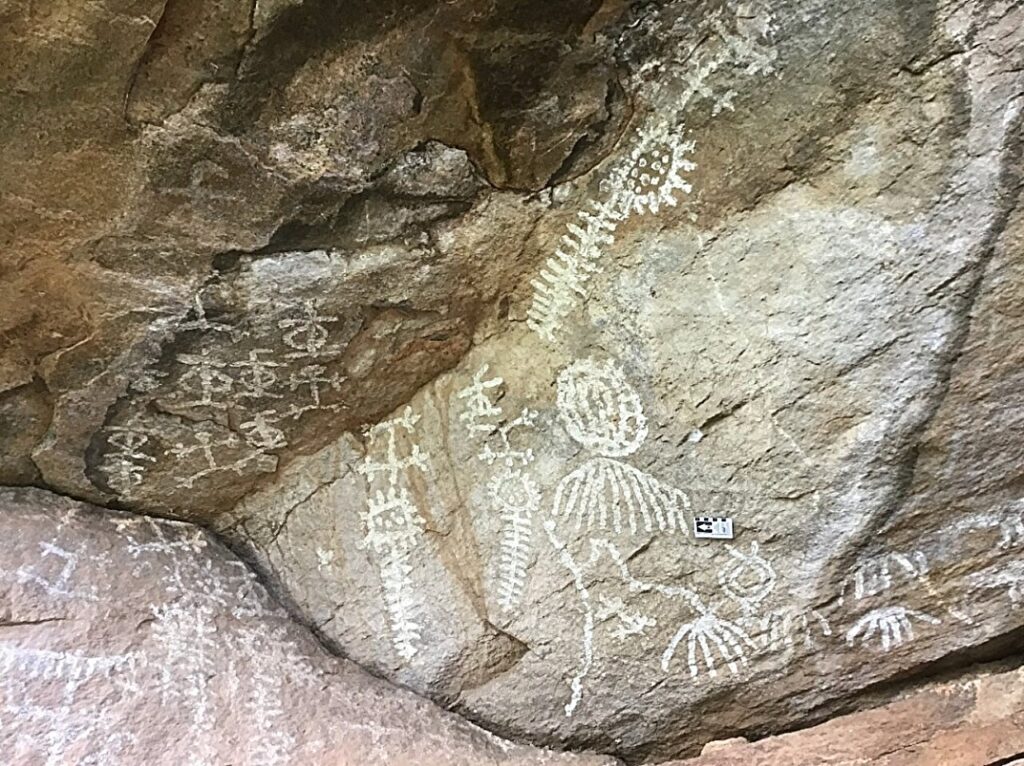
While Laetoli is the most ancient of the endangered sites, the study casts a wider net, examining four locations in all. Alongside the footprints sits Kilwa Kisiwani, an island and UNESCO World Heritage Site that once served as the largest medieval settlement and gold trading center in East Africa. The third is the rock art at Kondoa, another UNESCO World Heritage Site, located in the Dodoma region. The fourth is the Kaiija shrine and early Iron Age metal works at Katuruka, west of Lake Victoria.
The nature of the threat differs across these places. At Laetoli and Kilwa Kisiwani, the damage came from the physical construction of tourist infrastructure carried out without proper expert consultation. At Kondoa and Katuruka, the danger stems instead from a failure to work with the local communities, who hold deep cultural ties to the sites. As Ichumbaki frames it, the rock art of Kondoa and the ancient iron-working evidence at Katuruka are at immediate risk, and rather than building partnerships that could resolve ownership conflicts and protect these places, the government has actively discouraged successful local projects.
How Tourism Infrastructure Damaged The Sites
The roots of the problem, according to the authors, trace back to a 2008 shift in government priorities aimed at monetizing heritage sites by attracting more tourists. The buildings and infrastructure needed to support that tourism were constructed, the study says, without the impact assessments required under both Tanzanian law and, in the case of the World Heritage Sites, international policy. Heavy machinery and laborers untrained in preservation best practices damaged the sites during construction, while oversight was handed to organizations that lacked any special training in protecting heritage.
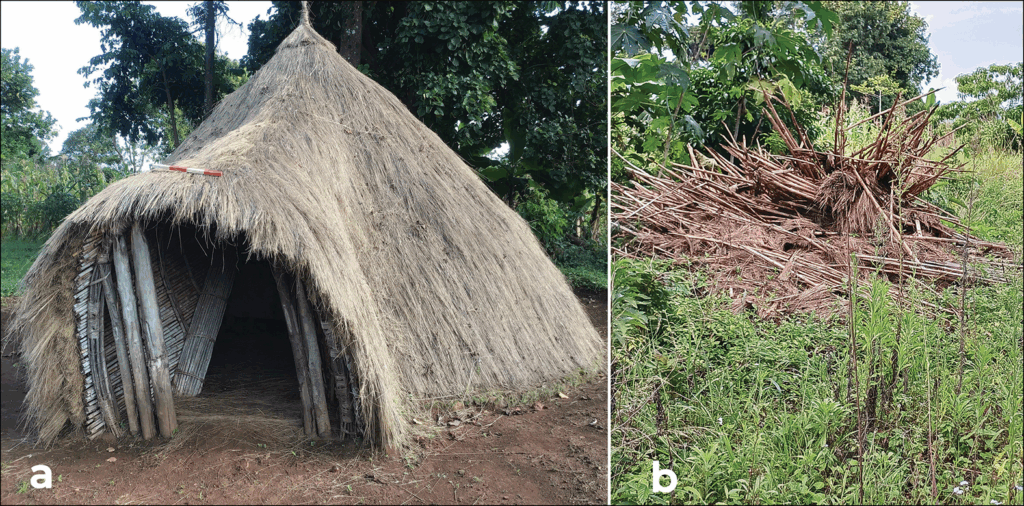
The specifics at Laetoli are jarring. Ichumbaki notes that one would have expected considerable care before any construction, yet the work was done so crudely that a major building was placed on the site essentially in the middle of the footprints. Schmidt points to a further loss, describing how a new path built to facilitate tourist visits was constructed on top of more recent but still ancient footprints that the local Maasai people had long held sacred. The pattern of damage extends to the other locations as well, with the study documenting the before-and-after destruction of a reconstructed ritual house at Katuruka. In each case, the authors argue, efforts to showcase these treasures ended up harming the very things they were meant to display.
Why These Footprints Can Never Be Replaced
To understand what is genuinely at stake, it helps to hear from researchers who study such sites but had no part in the new report. Kevin Hatala, an associate professor at Chatham University who researches early hominin footprint sites in Tanzania and Kenya, describes Laetoli as a rare opening onto a vanished world. The volcanic ash layers there extend over kilometers, he notes, capturing snapshots of the animals that moved across that landscape millions of years ago, along with the hominins who lived among them.
The footprints carry profound scientific meaning. Jeremy DeSilva, a paleoanthropologist at Dartmouth College who was also not involved in the study, explains their significance in evolutionary terms. “The footprints demonstrate without a doubt that walking on two legs (bipedalism) is an ancient human adaptation,” DeSilva says, “that walking upright was the key evolutionary innovation that launched this marvelous human experiment.”
What makes the danger so acute is the irreplaceable nature of the evidence. As Hatala points out, footprints spread across a landscape cannot be lifted out and locked away in a museum for safekeeping. There is, he says, truly nothing else like Laetoli anywhere in the world, and if it is damaged, then whatever was lost is gone for good. Unlike an artifact that can be relocated or restored, these tracks exist only where they were made, which means a single careless act can erase a record that took millions of years to create.
The Communities Left Out Of The Equation
Running through the authors’ critique is a theme that doubles as a proposed remedy: the importance of the local communities connected to these sites. These places often hold deep spiritual and cultural meaning for the people who live near them, and in many cases, those communities have historically acted as stewards. The Kaiija site carries profound significance for the Haya people, of whom Ichumbaki is one, while the footprints damaged at Laetoli were sacred to the Maasai.
Purity Kiura, an archaeologist at the National Museums of Kenya who helps manage the conservation of early hominin sites and was not involved in the study, emphasizes how easily that connection can be overlooked. Heritage sites frequently hold meaning for local communities, she notes, even when they may appear, from a purely scientific standpoint, far removed from contemporary life. She points to conservation work on a 1.5-million-year-old footprint site in northern Kenya, where researchers engaged directly with the local community to understand the site’s cultural importance. That site, she explains, is not only a scientific resource but a place tied to the community’s identity, traditions, and values, which is why strengthening local capacity to participate in its management became a critical part of the project. The lesson is that involving communities is not merely a gesture of respect but a practical tool for preservation.
The Tension Between Preservation And Profit
None of this means the impulse behind the tourism push was illegitimate. At sites like these, balancing conservation against the genuine desire to generate revenue and strengthen local economies is a fraught undertaking, and the economic pressures are real. The challenge lies in pursuing that revenue without sacrificing the very assets that make these places valuable in the first place.
Hatala captures the underlying risk plainly, warning that there is always a danger when something permanent is built on top of unexplored ground, because that ground could conceal something important that will never be known if it is destroyed. The authors do not dispute that tourism can benefit communities and the nation. They argue that Tanzania’s particular approach, treating heritage primarily as a commodity, has backfired, directly compromising the integrity of global landmarks, including UNESCO World Heritage Sites, in the name of development.
A Call To Act Before It’s Too Late
For all the alarm in their findings, Ichumbaki and Schmidt insist that the situation can still be salvaged. The path forward, they argue, must begin from within. Schmidt stresses that the most fundamental step is internal change, since external forces have only a limited effect, and Tanzanian state officials already possess both the capacity and the means to bring that change about.
Ichumbaki frames the urgency in the starkest possible terms, warning that the sites are at a critical juncture and the time to act is now. The world should not keep waiting, he argues, to watch these places be destroyed in the name of development, and both the Tanzanian government and the international community need to intervene before it is too late. To that end, the authors are planning formal consultations with the Tanzanian Ministry of Natural Resources and Tourism, hoping their work will provoke an overhaul of national heritage policy.
What hangs in the balance is not only Tanzania’s patrimony but a piece of the human story that belongs to everyone. The footprints at Laetoli record a moment when our ancestors first walked upright across the earth, a moment that cannot be recovered if it is lost. Whether that record survives, the researchers suggest, now depends on choices being made in the present, and on whether the will to protect the past can outpace the rush to profit from it.
Featured Image Source: cambridge.org (photograph (a) from Masao et al. Reference Masao2016
archaeological conservation, archaeology, Australopithecus afarensis, bipedalism, cultural heritage, Elgidius Ichumbaki, heritage preservation, hominin footprints, human evolution, Katuruka, Kilwa Kisiwani, Kondoa rock art, Laetoli footprints, Lucy fossil, Mary Leakey, Ngorongoro Conservation Area, paleoanthropology, Peter Schmidt, Tanzania heritage, UNESCO World Heritage Site