
Your cart is currently empty!
The People Who Feel Happier When Summer Finally Ends Have A Name For It
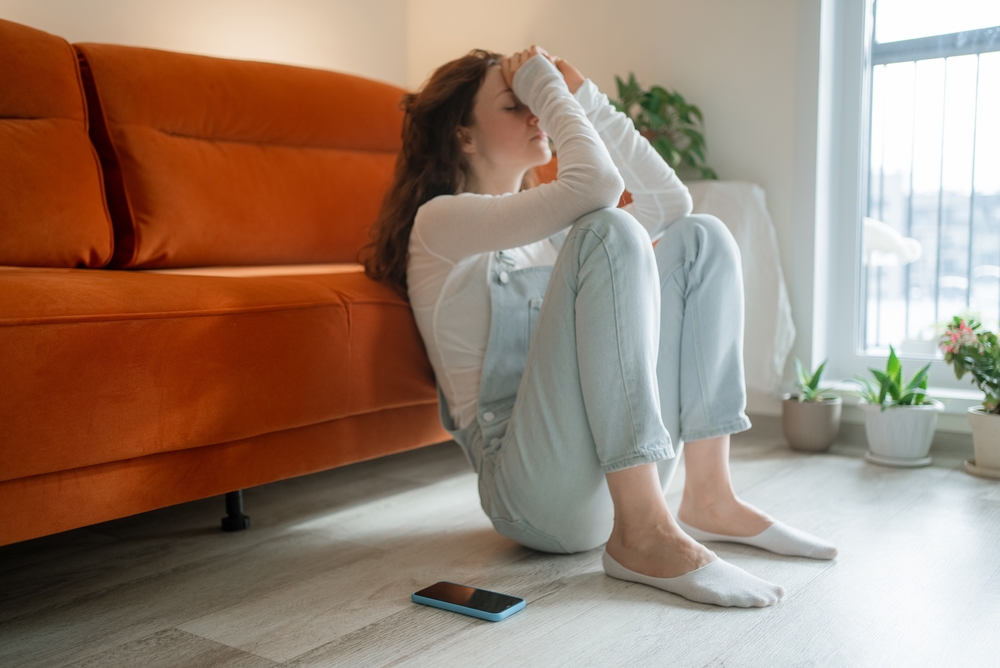
For most people, a bright summer day is supposed to be the good stuff. Blue skies, long evenings and warm nights sound like the ingredients for happiness, yet for a small group of people, those same conditions can make life feel unbearable. Their sleep gets wrecked, their appetite changes and irritability starts creeping into everyday life.
Contents
show
Then the temperature drops, the evenings get darker and the sky turns grey. Suddenly, they can breathe again. What looks like miserable weather to everyone else can feel like a genuine relief to people with reverse seasonal affective disorder, a lesser-known form of seasonal depression that appears to work almost completely opposite to the winter pattern most people know.

When Summer Becomes The Problem
Reverse seasonal affective disorder, also known as summer-pattern seasonal affective disorder, tends to appear during spring and summer rather than the colder months. Symptoms can build as temperatures rise and daylight stretches later into the evening, before easing as autumn approaches.
The condition is thought to involve a different set of triggers from traditional winter SAD. Instead of struggling with reduced sunlight, people with the summer pattern may be particularly sensitive to heat, intense light and longer days. Clinical psychologist Roberta Fedele has described this as a possible “hypersensitivity to summer stimuli.”
The theory is that those environmental changes may interfere with the body’s normal circadian rhythm and leave some people feeling overstimulated rather than energized. That can create a strange combination of depression, agitation and disrupted sleep while everyone around them is wondering why they are not enjoying the weather.
The summer pattern is also relatively uncommon. A 2025 meta-analysis estimated that seasonal affective disorder affects around 5.01% of people globally, while the summer pattern accounted for approximately 0.57%.

The Numbers Change With The Climate
Where someone lives may play a role in how seasonal depression shows up. Reverse SAD has been reported more often in tropical and lower-latitude regions, where intense heat and prolonged daylight can be much more pronounced than they are in temperate climates.
Psychologist Cynthia Ghosn has pointed to the difference between regions, with summer-pattern SAD appearing more frequently in warmer areas. In countries closer to the equator, including India, summer SAD has been reported as more common than winter SAD.
That creates an interesting reversal of the usual assumption about seasonal depression. In colder northern regions, shorter days can be the trigger, while someone living somewhere hot may spend months waiting for the sun to become less intense.
Around 10% of people who experience seasonal affective disorder are estimated to have the summer form. That means the person desperately waiting for autumn may be dealing with a recognised seasonal pattern rather than simply being someone who hates hot weather.
Why Those Long Summer Evenings Can Hurt
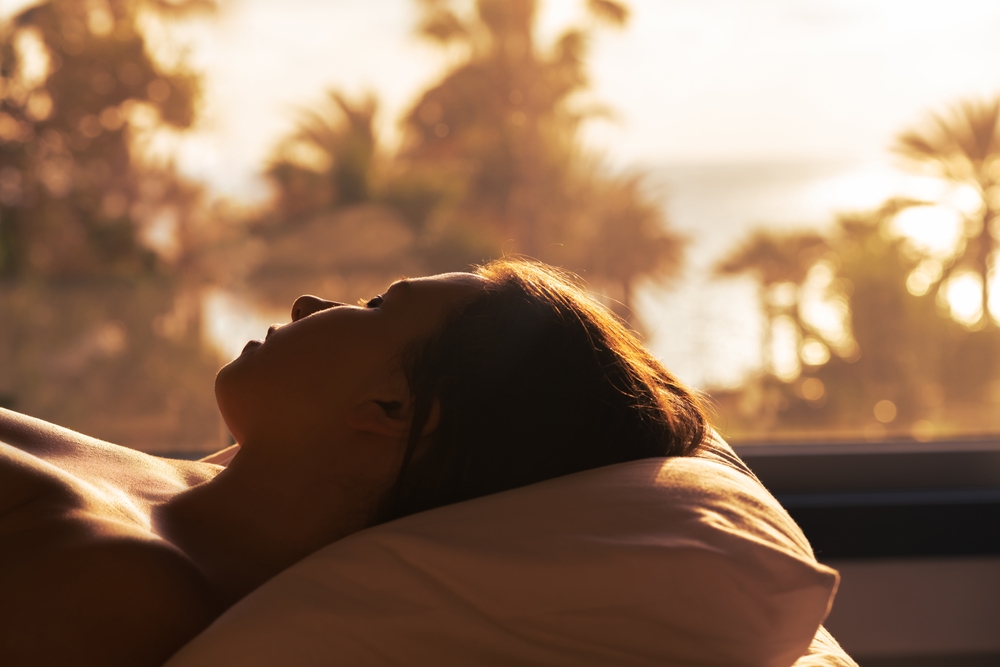
One of the less obvious problems may be the sheer amount of daylight. When the sun stays up late, bedtime can become a moving target, especially for people whose bedrooms remain bright well into the evening.
Evening light can delay the body’s production of melatonin, the hormone involved in regulating sleep. Someone who struggles to fall asleep because the evening is still bright may then have to wake up early despite getting to bed later than usual.
That lost sleep can create another layer of problems. Poor sleep can increase stress and leave people feeling more irritable, while heat itself can make it harder for the body to settle down at night.
The result can become a cycle that gradually worsens as summer progresses. A person may start feeling slightly restless in late spring, struggle more as temperatures rise and eventually reach August feeling exhausted, agitated and desperate for cooler weather.
The Symptoms Can Look Like Winter SAD In Reverse
Psychiatrist Norman Rosenthal, who helped identify and describe seasonal affective disorder in the 1980s, has compared the winter and summer patterns and found striking differences between them.
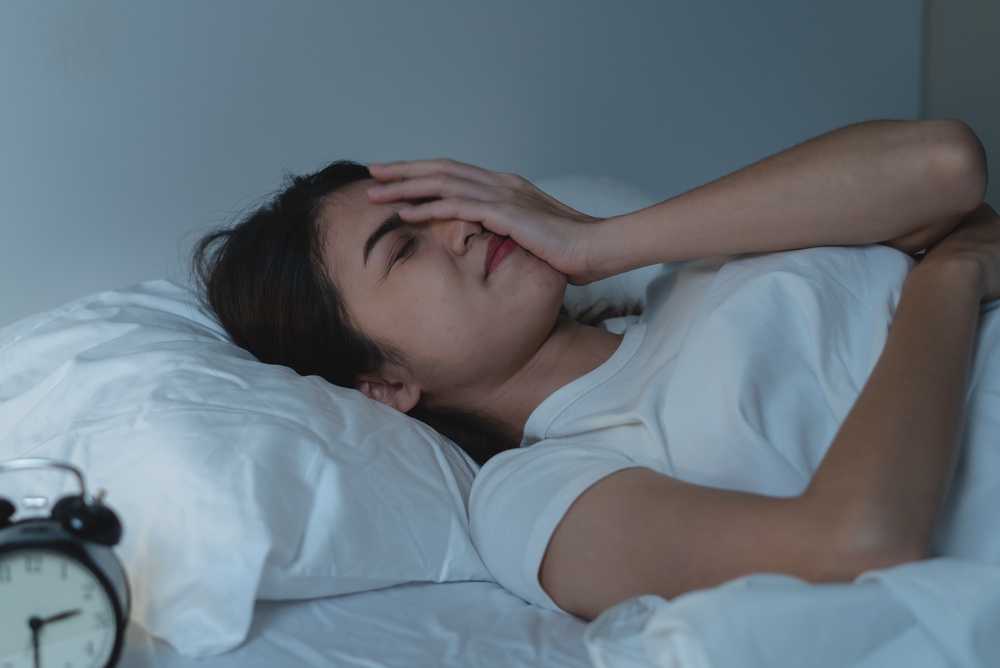
Winter SAD is commonly associated with sleeping more, feeling slowed down, craving carbohydrates and gaining weight. Summer SAD can produce almost the opposite pattern, with people sleeping less, feeling overactivated and experiencing reduced appetite.
The contrast can be seen in several key symptoms:
- Sleep changes: Summer-pattern SAD may involve insomnia or significantly reduced sleep.
- Appetite changes: Some people experience less appetite rather than the carbohydrate cravings associated with winter SAD.
- Agitation: Irritability and restlessness can become more pronounced.
- Heat sensitivity: Hot temperatures may intensify discomfort and emotional symptoms.
- Light sensitivity: Long, bright days can feel overwhelming rather than uplifting.
Rosenthal has also warned that the summer form should not automatically be viewed as a milder version of the condition. Depression combined with agitation can become serious, including the possibility of suicidal thoughts or behavior, which requires professional medical attention.
The Weirdest Part May Be The Guilt
There is another problem that has little to do with temperature or sunlight. Summer comes with expectations.
People are often told that this is the season for vacations, outdoor gatherings, late nights and socializing. When someone feels miserable instead, they can start wondering why they cannot enjoy something everyone else seems to love.
Clinical psychologist Rita Figueiredo has described summer as carrying “strong expectations that we should feel relaxed, social and happy.” When someone is struggling during that period, she said, the contrast can create guilt, self-criticism and the feeling that something is wrong with them.
That can make summer-pattern depression especially difficult to explain. Someone who says they cannot stand July may be treated as though they are simply complaining about the weather, while the underlying problem can involve sleep disruption, mood changes and significant psychological distress.
The irony is that nobody expects a person with winter SAD to cheer up because the snow looks pretty. Yet someone experiencing the summer pattern can feel pressure to smile through months that may be making their symptoms worse.

Some People Actually Wait For Autumn
When people with reverse SAD describe the arrival of cooler weather, the language can sound almost absurd to anyone who spends the year waiting for summer.
Online discussions about the condition have included people describing intense relief when temperatures fall and evenings become darker. One person said summer made them wish they could sleep until cold weather arrived, while another described bright evenings lasting until 11 p.m. as deeply depressing.
Another person described the physical feeling of cooler weather as a return of something they had been missing. For people who experience the summer pattern, autumn can therefore represent more than a change in scenery.
It can mean better sleep, less heat and fewer hours of intense daylight. The seasonal shift that makes other people reach for a jacket can make someone with summer SAD feel like their normal routine is finally returning.
Treating Summer SAD Means Turning The Usual Advice Upside Down
The treatments associated with seasonal depression can also look different depending on the pattern. Bright-light therapy is commonly associated with winter SAD because reduced daylight is one of its suspected triggers. That approach does not automatically make sense for someone whose symptoms appear during the brightest months.
Rosenthal has suggested strategies aimed at reducing exposure to summer conditions, including keeping indoor spaces cool, using curtains to block strong afternoon light and taking cold showers or baths. Maintaining a consistent sleep schedule can also help reduce the disruption caused by long summer evenings.
For people who know their symptoms follow a predictable seasonal pattern, planning ahead may be useful. Rosenthal has discussed starting antidepressant treatment earlier for some patients rather than waiting until symptoms become severe, although medication decisions should be made with a qualified clinician.
Other practical measures include:
- Keep the bedroom dark: Blocking early morning and late evening light can support a steadier sleep schedule.
- Stay cool: Air conditioning, fans and cooler environments may reduce heat-related discomfort.
- Protect your sleep routine: Going to bed and waking at consistent times can help stabilize the body clock.
- Stay hydrated: Dehydration can affect concentration, energy and day-to-day functioning.
- Track the pattern: Recording symptoms across seasons can make recurring changes easier to recognize.
None of these strategies should be treated as a guaranteed cure. Summer-pattern SAD remains less studied than its winter counterpart, and researchers are still working out exactly why heat and light trigger significant symptoms in some people but barely affect others.
The Grey Skies May Be The Relief
The next time someone looks genuinely delighted by a cold, miserable September morning, they may have a very different relationship with the weather than you do.
For someone with reverse seasonal affective disorder, the first grey morning after months of heat can mean the return of sleep, calm and a sense of normality. The weather everyone else complains about may be the thing that finally gives them a break.
That is why dismissing summer depression as simply disliking hot weather misses the point. Sometimes the season that looks perfect from the outside can be the one a person has been counting down to escape.
Sources:
- Norman, & Norman. (2023, July 25). Summer Seasonal affective Disorder | Symptoms & treatment. Norman E. Rosenthal, MD. https://www.normanrosenthal.com/blog/2023/06/reverse-seasonal-affective-disorder/
- Griffin, R. M. (2025, July 12). Tips for summer Depression. WebMD. https://www.webmd.com/depression/summer-depression