
Your cart is currently empty!
This 4-Ingredient Bowl Looks Perfect Until You Ask One Simple Question
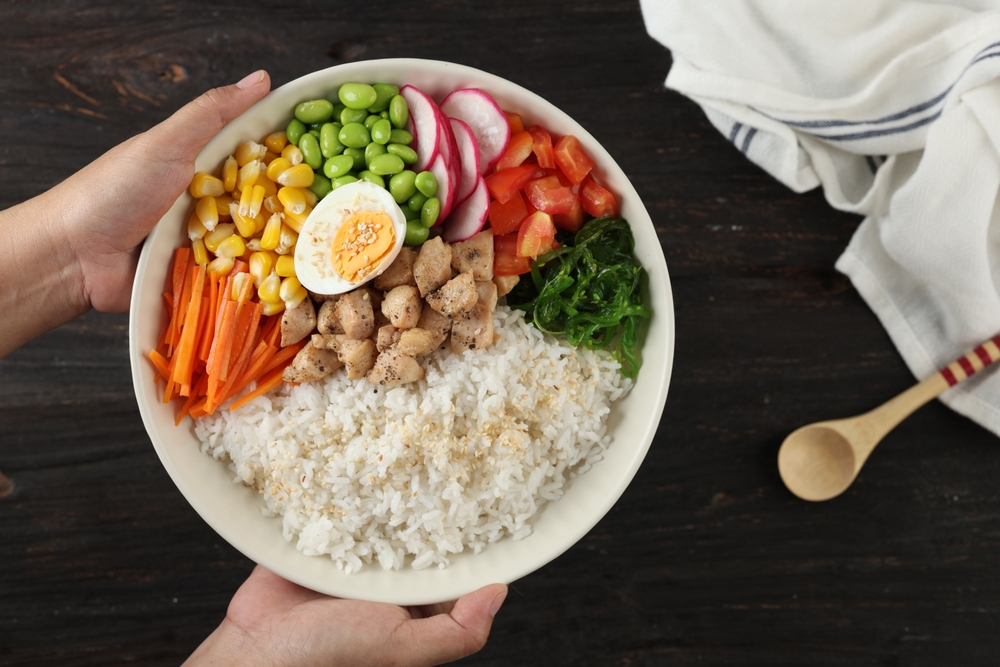
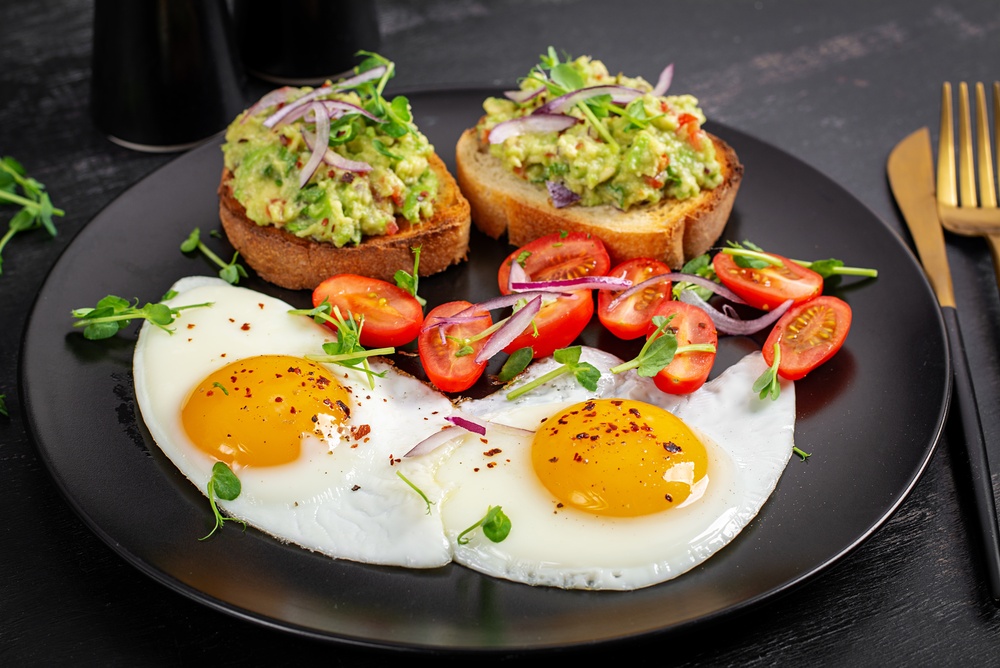
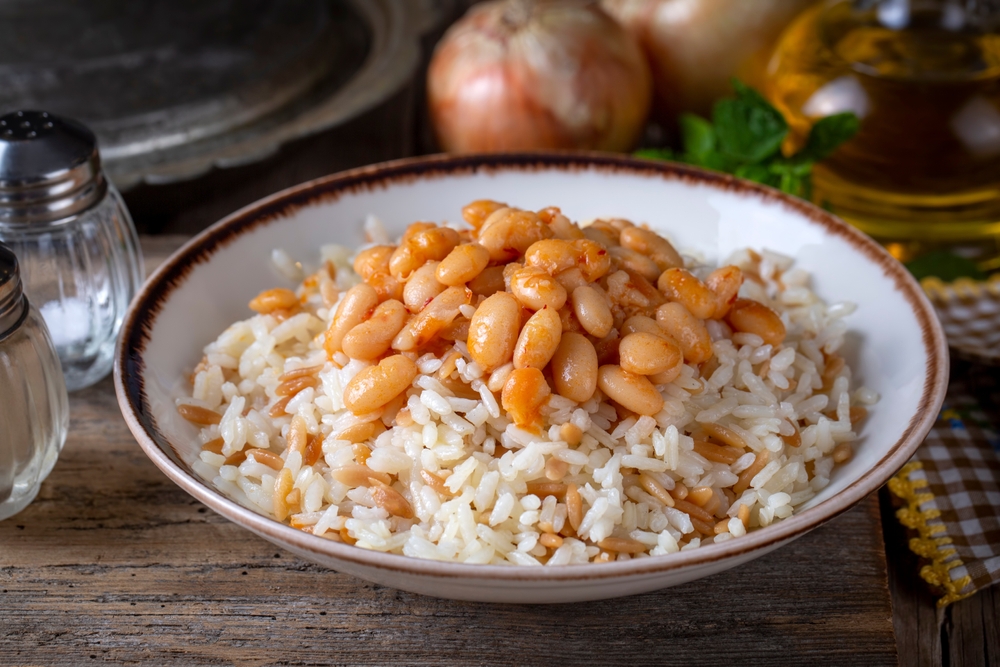
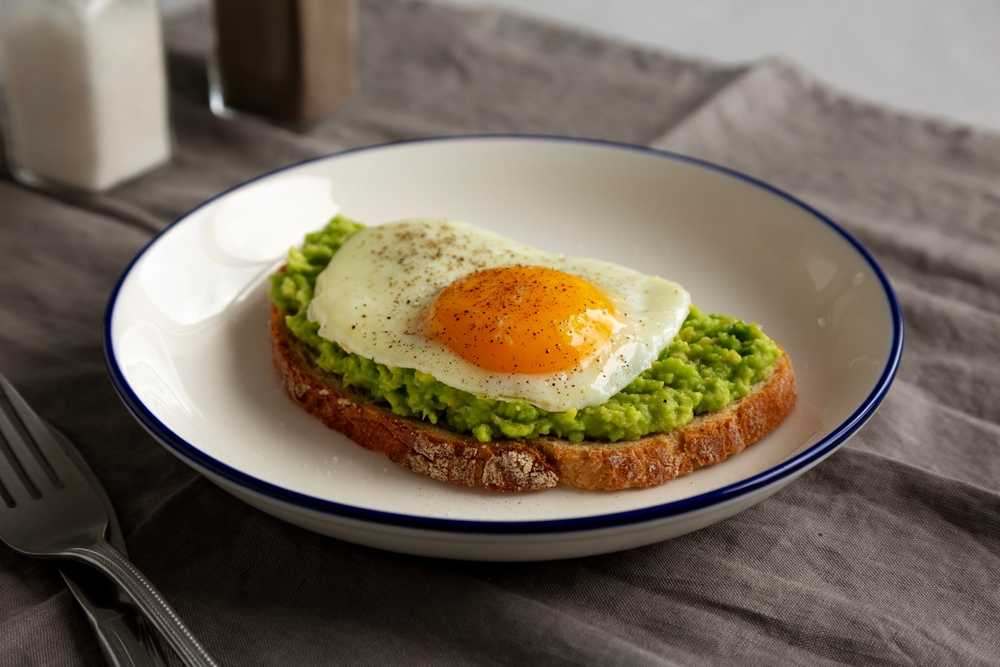
Rice hits the pot first. Then come the beans, followed by two eggs and half an avocado, creating a meal that looks almost suspiciously balanced for something that takes so little effort. A photo of the combination has been making the rounds online with a huge claim attached to it: this could be the most perfect meal your body needs.
Contents
show
The bowl does have some impressive nutritional logic behind it. Rice and beans complement each other’s amino acid profiles, eggs add protein and nutrients, and avocado supplies fat that can help with absorption of certain vitamins. But there is a catch hiding underneath the viral claim. This may be a very useful meal, but calling it the one meal your body will ever need goes far beyond what the evidence shows.
Rice And Beans Really Do Work Together
Your body uses amino acids to build proteins, and nine of the essential amino acids cannot be produced by the body itself. They have to come from food. Animal foods such as eggs, dairy, meat and fish naturally provide all nine essential amino acids in sufficient amounts, while many individual plant proteins have lower amounts of one or more.
Rice and beans are interesting because their weaknesses largely complement each other. Rice is relatively low in lysine while providing more methionine, whereas beans are rich in lysine but contain less methionine. Put the two together and the overall protein profile becomes much more complete.
That does make the classic rice-and-beans combination nutritionally smart. But the viral version of the story can make it sound as if the foods must be eaten from the same bowl for the trick to work. They do not. The body does not operate according to a meal-by-meal protein deadline.
Your Body Does Not Need Perfect Food Pairings
The idea that plant proteins must be carefully combined at every meal has been around for decades, but modern nutrition guidance gives people considerably more breathing room. Your body maintains a circulating pool of amino acids and uses them as needed, so the important question is the overall pattern of food you eat rather than whether two ingredients touched the same plate.
That means someone could eat beans at lunch and rice at dinner without somehow losing the nutritional benefit of combining their protein profiles. A varied diet across the day can provide the essential amino acids the body needs. The bowl works, but it does not require any special nutritional timing.
This takes some of the magic away from the viral claim, but it also makes the idea much more practical. You do not have to build every meal with mathematical precision. Eating a variety of protein-rich foods throughout the day gives you plenty of ways to cover nutritional needs without treating dinner like a chemistry experiment.
The Beans May Be Doing More Than Adding Protein
The strongest evidence surrounding this particular combination may have less to do with protein than people realize. Researchers at the Illinois Institute of Technology studied 72 adults with prediabetes and looked at what happened when participants consumed one cup a day of black beans, chickpeas or rice for 12 weeks.
The black bean group saw the inflammatory marker interleukin-6 fall from 2.57 to 1.88 picograms per milliliter, a decrease of roughly 27%. The chickpea group experienced a reduction in total cholesterol, falling from 200.4 to 185.8 milligrams per deciliter. Blood glucose, however, did not change significantly.
Morganne Smith, the doctoral candidate who presented the findings, said, “Our study found that bean consumption helped significantly lower cholesterol and reduce inflammation in people with prediabetes, although glucose levels were not changed.” There are important limits here. The findings were presented at a conference, the cholesterol result came from chickpeas rather than black beans, and the study does not prove that this four-ingredient bowl prevents or treats disease.
The Avocado Has A Job Too
The avocado sitting beside the rice and beans is more than a trendy addition. Some vitamins and plant compounds are fat soluble, which means dietary fat can help the body absorb them. Vitamins A, D, E and K fall into this category, along with certain carotenoids found in fruits and vegetables.
A small feeding study published in 2005 found that adding avocado or avocado oil to salad and salsa increased absorption of carotene and lutein in participants. The experiment was limited, and it measured nutrient absorption rather than long-term health outcomes. Still, it offers a reasonable explanation for why adding a source of healthy fat to a meal can make nutritional sense.
That does not turn avocado into a nutritional superfood capable of fixing everything else on the plate. It simply means the fruit can contribute something useful to the meal. In a bowl already containing rice, beans and eggs, that extra fat and the nutrients in avocado add another piece to the nutritional puzzle.
The Avocado Study That Complicates The Hype
There is also evidence that pushes back against the idea that simply adding avocado produces dramatic health changes. The Habitual Diet and Avocado Trial followed 1,008 adults with elevated waist circumference for six months, using MRI scans to measure visceral fat rather than relying on estimates.
Participants who ate one large avocado each day did not experience a reduction in visceral adipose tissue volume. The researchers reported that the daily avocado had minimal effects on several cardiometabolic risk factors. A later analysis of the same trial did find that eating avocado was associated with improved overall diet quality.
That distinction matters because individual foods rarely live up to the enormous claims attached to them online. Avocado can be a nutritious addition to a diet without being a treatment for excess visceral fat. The same principle applies to the entire bowl. Good ingredients can create a good meal without making that meal medically perfect.
Four Ingredients Still Leave Something Out
There is another problem with calling this the perfect meal: the bowl does not actually contain everything a person needs. Rice provides carbohydrates, beans contribute plant protein and fiber, eggs supply protein and nutrients such as choline, and avocado brings fats and other nutrients. Together, they cover a surprising amount of ground.
But there is no vegetable in the basic four-ingredient version. There is also no reason to believe that eating the exact same combination every day would provide every nutrient your body needs over the long term. Registered dietitian Destini Moody has described a useful basic meal structure as containing protein, a healthy carbohydrate and some type of fruit or vegetable.
That framework makes the viral bowl easier to understand. It already has the protein and carbohydrate pieces, and the avocado technically adds a plant food, but expanding the variety would make the meal stronger. A handful of greens, tomatoes, peppers, salsa or another vegetable could bring nutrients and flavors that the original combination lacks.
So, Could You Actually Live On This Bowl?
Technically, the more interesting answer is no. The combination is nutritionally sensible, but the evidence does not support the idea that four ingredients can meet every nutritional need indefinitely. Calling it the most perfect meal your body will ever need turns a useful food combination into a claim the research simply does not establish.
What the bowl does offer is far more realistic. It is inexpensive, quick to prepare and built around foods that provide protein, carbohydrates, fats, fiber and a range of vitamins and minerals. The rice and beans complement each other’s amino acid profiles, while the eggs and avocado add nutrients that make the meal more substantial.
So keep the bowl if you like it. Add salsa, lime or whatever vegetables are sitting in the refrigerator, and change the ingredients when you want something different. The real strength of the meal is not perfection. It is how easily a handful of ordinary foods can create something genuinely nutritious without requiring a complicated diet plan.
Sources:
- Pubmed.ncbi.nlm.nih.gov. (n.d.-d). https://pubmed.ncbi.nlm.nih.gov/15735074/
- Lichtenstein, A. H., Kris‐Etherton, P. M., Petersen, K. S., Matthan, N. R., Barnes, S., Vitolins, M. Z., Li, Z., Sabaté, J., Rajaram, S., Chowdhury, S., Davis, K. M., Galluccio, J., Gilhooly, C. H., Legro, R. S., Li, J., Lovato, L., Perdue, L. H., Petty, G., Rasmussen, A. M., . . . Reboussin, D. M. (2022). Effect of incorporating 1 avocado per day versus habitual diet on visceral adiposity: a randomized trial. Journal of the American Heart Association, 11(14), e025657. https://doi.org/10.1161/jaha.122.025657