
Your cart is currently empty!
Doctor Lost 70 Pounds Eating Meat And Says Everything He Learned About Nutrition Was Wrong
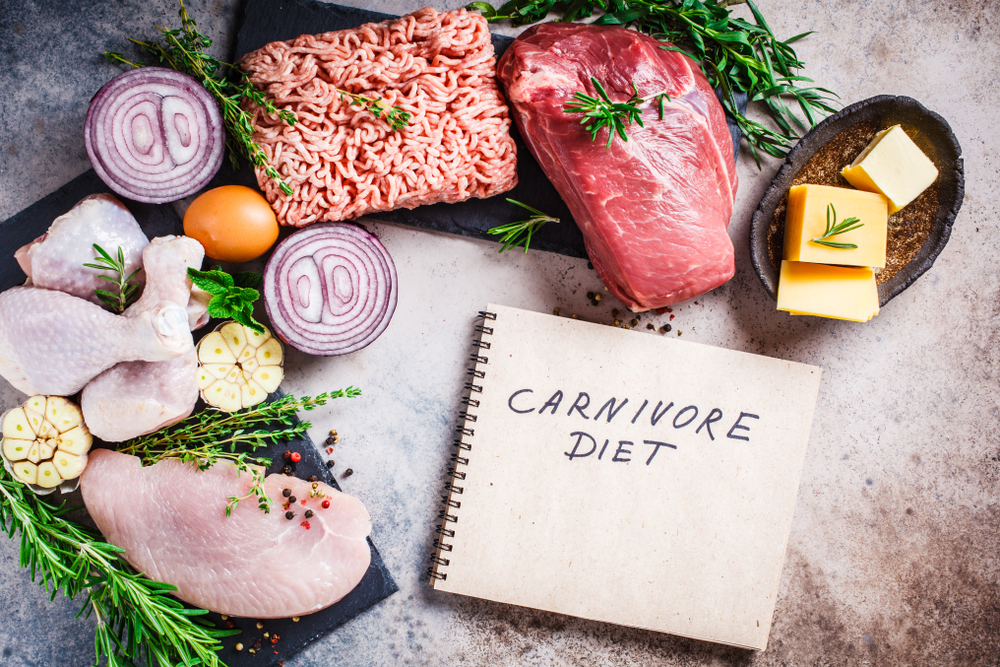
For years, Americans have been told that healthy eating starts with whole grains, fruits, vegetables, and low-fat foods. Yet a growing number of people are moving in the opposite direction, embracing diets built almost entirely around animal products. That shift has become impossible to ignore as protein climbs to the top of Americans’ nutrition priorities and meat-focused communities continue attracting thousands of followers across the country.
Contents
show
One of the loudest voices behind that movement is Dr. Ken Berry, a Tennessee physician who says abandoning conventional dietary advice transformed his own health. After losing 70 pounds and reversing prediabetes, Berry now argues that many people have spent years following nutrition guidance that failed to deliver the results they were promised. Speaking before a packed crowd of carnivore diet followers, he delivered a message that has sparked fierce debate among health experts and captivated thousands of viewers online.

Meatstock Draws Thousands Of Carnivore Diet Followers
Interest in high-protein eating has surged in recent years, and recent survey data suggests Americans are paying more attention to protein than ever before. In 2025, “good source of protein” overtook “fresh” as the quality consumers most associate with healthy food. For the fifth consecutive year, protein remained the nutrient Americans were most actively trying to consume.
That trend was on full display at Meatstock 2026, an annual gathering for followers of carnivore and ketogenic diets. Around 1,600 attendees traveled to the event to hear speakers, share personal health stories, and connect with others who have adopted animal-based eating plans.
Berry, who served as the event’s keynote speaker, said the convention continues to expand each year as more people become interested in low-carb and carnivore lifestyles. According to him, attendance growth reflects growing dissatisfaction with traditional dietary recommendations.
“Meatstock continues to grow each and every year, sometimes doubling,” Berry said.

The Personal Health Transformation Behind Berry’s Message
Berry’s advocacy is closely tied to his own experience. He says he once struggled with excess weight, prediabetes, and several other health issues before deciding to overhaul the way he ate. Rather than continuing with the dietary approach he had previously followed, he switched to a carnivore-focused diet centered almost entirely on animal products.
Nine years later, he credits that decision with dramatically improving his health. Berry says he lost 70 pounds, reversed his prediabetes, and eliminated a number of other conditions that had affected his quality of life.
His current diet remains remarkably simple. While many nutrition plans involve detailed meal tracking, calorie counting, or extensive food preparation, Berry says his daily meals revolve around a small number of foods.
“I live on beef, butter, bacon and eggs,” Berry said.
His story has become one of the most frequently cited examples among carnivore diet supporters who believe animal-based eating can address obesity and metabolic disease.

Why Carnivore Diet Followers Believe The Approach Works
Although the carnivore diet is often described as an all-meat diet, followers do not always eat exactly the same foods. Some choose to eat only meat, while others include fish, eggs, and certain animal products. Some focus almost exclusively on beef and other ruminant animals.
Berry says attendees at Meatstock repeatedly shared stories about significant health improvements after switching to carnivore eating. Weight loss was one of the most common themes, but many participants also described reductions in inflammation and improvements in fatty liver disease.
According to Berry, these personal accounts are a major reason the movement continues to gain momentum. Many followers arrive after years of trying other diets without achieving the results they wanted.
“The stories you hear at Meatstock grab your heart, and they also grab your brain and make you think,” Berry said.
Supporters often point to the simplicity of the diet as another advantage. Rather than managing long ingredient lists and complex meal plans, many followers focus on a narrow range of foods they believe support metabolic health.
The Foods Berry Says Americans Should Question
A major theme of Berry’s presentation was his belief that many commonly recommended foods are not as healthy as people have been led to believe. His speech centered on the argument that Americans have been “misled and misfed” through decades of nutritional guidance.
Among his biggest targets were whole grains. Foods such as oatmeal and whole-grain bread are frequently promoted as healthy staples, but Berry argued that many people experience negative effects from consuming them regularly.
He claimed that popular whole-grain foods are “almost uniformly inflammatory for most people,” a position that directly challenges many mainstream nutrition recommendations. Large observational studies have associated whole-grain consumption with improved health outcomes, but Berry remains unconvinced by that research.
He also criticized fruit juices and wellness beverages that are often marketed as healthy alternatives to soft drinks. Berry argued that consumers frequently underestimate the amount of sugar contained in these products.
Fruit juices found in smoothies and other wellness drinks “in many cases, have more fructose than Coca-Cola,” he said.
Berry extended those concerns to starchy foods such as beans and legumes, arguing that they can trigger insulin spikes that interfere with metabolic health.
Nutrition Experts Continue To Push Back
The carnivore diet has attracted plenty of criticism from researchers and public health experts who question both its nutritional completeness and its long-term sustainability. Many argue that eliminating fruits, vegetables, legumes, and grains removes important sources of fiber, vitamins, minerals, and other beneficial compounds.
Some experts have also raised concerns about the limited amount of long-term clinical research examining carnivore diets. While anecdotal success stories continue to circulate online, critics say more evidence is needed before broad conclusions can be drawn about long-term safety and effectiveness.
Questions surrounding red meat and processed meat consumption remain another major point of disagreement. Health organizations continue to cite evidence linking high intake of processed meats to elevated health risks, including certain forms of cancer.
Berry believes those concerns are exaggerated and frequently misrepresented. He argues that many nutrition studies contain conflicts of interest that consumers rarely recognize when evaluating dietary advice.
Berry’s Evolutionary Argument For Eating More Meat
One of Berry’s strongest arguments centers on human evolution. He believes modern humans remain genetically similar to their ancient ancestors and should eat accordingly.
“We have not changed as a genetic species from 100,000 years ago. Therefore, our diet should be predominantly meat, or all meat,” Berry said.
That perspective has become increasingly popular among carnivore advocates who view animal products as the foods humans are biologically designed to eat. Supporters often point to prehistoric hunting traditions as evidence that meat should form the foundation of modern diets.
Researchers continue to debate exactly what ancient humans consumed across different regions and time periods. Archaeological evidence suggests diets varied considerably depending on geography, climate, and food availability. Even so, the evolutionary argument remains a central pillar of the carnivore movement and one that continues attracting followers searching for alternatives to conventional nutrition advice.
Common Foods Included In A Carnivore Diet
- Beef and other ruminant meats
- Bacon and pork products
- Eggs
- Fish and seafood
- Animal fats such as butter and tallow
The growing popularity of carnivore eating reflects a broader frustration with conflicting nutrition advice. As more Americans search for answers about weight loss, metabolic health, and chronic disease, debates over meat, carbohydrates, grains, and processed foods show little sign of slowing down. For supporters, stories like Berry’s offer proof that a radically different approach may be worth considering. For critics, they raise questions that still require much stronger scientific answers.
carnivore diet, diet controversy, dietary guidelines, Dr Ken Berry, health and wellness, health trends, healthy eating, high protein diet, ketogenic diet, low carb diet, Meatstock 2026, Metabolic Health, nutrition debate, nutrition news, Obesity, prediabetes, protein diet, red meat, Weight Loss, wellness news