
Your cart is currently empty!
Three-Year-Old’s Cancer Vanishes After Just Two Doses Of Experimental Treatment

A three-year-old boy had already endured chemotherapy and surgery when his cancer returned and spread beyond his liver. The disease had reached his lungs, with doctors also concerned that it may have spread to his bones. After conventional treatment failed to stop it, his medical team turned to an experimental approach that uses genetically modified immune cells to attack cancer.
Contents
show
The child received just two doses of the treatment, administered eight weeks apart. Follow-up scans showed that the metastatic cancer had completely disappeared, and researchers reported that the complete response remained after 12 months. The case is now drawing attention because CAR-T therapy has shown strong results against some blood cancers but has struggled against solid tumors.

His Cancer Had Already Resisted Several Treatments
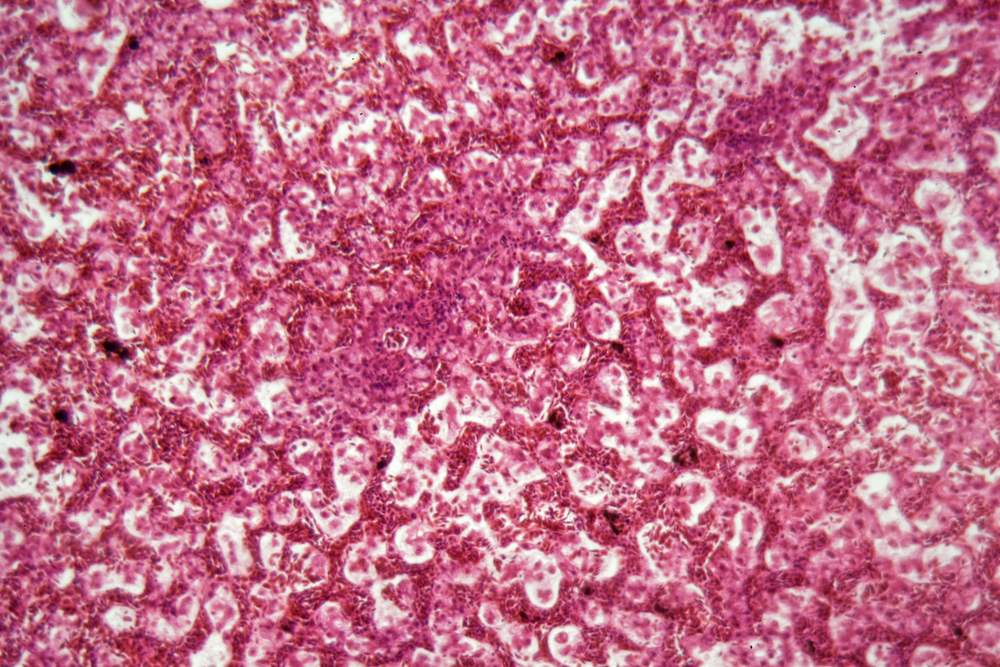
The boy was diagnosed with hepatoblastoma, a common form of childhood liver cancer. His original tumor was massive, measuring approximately 4.4 by 3.8 by 2.8 inches, and doctors were already facing an aggressive disease that required intensive treatment. Chemotherapy was used alongside surgery to remove the tumor, while surgeons also removed cancer that had spread to his lungs.
Despite those efforts, the cancer came back. The disease developed another lung metastasis after treatment, and doctors found evidence suggesting it could also have reached the bones. The cancer was no longer responding adequately to chemotherapy, leaving the medical team searching for another option.
Before receiving the experimental therapy, the child had gone through three lines of chemotherapy. His case was therefore particularly difficult because doctors were not dealing with a newly diagnosed tumor that had yet to receive standard treatment. They were treating cancer that had already returned and continued to progress despite several attempts to control it.
Researchers at Texas Children’s Hospital, Baylor College of Medicine and Seattle Children’s subsequently treated the child as part of an early clinical trial investigating a new form of CAR-T therapy. The case was reported in the New England Journal of Medicine.
Doctors Engineered His Own Immune Cells To Attack Cancer
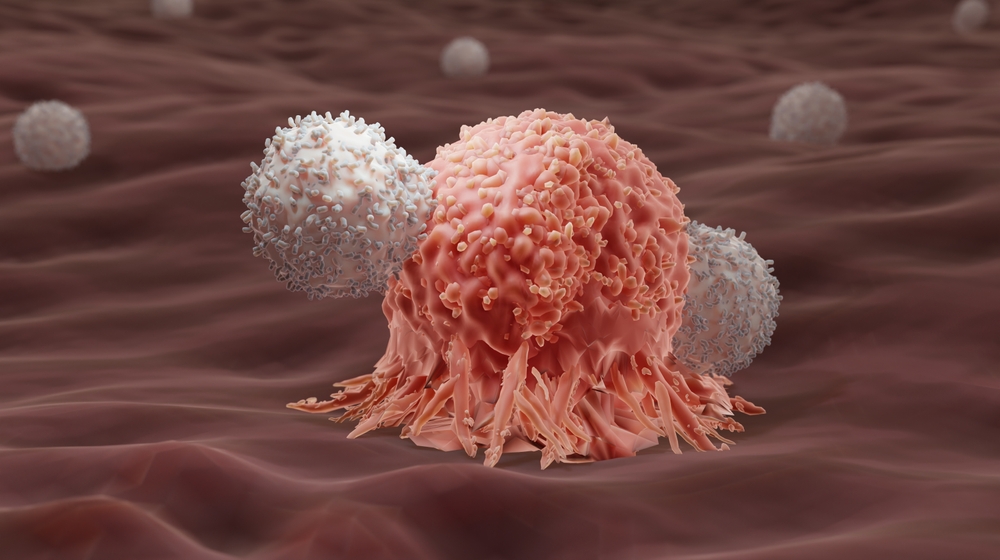
CAR-T therapy begins with T cells, a type of white blood cell that normally helps the immune system identify and destroy abnormal cells. Doctors collect these cells from a patient and genetically modify them in a laboratory so they can recognize a particular target found on cancer cells. The modified cells are then returned to the patient.
The approach has become an important treatment for several blood cancers, but solid tumors have proved much more difficult. Cancer cells inside solid tumors can be protected by surrounding tissue, while the tumor environment itself can interfere with the ability of immune cells to function effectively.
For this experimental treatment, researchers engineered the child’s T cells to target glypican-3, also known as GPC3. This protein can be found on certain solid tumors, including hepatoblastoma. The researchers also modified the CAR-T cells to produce interleukin-15 and interleukin-21, which were intended to help the engineered cells survive and remain active.
The strategy therefore involved more than simply sending immune cells toward the tumor. Researchers were attempting to create cells capable of recognizing the cancer while also improving their ability to remain active inside the difficult environment created by a solid tumor.

Two Infusions Produced A Complete Response
The child received his first CAR-T infusion, and doctors observed a partial response. The cancer had decreased, but it had not disappeared completely. Eight weeks later, the medical team administered a second infusion as part of the experimental treatment.
The results following the second dose were striking. Imaging showed complete resolution of the metastatic disease, according to the researchers who reported the case. The cancer that had previously spread beyond the original liver tumor could no longer be detected on the follow-up scans.
The response also continued over time. Researchers reported that the complete regression remained present at least 12 months after treatment. That extended follow-up is significant because an initial reduction in tumor size does not necessarily mean that cancer will remain controlled.
The child also did not experience some of the serious complications that can occur with CAR-T therapy. Researchers reported no dose-limiting toxicity and no cytokine release syndrome in this case, although the safety profile of the treatment will need to be studied in more patients before broader conclusions can be drawn.
Solid Tumors Have Been The Major Challenge For CAR-T Therapy
CAR-T therapy has produced some remarkable responses in blood cancers because the engineered immune cells can more readily encounter their targets. Solid tumors present a different biological problem. Cancer cells can be packed inside a dense mass surrounded by other cells and structures that make it harder for immune cells to reach them.
Even when engineered T cells enter a solid tumor, they can encounter conditions that suppress their activity. Cancer cells can also vary in the markers they display, creating another challenge for treatments designed to recognize a specific target.
The researchers behind this treatment attempted to address some of those problems by engineering the CAR-T cells with additional features. The inclusion of IL-15 and IL-21 was intended to improve the cells’ persistence and activity after they entered the tumor environment.
The child’s response therefore gives researchers an important clinical result to investigate. It shows that a GPC3-targeted CAR-T approach can produce complete regression in at least one case of chemotherapy-resistant metastatic hepatoblastoma, although it does not establish that the same result will occur routinely.
Researchers Still Have A Long Way To Go
The case is remarkable, but the treatment remains experimental. The evidence currently comes from an early-stage clinical trial and a single patient’s response cannot establish how effective the therapy will be across a larger population of children with hepatoblastoma.
Researchers will need to treat more patients and follow them for longer periods before they can determine how frequently the therapy produces complete responses. They will also need to study whether those responses remain durable and whether some cancers eventually develop ways to escape the engineered immune cells.
The treatment is also being investigated in other GPC3-positive solid tumors. That could eventually help researchers determine whether the approach is specific to hepatoblastoma or whether the same engineering strategy can be adapted to other difficult-to-treat cancers.
For now, the most important finding is straightforward: a child whose cancer had returned and resisted multiple treatments experienced complete disappearance of his metastatic disease after two experimental CAR-T infusions. The result gives researchers another reason to investigate whether engineered immune cells can finally overcome some of the barriers that have kept solid tumors out of CAR-T therapy’s biggest successes.
One Child’s Response Could Shape The Next Stage Of Research
The case does not mean that CAR-T therapy has become a standard cure for solid tumors. It does show that a treatment designed to recognize GPC3 and function more effectively inside a tumor can produce a complete response in a child with advanced, treatment-resistant hepatoblastoma.
The next phase of research will determine whether this result can be repeated. Larger groups of patients and longer follow-up will be needed to establish the treatment’s safety, durability and effectiveness.
For this child, however, the immediate result is already extraordinary. After chemotherapy, surgery, recurrent disease and metastases, two experimental infusions were followed by scans showing no detectable metastatic cancer.
The research question now moves beyond whether this approach can work once. Scientists have to find out how often it can work, how long the responses can last and whether the same strategy can give other children facing resistant solid tumors another treatment option.
Sources:
- Steffin, D., Courtney, A. N., Choe, M., Ghatwai, N., Cerda, M. a. E., Sweidan, R., Dhanashree, R., Zhang, H., Lapteva, N., Mei, Z., Grilley, B. J., Metelitsa, L. S., Heslop, H. E., Brenner, M. K., & Heczey, A. (2026). Complete Regression of Hepatoblastoma after Interleukin-15– and Interleukin-21–Coexpressing CAR T-Cell Therapy. New England Journal of Medicine, 395(10), 1029–1032. https://doi.org/10.1056/nejmc2605958