
Your cart is currently empty!
The Unexpected Rise Of Trinket Swapping Culture
A tiny pink dinosaur sat beside a chipped ceramic sheep, a glittery bracelet, and a keychain shaped like bubble tea. None of it looked valuable. None of it matched. Yet people kept stopping to stare at the overflowing little box on the sidewalk, as they had just discovered hidden treasure.
Contents
show
Across cities, bookstores, coffee shops, Renaissance fairs, and neighborhood sidewalks, trinket swapping is quietly becoming one of the internet’s favorite real-world trends. People are trading miniature toys, pins, crystals, stickers, charms, and nostalgic keepsakes with complete strangers for one simple reason: it makes them happy.
In a year dominated by expensive hobbies, endless doomscrolling, and algorithm-fed shopping hauls, this low-stakes trend feels oddly refreshing. Nobody is trying to get rich. Nobody is trying to become famous. People are just handing each other tiny objects that spark joy.
The Internet Fell in Love With Tiny Treasures
The trend started gaining serious attention after social media users began posting photos of miniature “trinket exchange” boxes popping up across the United States and the UK.
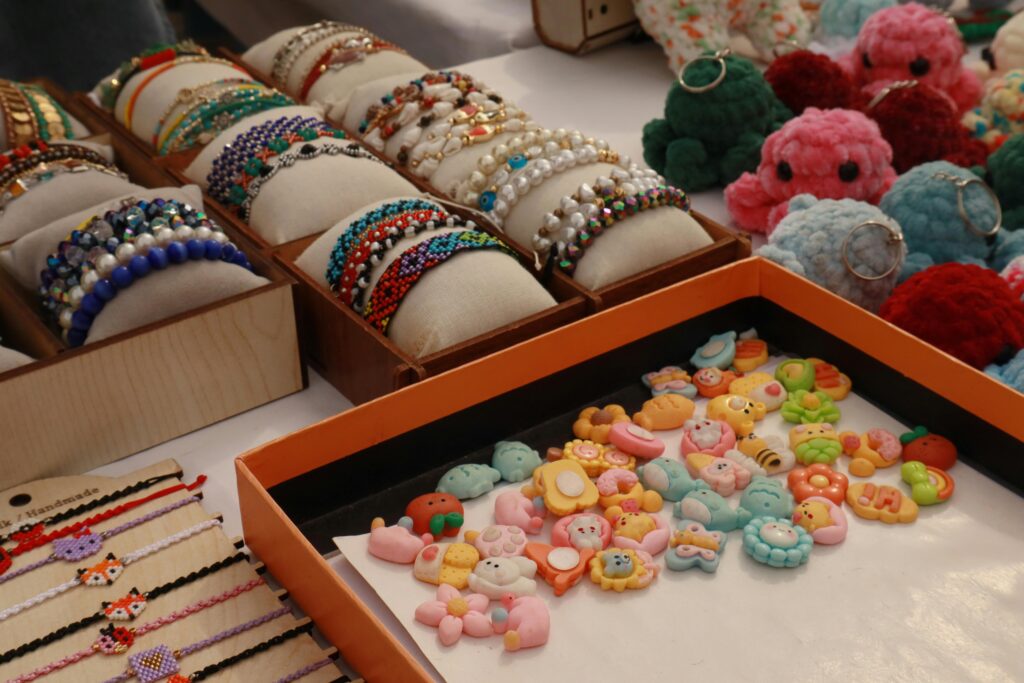
At first glance, many of them look like Little Free Libraries. Instead of books, though, they contain colorful piles of tiny treasures: toy animals, old pins, crystals, stickers, tiny figurines, friendship bracelets, magnets, beads, and handmade charms.
Some are carefully organized.
Others look like a chaotic treasure chest exploded inside a shoebox.
Either way, people cannot stop talking about them.
One of the most viral examples appeared at Argonaut Books in Edinburgh, Scotland, where a bright pink trinket box quickly became a neighborhood attraction. According to The Guardian, visitors lined up to trade tiny objects ranging from magnetic lobsters to vintage collectible toys.
The shop’s staff even started participating themselves.
“There’s a magnetic lobster stuck on the staff whiteboard that wasn’t there a month ago,” bookstore worker Adam Barclay told The Guardian.
The exchange was created by 29-year-old Sam Stevens, who originally saw a similar concept online and decided to build one for her own community.
“It was just such a fun free thing,” Stevens explained.
That simple idea spread fast.
Rachael Harms Mahlandt, an artist who tracks what she calls “sidewalk joy,” told The Guardian that installations exploded from around 800 to nearly 1,500 in just a few months.
The appeal is surprisingly universal.
Kids love discovering tiny surprises.
Adults love the nostalgia.
And exhausted people love experiencing something unexpectedly kind without being asked to buy anything.
Why People Are Craving Whimsy Again
There is a reason this trend arrived at exactly this moment.
Life has started feeling heavy for a lot of people.
Rent is expensive. Groceries cost more. Social media feels exhausting. Most online trends revolve around spending money, building a personal brand, or proving you are productive every second of the day.
Trinket swapping moves in the opposite direction.
The entire activity is intentionally small.
You do not need talent.
You do not need status.
You do not need expensive equipment.
Sometimes all you need is a tiny frog keychain sitting in a drawer.
That low-pressure atmosphere is part of why people connect with it so strongly.
The exchanges also tap into a wave of nostalgia that has dominated internet culture over the last few years. Vintage toys, early 2000s collectibles, friendship bracelets, old stickers, Tamagotchis, Polly Pockets, and tiny animal figurines have all made major comebacks online.
Many trinket traders are not searching for monetary value.
They are searching for memories.
One visitor to the Edinburgh exchange told The Guardian she immediately connected with a tiny Littlest Pet Shop bird because she had collected them as a child.
Another visitor traded for a magnetic tomato and a “Disco Cowgirl” sticker simply because they made her smile.
The objects themselves are often random.
The emotional reaction is not.
The Strange Psychology Behind Tiny Objects
Psychologists have spent years studying why humans become emotionally attached to collections.
Sometimes it is about nostalgia.
Sometimes it is about identity.
Sometimes it is about control.
Martin Reimann, associate professor of marketing at the University of Arizona’s Eller College of Management, previously studied collecting behavior during the pandemic. He explained that people often gravitate toward collecting during unstable periods because it creates a manageable sense of order.
A tiny object can feel grounding.
Especially when the rest of life feels chaotic.
There is also something deeply personal about trinkets themselves.
Unlike expensive luxury items, trinkets are usually weirdly specific.
One person treasures a tiny glass owl.
Another treasures a faded concert pin.
Another carries around a lucky seashell they found during a difficult summer.
The trend has accidentally become a form of emotional storytelling.
When people trade objects, they often trade memories alongside them.
Some trinkets are handmade.
Some belonged to childhood collections.
Some were found on beaches.
Some were carried around for years before being passed on to someone new.
That emotional attachment gives the exchanges a warmth that most internet trends never achieve.
From Music Festivals to Renaissance Fairs
While sidewalk trinket boxes are now exploding online, the tradition itself has existed for years in smaller communities.
Renaissance festivals helped popularize early versions of the culture.
Originally, cast members exchanged tiny favors or handmade objects linked to jokes, characters, and shared experiences inside the festival world. These small pins, ribbons, charms, and decorative pieces acted as souvenirs of friendships formed during performances and events.
Eventually, visitors started participating too.
Then the practice expanded.
Music festivals, cosplay communities, fantasy conventions, and fan events all embraced their own versions of trinket trading.
At fantasy balls and immersive themed events across the UK, guests often exchange miniature keepsakes connected to costumes, books, games, or fantasy themes.
Some people hand out tiny crowns.
Others trade crystals, dragon figurines, handmade bracelets, or tiny potion bottles.
The exchanges are not about value.
They are about interaction.
One fantasy event guide described trinket trading as “a whimsical exchange of small, meaningful items” designed to help strangers connect naturally.
That social element matters more than people realize.
A lot of modern social interaction happens online now.
Many adults struggle to meet new people in person unless alcohol, dating apps, or work events are involved.
Trinket trading creates instant conversation.
A tiny sticker becomes an icebreaker.
A toy dinosaur becomes a shared joke.
A bracelet becomes a memory attached to a specific person or moment.
The interactions are short, but surprisingly meaningful.
The Rise of “Tiny Joy” Culture
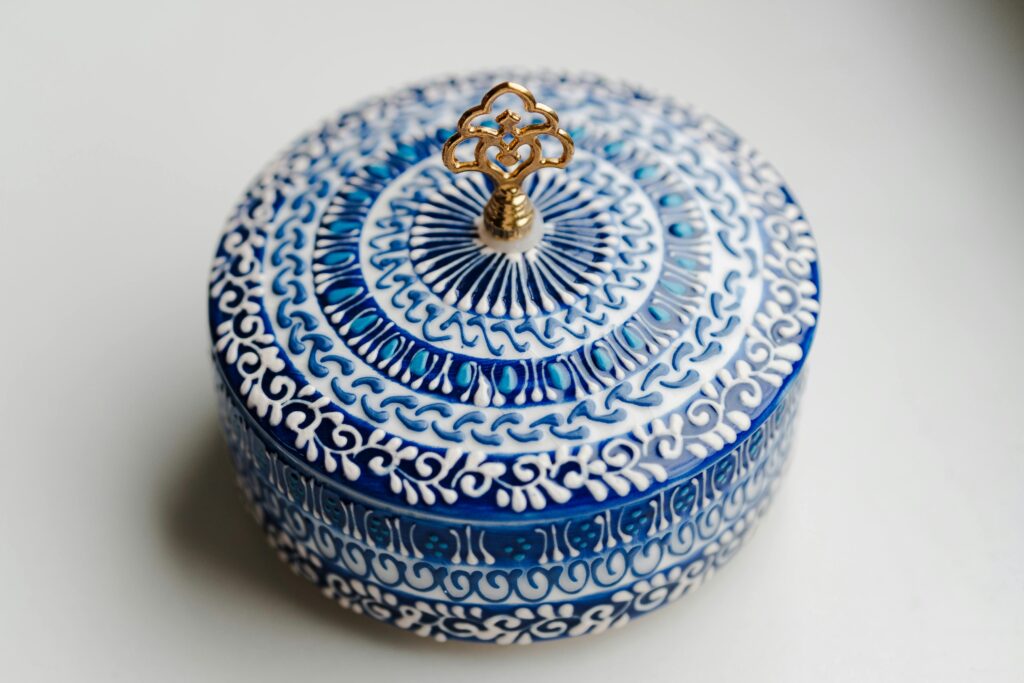
Trinket swapping also fits perfectly into a larger cultural shift happening online.
People are increasingly obsessed with what many creators call “tiny joy.”
Instead of chasing massive life transformations, people are finding comfort in smaller experiences:
- Decorating journals with stickers
- Buying miniature figurines
- Collecting Sylvanian Families toys
- Trading friendship bracelets
- Curating tiny shelves of sentimental objects
- Visiting bookstores and niche hobby shops
- Building hyper-specific collections
The trend overlaps heavily with aesthetics like “trinketcore,” “grandmacore,” and “whimsymaxxing,” where people intentionally surround themselves with comforting, playful, nostalgic objects.
For some, it is a reaction against minimalist culture.
For years, the internet pushed the idea that owning fewer things automatically led to happiness. Clean white spaces, empty countertops, and perfectly curated homes became the standard online aesthetic.
But many people never emotionally connected with that style.
They wanted color.
They wanted chaos.
They wanted shelves filled with tiny objects that actually meant something.
Trinket swapping reflects that emotional shift.
A chipped ceramic sheep might look like clutter to one person.
To someone else, it becomes the highlight of their week.
Why the Trend Feels Different From Consumer Culture
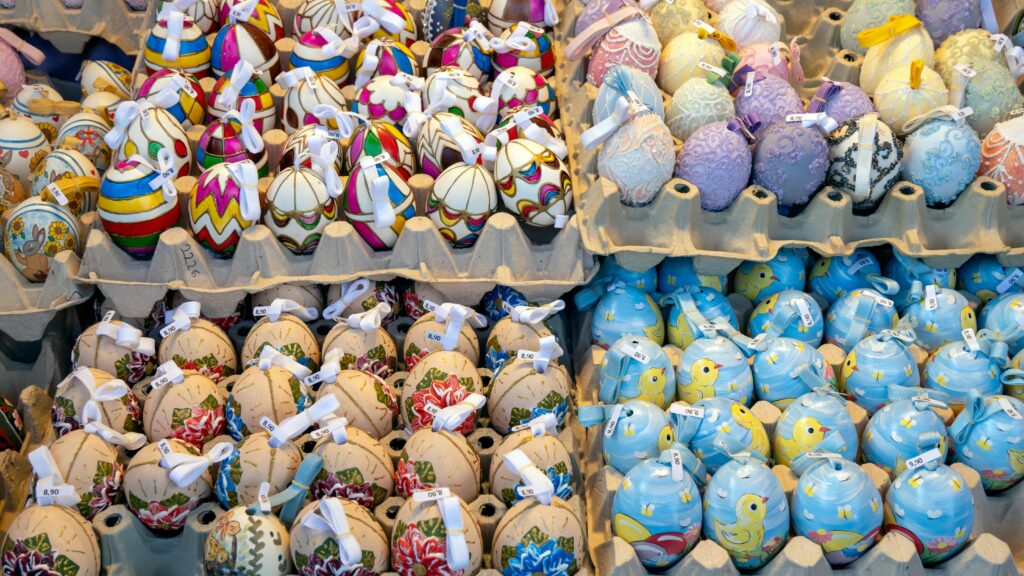
Most viral trends eventually turn into shopping trends.
That is usually how the cycle works.
Something becomes popular online.
Then brands mass-produce it.
Then influencers monetize it.
Then people start spending hundreds of dollars trying to keep up.
Trinket swapping has resisted that pattern, at least for now.
Part of the appeal is that the objects are intentionally low-value.
People trade things they already own.
Many exchanges encourage handmade objects, recycled keepsakes, or secondhand items.
That gives the trend a strangely anti-consumer feeling.
TikTok users who run community trinket boxes often describe the activity as a way to experience excitement without contributing to nonstop shopping culture.
“It gives you that instant gratification, that dopamine without the ecological impact,” one organizer explained in a viral TikTok referenced by The Guardian.
That idea resonates with people who feel burned out by constant consumption.
You do not need to spend $200 on a new hobby.
You can literally participate with an old pin and a toy keychain from a drawer.
That accessibility is rare.
Especially online.
The Problem Nobody Expected
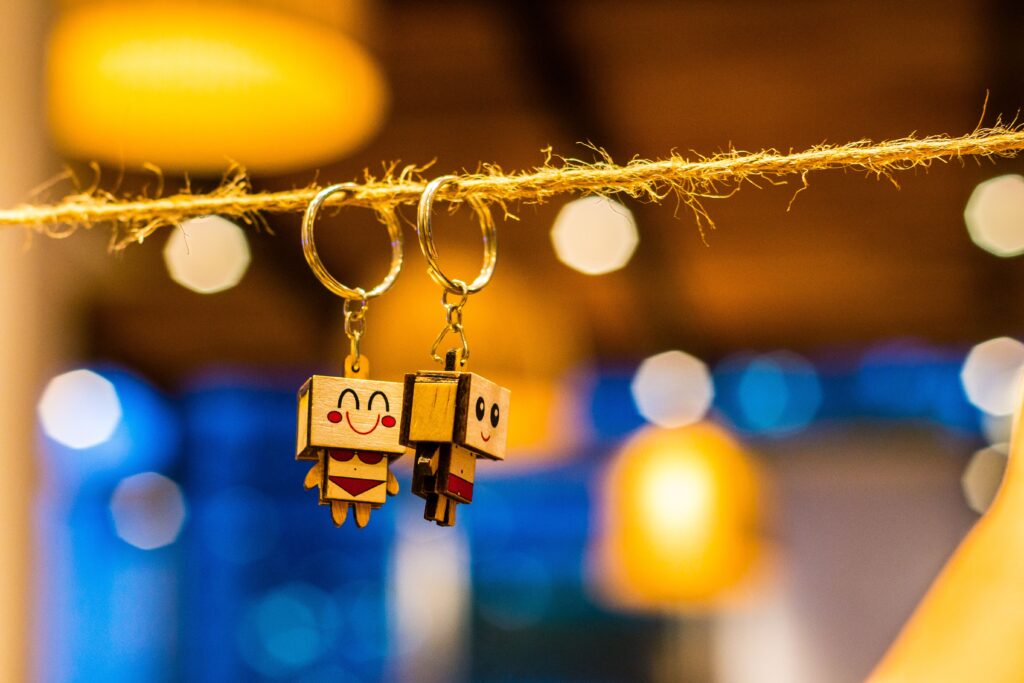
As wholesome as the trend appears, not everyone loves it.
Some Renaissance festivals and event organizers have started restricting or banning trinket trading entirely.
The criticism mainly revolves around scale.
Originally, trinkets were small, personal keepsakes.
As the trend exploded, mass-produced plastic items flooded many events.
Thousands of tiny ducks, mushrooms, dragons, and disposable toys suddenly appeared everywhere.
Festival organizers began raising concerns about litter, waste, environmental impact, and disruptions to vendors.
Some performers also reported that visitors started offering plastic trinkets instead of monetary tips.
Others worried that unofficial traders could interfere with the businesses and artists who financially support festivals.
There were also concerns about safety.
Glass objects, food items, and sharp accessories introduced liability risks inside crowded venues.
That tension has created a surprising debate inside trinket trading communities.
Some people believe the trend should stay small, thoughtful, and community-driven.
Others treat it more like a collectible scavenger hunt.
The difference matters.
A handmade charm exchanged after a meaningful conversation creates one type of experience.
Dumping hundreds of cheap plastic toys into a festival creates another.
Even longtime supporters of trinket culture admit the community may need clearer etiquette as the trend grows.
The Best Trinkets Usually Have a Story
One reason people keep returning to trinket exchanges is simple.
The best objects are rarely expensive.
They are memorable.
A tiny bracelet made by hand carries more emotional weight than something mass-produced.
A worn-out pin from someone’s favorite band feels personal.
A seashell collected during a childhood vacation suddenly becomes part of someone else’s story.
That emotional exchange is what separates trinket swapping from regular collecting.
People are not just gathering objects.
They are gathering moments.
At many exchanges, visitors even explain the meaning behind their trades.
Some objects represent childhood memories.
Some symbolize friendships.
Some are connected to grief, healing, or major life changes.
Others are completely ridiculous.
That randomness is part of the magic.
One person may proudly offer a tiny disco cowboy sticker.
Another offers a miniature vampire duck.
Another hands over a sparkly dinosaur magnet like they are presenting royal treasure.
For a few seconds, complete strangers share the same sense of excitement children feel while opening a treasure chest.
Adults rarely get opportunities to experience that kind of harmless joy anymore.
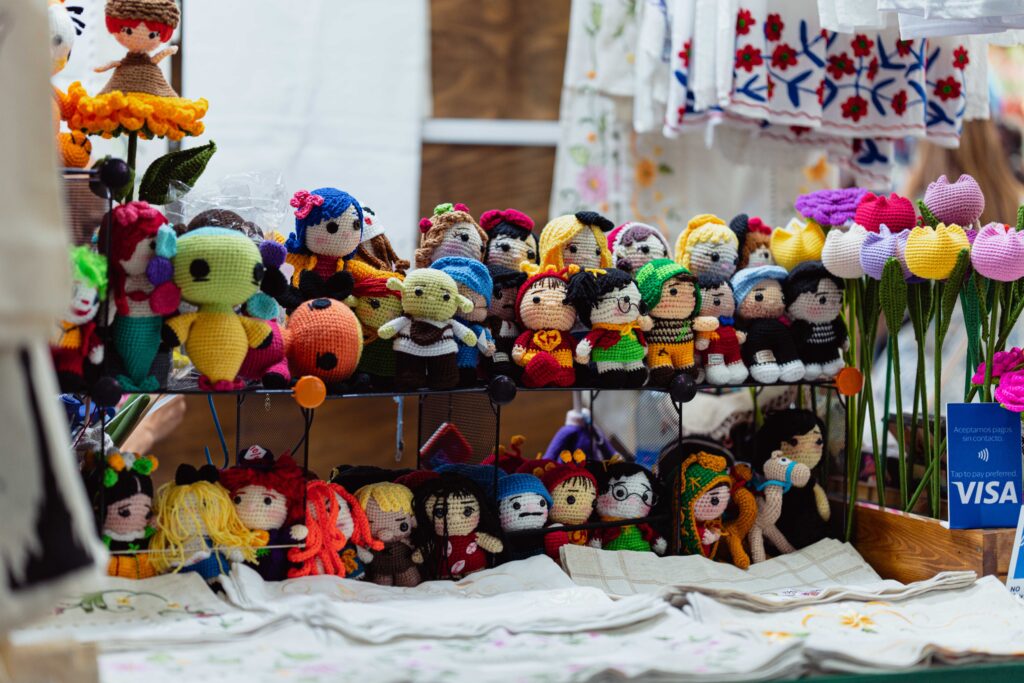
Social Media Helped the Trend Explode
Trinket swapping probably would have remained a niche hobby without TikTok, Instagram, and Reddit.
Videos of tiny exchange boxes spread rapidly because they are visually irresistible.
People love watching miniature objects being sorted, displayed, and traded.
The exchanges also create perfect social media moments.
Someone discovers a tiny toy.
Someone films their trade.
Someone posts a haul.
Then another city starts its own box.
That chain reaction turned local exchanges into a global trend.
Maps tracking trinket swap locations now exist online.
Entire communities organize meetups around tiny-object exchanges.
Some creators even build elaborate themed boxes inspired by forests, fantasy novels, retro toys, or cottagecore aesthetics.
Yet unlike many internet trends, this one still depends on real-world interaction.
You have to physically show up.
You have to browse.
You have to interact with strangers.
You have to trade something.
That physical element may explain why the trend feels so refreshing.
Most online experiences disappear the second you close your phone.
A tiny object sitting on your shelf stays with you.
The Trend Says Something Bigger About Modern Loneliness

There is another reason trinket swapping resonates so strongly right now.
A lot of people feel isolated.
Adults increasingly report struggling with loneliness, burnout, and difficulty forming community outside digital spaces.
Modern friendships often revolve around schedules, distance, work, and exhaustion.
Small rituals matter more in that environment.
A trinket exchange gives people permission to interact without pressure.
Nobody needs a perfect conversation.
Nobody needs networking skills.
Nobody needs a reason to talk.
The tiny object does the work.
That sounds silly until you watch strangers gather around one of these boxes.
People compare finds.
They laugh at weird little figurines.
They explain why they love certain toys.
They swap stories.
For a brief moment, people stop acting guarded.
The trend works because it feels sincere.
No algorithm is deciding who deserves attention.
No brand partnership controls the interaction.
It is just people offering tiny pieces of joy to one another.
That simplicity feels rare now.
Tiny Objects, Real Feelings
A miniature frog keychain cannot fix the economy.
A ceramic sheep cannot solve loneliness.
A sparkly dinosaur magnet will not erase stress.
Still, people keep building these little boxes.
People keep stopping to look inside.
And complete strangers keep smiling at tiny objects they probably would have ignored a few years ago.
That reaction says something important about what many people are craving right now.
Not bigger experiences.
Not more luxury.
Just moments that feel human.
Trinket swapping survives because it asks for almost nothing while offering something surprisingly difficult to find online: genuine delight.