
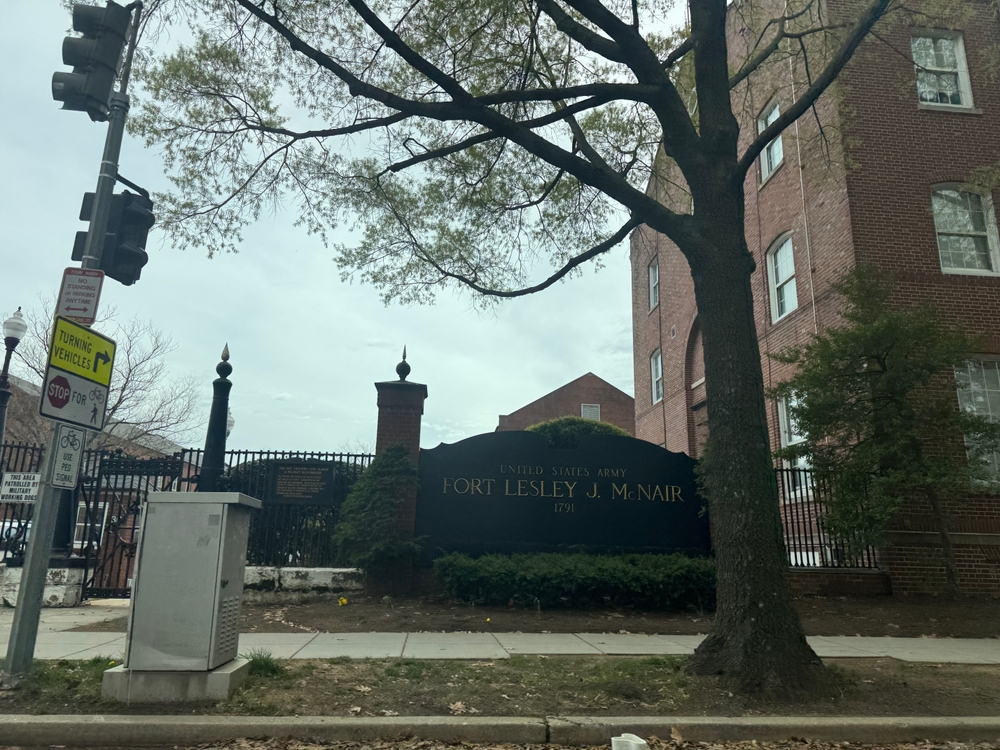
A growing number of senior Trump administration officials are reportedly moving into military housing around Washington, D.C., as security concerns surrounding the president’s inner circle continue to escalate. Attorney General Todd Blanche is the latest prominent figure to make the move, joining several other officials who have reportedly left their private residences for accommodation on military installations.
The relocations come amid concerns involving potential threats from drug cartels, domestic political violence, and growing tensions with Iran. Treasury Secretary Scott Bessent has also moved to a military installation following reported security concerns involving his Georgetown residence. With several high-ranking civilian officials now living on military property, questions are emerging about the scale of the security concerns facing the administration and why these historic military facilities are becoming increasingly important to Washington’s civilian leadership.
Todd Blanche Joins Growing List Of Officials In Military Housing
Attorney General Todd Blanche has reportedly been living at a military installation in the Washington, D.C., area for several months. The relocation took place earlier this year, although the specific reasons behind his move have not been publicly explained. Three sources familiar with the arrangement confirmed his residence at the installation, adding another senior administration official to the growing list of civilian leaders using military accommodation.
Blanche’s move comes during a period of heightened security concerns surrounding prominent members of the Trump administration. His predecessor, Pam Bondi, also reportedly relocated from her Washington apartment to military housing after law enforcement identified threats associated with drug cartels. Concerns surrounding backlash over her handling of the Epstein files were also mentioned in previous reporting, although the Justice Department disputed that explanation.
The circumstances surrounding Blanche’s relocation remain unclear, including whether the move was prompted by a specific threat or a broader security assessment. His position as the country’s attorney general places him among the administration’s most prominent figures, making personal security a significant consideration. The growing number of officials using military accommodation suggests that residential protection has become an increasingly visible concern for the president’s senior team.

Scott Bessent Relocates Amid Reported Iran Threats
Treasury Secretary Scott Bessent is another senior administration official who has reportedly moved into military housing. His relocation comes amid concerns about potential threats connected to Iran, which has reportedly intensified efforts to target Americans, including current and former US officials. The security situation surrounding Bessent reportedly became more concerning after an online photograph of his Georgetown residence made it possible to identify its location.
A source familiar with the relocation described the circumstances, saying: “After The Wall Street Journal published an article featuring an online photo that allowed the location of the secretary’s Georgetown home to be geo-located, security concerns began to increase, which have now forced the secretary to relocate to a military base for his safety. The news media has an obligation to act responsibly amid growing threats against public officials.”
The reported move highlights concerns about how easily publicly available information can expose the private residences of senior government figures. Even photographs shared online can potentially reveal identifying details about a person’s home, creating additional security challenges for officials who already face public scrutiny. Bessent’s relocation also reflects the international dimension of the threats facing the administration, particularly amid concerns involving Tehran.
Several Other Senior Trump Officials Have Moved
Blanche and Bessent are far from the only prominent administration figures reportedly using military accommodation. Secretary of State Marco Rubio and Secretary of War Pete Hegseth have reportedly taken up residence at Fort McNair in Washington, D.C., while White House chief of staff Stephen Miller and other administration officials have moved to military installations or protected government housing. These arrangements have placed several influential civilian leaders in facilities traditionally associated with military personnel.
Other officials previously reported to have used military housing include former Homeland Security Secretary Kristi Noem and former Army Secretary Daniel Driscoll. Their arrangements have involved different installations, suggesting that the relocations are not limited to one military property or a single group of government departments. The officials have also faced different security circumstances, meaning their decisions should not automatically be treated as responses to identical threats.
The growing list has drawn attention to the administration’s residential security arrangements. Senior officials regularly deal with sensitive government matters and high-profile political controversies, which can expose them to different forms of risk. Their reported use of military accommodation reflects the importance being placed on protecting individuals who occupy some of the country’s most prominent government positions.
Pam Bondi Faced Security Concerns Before Blanche
Blanche’s predecessor, Pam Bondi, also reportedly moved into military housing after concerns about her personal safety emerged. She had previously lived in a Washington apartment before relocating following security concerns involving threats associated with drug cartels. The circumstances surrounding her move also attracted attention because of the political controversy surrounding her handling of the Epstein files.
Previous reporting suggested that backlash over the files was among the factors considered in discussions about her security. However, the Justice Department disputed that explanation, leaving some details surrounding the relocation contested. The distinction is important because the reported threats involving Bondi were not identical to those associated with Bessent’s move.
Bondi’s relocation provides an earlier example of a senior Trump administration official changing residences amid concerns about personal safety. Blanche’s subsequent move adds another development to that pattern, although the specific reasons for his accommodation have not been disclosed. Together, the reported arrangements show how security concerns have increasingly influenced where some senior administration figures choose to live.
Fort McNair Has Become A Key Residential Location
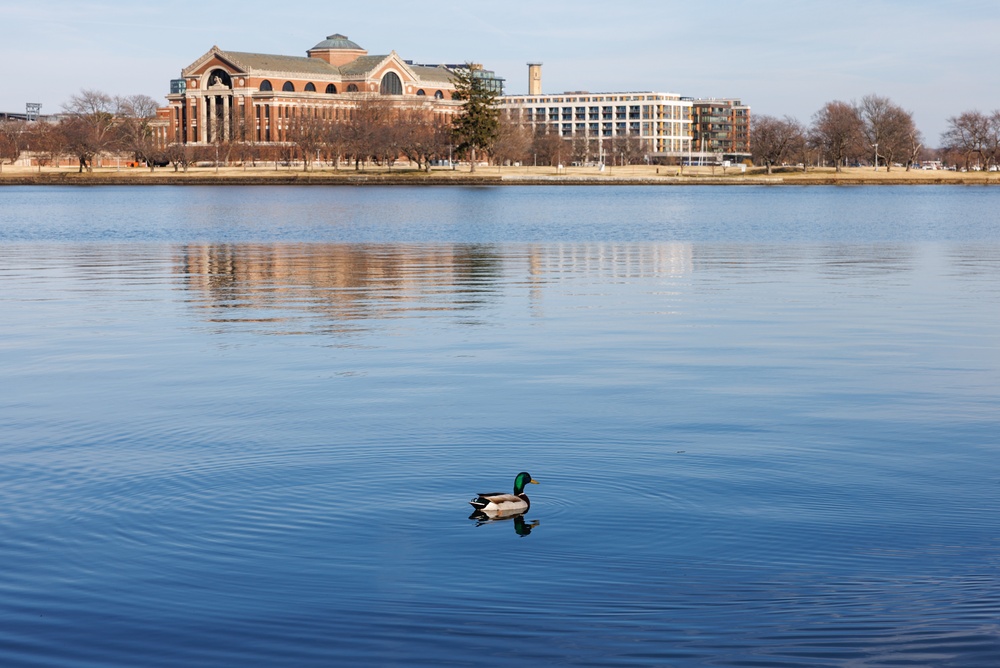
One military installation repeatedly mentioned in connection with senior Trump administration officials is Fort McNair. Located along the Potomac River in Washington, D.C., the historic Army installation dates back to the late 1700s and is home to the National Defense University. It has traditionally provided residential accommodation for senior military leaders, making its reported use by prominent civilian officials particularly noteworthy.
The installation contains historic residential properties, with a 2020 National Capital Planning Commission report identifying two housing groups within its residential quarters. A separate 2024 Army filing identified 27 historic homes at Fort McNair that were built before 1919. These properties form part of an installation with a long military history and established residential facilities for senior personnel.
The Army’s housing website lists 88 historic dwelling units across Fort McNair and nearby Fort Myer combined. However, the figure does not specify how many homes are located at each installation. The available information therefore provides an overview of the residential facilities but does not establish precisely how many properties are currently being used by civilian administration officials.
Security Threats Are Reshaping Residential Arrangements
The reported relocations involve several different categories of security concerns. Some officials have faced concerns involving domestic political violence, while others have reportedly encountered threats associated with international tensions. The circumstances surrounding Bondi, Bessent, and Blanche illustrate how different factors can influence decisions about personal accommodation and protection.
The reported concerns include threats linked to drug cartels, potential Iranian targeting, publicly accessible information identifying private residences, and political backlash surrounding government decisions. These developments also come amid broader warnings about threats against public officials. However, the available information does not establish that every official living on military property faces the same level or type of danger.
Several details about the arrangements remain undisclosed, including how long officials are expected to remain in military housing and whether their relocations are temporary. It is also unclear whether all the officials receive identical security arrangements or whether individual departments make separate decisions based on specific assessments. Without additional information, the full scale of the residential changes remains difficult to determine.
Military Housing Is Becoming A Visible Part Of Washington Security
Military installations have traditionally served as homes for senior officers and military personnel. Their reported use by civilian administration officials reflects the security considerations surrounding prominent government figures and the growing attention being paid to their private residences. Fort McNair has become one of the most visible examples, with several senior officials reportedly residing within its historic facilities.
Blanche’s relocation adds another name to an increasingly lengthy list, while Bessent’s move highlights concerns involving potential threats from abroad. The reasons behind individual decisions differ, and important details remain undisclosed. However, the growing number of officials reportedly living on military property shows how personal security is becoming an increasingly significant consideration for the Trump administration’s senior leadership.