
Your cart is currently empty!
Trump Launched a Naval Mission to Free Trapped Ships in the Strait of Hormuz. Two Days Later, He Paused It.
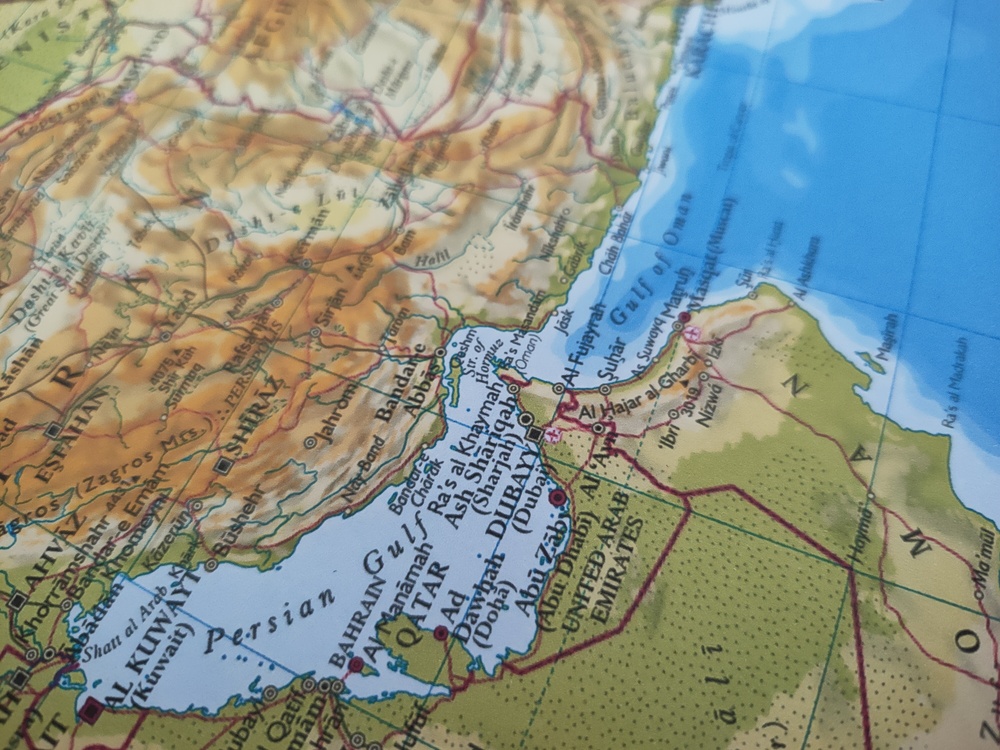
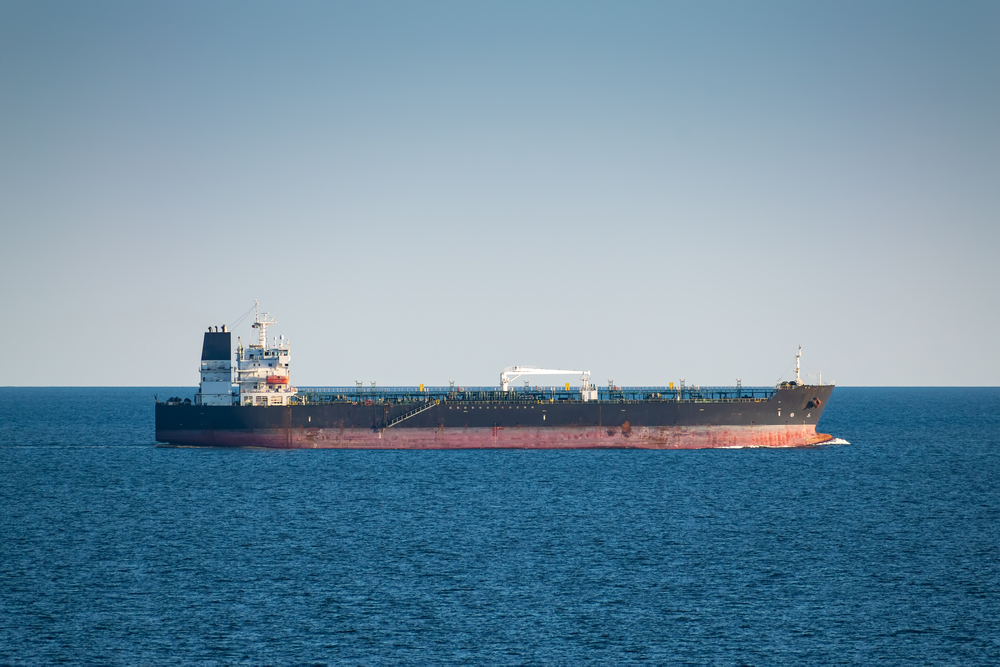
Somewhere in the Persian Gulf, more than 1,500 commercial vessels are sitting still. Their engines are running, their crews are waiting, and the cargo in their holds, oil, liquefied natural gas, fertiliser, and petroleum products, is going nowhere. Up to 23,000 mariners from 87 countries have been stranded since late February, when a war in the Middle East closed one of the most consequential stretches of water on earth. On Sunday, May 4, Washington launched an operation to change that. By Tuesday, it was on hold.
Contents
show
What happened in those 48 hours, and what it signals about where the Iran conflict goes next, is a story that moves faster than most diplomatic timelines and carries consequences that reach well beyond the Gulf.
How the Strait Came to a Standstill
When the United States and Israel launched air strikes on Iran on February 28, Tehran responded by doing something that sent immediate shockwaves through global commodity markets. It closed the Strait of Hormuz, the narrow chokepoint through which roughly one-fifth of the world’s oil, gas, and assorted petroleum products normally flow. No closure of that waterway, at any point in modern history, had lasted as long or carried as much economic weight.
Fuel prices responded fast. By Tuesday of this week, the US national average retail price of gasoline had surpassed $4.50 per gallon for the first time since July 2022. Brent crude was trading near its highest level since March 2022. Global supply chains that depend on Gulf transit had no reliable alternative, and refineries trying to offset production shortfalls were drawing down inventories that had taken years to build. For an administration already watching midterm elections approach on the calendar, the arithmetic was uncomfortable.
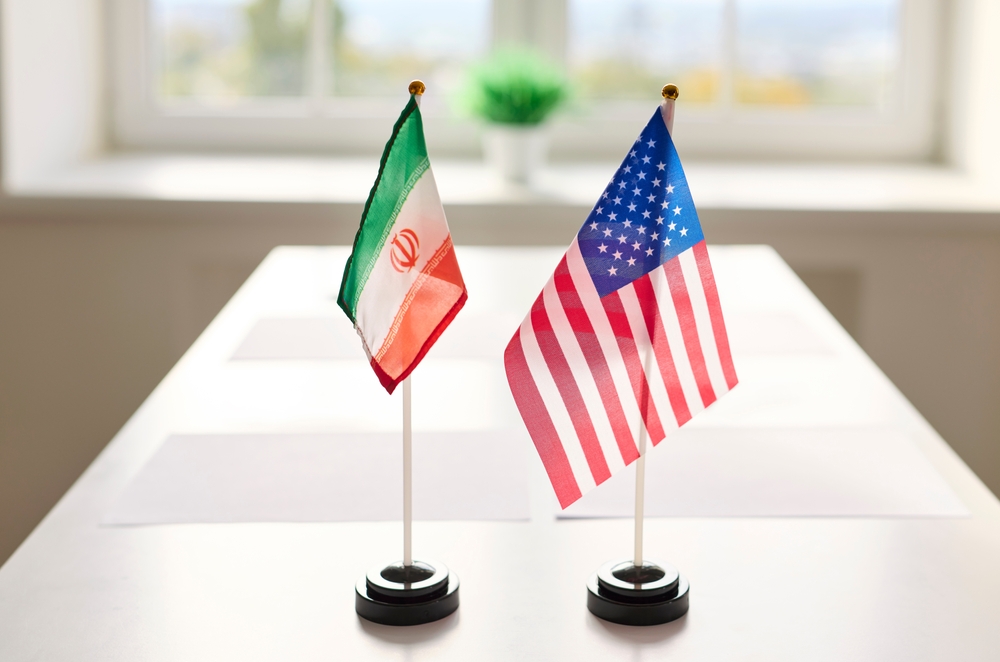
A ceasefire between the US and Iran came into effect on April 8, but it resolved little of the underlying tension. Washington followed it by imposing a naval blockade on Iranian ports, using economic pressure to push Tehran toward a formal agreement that would include reopening the strait and halting all nuclear enrichment. Iran’s response was to maintain its grip on the waterway and wait.
What Project Freedom Actually Was
Trump announced the initiative on Sunday, framing it in humanitarian terms as a gesture for ships, companies, and countries that had, in his words, done nothing wrong. US Central Command, known as Centcom, moved quickly. Guided-missile destroyers, more than 100 land and sea-based aircraft, multi-domain unmanned platforms, and 15,000 service members were deployed in support of the effort. Centcom commander Admiral Brad Cooper said his forces had contacted dozens of ships and shipping companies to encourage traffic flow through the blocked waterway.
What the operation would actually look like in practice was less clear from the start. Former US deputy assistant secretary of defence Mick Mulroy told the BBC he believed the military would focus primarily on air cover and defence against drone or missile attacks, rather than physically escorting individual ships through the strait. Intertanko, a trade body representing independent tanker owners and operators, said the Trump administration had not established any coordination mechanism with the industry, leaving its members uncertain about their safety if they attempted to move.
For shipping companies and their insurers, the question was not whether the US military was committed, but whether that commitment translated into a guarantee they were prepared to act on.
Early Movement, Immediate Pushback
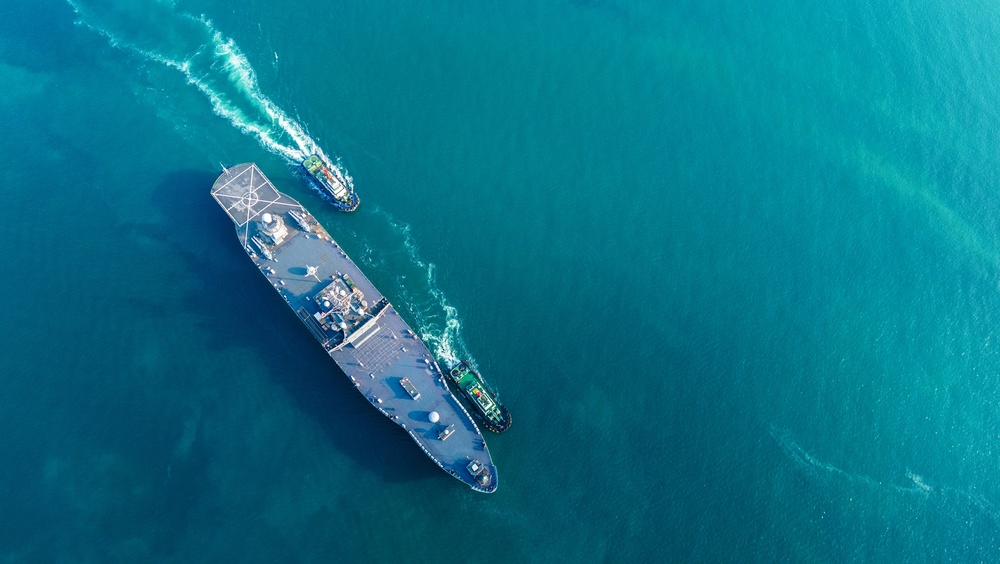
By Monday afternoon, Centcom reported that two US-flagged merchant vessels had successfully transited the Strait of Hormuz. Maersk confirmed that one of its ships had exited the Gulf with military accompaniment. US Navy guided-missile destroyers had themselves transited the strait in support of the operation, and Centcom said American forces were actively working to restore commercial shipping transit.
Iran’s Islamic Revolutionary Guard Corps told a different story. Its commanders denied that any vessels had passed through, issued a new and expanded map of Iranian control over the waterway, and warned ships to use the regime-approved corridors or face what it called a decisive response.
Hours after the operation began, Iran’s military said it had fired at US and Israeli destroyers. Centcom denied any warship had been hit but confirmed that Iran had launched cruise missiles at both US warships and US-flagged commercial ships, with drones and small boats used against additional civilian vessels. The United Arab Emirates reported that a tanker affiliated with its state oil company, Adnoc, had been struck by two drones while transiting the strait. At least three missile interceptions were recorded. A suspected strike hit a South Korean cargo vessel anchored near the UAE. Centcom confirmed that US attack helicopters had sunk six small Iranian boats that were targeting civilian shipping. Iran denied this, claiming two civilian cargo boats had been struck, with five civilians killed.
Major shipping firms were watching and not moving. Hapag-Lloyd, one of the world’s largest container shipping companies, said its risk assessment remained unchanged and that transits through the strait were not currently possible for its vessels.
Forty-Eight Hours and a Pause
On Tuesday morning, Secretary of State Marco Rubio stood at the White House and made the administration’s position sound firm. He told reporters that US offensive operations against Iran, designated Operation Epic Fury, were finished. He said the US was working to get ships through the strait as what he called a favour to the world. He said hundreds of commercial vessels were lining up to pass through, and that Iran was embarrassed by its inability to stop them.
“Under no circumstances can we live in a world where we accept, ‘OK, this is normal — you have to coordinate with Iran. You have to pay them a toll in order to go through the Straits of Hormuz.’ Not only is that unacceptable in the straits, you’re creating a precedent that could be repeated in multiple other places around the world.” Rubio said.
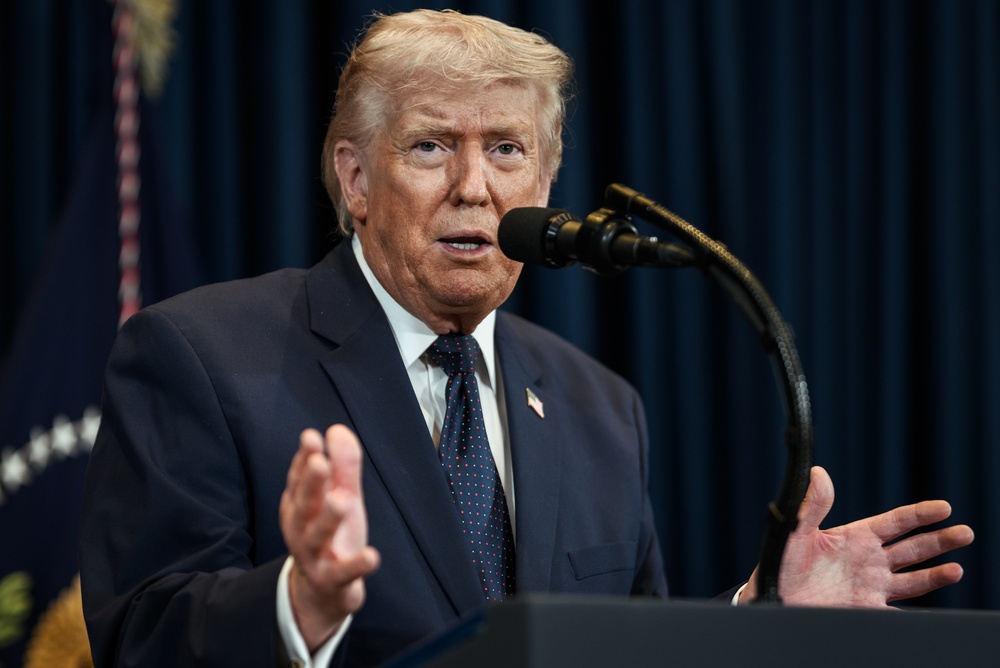
Hours after Rubio spoke, Trump posted on Truth Social and changed the picture entirely. “We have mutually agreed that, while the Blockade will remain in full force and effect, Project Freedom (The Movement of Ships through the Strait of Hormuz) will be paused for a short period of time to see whether or not the Agreement can be finalized and signed.”
He cited a request from Pakistan, which has been serving as the key intermediary in negotiations between Washington and Tehran. He cited what he described as great progress toward a complete and final agreement with Iranian representatives. He said the US blockade of Iranian ports would remain in place. Pakistan’s Prime Minister Shehbaz Sharif responded on social media within hours, thanking Trump for the pause and expressing hope that the current momentum would lead to a lasting agreement.
A Ceasefire Being Stressed
Defence Secretary Pete Hegseth and Joint Chiefs Chairman General Dan Caine held a news conference in which both insisted the April 8 ceasefire remained intact. Caine acknowledged that Iran had fired on commercial vessels nine times, seized two container ships, and attacked US forces ten times since the ceasefire agreement, but said those actions had not crossed the threshold for resuming major combat operations. Hegseth was direct in response to reporters asking whether the renewed violence meant the truce was over. “The ceasefire is not over,” he said. “This is a separate and distinct project.”
The administration also faces a legal clock running in the background. Under the War Powers Resolution, presidents are typically required to seek formal Congressional approval for military action 60 days after it begins. On the eve of that deadline expiring, a senior Trump administration official had said the US had “terminated” hostilities with Iran since the April ceasefire, a framing that critics disputed given the ongoing military activity in the strait.
A Deal Taking Shape
By Wednesday, reports emerged that the US and Iran were closing in on a one-page, 14-point memorandum of understanding, with a Pakistani source confirming to Reuters that an agreement was near. The reported terms included an Iranian moratorium on nuclear enrichment, US sanctions relief, and the release of billions of dollars in frozen Iranian funds, and a mutual lifting of restrictions on Strait of Hormuz transit. Negotiations were described as proceeding through US envoys Steve Witkoff and Jared Kushner, working both directly and through mediators. Iran’s foreign ministry said it was evaluating the proposal.
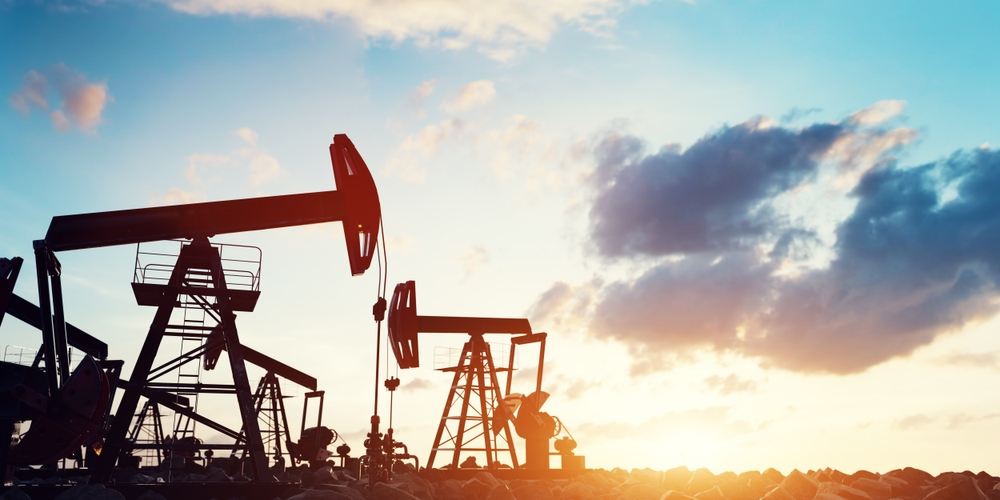
Oil markets moved on the news before diplomats had finished talking. Brent crude fell below $100 a barrel for the first time in two weeks, and global stock markets rallied sharply. Iran’s Revolutionary Guards Navy issued a statement saying safe transit of the strait would be possible once threats from what it called aggressors had ended.
Whether the memorandum holds, and whether its terms survive the transition from a one-page framework into a signed agreement, remains entirely open.
What Analysts Think Happens Next
Among those who have watched the Iran file closely, the mood is cautious. Grant Rumley, a Middle East expert who served as an adviser across both the Biden and Trump administrations, assessed the broader picture before the pause was announced.
“I think that the general consensus is that a resumption of hostilities is a question of when. Not if.” Nitya Labh of London’s Chatham House called Project Freedom extremely risky. He warned that even a successful transit operation would provide only temporary relief without a more sustained commitment to keeping the waterway open. Iran’s chief negotiator, parliament speaker Mohammad Bagher Qalibaf, signalled that Tehran had not yet exhausted its options, writing publicly that the continuation of the status quo was intolerable for America while Iran had not yet fully begun to press its own leverage.
Rubio, meanwhile, pressed Beijing to use its influence over Tehran, saying it was in China’s interest to see Iran reopen the strait. China has offered quiet support to Iran while avoiding any public commitment on either side of the conflict.
For now, 1,550 vessels are still sitting in the Gulf, waiting for a one-page document to become something more durable. Whether the agreement comes together in the next 48 hours or the standoff stretches further into a summer that American voters will spend paying $4.50 at the pump may shape the next chapter of this conflict as much as anything happening in the strait itself.
CENTCOM, commercial shipping crisis, global oil supply, Iran blockade, Iran ceasefire, Iran nuclear deal, Iran US war 2026, Iran war, Jared Kushner Iran, Marco Rubio Iran, oil prices 2026, Operation Epic Fury, Pakistan mediation, Persian Gulf shipping, Pete Hegseth, Project Freedom, Steve Witkoff, Strait of Hormuz, Trump Iran deal, US Navy Middle East