
Your cart is currently empty!
Trump Signs Executive Order as Administration Ramps Up Fight Against Drug Addiction

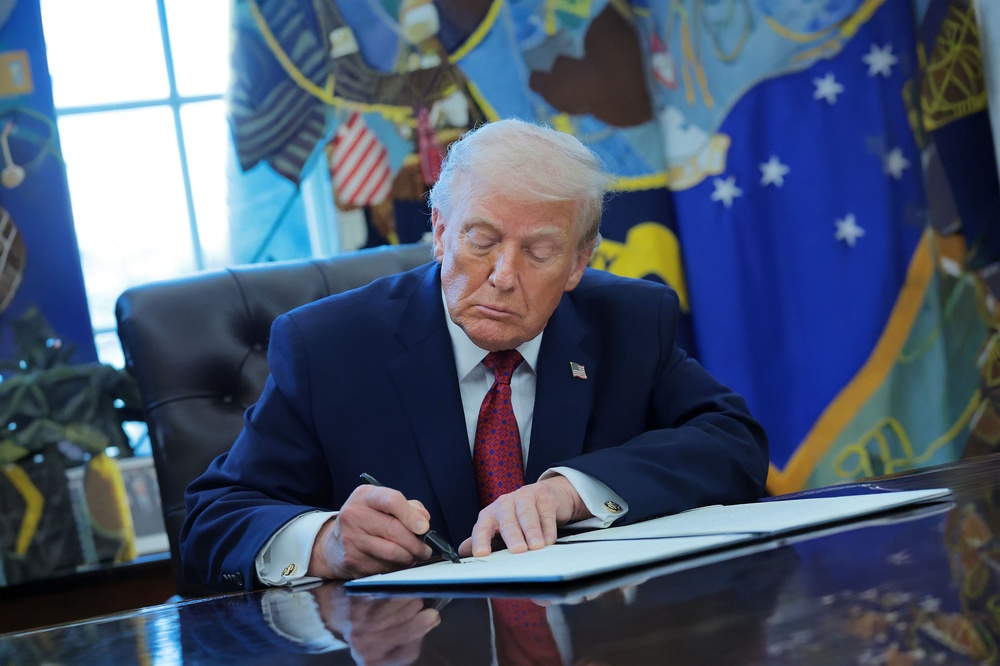
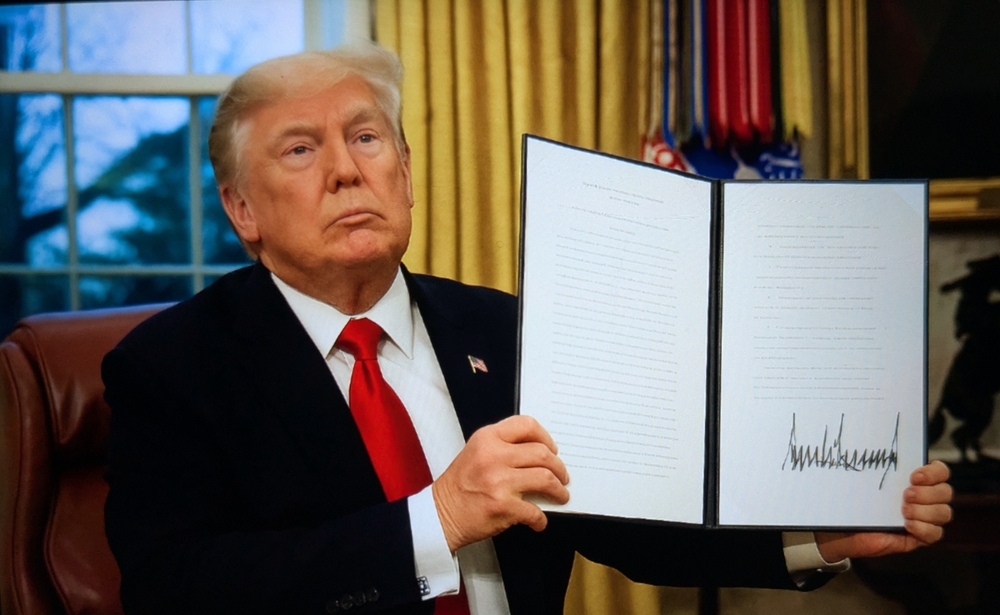
President Donald Trump on Thursday signed an executive order aimed at coordinating a federal response to drug addiction and substance abuse, positioning the move as a major step toward reshaping how the United States addresses one of its most persistent public health crises. Speaking from the Oval Office, Trump described addiction as an issue that cuts across geography, income, and politics, affecting urban and rural communities alike. He emphasized that for too long, federal efforts have been fragmented, with agencies operating independently rather than in coordination, resulting in gaps that leave millions of Americans without consistent access to prevention, treatment, or long term recovery support.
Contents
show
Trump framed the initiative as both a policy decision and a deeply personal moment, drawing on his family’s experience with addiction to underscore the urgency of action. He spoke about the devastating toll substance abuse continues to take on families nationwide, arguing that addiction must be treated as a chronic and treatable disease rather than a moral failing or solely a criminal issue. By establishing a centralized White House initiative, the administration aims to bring structure, accountability, and continuity to a system that has often failed to keep pace with the scale of the crisis or the realities faced by those struggling with substance use disorder.

A Crisis Affecting Millions of Americans
The executive order outlines the magnitude of the addiction crisis in direct and sobering terms, stating that 48.4 million Americans, or 16.8 percent of the nation’s population, are currently living with substance use disorder. During his remarks, Trump highlighted the human cost behind those numbers, saying, “Every year we lose an estimated 300,000 people to drug and alcohol abuse. And the real number is probably much, much higher than that.” These losses represent not only lives cut short but also families and communities left grappling with grief, instability, and long term consequences.
Despite decades of public awareness campaigns and significant government spending, the order points to a persistent failure to connect people with treatment. Among the 40.7 million adults who experienced substance use disorder in 2024 and did not receive treatment, 95.6 percent did not believe they needed help. This gap between need and perception has been a central obstacle in addressing addiction, allowing the disease to progress untreated and often undetected until it reaches crisis levels.
The economic and social consequences extend far beyond individual health outcomes. Addiction contributes to declining workforce participation, increased healthcare expenditures, homelessness, family breakdown, and lost productivity that costs the United States hundreds of billions of dollars annually. The order frames addiction not only as a medical emergency but as a broader threat to economic stability and national strength, arguing that failure to address it comprehensively undermines long term growth and community resilience.

The Personal History Behind Trump’s Focus on Addiction
Trump’s comments during the signing repeatedly returned to his family’s experience with addiction, particularly the struggle and loss of his older brother, Fred Trump Jr., who battled alcoholism for years before his premature death. Reflecting on that experience, Trump said, “Many of those with me today have personally known the heartache of a loved one taken by drug or alcohol addiction. I do, just like millions of American families.” The remark served as a reminder that addiction often affects families quietly and over long periods of time, regardless of public status or success.
That personal history has long shaped Trump’s approach to substance abuse policy, including his emphasis on prevention and early intervention. In the executive order, this perspective is reflected in language that treats addiction as a chronic disease with relapse rates comparable to conditions such as heart disease and diabetes. The order stresses that recovery is not a one time event but a long term process requiring ongoing care, monitoring, and support.
By grounding the policy in personal experience and medical framing, the administration is attempting to shift public perception away from stigma and blame. The order emphasizes that effective responses must be rooted in science, dignity, and sustained engagement, acknowledging that shame and punishment alone have failed to reduce addiction or prevent relapse.

The Great American Recovery Initiative
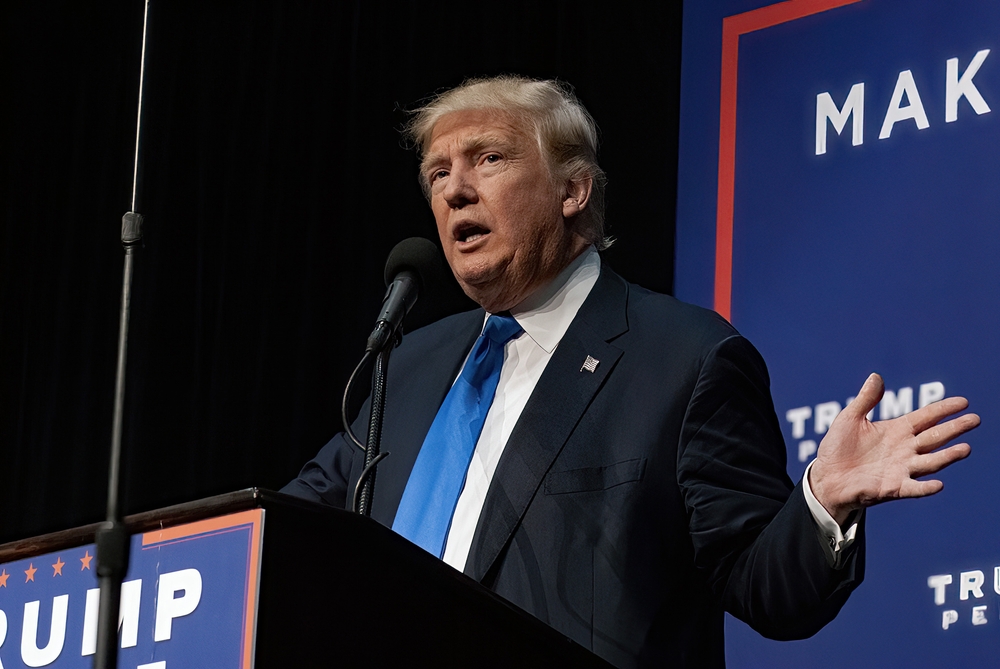
At the center of the executive order is the creation of the White House Great American Recovery Initiative, a federal coordinating body designed to align addiction related efforts across government. The initiative is intended to address long standing criticisms that addiction policy has been scattered among agencies with overlapping responsibilities and limited coordination, resulting in inefficiency and inconsistent outcomes.
The initiative will be co chaired by the Secretary of Health and Human Services and the Senior Advisor for Addiction Recovery, with an executive director overseeing daily operations and reporting to the Assistant to the President for Domestic Policy. Its membership includes senior officials from departments responsible for health, justice, education, labor, housing, veterans affairs, and national drug control policy, among others. This broad representation is intended to ensure that addiction is addressed not only as a healthcare issue but also as a workforce, housing, and public safety concern.
According to the order, the initiative is authorized to hold public hearings, roundtables, and meetings and to receive expert input from leaders in public health and addiction treatment. Its responsibilities include setting clear objectives, aligning federal programs, directing grants, and providing data driven updates to the public on progress, with an emphasis on transparency and measurable outcomes.
Coordinating Prevention, Treatment, and Recovery
A central focus of the executive order is the need to dismantle siloed responses to addiction that separate prevention, treatment, and recovery into disconnected systems. Federal agencies are directed to integrate services across healthcare, criminal justice, education, housing, workforce development, and social services, recognizing that addiction affects every aspect of a person’s life.
The order calls for increased awareness of addiction as a disease and for fostering a culture that celebrates recovery rather than marginalizes it. Agencies are instructed to prioritize early intervention, expand access to evidence based treatment, and provide continuous support that extends beyond initial care. Grants are to be directed toward programs that demonstrate long term effectiveness and resilience rather than short term or fragmented solutions.
By aligning addiction treatment with approaches used for other chronic illnesses, the administration argues that recovery outcomes can improve. Continuous care, scientific advancement, and community connection are emphasized as essential components of a system capable of sustaining recovery and reducing relapse over time.
The Role of Robert F. Kennedy Jr. and Kathryn Burgum
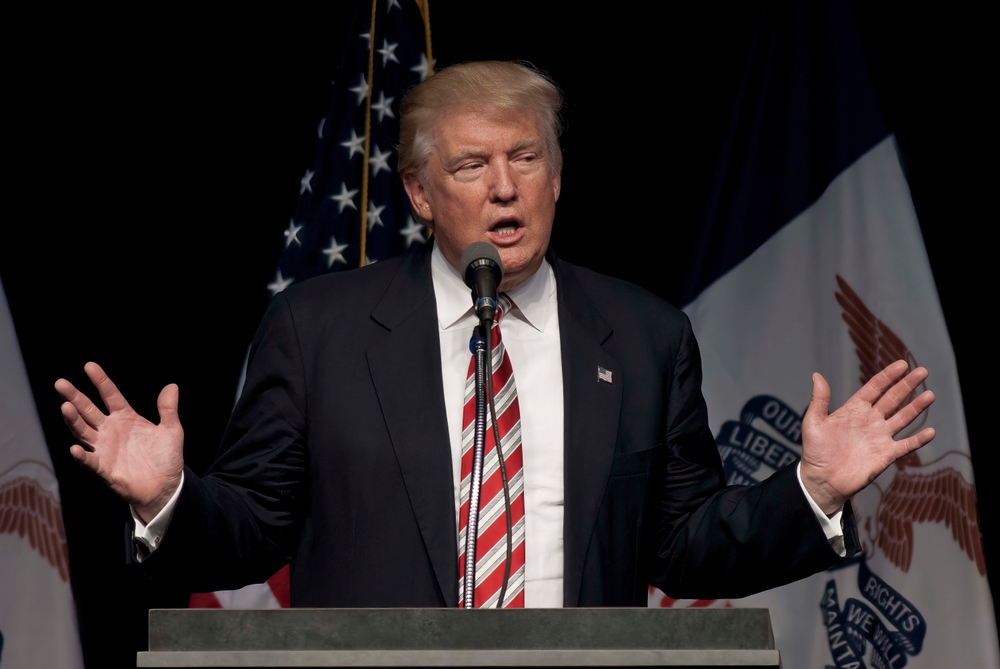
Health and Human Services Secretary Robert F. Kennedy Jr. emerged as a central voice during the signing ceremony and will play a key role in shaping the initiative’s direction. Kennedy, who has spoken openly about his own past struggles with substance abuse, framed addiction as a medical condition rather than a personal failing, stating, “Addiction is not a moral failure. It is a disease. It’s chronic. It’s treatable.”
Kennedy criticized previous national approaches that relied on stigma and fragmentation rather than coordination and compassion. He said, “And for too long, our nation has responded with fragmentation, with stigmatization and silence instead of science, compassion and coordination.” He added, “Today, President Trump changed that with a Great American Recovery Initiative.”
Kathryn Burgum, an advocate for addiction recovery and the spouse of Interior Secretary Doug Burgum, will also serve as a co chair of the initiative. Burgum has been in recovery from alcoholism for more than two decades and has spoken publicly about her journey, bringing lived experience and advocacy into the leadership of the program.
Border Enforcement and Drug Supply Reduction
While the initiative places strong emphasis on treatment and recovery, Trump also connected the executive order to enforcement efforts aimed at reducing the supply of illegal drugs entering the country. He argued that recovery initiatives cannot succeed in isolation if communities continue to be flooded with dangerous substances.
During his remarks, Trump highlighted recent enforcement actions, stating, “We’ve closed the southern border, seized over 47 million fentanyl pills and 10,000 pounds of fentanyl powder. That’s a record.” He also pointed to improvements in overdose trends, saying, “Thankfully, drug overdose deaths plummeted by 21% in the last year. We’re working very hard on it.”
The administration maintains that reducing supply and expanding treatment must occur simultaneously. Enforcement addresses availability, while treatment addresses demand, relapse, and long term recovery. The executive order frames these efforts as complementary rather than competing priorities.
Why the Executive Order Matters
The executive order arrives at a time when addiction intersects with workforce shortages, housing instability, rising healthcare costs, and public safety concerns. By formally recognizing addiction as a chronic disease and prioritizing coordination across government, the administration is signaling a shift in both tone and policy direction.
The order acknowledges that its success will depend on implementation, funding, and sustained political commitment. It specifies that all actions must be carried out consistent with existing law and subject to the availability of appropriations, leaving open questions about scale and longevity.
For families affected by substance use disorder, however, the order represents a federal acknowledgment that recovery is possible and that systems must evolve to meet people earlier, more consistently, and with dignity.
A National Call for Recovery
In closing his remarks, Trump emphasized that recovery does not end when treatment ends but succeeds when individuals return to their families, workplaces, and communities with stability and purpose. The executive order echoes this view by prioritizing reentry and long term support as essential components of recovery.
Kennedy reinforced this message by noting that nearly 50 million Americans suffer from substance use disorder and many never receive treatment or believe help is possible. He argued that this gap reflects systemic failures rather than individual ones and that coordinated action is necessary to change outcomes.
The Great American Recovery Initiative is presented as an effort to correct those failures by aligning resources, reducing stigma, and expanding access to evidence based care. Its ultimate impact will be measured not in policy language but in lives stabilized, families restored, and communities strengthened.