
Your cart is currently empty!
Trump’s So Called ‘Obesity Ban’ and What It Means for People Trying to Enter the US

A quiet change in U.S. visa guidance is turning familiar health issues like obesity, diabetes, and depression into possible reasons to be turned away at the border, sparking fears among families who are already juggling medical bills, caregiving, and the hope of building a life in a new country.
Contents
show
Most people think of visa checks as routine paperwork and a basic health exam, but a quiet shift in how the U.S. looks at weight and medical history now means that common conditions can help decide who gets to cross the border and who is turned away.
How Trump’s New Visa Guidance Targets Obesity and Chronic Illness

What some critics are calling an “obesity ban” comes from a new State Department cable that quietly changes how U.S. visa officers judge applicants. Under longstanding immigration rules, officials can deny a visa if they think someone might become a “public charge” who depends on government support. The new guidance tells officers to put much more weight on health status when making that call.
Until now, medical checks mainly focused on issues like tuberculosis, other communicable diseases, and proof of vaccination. The new instructions go further. Officers are told to look at a wide range of chronic conditions, including heart and lung disease, cancers, diabetes, metabolic and neurological disorders, mental health conditions, and obesity. Obesity is now specifically highlighted because of its links to problems such as high blood pressure, sleep apnea, and asthma.

The cable also asks officers to think about the long term cost of these conditions. If an applicant has diabetes, obesity, or another listed illness, the officer is expected to decide whether that person can realistically pay for care over their lifetime without needing cash assistance or long term government funded care. In practice, a health condition becomes a financial risk on paper, not just a medical detail.
On top of this, officers are told to look at the health of family members too. If children, spouses, or elderly parents have disabilities or chronic illnesses that might limit the main applicant’s ability to work, that can also count against the family. Immigration lawyers and advocates warn that this gives non-medical officials wide room to make complex health and money predictions, which could open the door to inconsistency and bias, especially around conditions like obesity and mental health.
Common Health Conditions Now Treated as Visa Red Flags
The visa guidance sounds technical, but the health issues it targets are very common in real life. Data from the 2024 National Health Interview Survey, analysed by KFF, shows that almost half of noncitizen adults already living in the U.S. report at least one of the conditions now flagged for extra scrutiny, such as obesity, diabetes, asthma, depression, or heart disease. Among noncitizen adults, about 29 percent are classified as obese, 10 percent report having diabetes at some point, and smaller shares report conditions like cancer or coronary heart disease.
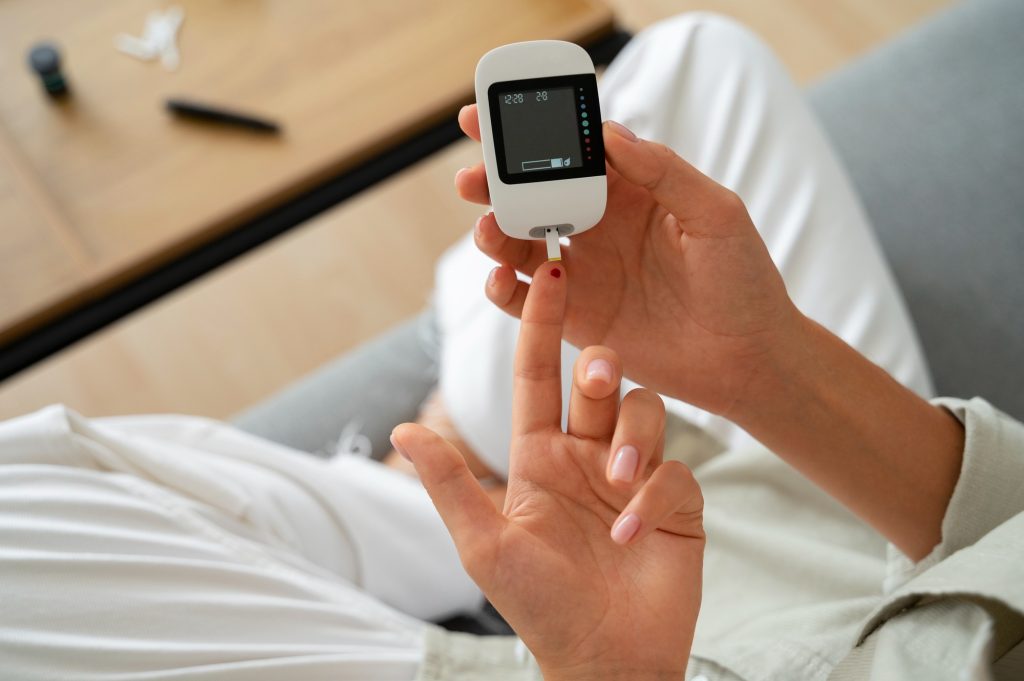
Crucially, immigrants are not sicker than citizens. In fact, U.S. citizen adults are more likely to report these kinds of health issues. Around two in three citizen adults say they have at least one of the listed conditions, compared with 47 percent of noncitizens. The gap is even wider for people who arrived more recently. Among noncitizen adults who have been in the U.S. for less than five years, about four in ten report at least one of the conditions.
These patterns reflect what researchers often call the “healthy immigrant” effect. People who move countries tend to be younger and healthier than the general population in their new home. That makes the new guidance especially striking. A policy framed as a way to protect the U.S. from future health care costs is, in practice, being applied to a group that is generally healthier than the citizens whose costs they are said to threaten.
Real World Consequences for Families and Workers

Beyond the language of cables and guidelines, this policy lands in very personal ways. It affects people applying to join a spouse or child in the U.S., parents hoping to reunite with adult children, and workers seeking temporary or permanent jobs. Because the guidance applies across many visa categories, a manageable condition like diabetes or treated depression could become a quiet barrier to family reunification or to taking up a job offer.
The directive also reaches into the lives of people who are not sick themselves. Families that include an older parent with dementia, a child with asthma, or a partner recovering from cancer may now look riskier on paper. If a visa officer decides that caregiving responsibilities might limit a main applicant’s ability to work, that judgment can weigh against the entire household.
There are broader economic effects too. Immigrants, including noncitizens, make up a significant share of the workforce in health care, STEM fields, agriculture, and construction. The KFF analysis notes research suggesting that immigrants tend to have lower health care spending than U.S. born citizens and may help subsidise their costs. Tightening entry rules around common chronic conditions risks shrinking the very workforce that keeps hospitals, clinics, farms, and building sites running.
At the same time, linking routine health issues so closely with immigration status can create a climate of fear. The new guidance, combined with efforts to roll back 2022 public charge protections, is likely to make immigrant families more hesitant to use programs like Medicaid, the Children’s Health Insurance Program, or nutrition assistance, even when they are eligible. KFF and New York Times survey data already show an increase in immigrant adults reporting that they avoid health care or assistance programs because of U.S. immigration policies. In practice, a rule framed as a way to protect public resources may push people away from preventive care and basic support, storing up higher costs and deeper health problems for the future.
Why This Health Test Is So Contested
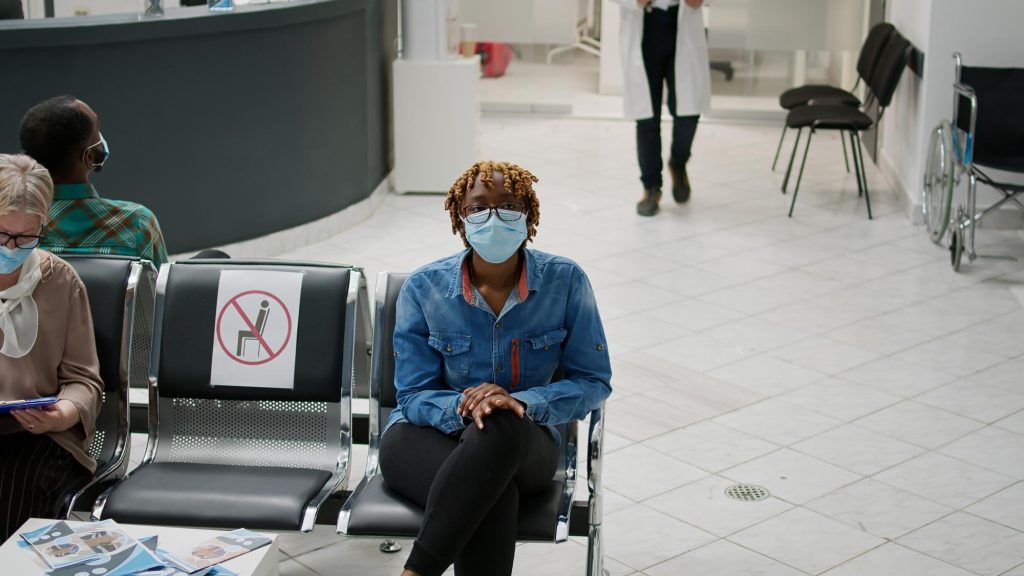
Supporters of the new guidance argue that the U.S. has a right to prioritise applicants who will not, in their words, “overburden” the health care system. On paper, the policy sits within long standing public charge rules that already ask officials to weigh age, health, income, and education. What is new is the level of speculation and the kind of conditions now treated as warning signs.
Immigration lawyers point out that the State Department’s own Foreign Affairs Manual tells officers not to deny visas based on “what if” scenarios. Charles Wheeler of the Catholic Legal Immigration Network notes that the guidance instead asks officers to develop their own views about what might cause high medical costs in the future, even though they are not medically trained. That shift raises concerns about inconsistency between embassies and the risk of personal bias.
There is also unease about what this policy says socially. Obesity, depression, or asthma are common in many communities and often shaped by factors like income, work conditions, and access to care. Turning them into potential grounds for exclusion can feel, to critics, like blaming individuals for broader health systems and social inequalities.
At the policy level, the new guidance and the related move by the Department of Homeland Security to revisit 2022 public charge protections could mark a lasting change in how the U.S. links health, welfare use, and immigration. For immigrant families already in the country, the message is clear enough that many say they are hearing it even before they set foot in a consulate waiting room.
What This Policy Means for All of Us

This visa guidance is about immigration, but at its core it is also about how we see illness, weight, and disability. When common conditions like obesity, diabetes, asthma, or depression are treated mainly as financial risks, it sends a quiet message: some bodies are worth more than others.
Most of us know and love someone who lives with a long-term health condition. Many of us live with one ourselves. That is why this story does not sit only in courtrooms and consulates. It reaches into workplaces, group chats, and family tables, shaping how we talk about health, responsibility, and who is “deserving” of a chance.
As readers, there are a few simple things we can do. We can notice when public debates reduce people to their costs and push back on language that shames people for their size or diagnosis. We can listen to migrants and their families when they say a policy makes them afraid to seek care. And we can support local clinics, legal aid groups, and community organisations that help immigrants navigate both health systems and immigration rules.
Government policies will change over time. What lasts longer is the culture underneath them. If we choose to see health as a shared concern rather than a test that people must pass to belong, we create more room for humane laws to follow. This moment is an invitation to pay attention, to speak up, and to remember that behind every “public charge” decision is a person trying to build a safer, healthier life.