
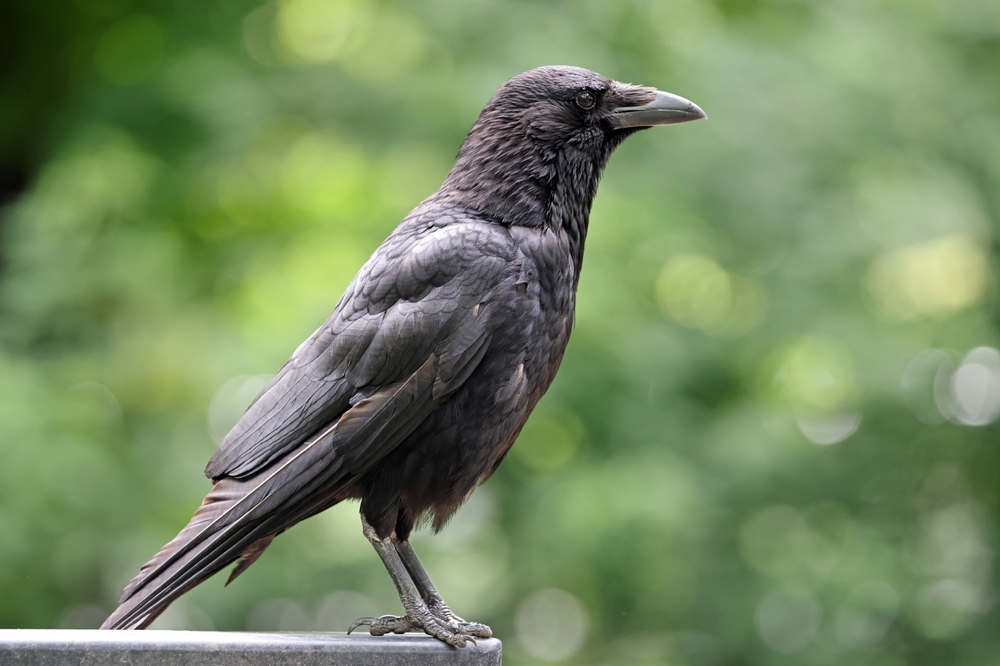
Two crows have given scientists another reason to rethink what they know about animal intelligence after performing exceptionally well in a classic psychology experiment. The birds were tested using a task previously given to humans and monkeys, and their decision-making speed left both species behind. Even more surprising, they managed to maintain their accuracy while making decisions in a fraction of a second.
The experiment involved two adult male carrion crows, whose brains are structured very differently from those of primates. Researchers wanted to understand how these birds process visual information and make decisions so quickly. Their findings, published in Science, revealed that the crows reported their choices in approximately 235 milliseconds on average, roughly twice as fast as humans and monkeys had performed in previous experiments.
Two Crows Faced A Test Usually Used On Primates
Researchers Philipp Schmidbauer and Andreas Nieder from the University of Tübingen in Germany wanted to investigate the decision-making abilities of carrion crows (Corvus corone). Corvids, the bird family that includes crows, ravens, rooks, jackdaws, and jays, have already demonstrated several cognitive abilities that scientists once associated primarily with primates. The latest experiment offered another opportunity to understand how their brains handle complicated information.
The researchers selected a classic psychological experiment called random-dot motion discrimination. It has previously been used to examine how humans and monkeys interpret visual information before making a decision. The task requires participants to watch a collection of dots moving across a screen and determine which direction the movement is heading. Although the instructions sound simple, the experiment provides scientists with a way to examine how quickly and accurately a brain processes visual information.
The crows were trained to recognize the task and respond by selecting the appropriate direction on a touch-sensitive screen. Researchers wanted to measure deliberate decisions rather than reward birds simply for responding as quickly as possible. The results would eventually reveal that the crows could make accurate choices at extraordinary speeds, giving scientists new information about the capabilities of avian brains.
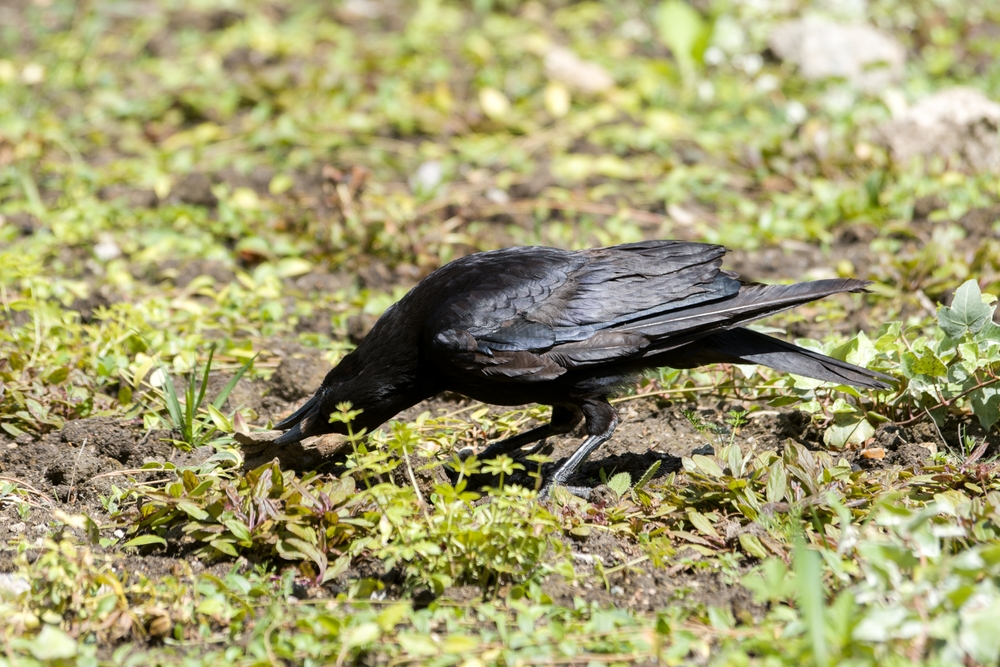
The Experiment Was Surprisingly Simple
Each crow was placed in front of a touch-sensitive screen displaying numerous dots. Some of those dots moved together in one direction, either left or right, while the remaining dots created visual noise. The birds had to determine which direction the moving dots were heading before pecking the corresponding target on the screen. A correct response earned them a tasty mealworm, providing an incentive to complete the task.
The researchers deliberately made the experiment self-paced, allowing the crows a generous amount of time to choose their answers. This was important because the scientists wanted to examine when the birds felt confident enough to make a decision. Forcing them to respond immediately could have changed the results by measuring reaction speed rather than the process of gathering and interpreting visual information.
Both birds also underwent extensive training before the researchers began collecting experimental data. Each crow completed more than 100 training sessions to ensure it understood what the task required. Once the actual experiment began, the researchers could examine how the birds performed after becoming familiar with the visual challenge. The setup allowed them to compare the crows’ performance with previous experiments involving humans and monkeys.
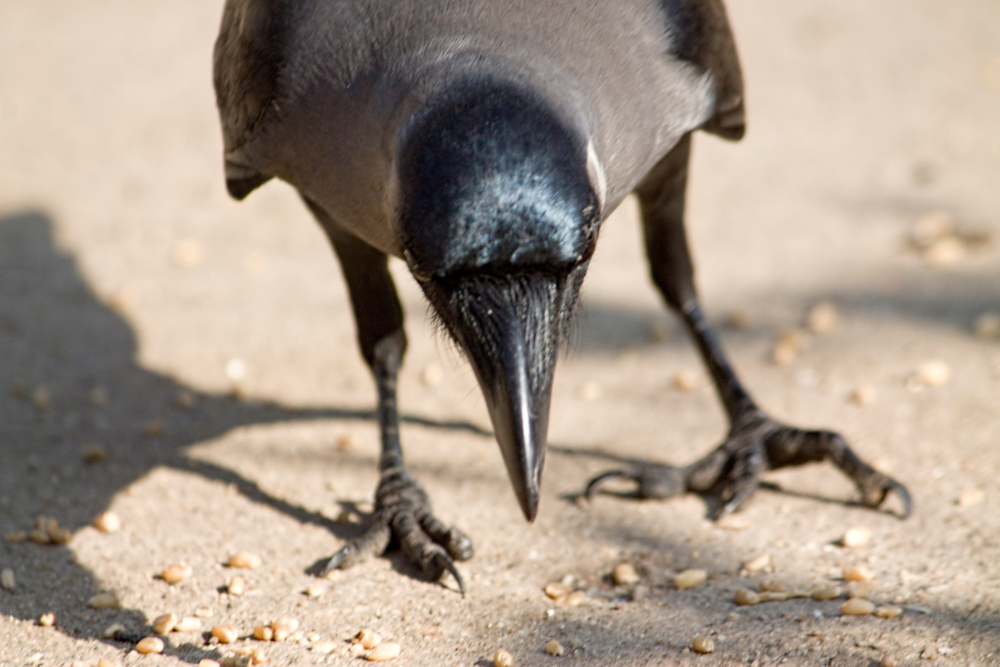
The Crows Made Decisions In Just 235 Milliseconds
The most surprising finding involved the speed at which the birds reported their decisions. Schmidbauer and Nieder found that the crows responded in approximately 235 milliseconds on average. This was roughly twice as fast as the response times previously observed in humans and monkeys performing similar visual discrimination tasks. Their performance suggested that the birds could process the information appearing on the screen with remarkable efficiency.
Speed alone would have been an interesting result, but the researchers also found that the crows maintained their accuracy. Making a rapid decision can sometimes increase the likelihood of choosing incorrectly, particularly when the available visual information is unclear. However, the birds managed to combine fast responses with reliable choices, suggesting their brains were processing the visual signals effectively.
The results provided the first examination of crow performance using this particular random-dot motion task. Although humans and monkeys have previously been studied using the same approach, researchers had not tested crows in this way. Their findings therefore offered an interesting comparison between species with very different brain structures. However, the researchers acknowledged that testing only two birds means further experiments are needed before drawing conclusions about crows as a whole.
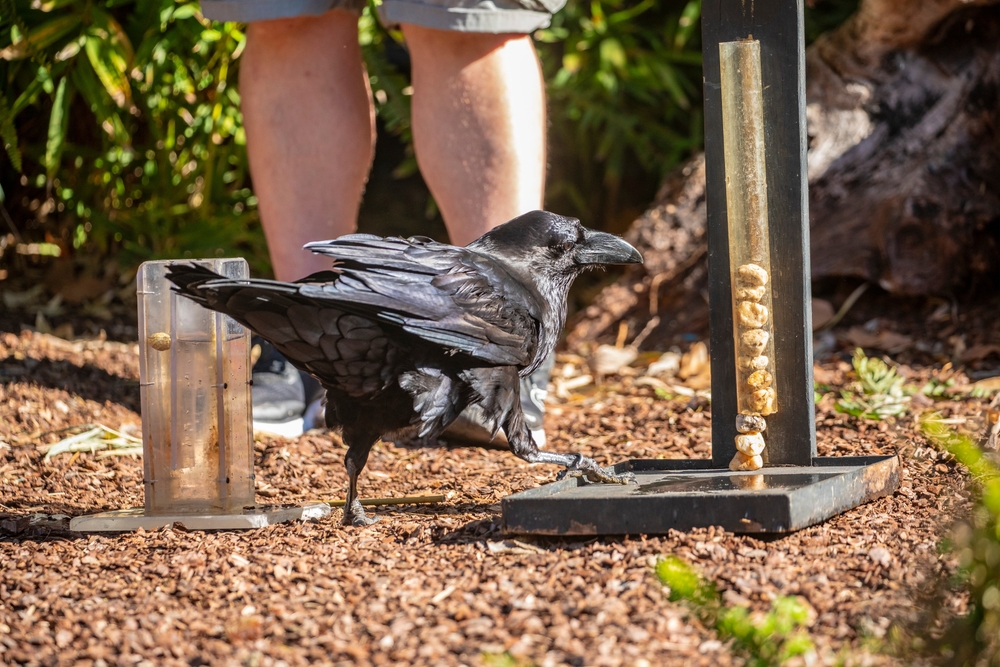
Crows Have Brains That Work Differently From Ours
One of the most interesting aspects of the research is how crows achieve these abilities despite having brains organized differently from those of humans and monkeys. Mammals possess a layered cerebral cortex, which serves as a major integration center involved in processing information and supporting complex cognitive functions. Birds do not have the same layered structure, relying instead on neural circuits that originate from another part of the pallium.
This difference once contributed to the assumption that birds had limited cognitive abilities compared with mammals. However, research into corvid intelligence has increasingly challenged that idea. Their brains may be smaller, but the organization and density of their neurons allow them to perform sophisticated tasks. Scientists are particularly interested in understanding how these independently evolved structures can support abilities that resemble those found in primates.
Andreas Nieder previously explained the potential advantage of this arrangement in an earlier paper, writing: “With this independently evolved endbrain design, the corvid brain affords twice as many neurons as a primate brain of equal mass, adding up to enormous processing powers in a small and densely packed ‘birdbrain’.” Smaller neurons can also mean shorter distances for information to travel, potentially contributing to efficient processing. The latest experiment provides another example of how a differently structured brain can support impressive cognitive performance.
Scientists Recorded Activity Inside The Crows’ Brains
The researchers wanted to understand what happened inside the birds’ brains while they were making decisions. To investigate this, they implanted electrodes into the crows’ brains so they could monitor the activity of individual neurons during the visual task. Their attention focused on the nidopallium caudolaterale, commonly known as the NCL, a region involved in cognitive functions and decision-making.
After recovering from surgery, the crows returned to the random-dot experiment while researchers recorded their neural activity. This allowed the scientists to examine how the birds’ brains responded as the dots appeared and decisions developed. In total, they recorded activity from 248 individual neurons, providing a closer look at the biological processes behind the birds’ performance.
The recordings revealed that neurons produced signals related to the crows’ upcoming decisions approximately 70 milliseconds after the dots started moving. This happened around 170 milliseconds before the birds made their final peck on the screen. The researchers could therefore observe neural activity associated with an approaching decision before the birds physically indicated their answers. Their findings suggested that crows possess efficient neural mechanisms capable of supporting extremely rapid visual decisions.
Fast Visual Processing Could Help Birds Survive
The researchers believe evolutionary pressures could help explain why birds have developed such efficient visual processing systems. Flying requires animals to constantly respond to their surroundings, adjust their movements, and avoid potential obstacles. A bird needs to interpret visual information quickly to make precise movements while navigating its environment. These demands may have helped shape the neural systems responsible for processing visual information.
Foraging also places considerable demands on a bird’s vision. When searching for food, a crow must identify objects, assess their positions, and guide its beak toward the target. Rapidly processing visual information could provide an advantage when locating food or responding to changes in the environment. These abilities may have developed through evolutionary pressures that rewarded birds capable of making quick and accurate visual decisions.
Andreas Nieder pointed to these demands when explaining the possible evolutionary explanation behind the findings. “Birds rely on their vision to carry out precise, rapid maneuvers during flight and to guide their beaks toward objects when foraging,” he said. This provides a possible explanation for why the birds performed so well in an experiment involving visual information. Their brains may have developed highly efficient processing systems suited to the challenges they regularly face.
Crows Already Have An Impressive Record Of Intelligence
The latest experiment adds to an expanding body of research into corvid intelligence. Different members of this bird family have demonstrated abilities that challenge traditional assumptions about how intelligence develops. Scientists have previously observed New Caledonian crows constructing tools, western scrub jays remembering past experiences, and ravens displaying sophisticated social awareness.
Some of the abilities demonstrated by corvids include:
- Compound tool construction: New Caledonian crows can combine different objects to create tools that help them access food.
- Future planning: Some New Caledonian crows have demonstrated the ability to plan several steps ahead when solving problems.
- Episodic-like memory: Western scrub jays can remember details about previous experiences, including information connected to stored food.
- Social awareness: Ravens have demonstrated behaviors associated with understanding what other animals may know or have witnessed.
- Flexible problem-solving: Corvids can adapt their behavior when familiar strategies stop working.
These findings have made corvids an important subject for scientists studying animal cognition. Their abilities suggest that sophisticated intelligence can develop through evolutionary pathways that differ considerably from those followed by humans and other primates. The latest research adds another interesting piece to that picture by examining how efficiently crows process visual information before making a choice.
Two Crows Are Not Enough To Rewrite Everything
Despite the impressive findings, there is an important limitation to consider. Only two adult male carrion crows participated in the experiment, which makes it difficult to determine whether their performance represents the wider species. Individual differences could influence the results, and researchers will need to test additional birds to understand how consistently these abilities appear across different populations.
The experiment also examined one particular type of decision-making. It does not establish that crows are generally more intelligent than humans or monkeys, since intelligence involves many different abilities that cannot be measured through a single task. The findings instead demonstrate that the birds can perform exceptionally well when processing visual information and making decisions under specific experimental conditions.
Further research could help scientists understand whether other corvid species demonstrate similar performance and identify the precise neural mechanisms responsible for their speed. Researchers may also discover how these abilities compare across different animals with independently evolved brain structures. For now, the experiment provides compelling evidence that a small bird brain can support remarkably sophisticated processing abilities.
The Word ‘Birdbrain’ May Need A Different Meaning
Calling someone a birdbrain has traditionally been a way of questioning their intelligence. Yet research involving crows continues to reveal cognitive abilities that deserve serious scientific attention. Two carrion crows have now demonstrated remarkable performance in a psychological experiment previously used to study primates, while recordings of their brain activity have provided further insight into how they make decisions.
The experiment does not prove that crows are smarter than humans, but it does show how much scientists still have to learn about animal intelligence. The next time someone uses the word birdbrain as an insult, they might want to remember that two crows managed a visual decision-making task at speeds that left humans and monkeys behind.