
Your cart is currently empty!
Ugandan Influencer Turns Abuse Allegations Into a Controversial Business Model

It began as a shocking clip. A few sentences from a Ugandan talk show, delivered with calm confidence, quickly turned into a global conversation. Within days, millions of viewers had watched, reacted, and debated a claim that felt almost unreal. A woman saying she earns money by physically confronting abusive men, and that she plans to scale that effort into something much bigger.
Contents
show
For Aleti Crystal, a 33-year-old content creator known for travel, lifestyle, and comedy, this moment did not come out of nowhere. But it did mark a turning point. What was once a digital presence built on entertainment has now shifted into something far more controversial and deeply rooted in real-world issues.
Her words spread rapidly across TikTok and X, with audiences from different countries responding in ways that ranged from admiration to alarm. Some called her a hero. Others called her dangerous. Yet nearly everyone agreed on one thing. The story touched a nerve that goes far beyond one individual.
From Content Creator to Controversial Enforcer
Before this viral moment, Aleti Crystal was known for a different kind of content. She built her online identity around travel experiences, humor, and glimpses into her personal life. Like many influencers, she relied on brand deals, audience engagement, and storytelling to sustain her career.
According to her own account, that changed when she introduced a new service that quickly surpassed her previous income streams. During her appearance on The Ugandan Boy Talk Show, she explained that women now reach out to her directly, often through TikTok, asking for help with partners they describe as abusive, manipulative, or deceptive.
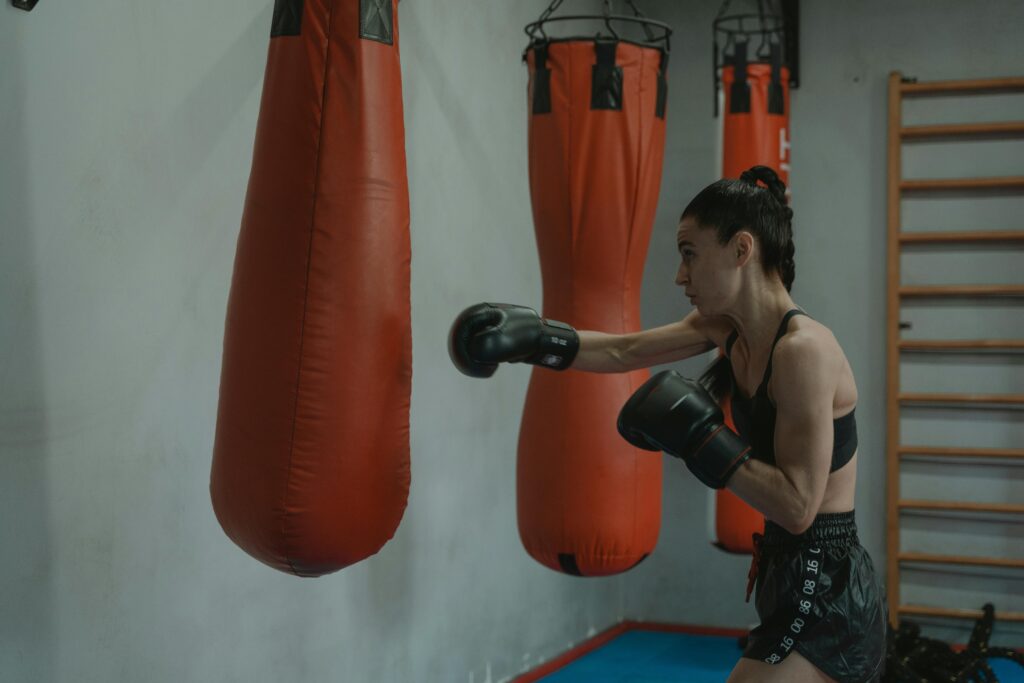
She presents herself as someone who steps in when those women feel they have no other options. Her approach is direct. She confronts the men physically, sometimes alongside a team, delivering what she calls a lesson.
She has stated clearly that this is not satire or performance. It is, in her words, a business. And it is one that is growing.
The Viral Clip That Sparked a Global Reaction

The interview segment that brought widespread attention to Crystal’s work was not particularly long. But its impact was immediate. Her matter-of-fact tone stood in contrast to the intensity of what she described.
She spoke openly about being available at all hours, even inviting women to call her in the middle of the night if they needed her services. She described tracking down men at local bars and confronting them directly. She also shared her long-term ambition to reach 1,000 cases by the year 2027.
That number became a focal point of the conversation online. It transformed her story from a one-off viral moment into something that felt structured and intentional.
Reactions poured in from across continents. Some users joked about flying her to their countries. Others spoke more seriously, suggesting that such a service reflects the failures of existing systems meant to protect victims.
Even public figures joined in. Selling Sunset star Chrishell Stause commented in support, adding to the visibility of the story and amplifying its reach.
A Deeper Issue Beneath the Headlines

While the story itself is unusual, the context behind it is not. According to regional studies referenced in multiple reports, nearly half of women in East Africa experience some form of intimate partner violence in their lifetime.
That statistic casts Crystal’s business in a very different light. What may initially appear as a sensational or extreme idea is rooted in a widespread and deeply serious issue.
Research across Africa suggests that rates of intimate partner violence range from approximately 36 percent to over 41 percent, exceeding global averages. In some regions, the numbers climb even higher. East Africa alone is estimated to have rates above 44 percent.
These figures highlight a reality that many women face daily. Abuse is not rare, and in many cases, victims struggle to access timely support or justice.
It is within this environment that Crystal’s approach has found both demand and support.
Supporters See a Form of Immediate Justice

Among those who support Crystal’s work, a common theme emerges. They view her actions as a response to systems that do not always deliver protection or accountability quickly enough.
Some online comments have framed her as a kind of modern-day enforcer, someone willing to step in where institutions fall short. Others describe her work as empowering, arguing that it sends a clear message that abusive behavior has consequences.
Crystal herself has leaned into this framing. She has described her mission as one that goes beyond violence, emphasizing that she wants women to feel empowered and protected.
Her supporters often point to the immediacy of her approach. Unlike legal processes that can take months or years, her interventions are swift and visible. In their view, this creates a deterrent effect that discourages further abuse.
There is also a sense of community behind the support. Many of the women commenting on her posts express shared experiences, suggesting that her story resonates on a personal level rather than just as entertainment.
Critics Warn of Legal and Ethical Risks

Despite the wave of support, the criticism has been equally strong and grounded in serious concerns.
Legal experts and commentators have pointed out that vigilantism is illegal in most jurisdictions. Physically assaulting someone, regardless of the alleged reason, can lead to criminal charges.
There is also the issue of verification. Critics question how accusations are assessed before action is taken. Without formal investigation or due process, there is a risk of targeting individuals based on incomplete or inaccurate information.
Some observers argue that while the intention may be to protect victims, the method could escalate violence rather than reduce it. Retaliation, misidentification, or unintended harm are all possibilities that come with such an approach.
Advocates working in the field of domestic violence have emphasized that long-term solutions require systemic change. This includes stronger legal frameworks, better access to shelters and support services, and consistent enforcement of existing laws.
From this perspective, Crystal’s business is seen not as a solution, but as a symptom of deeper structural gaps.
The Role of Social Media in Amplifying the Story

Social media has played a central role in turning this local story into an international talking point.
Platforms like TikTok have not only helped Crystal find clients, but also amplified her message to a global audience. The same tools that allowed her to build a career as a content creator are now fueling the growth of her controversial venture.
The reaction online has been layered. Humor, outrage, admiration, and concern have all appeared in comment sections. Some users treat the story as a form of dark humor, while others engage with it as a serious reflection of real-world issues.
This mix of responses highlights the complexity of viral content. A single clip can carry multiple meanings depending on who is watching and what experiences they bring to it.
It also raises questions about how narratives are shaped in the digital age. Stories that combine shock value with social relevance often spread the fastest, even when the underlying issues are difficult to resolve.
A Business Model Built on Demand
One of the most striking aspects of Crystal’s story is her claim that this venture is more profitable than her previous work.
She has stated that a significant portion of her clients come directly from social media. This suggests a level of demand that goes beyond isolated cases.
Her business is not described as a solo effort. She has mentioned working with a team, indicating a level of organization and planning behind each operation.
This structure raises further questions about scalability. Her goal of reaching 1,000 men by 2027 implies a system that can handle increasing volume, which in turn suggests that the demand she is responding to is both real and growing.
At the same time, it underscores the tension between entrepreneurship and ethics. While many businesses are built on solving problems, the methods used in this case challenge conventional boundaries.
When Justice Feels Out of Reach

To understand why this story resonates so strongly, it is important to look beyond the individual and consider the broader emotional landscape.
For many victims of abuse, the journey to justice can be long, complex, and discouraging. Reporting incidents, gathering evidence, and navigating legal systems requires time, resources, and emotional resilience.
In some cases, victims may fear retaliation or lack confidence that their complaints will be taken seriously. These barriers can lead to a sense of helplessness.
Within this context, the idea of immediate action, even if controversial, can feel appealing. It represents a form of control and response that is often missing from traditional processes.
This does not necessarily validate the approach, but it helps explain the level of support it has received.
The Line Between Awareness and Action
Crystal has stated that she hopes to eventually involve the police, suggesting that her work could intersect with formal systems of accountability.
This raises an important question about where the line should be drawn between raising awareness and taking action.
On one hand, stories like hers bring attention to issues that might otherwise remain hidden. They spark conversations, encourage people to share their experiences, and highlight gaps in existing systems.
On the other hand, the methods used can influence how those conversations unfold. When action becomes physical and immediate, it can overshadow the broader goal of systemic change.
Balancing these elements is not simple. It requires careful consideration of both short-term impact and long-term consequences.

A Story That Reflects a Larger Reality
At its core, this viral moment is not just about one woman or one business idea. It is about the conditions that make such an idea possible.
The widespread attention it has received suggests that many people see elements of truth in it, even if they disagree with the execution.
It highlights the persistence of intimate partner violence as a global issue. It also reveals the frustration that can arise when solutions feel slow or insufficient.
Crystal’s story exists at the intersection of these realities. It is shaped by personal experience, social media dynamics, and broader societal challenges.
A Viral Moment That Raises Difficult Questions
As the conversation continues, it is unlikely that a single consensus will emerge. Some will continue to support Crystal’s approach, viewing it as a necessary response to a serious problem. Others will remain concerned about the risks and implications of vigilantism.
What is clear is that the story has sparked a level of engagement that goes beyond typical viral content. It has prompted discussions about justice, safety, and the role of individuals within larger systems.
In the end, the most important takeaway may not be whether one agrees with her methods, but why her story resonates so widely.
It points to a need for stronger support systems, more effective legal frameworks, and a collective effort to address the root causes of abuse.
Until those needs are fully met, stories like this will continue to emerge, challenging assumptions and forcing difficult conversations into the spotlight.