
Your cart is currently empty!
Vanessa Trump Reveals The Warning Signs She Experienced Before Her Breast Cancer Diagnosis
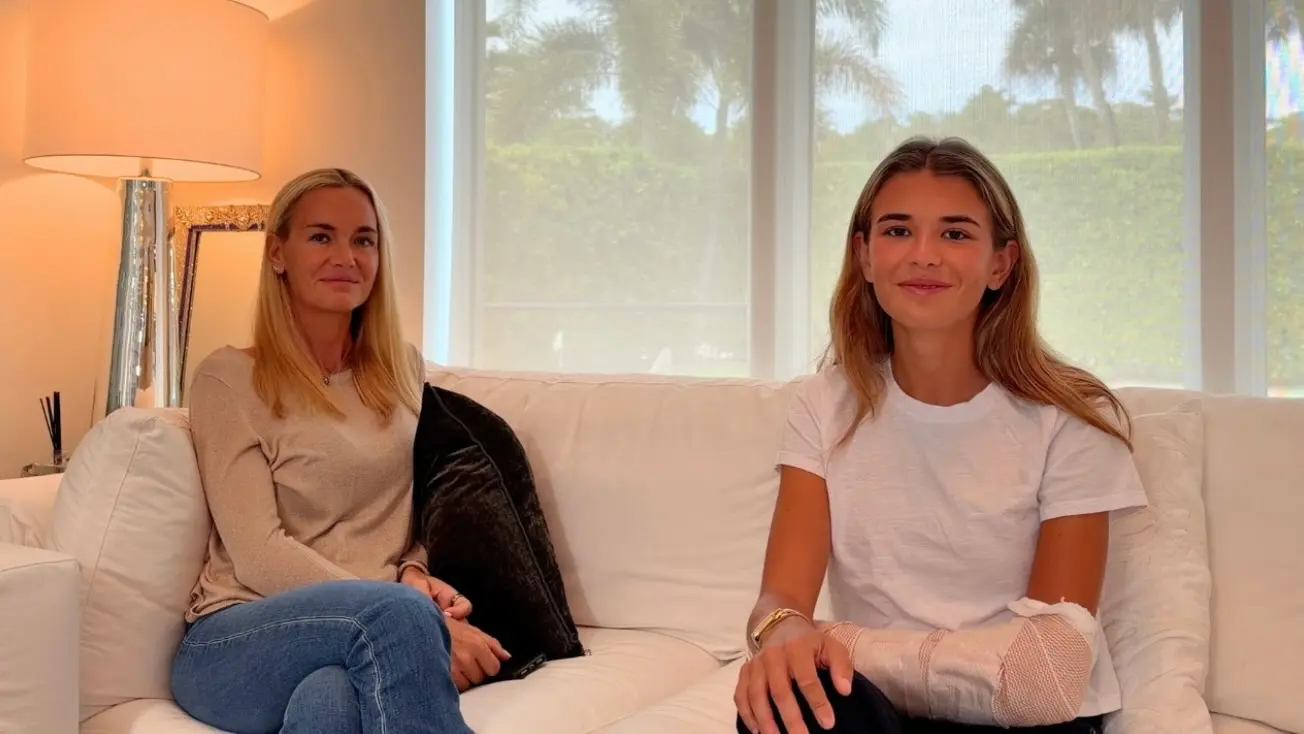
Vanessa Trump has opened up about the unexpected symptoms she experienced months before discovering she had breast cancer, revealing how extreme fatigue made even ordinary daily activities difficult. The former wife of Donald Trump Jr. said she often felt unusually exhausted, including after something as simple as going out to get a Starbucks coffee.
Contents
show
Now 48 and cancer-free following surgery and radiation treatment, Vanessa is sharing more details about her diagnosis and recovery. Speaking with her daughter, Kai Trump, and radiologist Dr. Nicole Saphier during Breast Cancer Awareness Month, she explained why her early symptoms were difficult to recognize and encouraged others to take their health seriously.
Vanessa Trump Experienced Extreme Fatigue Months Before Her Diagnosis
Vanessa described feeling unusually tired for around six months before she was diagnosed with invasive ductal carcinoma in April 2026. Looking back, she recalled how ordinary activities could leave her feeling exhausted far sooner than she expected.
During her interview with Kai and Dr. Saphier, Vanessa explained that even a quick trip to Starbucks could be followed by a sudden drop in her energy. She said, “I would love to go and get my Starbucks, and then two hours later, I would feel exhausted.”
The symptom was particularly difficult to identify because fatigue can be a familiar part of everyday life, especially for parents balancing family responsibilities with other demands. Vanessa acknowledged that tiredness can be easy to dismiss as a normal consequence of motherhood rather than something that deserves closer attention.

Image Credits – Instagram @officialvanessatrump
She explained that fatigue is “hard to detect” because it can resemble what many mothers experience while managing their households and caring for their children. However, the exhaustion she described had persisted for months before her diagnosis.
Vanessa also experienced arm pain during the period leading up to her diagnosis. According to reports of the interview, she dealt with the discomfort for several months before discovering a pea-sized lump in her breast.
Medical testing subsequently confirmed that the lump was cancerous. The combination of her symptoms and the eventual diagnosis gave her a clearer understanding of what had been happening, although fatigue by itself cannot establish that someone has breast cancer.
Her account has drawn attention to the importance of recognizing persistent changes in the body. Symptoms that initially seem ordinary can sometimes deserve medical investigation, particularly when they continue without an obvious explanation.
A Pea-Sized Lump Led To Vanessa’s Breast Cancer Diagnosis
Vanessa first received her breast cancer diagnosis in April 2026, although she did not publicly disclose the news until May. At the time, she shared an update explaining that she was working with her medical team to determine the appropriate treatment.
Her diagnosis was invasive ductal carcinoma, a form of breast cancer that begins in the milk ducts and can spread into the surrounding breast tissue. It is among the most common types of breast cancer.
The lump Vanessa discovered was described as being approximately the size of a pea. Although small, it proved to be cancerous after medical testing.
Her experience illustrates why people should not assume that a breast lump must be large or painful before it deserves attention. A new lump or thickened area can warrant an assessment even when it seems minor or causes little discomfort.
In her initial public statement, Vanessa acknowledged that the diagnosis was unexpected. She said she was working closely with her medical team on a treatment plan while remaining focused and hopeful.
She also expressed gratitude for the support of her family, her children and those closest to her during the early stages of treatment. The announcement offered a brief glimpse into a difficult period that she had previously kept largely private.
Vanessa later shared further details about her recovery, including the surgery she underwent and the additional treatment that followed. Her October update provided another significant development, as she confirmed that her latest breast MRI results had come back clear.
Vanessa Underwent A Lumpectomy And Radiation Treatment

Image Credits – Instagram @officialvanessatrump
Vanessa’s treatment included a lumpectomy, a surgical procedure used to remove a breast tumour along with a small margin of surrounding healthy tissue. The approach allows surgeons to remove the affected area while preserving the remaining breast tissue.
She also underwent three courses of radiation treatment as part of her cancer care. Radiation therapy uses targeted energy to destroy cancer cells and can help reduce the risk of cancer returning in the treated area after surgery.
In June, Vanessa shared that she had spent four weeks recovering from surgery. She explained that she was healing and moving forward with the second phase of her treatment.
The recovery period represented another stage of a process that required her to balance physical healing with the demands of family life. Although she did not share every detail of her treatment publicly, her updates offered a clearer picture of the medical care involved.
Vanessa also discussed the cause of her cancer during her more recent interview. According to the supplied reports, she said environmental factors were responsible rather than genetic factors. However, the available accounts do not identify the specific environmental factors involved or explain how that conclusion was reached.
Breast cancer can develop for different reasons, and identifying an individual cause is not always straightforward. Risk can be influenced by age, inherited genetic changes, hormonal factors and other elements, while some people develop the disease without an obvious explanation.
Vanessa’s experience demonstrates how treatment can involve several stages, from diagnostic testing and surgery to radiation and follow-up appointments. The appropriate approach depends on the individual diagnosis and the advice of the treating medical team.
Vanessa Trump Says Her Latest MRI Results Came Back Clear
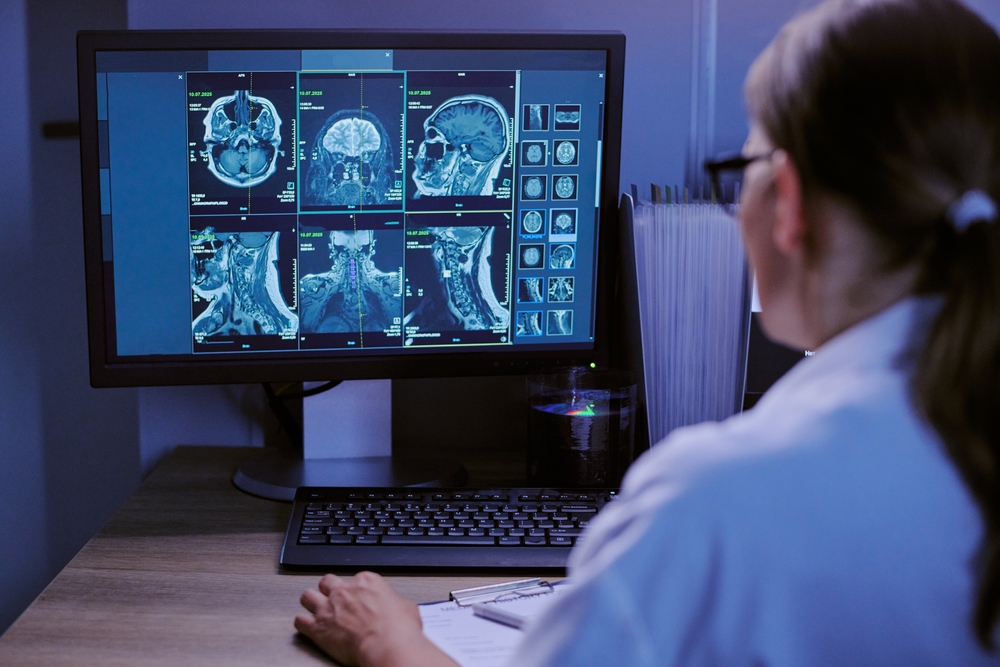
In October 2026, Vanessa shared the news that her recent breast MRI had returned clear results. In a short video posted on Kai’s Instagram account, she announced that she was cancer-free following her treatment.
“I’m finally cancer-free,” Vanessa said, describing the results as a welcome development after months of medical appointments and recovery.
The update arrived approximately six months after her diagnosis and publicized a major milestone in her treatment journey. Vanessa had previously spoken about the challenges of waiting for test results and managing the uncertainty surrounding her health.
During her interview, she described the emotional pressure that can accompany the testing process. She said, “It’s a process you have to deal with,” while discussing the period spent waiting for medical results.
Her comments reflect one of the difficult aspects of a cancer diagnosis: treatment involves more than the procedures themselves. Patients may also face uncertainty while waiting to learn how well treatment has worked and what their medical team recommends next.
Despite the clear MRI results, Vanessa explained that she would continue to undergo regular scans over the coming years. She expects to have scans three to four times a year for the next five to 10 years.
Follow-up care allows doctors to monitor a patient’s health after treatment and assess any new concerns. The specific schedule depends on the patient’s circumstances, cancer characteristics and medical recommendations.
Vanessa’s announcement therefore marked an important step in her recovery, while also acknowledging that continued monitoring remains part of her healthcare plan.
Why Extreme Fatigue Can Be Difficult To Recognize

Image Credits – Instagram @officialvanessatrump
Fatigue is a common symptom that can arise from many causes, including poor sleep, stress, anaemia, thyroid disorders, infections and other medical conditions. It can also affect people with cancer, although tiredness alone is not a reliable indicator of the disease.
The challenge is that ordinary fatigue and more persistent exhaustion can sometimes feel similar at first. Someone may attribute low energy to a busy schedule, family responsibilities or a lack of rest without realizing that another health issue could be contributing.
Vanessa’s experience highlights how the duration and severity of a symptom can provide useful context. She described months of unusual exhaustion that affected routine activities, rather than a brief period of tiredness following a demanding day.
However, her experience should not be interpreted as evidence that extreme fatigue usually signals breast cancer. Many people experience prolonged tiredness for reasons unrelated to cancer, and the symptom requires assessment in the context of a person’s overall health.
People experiencing unexplained fatigue may benefit from discussing it with a healthcare professional, particularly if it persists, worsens or interferes with everyday activities. A medical assessment can help identify possible causes and determine whether further testing is appropriate.
The same principle applies to changes affecting the breasts or underarm area. A new lump, skin change or persistent discomfort should be assessed rather than automatically attributed to stress or routine physical strain.
Vanessa’s story shows why paying attention to changes can be useful, but diagnosis depends on appropriate medical evaluation rather than symptoms alone.
Breast Cancer Warning Signs People Should Know

Breast cancer does not present in exactly the same way for everyone. Some people discover a lump, while others notice changes in breast appearance, the nipple or nearby areas.
Recognizing potential warning signs can help people decide when to seek medical advice. Symptoms that deserve attention include the following:
- A new lump or thickening: A lump in the breast or underarm that feels different from the surrounding tissue should be assessed, even if it is small or painless.
- Changes in breast size or shape: A new, unexplained difference in the size or appearance of a breast can warrant medical evaluation.
- Skin changes: Dimpling, puckering, redness or skin that develops an orange-peel texture can be potential warning signs.
- Nipple changes: A newly inverted nipple, unusual discharge or changes in the skin around the nipple should be discussed with a healthcare professional.
- Persistent breast or underarm pain: Unusual pain that continues or occurs alongside other changes deserves attention, although pain alone does not necessarily indicate cancer.
- Unexplained arm discomfort: Arm pain is not a typical breast cancer symptom by itself, but persistent discomfort accompanied by breast or underarm changes should be medically assessed.
These symptoms can also occur with non-cancerous conditions. Their presence does not automatically mean that someone has breast cancer, but new or unexplained changes should not be ignored.
Dr. Saphier emphasized that symptoms can differ from one person to another during the interview. Her point reinforces the need to pay attention to individual changes rather than waiting for a particular symptom to appear.
Anyone who notices a new breast lump, unusual nipple discharge or an unexplained skin change should arrange an appropriate medical assessment. People should not wait for a lump to become larger or painful before seeking advice.
Screening Can Help Detect Breast Cancer Before Symptoms Appear
Breast cancer screening plays an important role in identifying disease before a person notices a physical change. Mammograms are a key screening tool and can detect some cancers when they are still too small to be felt.
Screening recommendations vary according to age, personal medical history, family history and other risk factors. A healthcare professional can help determine the appropriate schedule for an individual.
Screening and diagnostic testing serve different purposes. Screening is generally used to look for signs of cancer in people without symptoms, while diagnostic tests investigate a specific concern, such as a newly discovered lump.
The American Cancer Society estimates that the average woman in the United States has approximately a 1 in 8 lifetime risk of developing breast cancer. This population-level estimate does not determine an individual’s personal risk, which can vary considerably.
The organization also identifies breast cancer as a major contributor to new cancer diagnoses among women in the United States. These figures help explain why awareness, screening and access to medical assessment remain important public health concerns.
Early detection does not guarantee a particular outcome, and not every cancer is discovered through routine screening. However, recommended screening can improve the chances of identifying certain breast cancers before they become more advanced.
People who have a family history of breast cancer or other known risk factors may need a more individualized screening plan. Those who develop symptoms should seek medical evaluation even if they have recently undergone a routine screening test.
Vanessa’s experience provides an opportunity to discuss these issues without suggesting that every person with fatigue needs cancer testing. The focus is on recognizing meaningful changes, understanding personal risk and obtaining appropriate medical advice.
Vanessa Trump Uses Her Recovery To Encourage Others
Vanessa shared further reflections on her experience in an Instagram post promoting the interview with Kai and Dr. Saphier. She described her time dealing with the disease as a “long and challenging” journey and expressed gratitude for the support she received.
Her message also encouraged people to prioritize their health, arrange recommended screenings and learn about the importance of early detection.
“By sharing my story, I hope to encourage others to prioritize their health, schedule their screenings and understand the importance of early detection,” Vanessa wrote.
She added that if sharing her experience encouraged even one person to get checked, the decision to speak publicly would be worthwhile.
The Instagram post included photographs of Vanessa with Kai, her eldest daughter with Donald Trump Jr., as well as an image featuring Vanessa, Kai and professional golfer Tiger Woods. Vanessa and Donald Trump Jr. separated in 2018, and she later began dating Woods.
She also included information about donating to Memorial Sloan Kettering Cancer Center, an institution specializing in cancer care and research.
Vanessa had initially kept much of her diagnosis and treatment private before announcing her condition in May. Her subsequent updates have provided information about her surgery, recovery and the clear results of her recent MRI.
Now that she has shared more details, her message is focused on encouraging others to take their health seriously and seek appropriate care when they notice changes.
Persistent fatigue does not automatically point to cancer, and many breast changes have causes unrelated to malignancy. However, unexplained symptoms deserve attention when they continue or occur alongside other concerns.
Vanessa’s experience offers a clear practical takeaway: people should pay attention to changes in their bodies, keep up with recommended screenings and seek medical advice when something feels unusual. Early assessment can help clarify the cause of a symptom and identify the next appropriate step.
Featured Image From Instagram @officialvanessatrump