
Your cart is currently empty!
Inside The Final Safari Of Legendary Hunter Theunis Botha
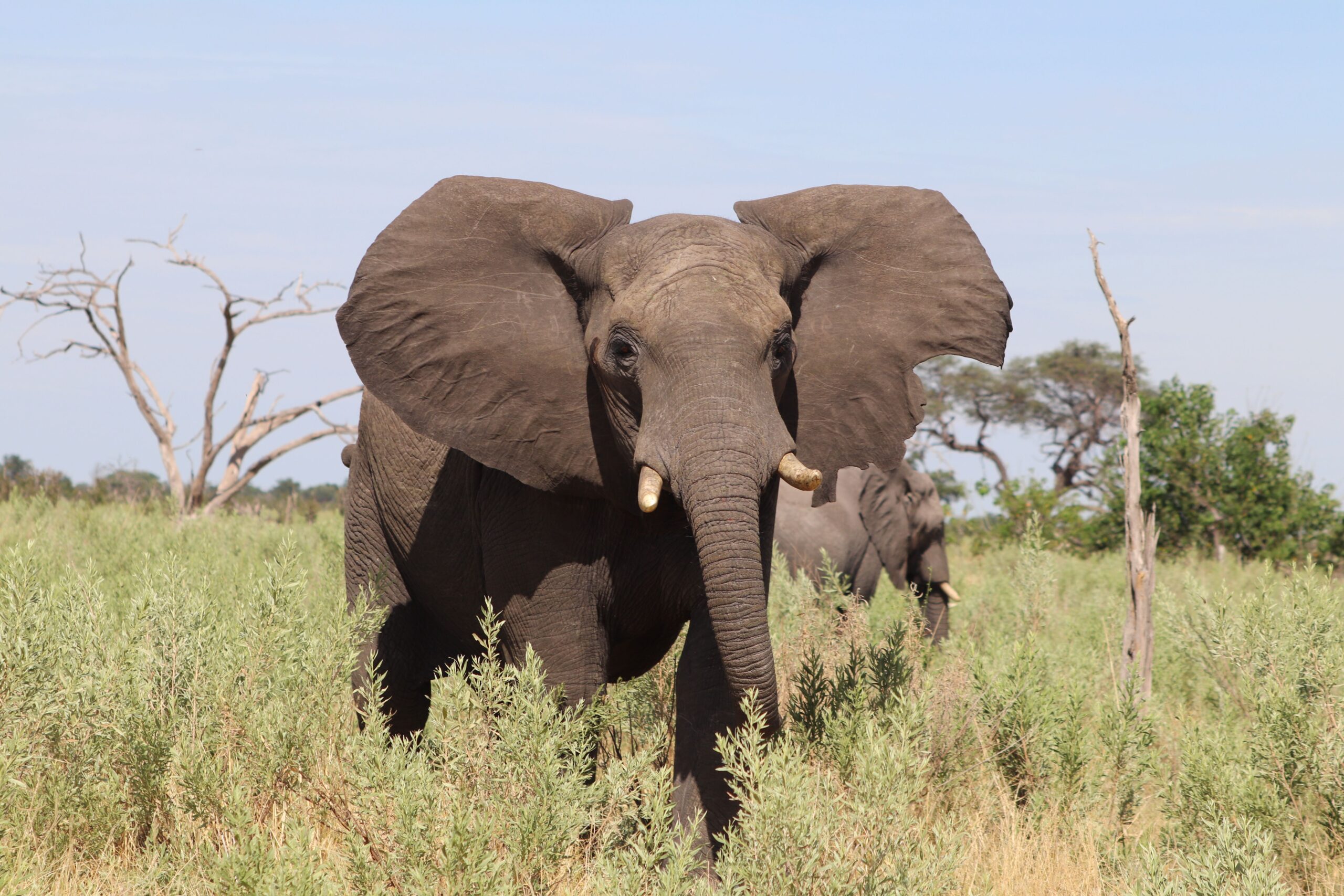
For nearly three decades, Theunis Botha built a reputation as one of southern Africa’s most recognizable big-game hunters. He guided clients across some of the continent’s most famous wilderness areas, specializing in dangerous game that many hunters considered the ultimate challenge.
Contents
show
Then, during what was supposed to be another licensed safari in Zimbabwe, everything changed in a matter of seconds. An elephant that had just been shot collapsed onto Botha, killing him instantly in a tragic chain of events that stunned the hunting world and sparked fierce debate far beyond it.
A Career Built Around Africa’s Most Dangerous Game
By the time of his death in May 2017, Theunis Botha had spent decades establishing himself within the professional hunting industry.
According to his company’s website, Botha began leading guided hunting safaris while he was still a university student in South Africa during the late 1980s. The income helped pay for his studies, but what started as a way to earn money gradually became his life’s work.
After completing his degree, he committed himself to professional hunting full time. Over the following years, he expanded his operations beyond South Africa, adding private hunting ranches in Zimbabwe and Botswana while attracting clients from around the world.
His business eventually became known as Theunis Botha Big Game Safaris, offering guided hunts targeting some of Africa’s largest and most sought-after animals.
Among fellow hunters, Botha earned recognition for developing a reputation as an expert in hunting predators such as lions and leopards. His company also promoted a European-style hunting method known as “Monteria,” which relied on trained dogs to push animals toward waiting hunters. While traditionally used for smaller game in Europe, Botha adapted the technique for much larger and more dangerous animals in Africa.
The company’s promotional material described its mission as providing clients with “a unique exciting African safari experience,” emphasizing professionally organized hunts across several southern African countries.
For supporters of trophy hunting, Botha represented experience and expertise earned through decades in the field. For critics, however, his photographs posing beside dead elephants, lions, leopards and other wildlife made him one of the most recognizable faces of an industry they strongly opposed.
That divide would become even more pronounced after the events of May 2017.
A Routine Hunting Trip Took a Sudden Turn
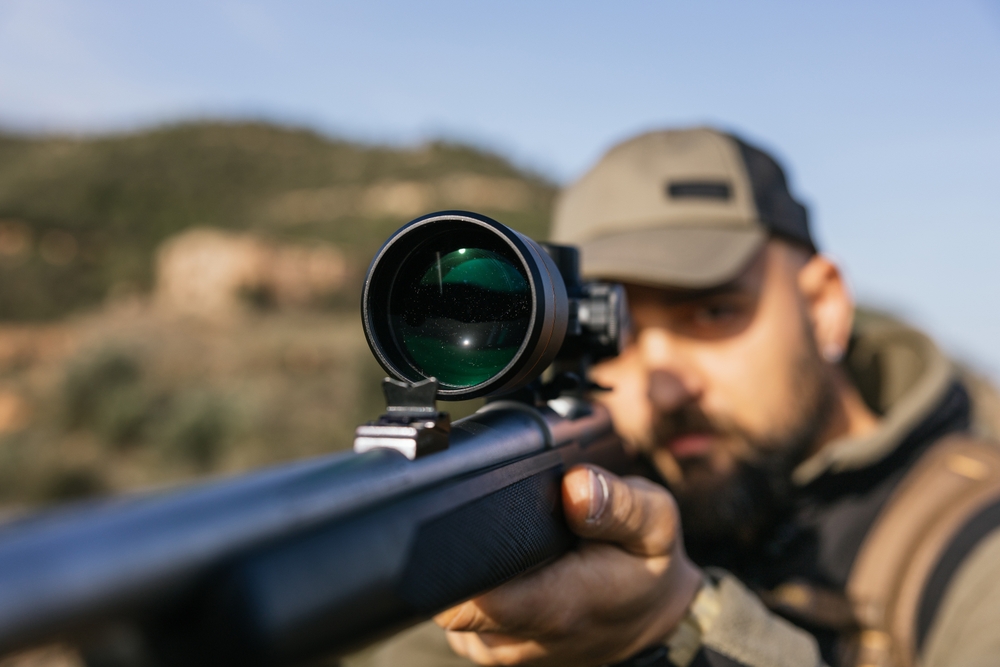
The hunt began much like many others Botha had led throughout his career.
According to Zimbabwe National Parks spokesperson Nyasha Simukai, Botha was leading a licensed hunting expedition at Good Luck Farm in Gwayi, Zimbabwe, during a scheduled safari that ran between May 16 and May 27.
Officials confirmed that the hunt itself was legal under Zimbabwean regulations.
While moving through the area, the hunting party unexpectedly encountered a breeding herd of elephants.
Female elephants with young calves are widely recognized as being highly protective, and wildlife experts have long warned that approaching breeding herds can create extremely dangerous situations.
Simukai later explained what happened.
“The unfortunate incident happened when the hunting party got in the middle of a breeding herd of elephants and were attacked by female elephants.”
Other reports added further detail.
As the hunters came across the herd, several elephant cows reportedly charged toward the group. Botha opened fire as the animals advanced, but another elephant approached from a different direction.
Before anyone could react, the elephant struck Botha from the side.
Witness accounts reported that the animal lifted him using its trunk as the attack unfolded.
It was an encounter measured in seconds.
The Shot That Changed Everything

The hunters accompanying Botha faced an impossible decision.
With the elephant attacking their guide, one member of the group fired at the animal in an attempt to stop the charge.
The shot proved fatal.
But the timing created a tragic outcome that nobody involved could have anticipated.
According to Zimbabwe National Parks, the elephant collapsed immediately after being hit.
Its enormous body fell directly onto Botha.
The impact killed the veteran hunter.
Rather than being killed by the charging elephant itself, Botha died beneath the weight of the animal after it had already been fatally wounded.
The unusual sequence of events quickly made headlines around the world because of its extraordinary nature.
Stories describing the incident spread rapidly across international media, with many readers struck by the irony that the animal being hunted ultimately became the cause of the hunter’s death.
Authorities transported Botha’s body to Hwange Colliery Hospital while arrangements began for his family to travel to Zimbabwe.
His wife, Carike Botha, later traveled to identify his remains before returning them to South Africa for burial.
He was 51 years old.
A Polarizing Figure Long Before His Death
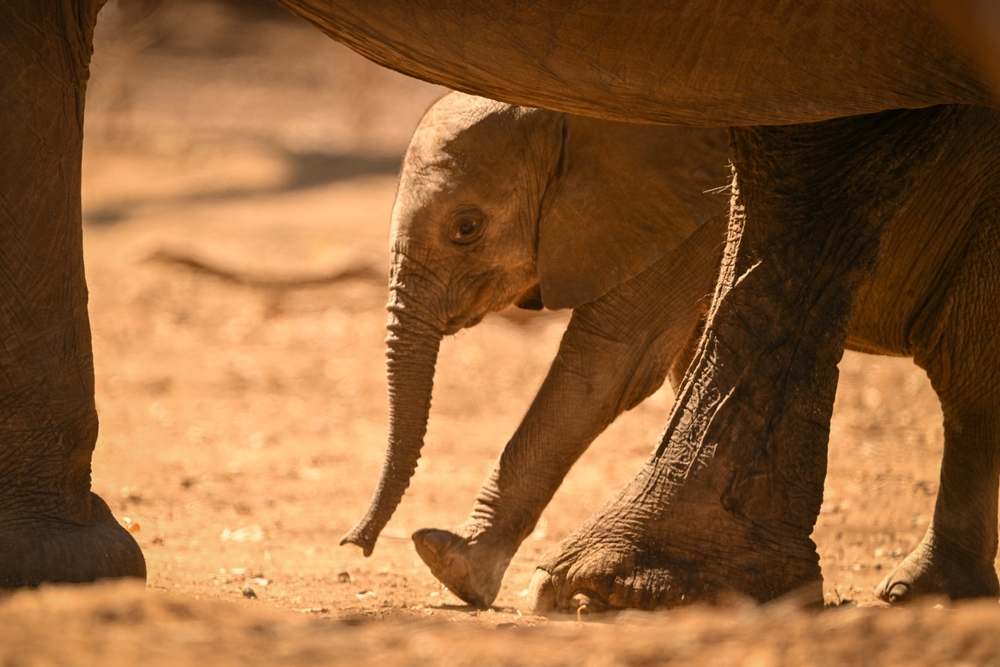
Long before the accident made international headlines, Botha had already become a divisive figure.
His promotional videos and photographs regularly showed successful hunts involving elephants, lions, leopards, crocodiles and other large African animals.
In one widely circulated image, he stood beside elephant tusks that towered above his height. Other photographs showed him posing with clients next to freshly killed game.
His YouTube channel featured lengthy hunting videos documenting expeditions with customers and packs of trained dogs.
To supporters, these images reflected legal hunting traditions, wildlife management practices and decades of professional experience.
Many hunters praised Botha’s knowledge of African wildlife and viewed him as one of the continent’s most accomplished professional guides.
Others saw something entirely different.
Animal rights campaigners had long criticized trophy hunting, arguing that killing iconic wildlife for recreation could never be justified regardless of whether permits had been issued legally.
Botha’s public profile meant that he frequently appeared in discussions surrounding trophy hunting, especially as global attention increasingly focused on the practice during the mid-2010s.
His death arrived at a time when emotions surrounding big-game hunting were already running high.
Just two years earlier, outrage over the killing of Cecil the Lion near Zimbabwe’s Hwange National Park had ignited international condemnation of trophy hunting, placing the industry under unprecedented public scrutiny.
Against that backdrop, news of Botha’s fatal encounter spread far beyond hunting circles.
Condolences Quickly Mixed With Fierce Criticism
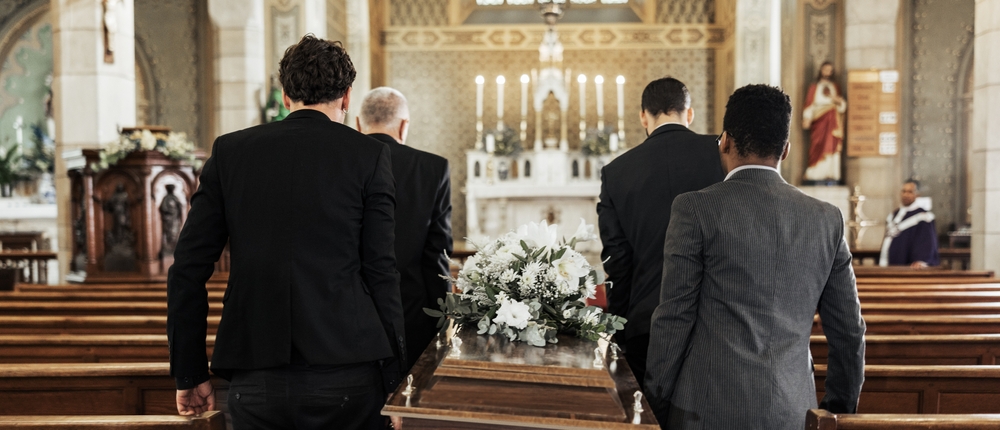
Within hours of reports emerging, tributes began appearing across social media from friends, fellow hunters and former clients.
Many remembered Botha as a skilled guide who had spent much of his life working in Africa’s wilderness.
One tribute described him as “a legend,” while another called him a “world-class houndsman” whose contribution to professional hunting would not be forgotten.
Others expressed sympathy for his wife and five children, who were suddenly faced with an unimaginable loss.
Yet the response was far from unanimous.
As news organizations around the world reported the circumstances of his death, many online comments took a sharply different tone.
Critics of trophy hunting argued that Botha’s death illustrated the dangers and moral questions surrounding the industry. Some responses were openly hostile, reflecting years of frustration over the killing of elephants, lions and other protected wildlife.
The sharp contrast between sympathy and celebration revealed just how deeply divided public opinion had become over trophy hunting.
For many observers, Botha’s death became more than an isolated tragedy.
It evolved into another chapter in a much larger global conversation about conservation, ethics and humanity’s relationship with some of the world’s most powerful wild animals.
How Trophy Hunting Became One of Conservation’s Most Divisive Issues
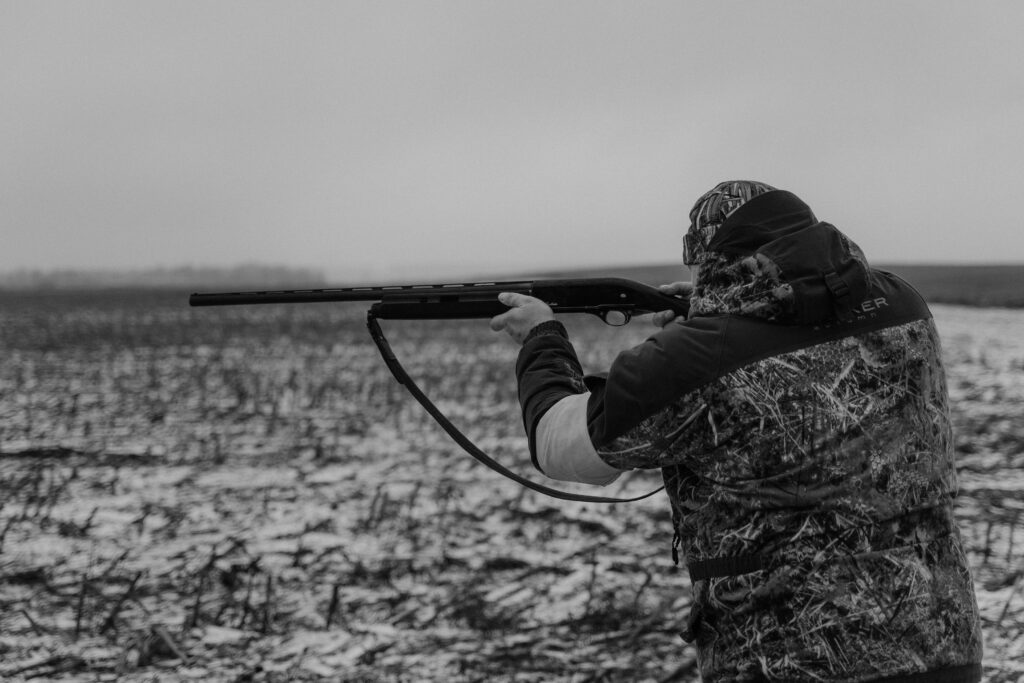
The circumstances surrounding Botha’s death reignited an argument that had been growing for years.
Supporters of trophy hunting pointed out that the safari had been conducted legally under Zimbabwean regulations. Licensed hunting programs in several African countries are designed to generate revenue through expensive permits purchased by international clients. Governments and private operators have argued that this money supports conservation efforts, funds anti-poaching patrols, and provides employment for local communities.
Professional hunters have also argued that carefully managed hunting quotas target older animals that are no longer important to breeding populations.
Critics reject that reasoning.
Conservation groups and animal welfare organizations have questioned whether trophy hunting provides enough financial benefit to justify the killing of iconic species. Some have argued that photographic tourism offers a more sustainable economic model while keeping wildlife alive for future generations.
Elephants have become a central focus of that debate.
Forest and savanna elephant populations have declined dramatically across Africa because of habitat loss, illegal ivory poaching, and increasing conflict between humans and wildlife. Although legal trophy hunting differs from poaching, many conservation advocates believe both contribute to the perception of elephants as commodities rather than living animals with ecological importance.
The death of a hunter during an elephant hunt inevitably drew attention to these competing viewpoints.
For some readers, the incident represented the unpredictable dangers of pursuing massive wild animals.
For others, it became a symbol of nature refusing to be controlled.
Elephant Behavior Explains Why These Encounters Can Turn Deadly
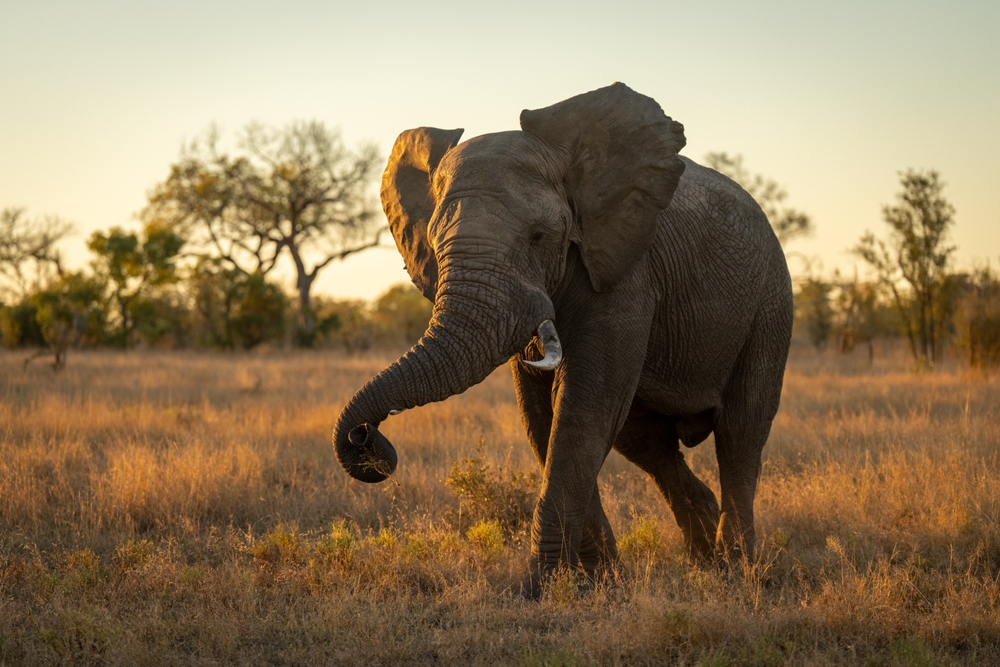
Wildlife experts have long warned that female elephants protecting calves are among the most dangerous animals on the African continent.
Unlike solitary bulls, breeding herds operate as tightly connected family groups led by experienced matriarchs. When calves appear threatened, multiple females often react together, creating an overwhelming defensive response.
Their size alone makes them formidable.
An adult African elephant can weigh several tons and move at speeds approaching 25 miles per hour during a charge. Despite their enormous bodies, elephants are capable of accelerating quickly over short distances.
Contrary to popular belief, many charges are not bluffs.
When elephants perceive immediate danger, particularly around young calves, they may continue attacking until they believe the threat has been eliminated.
According to reports describing Botha’s final hunt, the group unexpectedly found itself in the middle of a breeding herd.
That detail is significant because wildlife professionals generally regard close encounters with breeding elephants as among the most unpredictable situations anyone can face in the bush.
Once several cows began charging, events unfolded too quickly for careful decision-making.
The fatal shot fired by another hunter was intended to stop the attack.
Instead, it created a tragic outcome that no one involved could have anticipated.
Another Hunting Tragedy Had Happened Just Weeks Earlier
What made Botha’s death even more remarkable was its timing.
Only weeks before the Zimbabwe incident, another prominent hunter connected to Botha had died during a separate expedition.
Scott van Zyl, a 44-year-old professional hunter from South Africa, disappeared while tracking game near the Limpopo River in Zimbabwe.
Search teams eventually located human remains inside a crocodile that had been killed during efforts to find him.
The shocking discovery made international headlines and highlighted the risks that professional hunters, guides, and trackers can face while working in remote wilderness areas.
Although the circumstances surrounding the two deaths were completely different, they occurred within weeks of one another and involved experienced men who had spent years operating in dangerous environments.
For many within the hunting community, the losses served as painful reminders that experience does not eliminate risk.
Africa’s wilderness remains unpredictable, even for those who know it better than most.
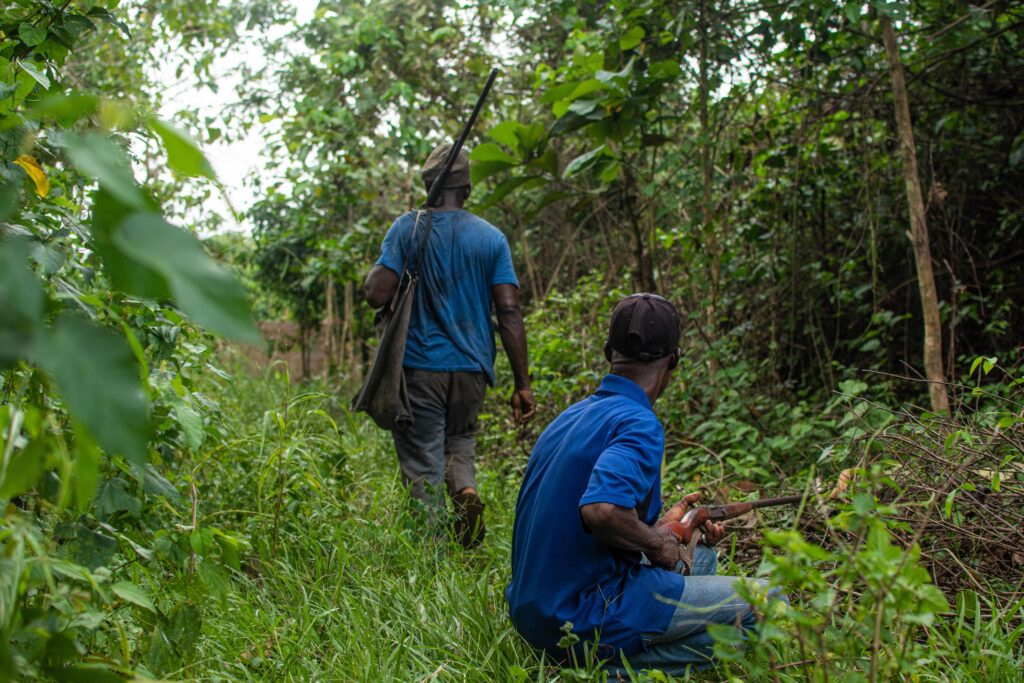
A Story That Continues to Spark Debate
Years after Botha’s death, the story continues to circulate online whenever conversations about trophy hunting return to the spotlight.
Some readers focus almost entirely on the dramatic irony of the incident, seeing it as an example of nature responding to human actions in an unexpected way.
Others caution against reducing the event to a simple moral lesson.
Professional hunters knowingly operate in environments filled with dangerous animals capable of inflicting fatal injuries. Guides accept those risks as part of their profession, much like firefighters, rescue workers, or deep-sea fishermen accept hazards in theirs.
At the same time, opponents of trophy hunting argue that the activity itself creates situations that would not otherwise occur.
The debate rarely produces agreement because it involves questions extending beyond wildlife management alone. Ethics, economics, conservation policy, tourism, local livelihoods, and cultural traditions all shape how different people interpret incidents like Botha’s death.
The circumstances also illustrate a broader reality about wild animals.
Unlike domestic species, elephants cannot be controlled once they perceive danger. Their behavior is shaped by instinct, experience, and survival.
Even modern equipment, extensive planning, and decades of field experience cannot guarantee a predictable outcome when humans enter their territory.
The Legacy of a Remarkable but Controversial Career
By every account, Theunis Botha devoted much of his adult life to Africa’s wilderness.
He transformed a student job into an internationally recognized safari business, guided hunters across multiple countries, and built a reputation that made him well known within professional hunting circles.
He also became one of the industry’s most controversial public figures because of the very work that earned him that reputation.
His death did not settle the arguments surrounding trophy hunting.
If anything, it intensified them.
Supporters remember him as an experienced guide who spent decades pursuing his profession legally while helping clients experience Africa’s wildlife.
Critics remember the photographs of dead elephants, lions, leopards, and other animals, viewing his final hunt through a very different lens.
Nearly a decade later, the image that remains most widely remembered is not one from his promotional videos or safari photographs.
It is the extraordinary sequence of events during a licensed hunt in Zimbabwe, where an elephant shot during a desperate attempt to stop an attack collapsed onto the man who had spent much of his life hunting Africa’s largest animals.
The incident remains one of the most unusual and widely discussed hunting fatalities in recent history, illustrating both the immense power of wild elephants and the unpredictable reality of entering their world.