
Your cart is currently empty!
Viral Simulation Lets You See the World Through a Cats Eyes
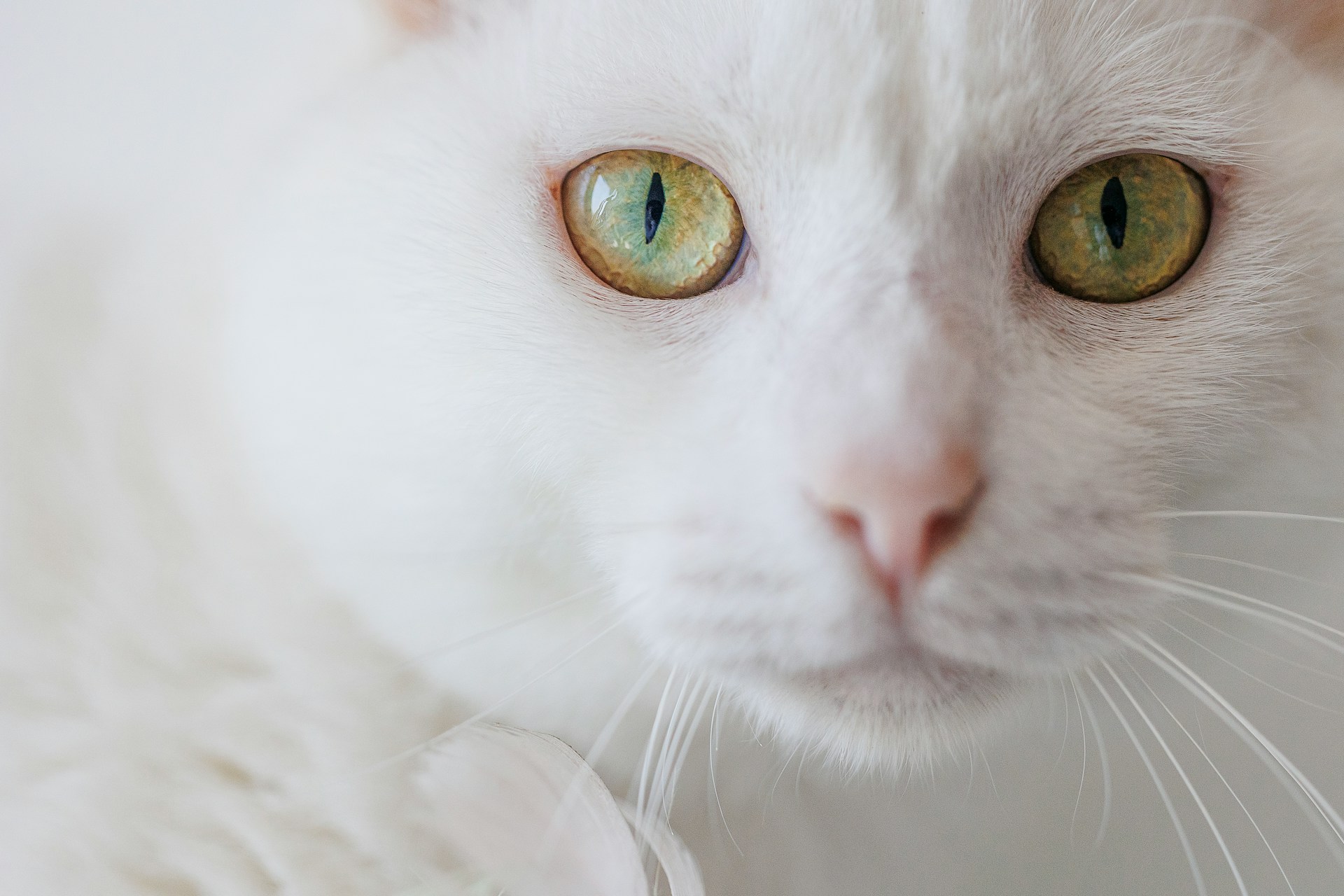
Cats have always carried an air of mystery that fascinates humans. Their silent stares, sudden bursts of energy, and uncanny ability to appear in a room without a sound have inspired endless curiosity. So when a viral simulation claimed to reveal how cats actually see and hear us, the internet understandably exploded with intrigue. The simulation offers a glimpse into the feline sensory world. It showcases how cats interpret the people who care for them every day.
Contents
show
Scientific curiosity is at the heart of this story. However, the more people watched the simulation, the more it prompted a deeper reflection on the human animal relationship. Many viewers started wondering how their pets understand their intentions and emotions. This article dives deeply into that intersection. It blends science with sentiment, offering an immersive look at how cats perceive the world and what that says about our bond with them.

The Science Behind Feline Vision
Understanding how cats see begins with exploring the physical structure of their eyes. Cats are equipped with a higher number of rod cells than humans. These rods detect light and motion, which allows cats to navigate dim environments with ease. The simulation builds upon these biological facts by visually demonstrating the softened colors and heightened contrasts that shape their visual world.
The simulation suggests that cats do not experience the same vibrant colors that humans do. Various researchers and visualizers note that cats see a muted palette where blues and greens appear more prominent and reds become almost indistinguishable. This creates what many describe as a soft, dreamlike hue when a cat looks around its environment. Viewers of the simulation noted that this visual effect made everything feel slightly surreal, almost as if the world were a painting.
Despite the reduced color range, cats excel in depth perception of fast moving objects. This natural ability explains why laser pointers turn into irresistible targets. By recreating this in the simulation, viewers could finally witness firsthand how swiftly shifting light appears from a cat’s perspective. It presents as razor-sharp, distinct and demanding immediate attention.
The most captivating part for many was realizing that cats do not necessarily see us as large, towering humans. Instead, they see softened outlines shaped by motion patterns, facial expressions and physical presence. The simulation uses gentle blurring around edges to replicate how cats likely perceive humans during calm interactions and sharper focus during moments of movement.
Hearing Through Feline Ears
While vision provides one piece of the puzzle, hearing adds another layer of depth to the simulation. Cats have extraordinary auditory abilities. Comparisons between cats and dogs show that cats outperform their canine counterparts in detecting high frequency sounds. This is partly due to the specialized muscles around their ears that allow them to detect even the faintest movements.
The auditory portion of the simulation attempts to re-create the world through this heightened sensitivity. Ordinary household sounds such as footsteps or the rustling of fabric become far more pronounced. The subtle clink of keys or a distant bird outside the window transforms into a focal point. These exaggerated soundscapes shocked many viewers who suddenly realized how noisy their homes might seem to a feline.
One of the most intriguing insights is how cats interpret human voices. The simulation amplifies certain frequencies while softening others to mimic how cats hear us. High-pitched tones stand out more clearly while lower vocal notes become background ambience. This finding aligns with studies that suggest cats recognize the emotional tone of a voice more than the exact words.
Several viewers shared that this newfound understanding made them more conscious of how loudly they speak or how quickly they move around their pets. By hearing the world the way a cat might, the simulation encouraged people to reconsider the atmosphere they create at home.
What the Simulation Reveals About Our Behavior
The simulation does more than portray feline senses. It serves as a mirror. Many people began reflecting on their habits, asking whether their cats experience moments of confusion or overstimulation caused by human routines. Simple tasks such as cleaning dishes or turning on a vacuum cleaner look and sound far more intense through the simulated perspective.
Further research explores how cats may interpret our actions based not on language but on energy consistency and routine. This means that when we move with calm intention or speak with gentle tones, we communicate a sense of safety. When we act unpredictably, we may cause stress without realizing it.

The simulation includes scenes where a human crouches down to greet a cat. From the feline viewpoint, the human face appears closer, larger and more expressive. This can be comforting or overwhelming, depending on the cat’s temperament and prior experiences. Viewers noted that this moment of closeness felt surprisingly intimate, sparking thoughts about how cats interpret affection.
It also highlighted how gestures that seem small to humans can feel significant to cats. A quick hand movement may seem abrupt from their vantage point. An approaching footstep becomes a looming presence. These realizations encouraged viewers to move more deliberately around their pets.
The Emotional Impact on Viewers
The simulation quickly went viral not only for its scientific accuracy but also for its emotional resonance. People shared stories about their own cats with newfound empathy. Many wrote that they finally understood why their pets responded so strongly to certain triggers or preferences. The experience felt almost like stepping into another species’ mind.
Several viewers described becoming more patient after watching the simulation. One commented that their cat hesitates at the door, not because it is stubborn but because the hallway looks like a vast, contrasting space filled with unfamiliar scents and sounds. This interpretation changes the narrative from annoyance to compassion.

Others reflected on how their cats show affection in subtle ways. The simulation revealed how cats perceive human facial expressions, emphasizing micro movements and shifts in posture. These small cues help cats determine whether a situation is safe. Recognizing this made many owners more aware of their body language.
For some, the reflective aspect went deeper. They began questioning what it means to coexist with animals whose perception of reality differs from our own. The simulation became a tool for understanding not just feline biology but the ethics of care.
Strengthening the Human Animal Bond
One of the key takeaways from the simulation is the importance of creating environments that respect feline sensory needs. Soft lighting, safe hiding spots, and gentle interactions can make a significant difference. Understanding how cats see and hear their surroundings empowers owners to build homes that align with their pets’ natural instincts.
The simulation encourages people to observe their cats more carefully. Noticing which rooms they prefer or which sounds they avoid can help tailor daily routines to better suit their needs. By adopting a more attentive approach, owners often discover patterns that reveal their cat’s unique personality.
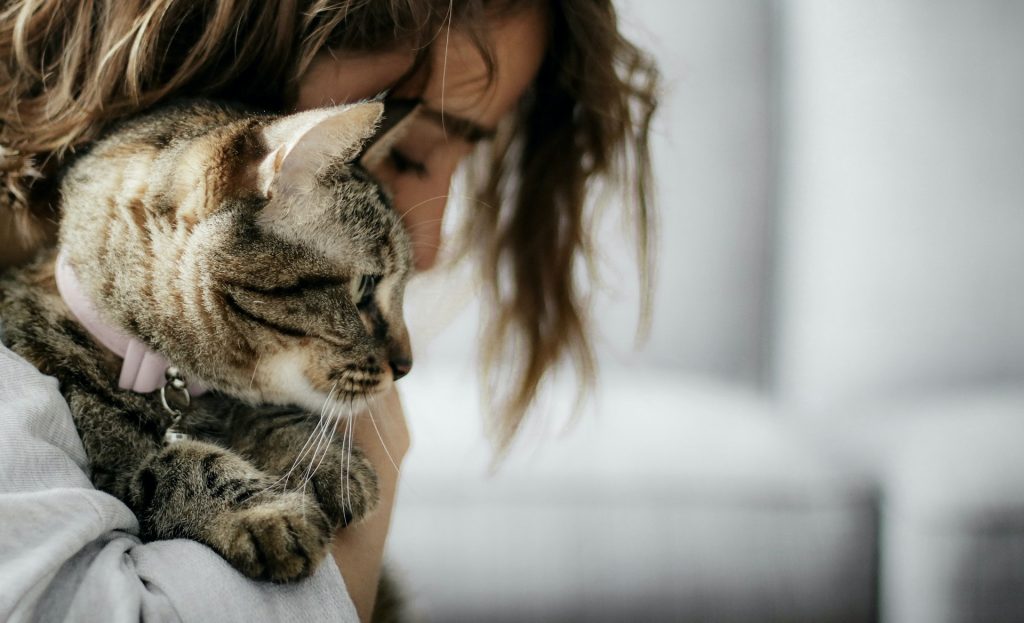
Another strength of the simulation is how it emphasizes patience. Cats often learn trust slowly, using sensory cues to determine whether someone is safe. Recognizing this allows people to build deeper connections without forcing interactions. When humans adjust their behavior to accommodate feline preferences, bonds grow more naturally.
Ultimately, the simulation serves as a reminder that animals perceive the world differently, but that these differences enrich the relationship. By learning to see through a cat’s eyes, even briefly, humans gain insight into the subtle emotional lives of their pets.
Insights Gained from the Viral Feline Simulation
The viral simulation showing how cats see and hear us captured global attention for a reason. It merges scientific detail with emotional insight, creating a bridge between two species. By understanding the sensory lens through which cats experience the world, humans can cultivate deeper compassion and more harmonious relationships.
This blend of scientific curiosity and reflective thought offers more than entertainment. It invites a shift in how we communicate with and care for the animals who share our homes. It is a reminder that understanding begins with perspective and that sometimes all it takes is a simulation to see the familiar world in an entirely new light.