
Your cart is currently empty!
What NASA Wants Everyone to Know About the Mystery Object 3I/Atlas
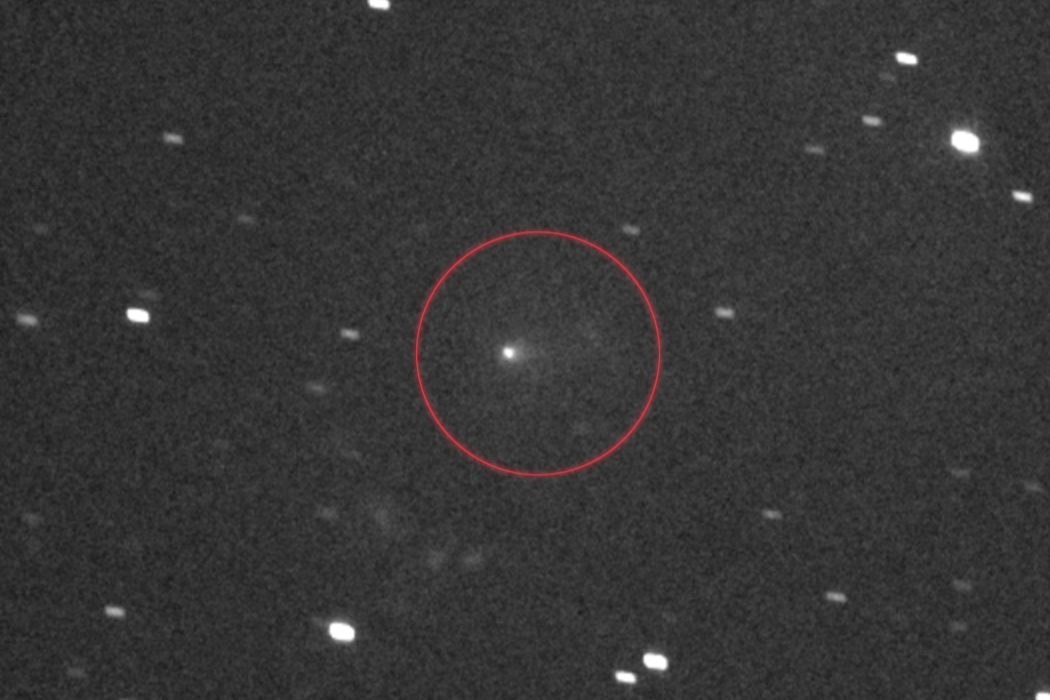
Something about the idea of an unidentified object drifting toward our cosmic neighborhood always captures the public imagination. When scientists first began talking about an odd visitor known as 3I/Atlas, many people immediately jumped to the wildest possible conclusion. Was it a sign of alien technology? Was it some kind of interstellar probe? Or could it even be a threat?
Contents
show
Speculation grew quickly as online forums and news outlets pulled together pieces of information ranging from confirmed observations to the kind of mysterious hints that inspire countless theories. According to AP News, the object is actually a newly observed comet with properties that sparked intense curiosity among astronomers. Meanwhile, other outlets highlighted how claims of a possibly hostile alien visitor began circulating despite scarce evidence and a lot of scientific caution.
As attention mounted, NASA stepped in with a firm and clear explanation, aiming to settle the rumors once and for all. Their statement has become the center of the debate, revealing what 3I/Atlas really is and what it absolutely is not.

Credit: European Space Agency
What Sparked the Alien Threat Rumors
The story of 3I/Atlas began in a way that seemed almost designed to ignite speculation. Astronomers identified it as a foreign visitor that did not immediately behave like a typical comet, which led to a wave of questions and concerns. This early uncertainty created an open door for theories to flourish, especially in online spaces where mystery and science often collide in chaotic ways.
According to AP News, early observations showed the object moving with a trajectory that made some scientists curious about its origin. Because unusual interstellar objects have captured public attention in the past, many people compared 3I/Atlas to previous cosmic visitors that carried similarly mysterious characteristics. The lack of a complete initial profile only fueled the sense that something extraordinary might be unfolding.
Other reports noted that some commentators began framing the object as a potential alien craft. These claims circulated rapidly due to the presence of unexplained measurements and the long-standing fascination with extraterrestrial life. Online spaces played a major role here, transforming a scientific curiosity into a viral rumor.
LadBible later reported that NASA found itself confronting waves of misinformation that framed the object as possibly hostile. The agency recognized that leaving the narrative to grow unchecked would lead to widespread misunderstanding. Their response became essential for setting the record straight.
NASA Breaks Its Silence
NASA eventually released a statement intended to close the gap between speculation and science. Their explanation was direct, clear, and aligned with decades of observational research. They confirmed that 3I/Atlas is a comet, not a spacecraft and certainly not a hostile interstellar visitor. This formal recognition grounded the object in familiar scientific territory.
According to NASA, the comet displayed a coma and tail formation that matched natural behavior. These features were simply not visible during the earliest observations, which contributed to the initial confusion. As more observatories gathered data, the truth became obvious and the exotic theories could no longer stand on solid ground.
NASA addressed the alien threat rumors by stating that no evidence supported the idea that the object was artificial or intentionally approaching Earth. This clarification was essential given the growing anxiety that had developed across social platforms. They emphasized that similar waves of rumor have accompanied many unusual cosmic findings throughout history.
The agency also encouraged the public to appreciate such discoveries for what they truly are. Rather than representing danger, they help astronomers deepen their understanding of how objects travel across cosmic distances. In their view, 3I/Atlas is an opportunity for learning, not a sign of imminent threat.
The Scientific Profile of Comet 3I/Atlas
With rumors settled, the actual scientific features of 3I/Atlas reveal a story that is compelling in its own right. Comets are ancient travelers that carry material from the earliest eras of the universe and this object is no exception. Studying it gives researchers another window into the formation of celestial bodies.
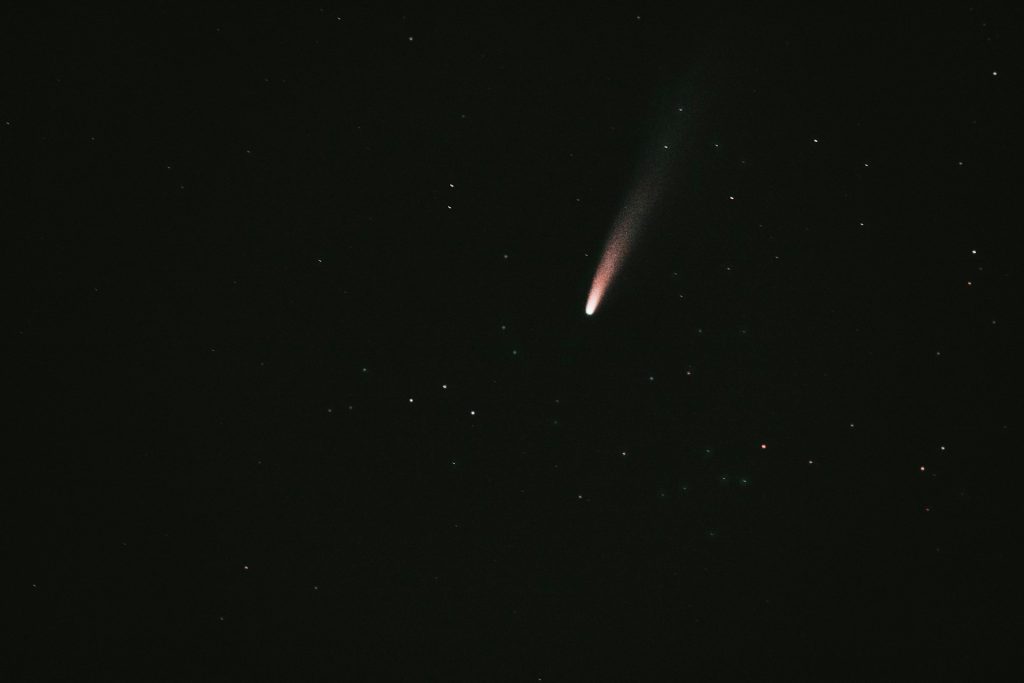
Scientists identified the structure of the comet as consistent with icy materials that begin to shed vapor when warmed by sunlight. This process creates the glowing tail that many people associate with comet activity. It is a natural effect that would never appear on an engineered object, which further confirms the comet status.
According to AP News, the object follows a path that indicates long-term movement through remote regions of space. This trajectory suggests that it has likely been traveling for millions of years before entering the observational range of telescopes on Earth. This history makes it a valuable data point for understanding how objects migrate across interstellar environments.
Astronomers also noted that comets like 3I/Atlas help refine prediction models for future cosmic encounters. Each new observation contributes to a wider scientific picture, allowing better preparation for potential asteroid or comet impacts. The scientific value of the object is far more significant than any unfounded rumors about alien intentions.
Why People Jump to Alien Conclusions
Even with scientific clarity, the rapid popularity of the alien threat theory surrounding 3I/Atlas highlights something interesting about human psychology. Mystery encourages imagination and imagination often leads to extraordinary explanations. When evidence is incomplete, people sometimes prefer the most thrilling interpretation rather than the most realistic one.
Reports emphasized that the conversation around the object grew in part because scientific uncertainty leaves room for wide interpretation. When a new cosmic object appears and researchers cannot immediately identify its nature, it becomes fertile ground for speculation. This happens frequently with deep-space phenomena.

Social media also plays a major role. Influencers, commentators, and creators often build entire narratives around speculative ideas because they know it draws attention. Once a theory gains traction, it can spread faster than experts can correct it. The 3I/Atlas situation followed this familiar pattern.
In addition, many people genuinely enjoy the idea that humanity might not be alone in the universe. The thought of discovering alien technology inspires feelings of wonder and possibility. Although NASA firmly dismissed the idea in this case, the interest shows that the public remains fascinated by the search for life beyond our planet.
The Real Lessons From 3I/Atlas
Once the mystery disappears, the deeper meaning of a story like this becomes easier to appreciate. Rather than being a threat, 3I/Atlas reminds us that our universe is overflowing with phenomena that stretch the limits of our understanding. Each new discovery highlights how much remains to be explored.
One lesson is that curiosity should be paired with patience. Science takes time. Initial incomplete observations often change dramatically as more data becomes available. This is not failure but a natural part of the process. The 3I/Atlas story demonstrates how important it is to wait for the full picture before drawing conclusions.
Another lesson lies in the need for responsible sharing of information. Misinformation spreads quickly and stories about alien technology can easily overshadow the real science. NASA had to intervene largely because speculation had begun overwhelming the facts. This offers a reminder that critical thinking remains just as important as curiosity.
A final takeaway is the importance of appreciating cosmic discoveries for their true nature. Comets offer insight into the early universe and help scientists develop better models for future exploration. Even without alien involvement the science is exciting inspiring and full of wonder.
Separating Cosmic Myth From Reality
The story of 3I/Atlas became viral partly because it touched on timeless questions about life beyond Earth. But once NASA stepped forward with definitive clarity, the truth became clear. The object is a natural comet, not a machine, not a probe, and not a hostile visitor from an alien civilization.
Although the rumors have passed, the excitement leaves behind something valuable. The experience shows how curiosity and speculation can spark meaningful conversations about science and exploration. It also illustrates why careful evidence based thinking is essential in a world where ideas spread instantly.
For now, 3I/Atlas continues its journey through space, offering scientists a chance to learn more about the universe. And for the rest of us, it provides a reminder that while mysteries capture our attention, the truth is often just as fascinating.
Featured Image Credit: NASA/Goddard/SwRI/JHU-APL