
Your cart is currently empty!
The Science of Rare Steak Versus Rare Chicken

There’s a strange little paradox on the dinner table: one type of meat is glorified for being served pink in the middle, while another inspires fear if it isn’t cooked to absolute doneness. A ruby-rare steak, dripping with savory juices, is celebrated as the pinnacle of indulgence. But a slightly pink chicken breast? That image alone is enough to make most people push their plate away. The discrepancy is more than cultural preference. It is grounded in biology, microbiology, and centuries of trial-and-error in kitchens around the world.
Contents
show
The ability to eat steak rare but never chicken comes down to the hidden world of bacteria, the anatomy of animal muscles, the science of cooking temperatures, and the history of food safety. By digging into all of these layers, we uncover why the same blush of red can be an invitation in one meal and a warning in another. Understanding this difference empowers us not only to savor food more confidently but also to respect the thin line between culinary pleasure and microbial risk.
The Biology Behind the Difference
At its heart, the difference between rare steak and rare chicken is not about taste. It’s about biology and microbiology specifically, where dangerous bacteria like to live and how they move through different kinds of meat.
Beef muscle fibers are dense and tightly packed. This density acts like a natural barrier, keeping most bacteria on the surface of the meat. When cattle are slaughtered and processed properly, the interior of a steak remains sterile. The dangerous microbes, such as Escherichia coli (E. coli), live on the outside. As soon as that steak hits a screaming-hot pan or grill, the searing process kills those bacteria on contact. The inside of the steak can remain rare, tender, juicy, and perfectly safe.

Chicken muscle fibers, on the other hand, are far more porous. Bacteria such as Salmonella and Campylobacter don’t just sit politely on the surface. They can infiltrate the interior of the muscle tissue, turning the whole cut into a playground for pathogens. No matter how charred the outside of your chicken breast might look, the inside could still harbor living, thriving bacteria unless it’s fully cooked through. That’s why public health experts insist on 165°F (74°C) as the minimum safe temperature for poultry.
Pathogens at Play
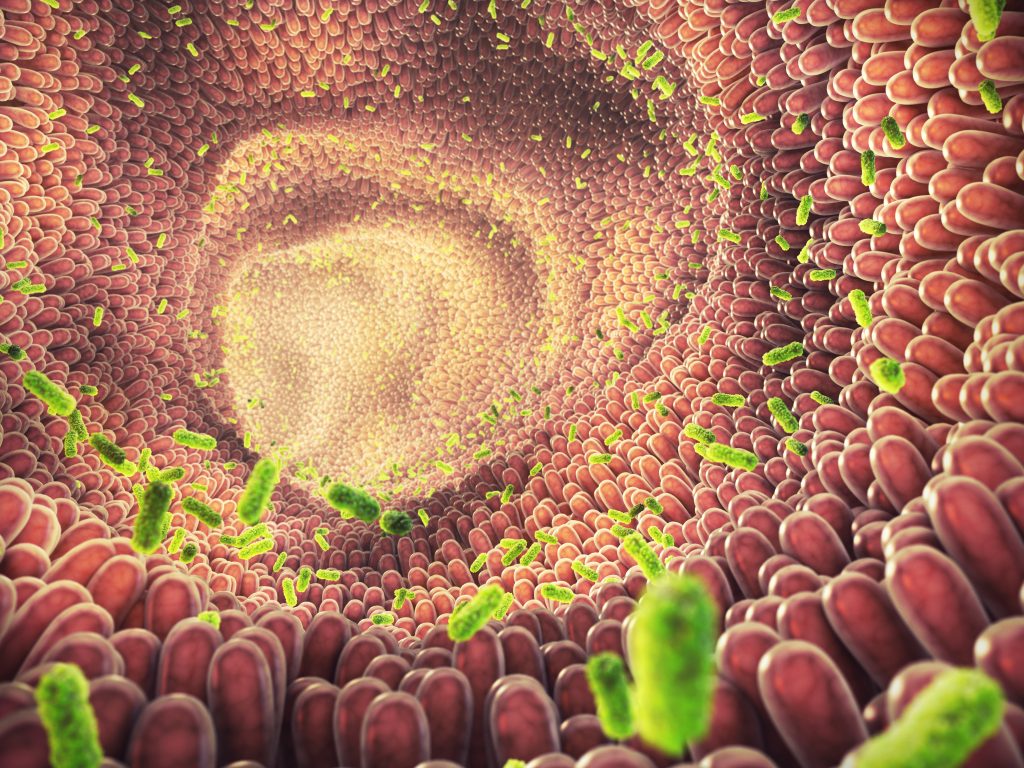
The villains of this story are microscopic, but their impacts are all too real. Different meats host different pathogens, and their distribution matters just as much as their species.
- E. coli in beef. Pathogenic strains of E. coli, such as O157:H7, are the most feared in beef. They can cause severe gastrointestinal illness, bloody diarrhea, and even life-threatening complications like kidney failure. Fortunately, in whole cuts of beef, these bacteria usually remain on the surface. A proper sear neutralizes them.
- Salmonella in chicken. According to the CDC, Salmonella infects about a million Americans each year, hospitalizing tens of thousands. It spreads easily within chicken muscle and can cause fever, diarrhea, cramps, and dehydration. Some cases require antibiotics or hospitalization, especially for vulnerable groups like young children or the elderly.
- Campylobacter in chicken. This bacteria often causes bloody diarrhea and can lead to longer-term complications such as Guillain–Barré syndrome, a neurological disorder that causes temporary paralysis.
- Other pathogens. Chicken can also carry Clostridium perfringens, another food-poisoning culprit. Beef, while less risky in whole cuts, becomes just as vulnerable as chicken once ground.
These pathogens illustrate why “pink beef” and “pink chicken” are two very different realities. The former might simply be delicious iron-rich juices. The latter could be a microbial minefield.
Ground Meat: The Special Case

When beef is ground, the once-sterile interior of the muscle becomes exposed to bacteria from the surface. Grinding mixes that bacteria into every bite. Now, the middle of your burger could be just as contaminated as the outside. Searing the patty’s surface won’t protect you from what lurks inside.
That’s why public health authorities recommend cooking ground beef to at least 160°F (71°C). Outbreaks of E. coli are disproportionately linked to ground beef, not steak. Large-scale meat processing magnifies the risk: one contaminated cut can end up mixed into hundreds of pounds of ground meat, spreading pathogens widely.
The same principle applies to ground poultry, which is doubly risky because chicken already harbors pathogens throughout its muscle. In short: steak tartare can be relatively safe in specialized contexts, but a “rare” chicken burger is never a good idea.
Cooking Science: Temperature, Time, and Technique

Cooking is both art and chemistry. Heat not only transforms flavor but also neutralizes pathogens. The rules differ between meats:
- Steak (whole cuts of beef): Safe when cooked to 145°F (63°C) with a rest period, though many people opt for medium-rare at 130°F (54°C). The key is searing the surface.
- Ground beef: Must be cooked to 160°F (71°C) since bacteria can be mixed throughout.
- Chicken (all cuts): Must reach at least 165°F (74°C) internally. Unlike beef, there is no wiggle room.
- Sous-vide exception: Low-and-slow cooking at precise temperatures can pasteurize meat over time. For example, chicken can be cooked at 150°F (65°C) for long enough to kill bacteria. But this requires meticulous timing and control.
A kitchen thermometer is the unsung hero of food safety. Color and texture can be misleading. Pinkness in chicken isn’t always unsafe but without measuring the internal temperature, you’re gambling blind.
Cultural Memory and Culinary Tradition

Across centuries and continents, people developed cooking traditions not by accident but through painful trial and error. Communities that experimented with lightly cooked or raw chicken often learned the hard way: sickness, sometimes deadly, followed. Over time, cultures encoded these lessons into their culinary norms.
- Beef traditions. Many societies celebrate rare or raw beef. French steak tartare, Japanese gyu tataki, and Italian carpaccio are all examples of dishes where beef is served raw or nearly so. The safety margin built into beef’s muscle structure allowed such traditions to flourish.
- Chicken traditions. Conversely, chicken dishes worldwide are almost universally cooked thoroughly: Indian tandoori, American fried chicken, Chinese soy sauce chicken, Mexican pollo asado. The insistence on doneness isn’t just about flavor it’s cultural wisdom shaped by centuries of microbial punishment.
- Exceptions. Japan has dishes like torisashi (raw chicken sashimi), prepared under strict conditions. But even in Japan, public health authorities caution against it, and outbreaks have occurred. The practice remains controversial and niche.
Culture, then, is a collective memory of survival. Our ancestors didn’t know the names Salmonella or Campylobacter, but they learned to fear undercooked chicken and to indulge carefully in rare beef.
The Invisible Danger Zone: Cross-Contamination
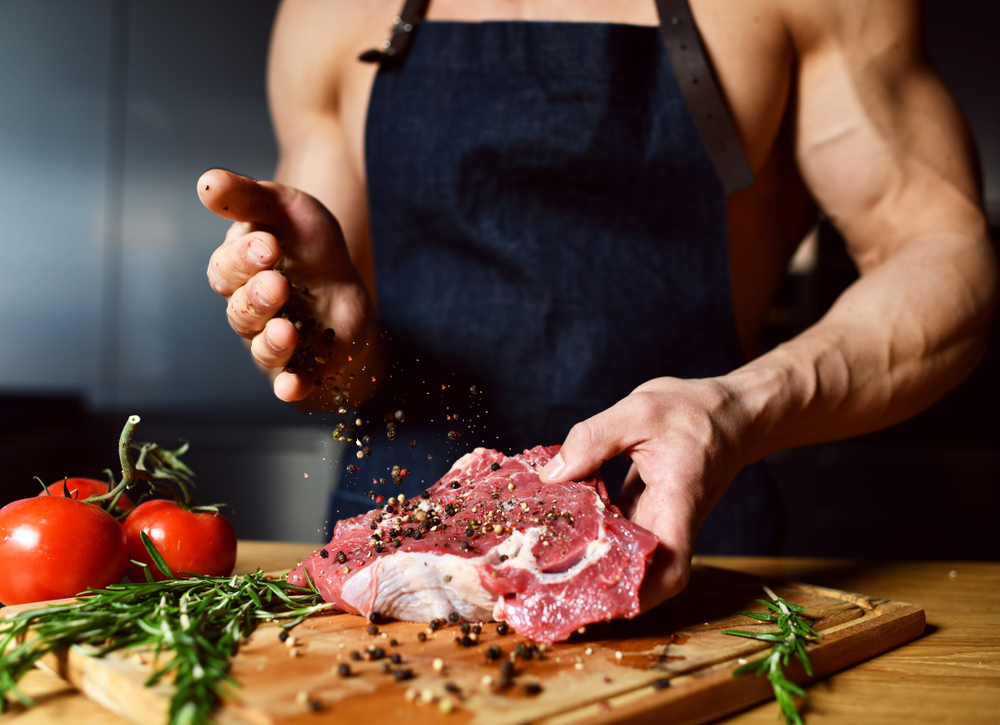
Even if you plan to cook chicken thoroughly, the journey from package to pan carries risks. Raw chicken juices are notorious for cross-contaminating kitchens.
- A single drop on a cutting board can infect vegetables or bread prepared afterward.
- Washing raw chicken, once common advice, actually makes things worse. Splashing water spreads bacteria around sinks and counters.
- Knives, utensils, and even your hands can turn into vectors if not washed properly.
According to food safety experts, the best practices are simple but essential:
- Store chicken on the bottom shelf of the fridge so juices don’t drip onto other foods.
- Use separate cutting boards for meat and produce.
- Wash hands with warm soapy water for at least 20 seconds after handling raw poultry.
- Clean countertops, knives, and sinks with disinfectants.
Cross-contamination is a silent culprit behind many outbreaks. Proper cooking temperature saves you only if bacteria never hitchhike onto something you don’t cook.
Making Well-Cooked Chicken Delicious
One common complaint is that chicken cooked to 165°F is dry and boring. But food science and culinary craft offer plenty of solutions.
- Brining. Soaking chicken in a saltwater solution helps muscle fibers hold onto moisture. Even a 30-minute brine can transform texture.
- Marinating. Acids (like lemon juice) or dairy (like yogurt) not only add flavor but also tenderize the meat.
- Breading and frying. Coatings lock in moisture and add crisp texture, making chicken both safe and satisfying.
- Sous-vide precision. Cooking chicken at lower temps for longer times achieves pasteurization without dryness. Finish with a quick sear for flavor.
- Resting. Allowing chicken to rest after cooking redistributes juices, avoiding dry edges and soggy centers.
Safety does not mean sacrificing flavor. With the right preparation, well-cooked chicken can be succulent, complex, and every bit as thrilling as steak.
Flavor, Safety, and the Dance Between Them
A rare steak and a rare chicken breast may look similar on a plate, but their safety profiles couldn’t be more different. Steak’s dense muscle structure keeps bacteria mostly on the outside, where a good sear ends the threat. Chicken’s porous fibers and common bacterial hitchhikers mean the danger is everywhere, requiring thorough cooking.
The contrast between rare beef and rare chicken tells a larger story about how biology shapes culture, how pathogens shape cuisine, and how science refines our instincts. Cooking chicken all the way through comes from generations of learned wisdom, supported today by microbiological research on food safety. And it’s not recklessness that lets us enjoy rare steak, it’s a calculated risk with a solid scientific foundation.