
Your cart is currently empty!
Why People Once Woke Up in the Middle of the Night and Went Back to Sleep
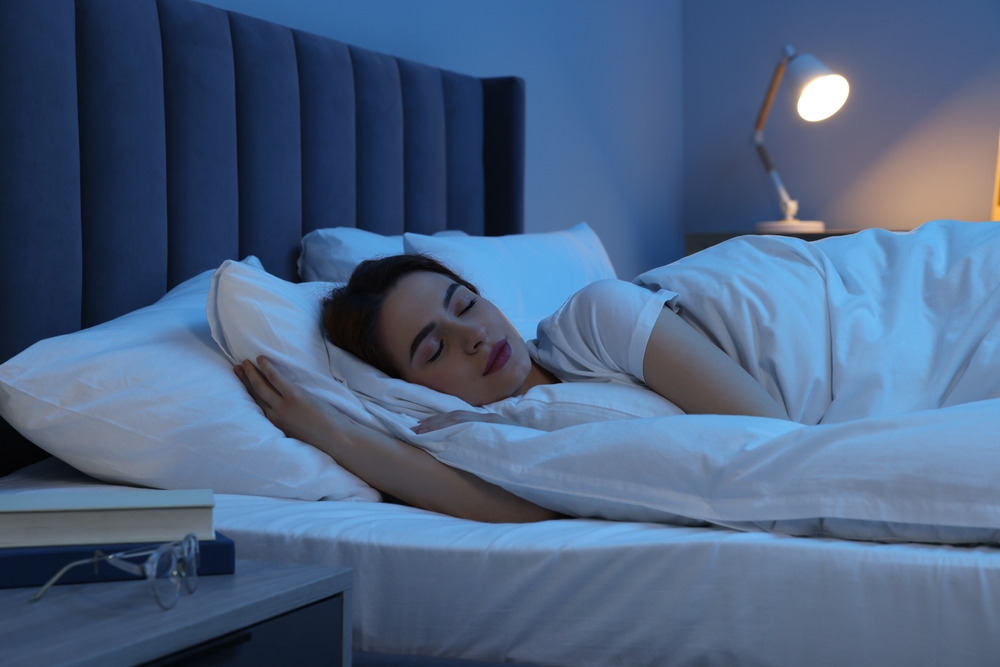
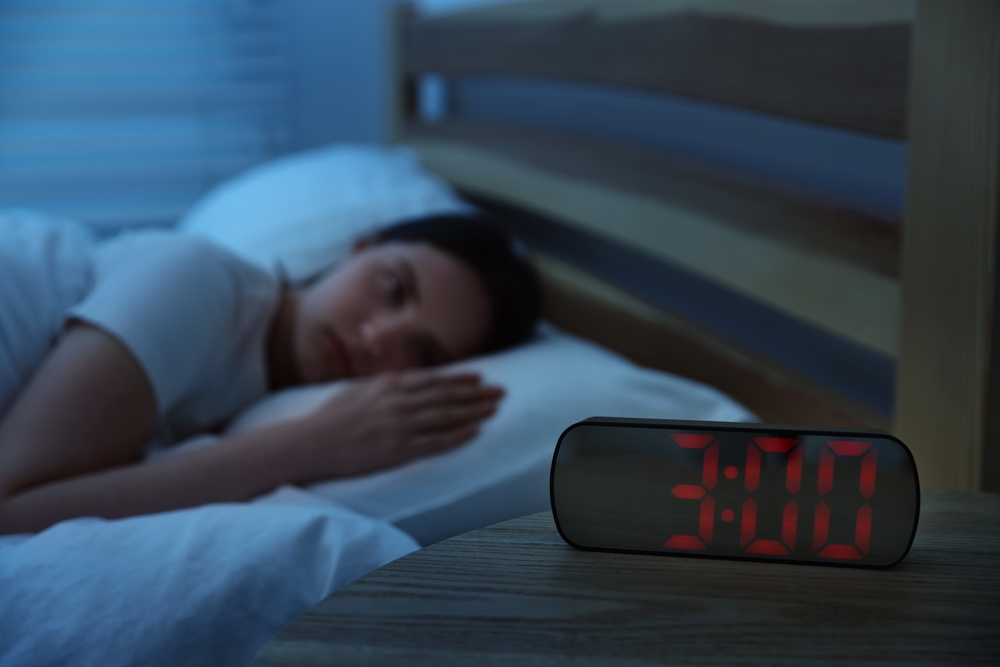
You wake up at three in the morning, stare into the darkness, and start doing the maths. If you stay awake another hour, tomorrow is going to be brutal. But for much of Western history, waking in the middle of the night was ordinary enough that people barely explained it. Records repeatedly mention a “first sleep,” a period of wakefulness, and a “second sleep” before morning.
Contents
show
Historian Roger Ekirch has uncovered upwards of 2,000 references to segmented sleep. A seventeenth-century Scottish record even described someone having “gottin his first sleip and awaiking furth” as a simple marker of time. Two-part sleep was probably real and common for many people, though researchers still debate whether it was ever a universal human pattern.
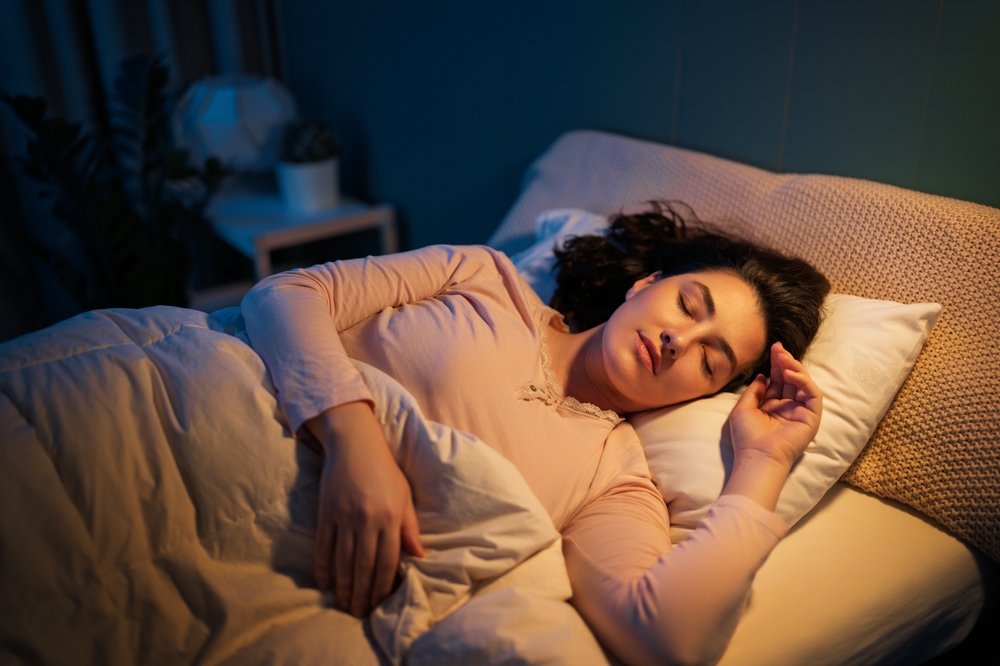
Thousands of Historical Records Describe Two Sleeps
Ekirch’s research uncovered references scattered across centuries and social settings, from personal diaries to legal documents and prayer books. The recurring pattern involved people falling asleep relatively early, waking after several hours, remaining awake for a period, and then returning to bed for a second stretch of sleep. The hours between sleeps had no single universal name, although writers sometimes referred to being “between sleeps.” Francis Bacon used the phrase, while Robert Louis Stevenson later described the experience as a “nightly resurrection.”
What stands out is how little alarm these historical references contain. People did not always describe the waking period as frustrating or unhealthy. It could simply be part of the night. People also used those quiet hours in ways that would seem unusual to someone lying awake with a smartphone today. Historical accounts describe praying, reading by candlelight, tending a fire, smoking, visiting neighbours, having sex, and thinking about dreams. The period could also involve doing very little at all.
For people living before modern lighting transformed the evening, darkness lasted far longer than it does for most people now. Going to bed earlier created enough room for a long night to contain two separate periods of sleep. That historical pattern appears to have remained widespread in parts of the Western world until the changes brought by industrial life and artificial light began reshaping how people spent their evenings and mornings.
Artificial Light Started Reshaping the Night
By 1700, around 50 European cities had introduced tax-supported street lighting, and the change gradually altered what people could do after sunset. Night was no longer a period defined almost entirely by darkness, candles, and the limits of household firelight. Oil lamps became more common, gas lighting arrived, and electricity later made bright evenings possible on a scale previous generations could barely have imagined. The result was a slow but powerful shift in daily behaviour. People could remain active later, work later, socialise later, and eventually entertain themselves long after sunset without needing to rely on daylight.
Light also affects the body’s internal clock. Bright exposure during the evening can delay melatonin and push sleep later into the night. That matters when considering the old two-sleep pattern. Someone who went to bed near eight in the evening and did not need to rise until dawn had a huge stretch of darkness available.
Someone going to bed at eleven may have only seven or eight hours before an alarm clock demands attention. The long night that could once hold a first sleep, a waking period, and a second sleep became compressed. Modern life did not necessarily erase an ancient biological function. It may simply have made the conditions that supported longer, divided nights far less common.
Alarm Clocks and Work Schedules Changed Everything
Artificial light stretched the evening, but industrial society tightened the morning. In 1787, Levi Hutchins built a mechanical alarm clock to wake himself for work, and alarm clocks later became cheaper and more widely available. Factories increasingly required large groups of people to begin work at the same time. Schools adopted more fixed schedules, and compulsory attendance pushed children into a similar rhythm. The clock became one of the most powerful forces shaping modern sleep because waking up was no longer determined mainly by daylight, household routines, or the changing seasons. Millions of people now had to rise at a specific hour whether their bodies were ready or not.
That pressure became so embedded in working life that alarm clocks took on practical importance far beyond the bedroom. During the Second World War, production restrictions affecting emergency alarm clocks were lifted because workers whose clocks had failed were sleeping through shifts. The message was clear: modern society needed people awake together.
Continuous nighttime sleep fit that system perfectly because it created a predictable block between bedtime and a scheduled morning. Eight uninterrupted hours was not simply handed down as an eternal human rule. It became the preferred model within a world increasingly organised around factory shifts, school bells, office hours, transportation schedules, and the mechanical certainty of the clock.
A Dark-Room Experiment Produced a Familiar Pattern
In 1992, Thomas Wehr of the National Institute of Mental Health tested what could happen when modern people were given far more darkness than they usually experience. Healthy volunteers moved from a normal schedule of roughly 16 hours of light into an environment with 14 hours of darkness each night. At first, the participants appeared to catch up on accumulated sleep. Then the shape of their nights began changing. According to the study, their sleep “usually divided into two symmetrical bouts, several hours in duration, with a 1 to 3 hour waking interval between them.” Melatonin secretion also lengthened during the extended darkness.
The experiment became one of the most frequently cited pieces of evidence in discussions about first and second sleep, but its limits are important. It was a small laboratory study involving healthy volunteers, and it cannot prove that all human ancestors slept this way.
Still, it demonstrated that the pattern remains possible for modern people when the night is long enough to hold it. Wehr also observed unusual hormonal patterns during the waking interval. Participants had low cortisol and elevated prolactin, and Wehr described the experience as an “altered state of consciousness not unlike meditation.” That finding does not mean everyone who wakes at 3 a.m. has entered a peaceful hidden state. It does suggest that nighttime wakefulness can take different forms depending on the conditions surrounding it.
Real-World Sleep Research Complicates the Theory
Research from Mandena, a farming village in northeastern Madagascar without electricity, offered another glimpse of how sleep can look outside modern industrial routines. Researchers tracked 21 people across 292 days and found that nighttime sleep lasted about 6.5 hours, while participants also napped on 89% of recorded days. Activity peaked after midnight on 49% of nights, producing a pattern that appeared to echo some historical descriptions of divided sleep. But the findings were far from evidence of a perfect natural routine. Sleep efficiency was recorded at 66%, REM sleep accounted for 14%, and participants spent an average of 162 minutes awake after first falling asleep.
Other research challenges the popular claim that humans everywhere once naturally slept in two clear segments. Jerome Siegel’s research teams studied traditional groups in Tanzania, Namibia, and Bolivia who lived without electric light or modern heating. These groups generally slept around 5.7 to 7.1 continuous hours each night, without a regular midnight waking period. Researchers suggested that the segmented sleep described in Western European history may have been linked partly to geography and long winter nights rather than representing a universal human pattern.
A 2023 paper in Medical History also questioned whether every historical reference to a “first sleep” proves a routine two-part sleeping system. Some accounts may have described insomnia, while others involved prisoners, servants, or sick people rather than typical sleepers. The evidence points toward something real, but far more complicated than the viral claim that everyone used to wake up happily in the middle of every night.
Waking at 3 A.M. Does Not Automatically Mean Disaster
Brief awakenings are already a normal part of sleep. People move through different stages during the night, and many short periods of wakefulness disappear from memory by morning. The problem can begin when someone becomes fully alert and starts monitoring the clock. Suddenly, every minute feels like evidence of tomorrow’s exhaustion. The brain begins calculating how much sleep remains, how tired work will feel, and whether something is seriously wrong. That anxiety can turn a short waking period into a much longer one.
For people struggling with persistent insomnia, cognitive behavioural therapy for insomnia often recommends leaving the bed after around 20 minutes and doing something quiet in dim light before returning when drowsiness returns. Repeated clock-checking can also make the situation worse. A few simple habits may help reduce the pressure:
- Avoid repeatedly checking the time during the night.
- Keep lights dim if you get out of bed.
- Choose a quiet activity rather than scrolling through stimulating content.
- Return to bed when sleepiness starts to return.
- Seek medical advice if nighttime waking becomes frequent or seriously affects daily life.
The historical record does not mean insomnia should be ignored, and it certainly does not prove that broken sleep is healthy for everyone. But it does offer a strange piece of perspective. For some people in earlier centuries, waking in the middle of the night was familiar enough to have a name. They had a first sleep, a stretch of darkness, and then another journey back into sleep.
The Clock May Be Making the Night Worse
Modern sleepers are often taught to see uninterrupted sleep as the only successful outcome. That expectation can make every unexpected waking feel like failure. Yet the history of sleep suggests that human nights have never followed one perfect pattern. Geography, season, artificial light, work schedules, culture, stress, and individual biology all influence how people sleep. Two-part sleep appears to have been common in parts of Western Europe, but research from other communities shows that continuous sleep can also occur without modern electricity.
So if you wake briefly in the middle of the night, the waking itself may not be the moment that ruins your sleep. The real trouble can begin when the glowing numbers on the clock turn a few quiet minutes into a countdown.
Sources:
- Roger Ekirch – Segmented Sleep. (n.d.). https://sites.google.com/vt.edu/roger-ekirch/sleep-research/segmented-sleep
- Worthington, L. (2024, January 4). Is sleeping through the night the ‘right’ way to sleep? Science. https://www.nationalgeographic.com/science/article/polyphasic-biphasic-segmented-sleep
- Petrzela, N. M. (2025, July 29). The modern origins of the 8-Hour sleep Cycle | HISTORY. HISTORY. https://www.history.com/articles/human-sleep-cycle-origins