
Your cart is currently empty!
The World Has Lost Nearly Half of Its Wildlife Populations Over the Last Four Decades
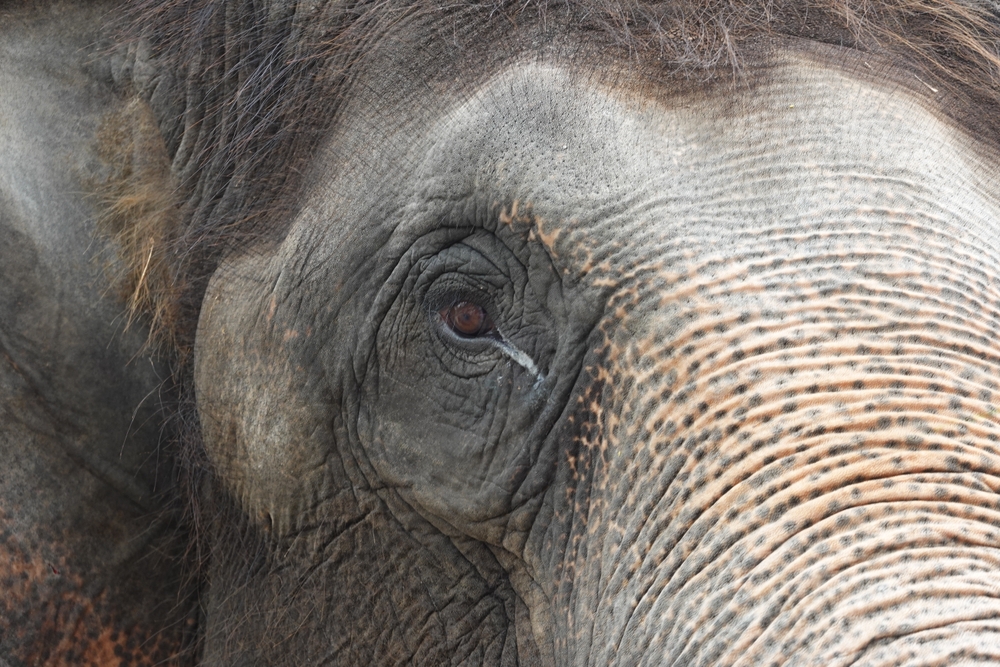
Nature does not just surround us; it sustains us. From the clean air we breathe to the food on our tables and the stability of the climate we depend on, every aspect of human life is tethered to a healthy, functioning natural world. Yet, after five decades of rapid global development, we have pushed our planet to a breaking point, with wildlife populations plummeting by 73% since 1970.
Contents
show
This staggering loss is more than just a tragedy for the animal kingdom; it is a clear diagnostic of a system in peril, signaling that we are fast approaching irreversible tipping points that threaten the very foundation of human health, the global economy, and life as we know it.
The Staggering Scale of Wildlife Loss
Over the past 50 years, the natural world has quietly undergone a devastating transformation. According to the World Wildlife Fund’s (WWF) 2024 Living Planet Report, the average size of monitored global wildlife populations plummeted by 73% between 1970 and 2020.
This data—drawn from nearly 35,000 animal populations—does not just count individual animals lost. It measures how rapidly entire groups of mammals, birds, amphibians, reptiles, and fish are shrinking across the globe.
These numbers represent more than a tragedy for the animal kingdom; they are a vital warning sign for the planet’s overall health. Ecosystems function like complex, interconnected puzzles. When too many pieces disappear, the entire structure becomes fragile and loses its ability to bounce back from external threats.
The fallout from this biological decline directly threatens the clean air, water, and food systems humanity relies upon daily.
“Nature provides the foundation for human health, a stable climate, the world’s economy, and life on earth. A wake-up call that we need to get going, and fast.” — Carter Roberts, President and CEO of WWF-US
Where the Losses Are Most Extreme
While the global average is alarming, looking at the crisis geographically and by habitat reveals where the bleeding is most severe. The devastation is not spread equally; certain areas of the world are experiencing an ecological collapse at an accelerated, terrifying pace.
Latin America and the Caribbean have suffered a staggering 95% drop in monitored wildlife populations over the last half-century. Africa is experiencing a similarly severe decline at 76%, followed by the Asia-Pacific region at 60%. (While North America and Europe show smaller declines of 39% and 35% respectively, experts note this is largely because these regions had already heavily depleted their natural landscapes before the 1970 baseline.)
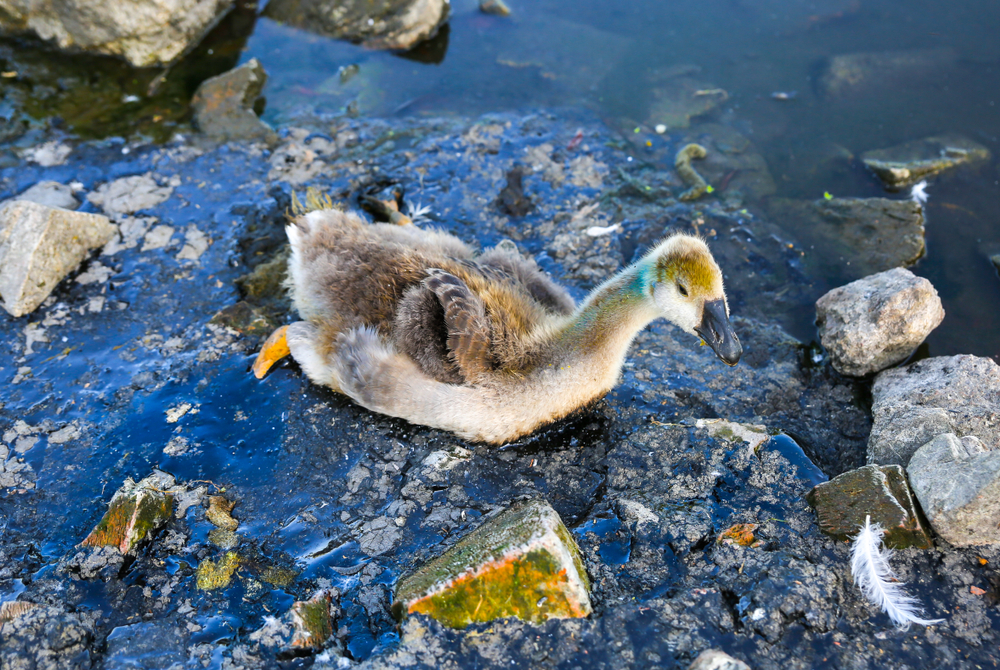
When looking at specific habitats, the crisis in our rivers and lakes stands out the most. Freshwater environments are taking the heaviest hit globally, with an 85% decline in wildlife. These ecosystems are highly vulnerable to dams, pollution, and the altering of natural water flows. For instance, migratory freshwater fish populations—a crucial source of food for millions of people—have decreased by 81% since 1970.
To understand what these percentages mean in the real world, you only have to look to the Amazon. The Amazon pink river dolphin, a highly intelligent and iconic species that serves as a key indicator of river health, saw its population plummet by 65% between 1994 and 2016. Sadly, the trend has only continued; during a period of extreme heat and drought in 2023, over 330 of these dolphins perished in just two lakes.
Our Food System is Failing Nature
When we think about why wildlife is disappearing, it is easy to picture poachers or sprawling megacities. However, the most destructive force acting against nature is something we interact with every single day: our global food system.
According to the Living Planet Report, habitat degradation and loss—driven overwhelmingly by agriculture and food production—is the number one threat to wildlife worldwide.
To understand the sheer scale of the problem, consider the resources required to maintain our current diets. Food production monopolizes 40% of all habitable land on Earth. It also consumes 70% of our global freshwater resources and is responsible for more than a quarter of all greenhouse gas emissions. When ancient forests, grasslands, and wetlands are cleared to make way for crops or livestock grazing, the complex ecosystems that once thrived there are entirely wiped out.
While other threats—such as overfishing, invasive species, disease, and climate change—also play significant roles in the decline of wildlife, none match the expansive, bulldozer-like impact of agricultural expansion.
What makes this ecological cost even more tragic is the staggering inefficiency of the current model. Despite the massive environmental destruction caused by expanding farms and pastures, an estimated 30% to 40% of all food produced globally is wasted and never eaten. We are quite literally destroying the natural world to produce food that ends up rotting in landfills.
Approaching Ecological Tipping Points
Nature operates on a delicate domino effect. A clear example of this is unfolding in the Brazilian Atlantic Forest. When large, fruit-eating animals like tapirs, toucans, and deer are lost to hunting or habitat destruction, the seeds of large hardwood trees are no longer dispersed. As a result, the forest becomes dominated by smaller, softwood trees. Because softwood trees store significantly less carbon, the forest’s ability to act as a climate shield weakens, directly exacerbating global warming.
If this degradation continues, entire regional ecosystems will collapse, sending shockwaves across the globe:
- The Amazon Rainforest: Scientists warn that if just 20% to 25% of the Amazon is deforested, it will reach a tipping point where it can no longer generate its own rainfall. (Currently, an estimated 14% to 17% is already gone). If it crosses this threshold, the lush rainforest will rapidly degrade into a dry savanna, releasing up to 75 billion tons of stored carbon into the atmosphere and permanently altering global weather patterns.
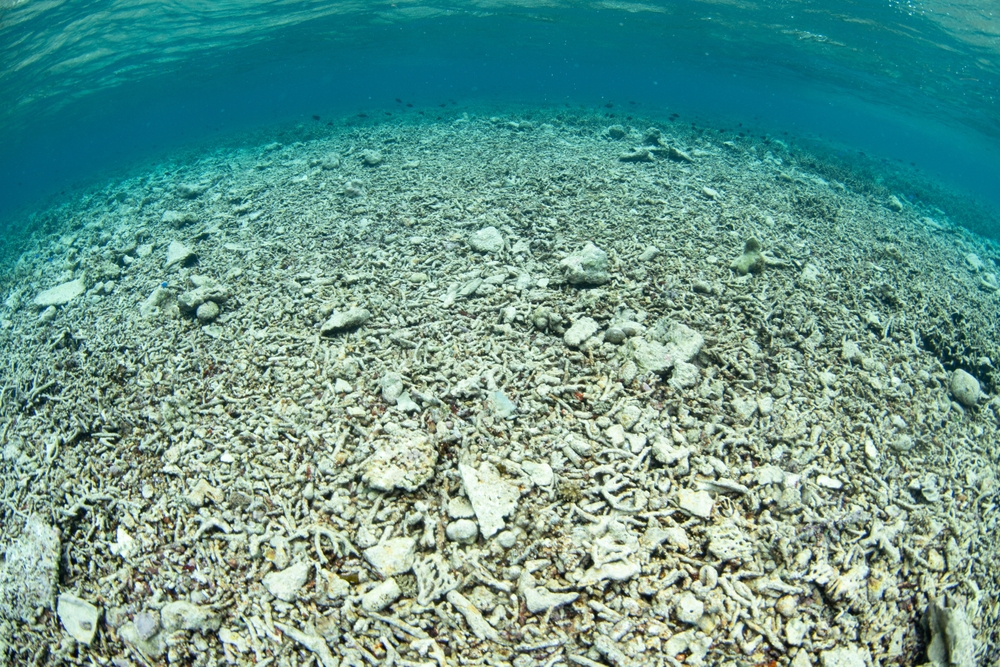
- Coral Reefs: Driven by climate change and ocean warming, coral reefs are facing mass die-offs. The Intergovernmental Panel on Climate Change (IPCC) predicts that even if global warming is limited to 1.5°C, 70% to 90% of all coral reefs will die. This collapse would destroy vital fisheries that feed millions and eliminate the natural oceanic buffers that protect coastal communities from devastating storms and floods.
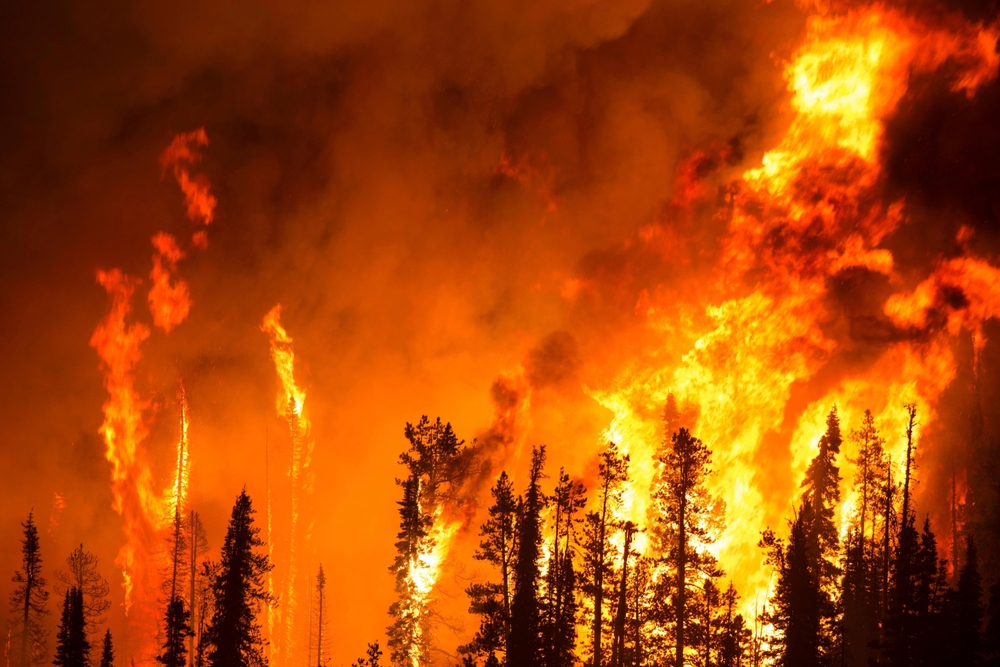
- North American Pine Forests: A combination of drought, ferocious wildfires, and invasive pine bark beetles—all worsened by climate change—is pushing massive swaths of pine forest to a tipping point where they will be permanently replaced by grassland and shrubland, wiping out the ecosystems that once thrived there.
These tipping points prove that wildlife conservation is not just about saving animals for their intrinsic beauty. It is about maintaining the structural integrity of the Earth’s life-support systems. When a regional ecosystem collapses, it takes local economies, food security, and human livelihoods down with it.
The Urgent Call to Protect Our Living World
Nature does not just surround us; it sustains us. From the clean air we breathe to the food on our tables and the stability of the climate we depend on, every aspect of human life is tethered to a healthy, functioning natural world. Yet, after four decades of unchecked growth and consumption, we have pushed our planet to a breaking point. The most recent data reveals a sharp and alarming decline in global wildlife populations, serving as a sobering diagnostic of an Earth that is rapidly losing its resilience.
This is not merely a story of vanishing species, but a warning of a system in peril. As vital ecosystems unravel, we edge closer to dangerous, irreversible tipping points that threaten the foundation of human health, the global economy, and life as we know it. While the scale of this loss is staggering, it is not too late to rewrite the narrative. By understanding the forces driving this crisis and acknowledging our own role in them, we can shift from a path of destruction toward one of restoration, securing a stable future for both humanity and the natural world.