
Your cart is currently empty!
Woman Doing Yard Work Spots a Tiny ‘Owl’ in the Leaves, Then Looks Closer
Erin Sullivan had done this same chore a hundred times before. Watering the plants in her Florida backyard counted as routine, the kind of task that asks for little attention and offers little in the way of surprise, until the afternoon her garden hose led her to something she could not explain. As the stream of water swept across a patch of fallen leaves near one of her trees, a small flicker of motion caught the corner of her eye, so faint that she at first wrote it off as nothing more than sunlight glancing off the wet ground. A second glance told her otherwise, because whatever sat in that leaf litter was moving under its own power, and it had not been there a moment before.
Contents
show
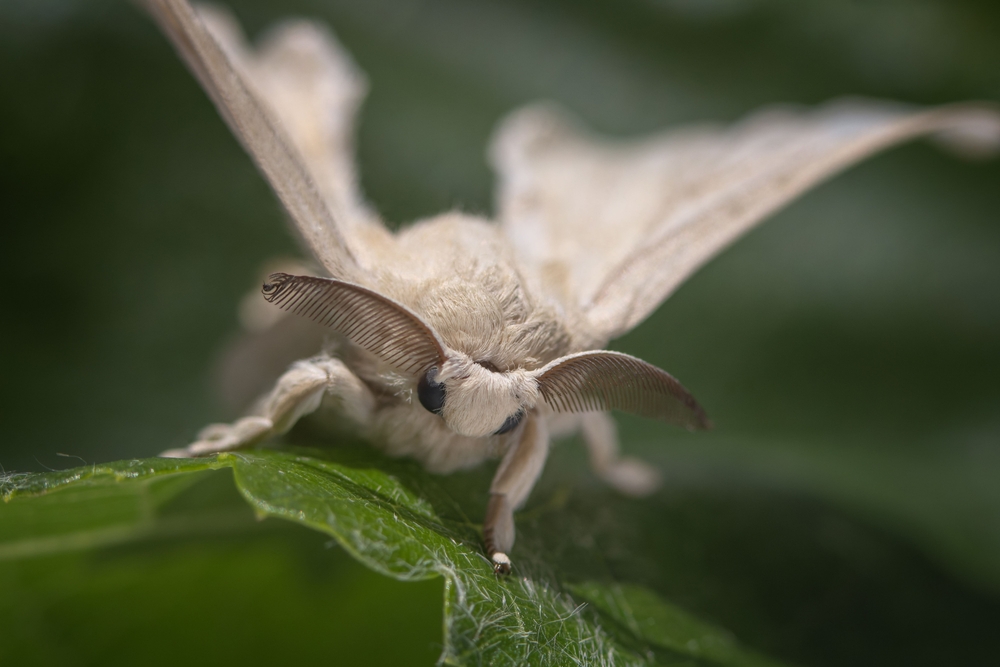
Curiosity got the better of her, so Sullivan crouched down for a closer look, and what she found left her puzzled. Resting among the damp leaves was a creature so small, so pale, and so unlike anything she expected to meet in her own garden that her mind reached for the closest match it could find. By all appearances, the face staring back at her belonged to an animal she knew well, except this version stood barely two inches tall and had no business hiding in a Florida flowerbed.
A Two-Inch Owl That Shouldn’t Exist
View this post on Instagram
What had stopped Sullivan in her tracks looked, for all the world, like an owl. Not a grown owl, of course, but a tiny white miniature no longer than two inches, with a rounded pale body and a scatter of dark markings that together suggested the shape and stare of a small, watchful bird. Sullivan understood how little sense the comparison made, even as she made it. Owls do not come in two-inch sizes, and they do not settle into piles of wet leaves on a warm afternoon to be discovered by someone holding a garden hose. Logic insisted she was looking at something else, and yet the likeness refused to fade, leaving her caught between what she knew and what she saw.
A Closer Look Changes Everything

Once Sullivan let go of the owl in her mind and studied the creature for what it was, the explanation came into focus. Her visitor was a moth, patterned in black and white, with the sort of soft, feathered body that made her first instinct toward a bird forgivable. She slipped her phone from her pocket and braced for disappointment, half expecting the insect to startle at the movement and disappear into the garden the way most small creatures bolt the instant a person leans too close.
Yet the moth had other plans, and rather than fleeing, it lingered on the leaf litter for several minutes, ambling across the uneven ground and lifting and lowering its wings in slow, measured strokes. Sullivan kept the camera steady, surprised and delighted to have found a subject so willing to stay. Even with the truth in front of her, the first impression kept its grip; as she put it, “that moth totally looks like an owl.”
When the Internet Met a Backyard Hedwig
Back inside her home, Sullivan posted the video to her Instagram page, and the response came pouring in. Viewers saw what she had seen, a small animal that seemed to belong in a fairy tale rather than a backyard. A number of them compared the moth to a snowy owl, and several went further and named one in particular: Hedwig, the snowy owl who carries mail and keeps company with Harry Potter across the films. To the crowd watching online, Sullivan’s discovery read less like an insect from the garden and more like a pint-sized Hogwarts resident who had slipped out of the story and into the leaf litter.
An Expert Names the Mystery Visitor
Among the many comments was one from a person well placed to end the guessing. Matthew Nochisaki, an entomologist, had come across the post and knew the insect on sight. He identified her as a female black-etched prominent, a moth named for the fine dark lines etched across its pale wings, and with that single comment, Sullivan at last had a name for the creature in her garden.
Nochisaki went a step further and read the story written in the moth’s behavior. Judging by the way she was acting, he suspected that she had left her larval stage behind only days before, the caterpillar phase from which every moth begins. Those unhurried wing movements that resembled a slow stretch were not idle at all. Nochisaki explained that the moth was warming her wings, working heat into the flight muscles until they could carry her into the air for the very first time. Without realizing it, Sullivan had filmed a creature inside one of the most delicate windows of its entire life, the narrow passage between a crawling youth and a winged adulthood.
A Moth Born Without a Mouth
What Nochisaki shared next pushed the encounter past charming and into something close to astonishing. Black-etched prominents do all of their eating as caterpillars, taking in every bit of nourishment they will ever use during that early, hungry stretch of life. By the time one of them grows into a winged adult, its eating days are behind it for good, and so the adult carries no mouth whatsoever. That detail, strange as it sounds, accounts for the tiny, near-blank face that had charmed Sullivan and her followers from the start. A creature with nothing to eat has no use for a mouth, and what nature leaves in its place is the soft, round, owlish little face that sets the whole story in motion.
Adulthood for a moth like this is brief and pointed. Freed from any need to feed, the grown insect spends its short remaining time on one task, finding a mate and securing the next generation before its days run out. Everything that looked, to Sullivan, like a peaceful little owl resting in the leaves was in fact a moth racing against a very short clock.
Meet the Prominent Moths
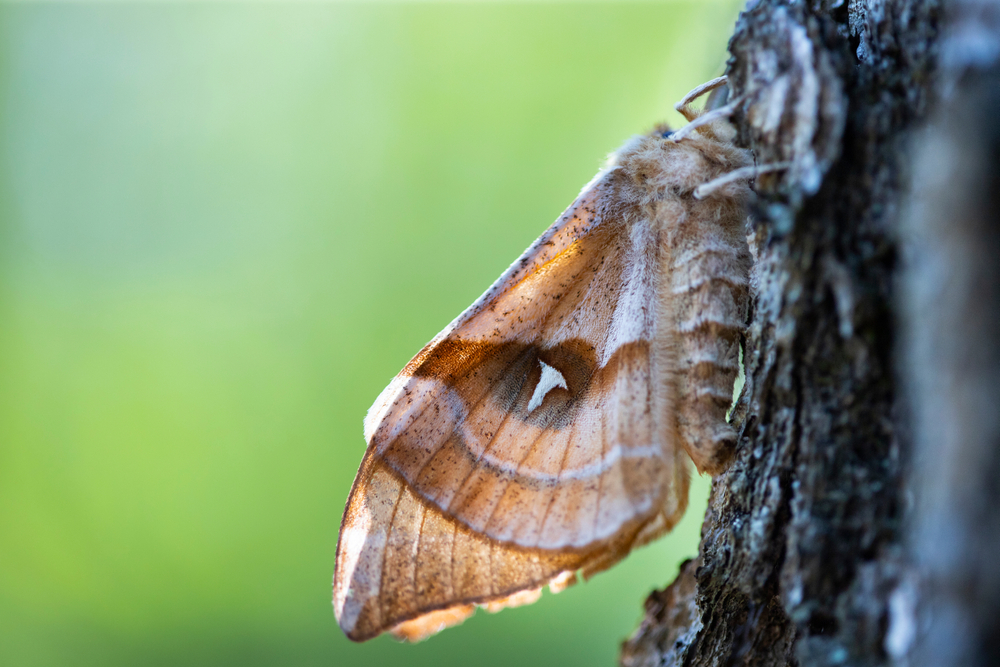
Black-etched prominents belong to a family of moths known as Notodontidae, or the prominent moths. Found in North America, the species tends to pass through the world unnoticed, in part because many of its relatives keep to the night and spend their daylight hours at rest, pressed against bark or tucked into leaf litter much the way Sullivan’s moth settled into her garden floor. Their caterpillars tend to attract more attention than the adults do, since the larvae feed on tree leaves in the open and can sport unusual shapes and striking patterns. By the time these moths reach the winged form that Sullivan happened upon, they have already swapped the long, slow work of eating for the brief, single-minded adulthood that defines them.
Night-Flying Pollinators We Tend to Ignore
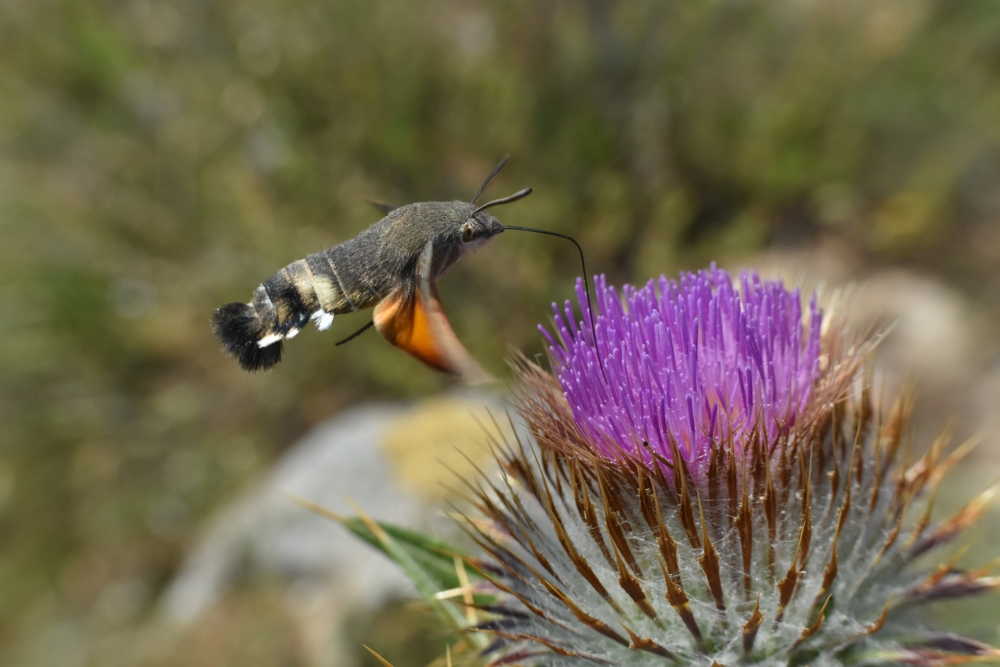
Sullivan’s chance meeting also points to a part of nature that most people walk right past. Moths are far more than the plain, nighttime counterparts of butterflies, because they do real ecological work as pollinators, ferrying pollen from one bloom to the next as they travel through the dark. Bees collect most of the public credit for that service, and they have earned it, yet they are not the only insects keeping plants in business. Moths shoulder a real portion of the load, much of it carried out after sunset and away from any audience, which may be the simplest reason so few people stop to consider them. As Sullivan sees it, every pollinator counts, and moths deserve a spot in that conversation right beside the bees.
A New Way of Seeing the Backyard

Weeks on from that afternoon, the memory has reshaped the way Sullivan moves through her own backyard. A chore she once carried out on autopilot now comes paired with a habit of slowing down and looking closer, of scanning the leaf piles and the low branches for anything small enough to slip by. She went looking for nothing in particular and came away with a two-inch owl that turned out to be a mouthless moth warming its wings for a maiden flight, and the wonder of it has stayed with her. Her garden, as it happens, was never quite as ordinary as it appeared, and the same may well be true of any backyard, for anyone willing to crouch down and pay attention.