
Your cart is currently empty!
Young Girl’s Response to Being Told “We Don’t Even Like You” Is a Lesson in Self-Worth

It is a situation most parents quietly worry about long before it actually happens. Children are still learning how to communicate, how to express emotions, and how to include others, which means that unkind words can sometimes come out without fully understanding their impact. For a parent, hearing that your child has been on the receiving end of those words can feel deeply personal. It brings up questions about how your child will process it, whether it will affect their confidence, and how much influence a single moment might have on the way they see themselves moving forward in their friendships and social life.
Contents
show
That is why this particular story has struck such a strong chord with people. A mother shared that her young daughter had been told, “We don’t even like you,” which is the kind of statement that can linger in a child’s mind far longer than intended. But instead of reacting with sadness or trying to win approval, the girl responded in a way that felt calm, grounded, and surprisingly self-assured. It was not dramatic or attention-seeking, but it revealed something powerful about what happens when a child has already built a strong sense of who they are from within.
A Situation Many Families Recognize
When Maren Droubay found out what had happened, it was not something she could simply ignore or brush aside. Any parent hearing that their child has been excluded or spoken to harshly would likely feel a mix of concern and protectiveness, especially knowing how sensitive those early years can be. Even short comments, when delivered at the wrong time, can stay with children and shape how they approach friendships or how comfortable they feel in social settings. These are the moments that often matter more than they appear on the surface.
The words “We don’t even like you” may seem brief, but they carry a direct sense of rejection that children can easily internalize if they are not equipped to process it. A child might begin to question what they did wrong, whether they need to change something about themselves, or if they somehow deserve to be treated that way. These kinds of thoughts can quietly take root, which is why moments like this are often seen as important turning points in emotional development.
What makes this situation stand out is not the comment itself, but how it was handled in the moment. Instead of absorbing the negativity or letting it shape her feelings, Emmie responded from a place of self-understanding. That difference turned what could have been a hurtful memory into something entirely different, something that people are now looking at as an example of resilience rather than vulnerability.

Image via marendroubay
The Response That Caught Everyone’s Attention
In the video shared by her mother, Emmie stood holding a princess wand and spoke with a calm and steady tone that immediately captured attention. She said, “Well, guess what? My family thinks I’m a princess, and I’m super kind and nice…If you don’t think that, that’s okay because that’s what I think of myself, and that’s who I actually am…I know who I am.” Her words were simple, but the meaning behind them carried a level of confidence that felt far beyond her years.
There was no sign of anger, frustration, or the need to argue back. She did not try to convince the other girls to change their minds or seek their approval in any way. Instead, she focused entirely on how she sees herself, making it clear that her identity is not dependent on someone else’s opinion. That quiet certainty is what made the moment feel so powerful to so many people watching.
What stood out most was how natural her response seemed. It did not come across as rehearsed or coached, but rather as something she truly believed. It reflected a child who has consistently been told she is valued, kind, and worthy, and who has internalized those messages enough to rely on them in a difficult moment. That kind of self-assurance is something many people spend years trying to build.
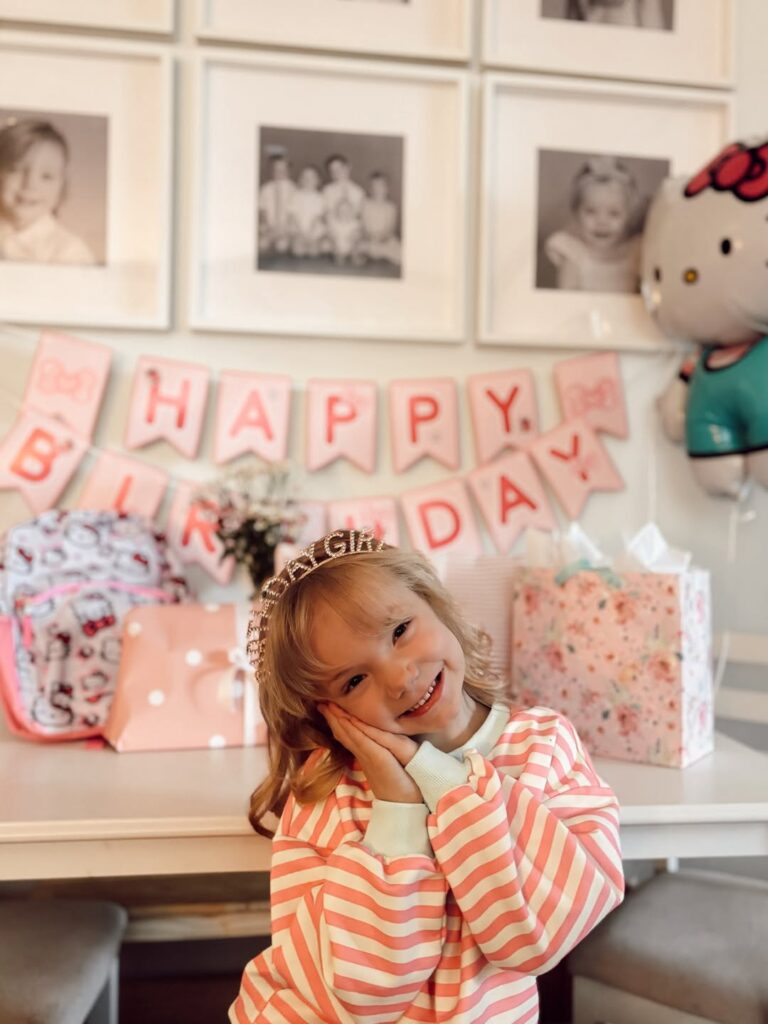
Image via marendroubay
Why So Many People Related to It
After the video was shared online, the response from viewers was immediate and deeply emotional. Many people expressed admiration for the confidence Emmie displayed, noting how rare it is to see such a strong sense of self in someone so young. Others focused on what they believed made that response possible, pointing toward the role of consistent support and encouragement in a child’s life.
One viewer wrote, “That is the product of some A-plus parenting and a village that has poured confidence into this babygirl. May we see more of this in our kids. All of our kids,” while another commented, “Wouldn’t it be amazing if all parents talked to their children like this and they all thought they were super nice and kind. Good job, she is a sweet little princess! ” These reactions showed that people were not just impressed, but also reflective about what this kind of confidence means and how it can be nurtured.
The story also caused many to think back on their own childhood experiences, with some sharing that they wished they had responded with similar confidence when faced with rejection. Others saw it as a reminder of how important it is to create environments where children feel valued and secure. It turned a simple moment into something that resonated on a much broader level.
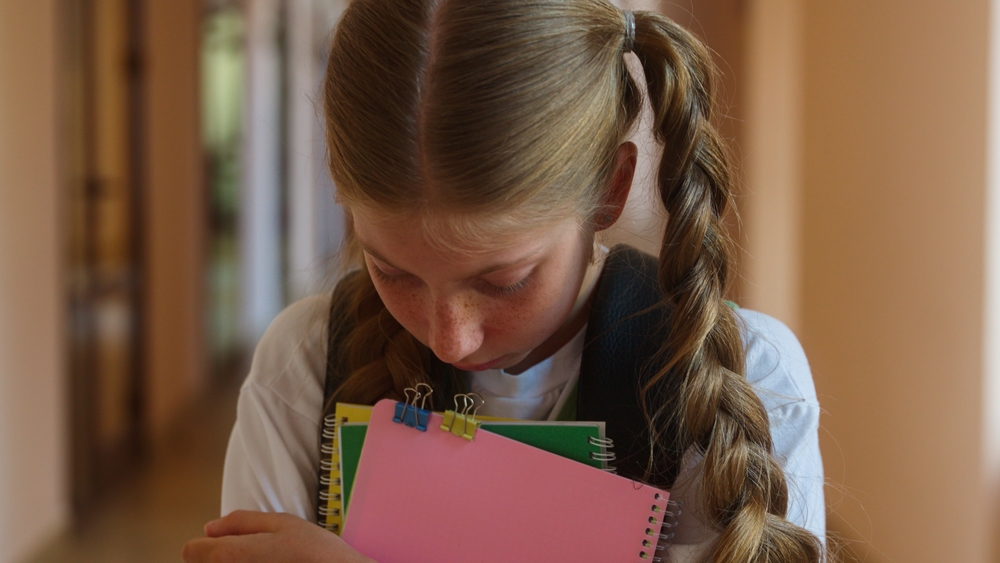
The Parenting Behind the Confidence
Maren Droubay explained that while her daughter has always shown a naturally confident personality, she has also made a conscious effort to support and nurture that confidence through her parenting approach. She shared, “One thing I learned in college that really impacted me is that children form their sense of self in the first five years of life,” and this understanding has shaped how she interacts with her children on a daily basis.
Her focus has been on creating an environment where her children feel consistently loved and reassured, not just during big moments, but through everyday conversations and interactions. By speaking to them with kindness and reinforcing positive qualities, she has helped build a foundation that allows them to feel secure in who they are. This kind of approach does not rely on occasional praise, but on steady and intentional communication over time.
She also mentioned a guiding phrase that has become part of their home life, saying, “We love the new Cinderella and so ‘have courage and be kind’ has been a repeated phrase for me with my children.” This reflects a balance between confidence and compassion, showing that self-assurance does not have to come at the expense of kindness toward others.

What Experts Say About Building Self-Worth
Parenting educator Samantha Moe has explained that words of affirmation play a significant role in shaping how children see themselves as they grow. When children hear consistent messages that they are kind, capable, and valued, those ideas begin to form the foundation of their identity. Over time, this can help them approach challenges with a stronger sense of confidence and emotional stability.
At the same time, some parents express concern about whether too much praise might lead children to depend on validation from others. It is a common question, especially in a world where external approval can feel amplified. However, many experts suggest that the focus should not be on the amount of praise, but on its authenticity and intention.
Simple and genuine expressions of love, such as regularly saying “I love you,” can help build a stable emotional base without creating dependency. The goal is to help children internalize their worth so that it does not rely solely on external opinions. This kind of internal confidence is what allows children to navigate difficult situations with greater ease.

A Thoughtful Way of Handling the Situation
Another important part of this story is how Droubay chose to handle the situation beyond the initial moment. Instead of reacting with anger or placing blame, she approached the situation calmly and chose to communicate with the other girls’ parents. She later shared that everything had been resolved, showing that these situations can be addressed constructively.
Her perspective was clear when she said, “Little girls are just kids! Not every kid has the tools to be kind and is still learning. Every parent is doing their absolute best.” This way of thinking shifts the focus away from punishment and toward understanding, recognizing that children are still in the process of learning how to interact with others.
It also highlights the importance of giving children room to grow and learn from their mistakes. When situations are handled with patience and communication, they become opportunities for development rather than lasting conflict. This approach benefits not just one child, but everyone involved.
The Impact That Spread Beyond One Moment
What began as a single interaction between children quickly reached a much wider audience after the video was shared. People connected with the message behind it, and the response it generated showed how meaningful such moments can be. After seeing how many people were touched by her words, Emmie reportedly experienced an emotional reaction and had what her mother described as happy tears.
This response highlights how even small moments can carry a larger impact when they reflect something genuine and relatable. It also shows that children are capable of understanding and appreciating the effect their actions can have on others, especially when those actions come from a place of confidence and kindness.
The story has encouraged many parents to reflect on their own communication styles and the messages they reinforce at home. It serves as a reminder that confidence is not built overnight, but through repeated experiences of being supported, valued, and understood.
A Simple Message That Stays With You
At the center of this story is a message that feels both simple and lasting. Knowing who you are makes it easier to face situations where others may not accept or understand you. It does not remove the challenge, but it changes how you experience it and how much power those moments have over you.
Emmie’s words, “I know who I am,” capture that idea in a way that feels clear and direct. They show that confidence is not about proving others wrong or seeking approval, but about having a steady sense of self that remains unchanged even when opinions around you differ.
For parents and caregivers, this story offers a meaningful reminder that everyday words and actions matter more than we often realize. The way children are spoken to, encouraged, and supported shapes how they see themselves over time. Those small, consistent efforts can lead to moments like this, where a child responds not with doubt, but with quiet and lasting confidence.