
Your cart is currently empty!
Zohran Mamdani From Disney Extra to New York City Mayor
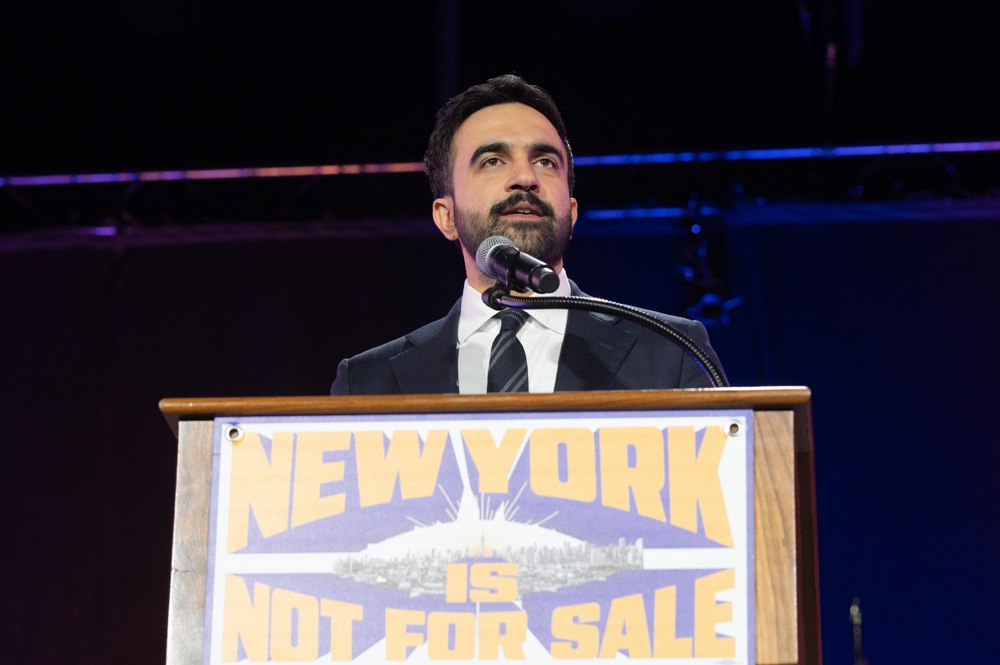
Before Zohran Mamdani became the first Muslim and South Asian mayor of New York City, he was known in a very different world. Long before the campaign speeches and policy debates, Mamdani had a brief but fascinating life in the entertainment industry. His journey from a small acting credit in a Disney movie to the highest office in America’s largest city is the kind of transformation that feels almost cinematic in itself.
Contents
show
But as social media has recently discovered, this 34-year-old politician’s path to power was paved with more than political ambition. It was shaped by film sets, music videos, and a deep family connection to art and storytelling.
A Mayor with a Movie Credit
It all started with a revelation that sent social media users digging into Mamdani’s IMDb page. Nine years ago, in 2016, Mamdani appeared in Disney’s “Queen of Katwe,” a film directed by his mother, the acclaimed Indian-American filmmaker Mira Nair. The movie told the true story of Phiona Mutesi, a Ugandan chess prodigy who rose from poverty to international fame. While Lupita Nyong’o and David Oyelowo carried the lead roles, sharp-eyed viewers now realize that a young man credited as “Bookie Student” was none other than New York’s future mayor.
Mamdani’s role was small, but his involvement in the film was much larger behind the scenes. He served as the movie’s third assistant director and as music supervisor, helping to shape the sound and feel of the project. As if that weren’t enough, he also performed a song for the soundtrack titled “#1 Spice,” under his rap name Young Cardamom. The track, recorded alongside his mother’s longtime collaborators, mixed humor, rhythm, and East African beats. In the music video, Mamdani appeared alongside Nyong’o, dancing through Kampala’s bustling streets.
It might sound like an unlikely prelude to a mayoral career, but for Mamdani, creativity has always been political. His ability to communicate through rhythm and narrative carried easily from music to activism to the podium.
The Influence of Mira Nair
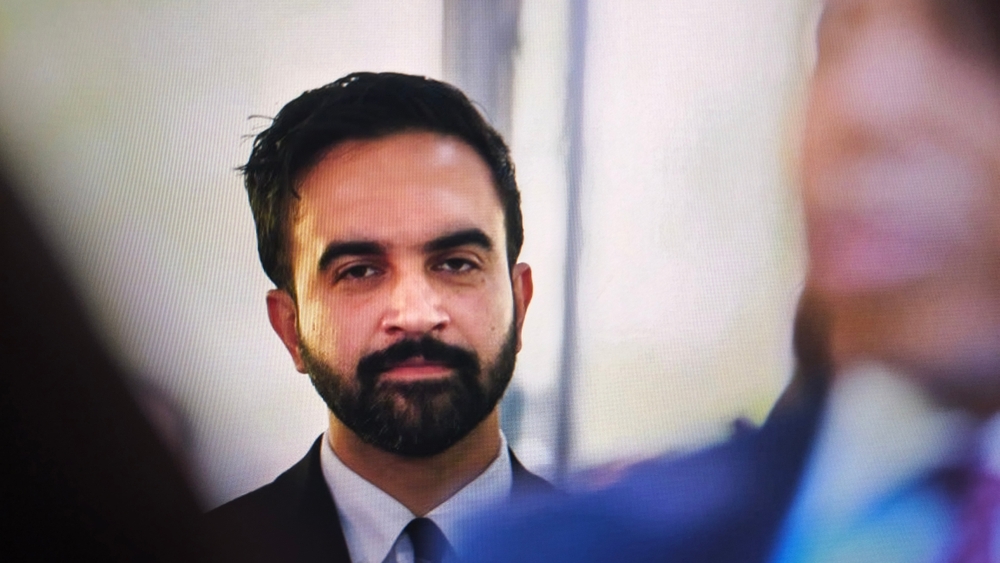
Zohran Mamdani’s artistic roots run deep. His mother, Mira Nair, is one of India’s most respected filmmakers. Her films such as “Monsoon Wedding,” “Salaam Bombay!” and “The Namesake” have earned international acclaim for their vivid portrayals of migration, identity, and belonging. Nair’s work has always walked a delicate line between personal storytelling and political commentary, something her son seems to have absorbed completely.
Nair has long been a fixture in both Indian and American cinema, winning the Golden Lion at the Venice Film Festival and an Academy Award nomination early in her career. But few knew that her son would follow her onto film sets before entering politics.
Interestingly, Zohran’s influence on his mother’s career went beyond casual inspiration. In a 2018 interview, Nair revealed that she had once turned down a chance to direct “Harry Potter and the Order of the Phoenix.” The reason, she said, was her son. Mamdani, then a teenager, advised her to pass on the project and instead make “The Namesake,” a story about Indian immigrants in America based on Jhumpa Lahiri’s novel. “He said to me, ‘Mama, many good directors can make Harry Potter, but only you can make The Namesake,’” Nair recalled. That single conversation helped shape a modern classic and showed an early glimpse of the conviction and vision her son would later bring to public life.
From Kampala to Queens to City Hall
Born in Uganda and raised in Queens, New York, Mamdani’s biography reads like a global story. His father, Mahmood Mamdani, is a Ugandan-born scholar and professor at Columbia University, widely regarded for his writings on colonialism and political identity. The family’s journey, from being expelled by dictator Idi Amin to becoming intellectual leaders in New York, gave Zohran a grounded understanding of migration, resilience, and social justice.
Before becoming mayor, Mamdani served as a state assemblyman representing Astoria. There, he made headlines for his democratic socialist platform, advocating for affordable housing, free public transit, and higher taxes on the city’s wealthiest residents. His proposals earned him both devoted supporters and powerful enemies.
When he ran for mayor, few expected him to beat seasoned rivals like former governor Andrew Cuomo and Republican candidate Curtis Sliwa. Yet on November 4, Mamdani won the race with 50.4 percent of the vote, becoming New York’s youngest mayor in over a century. His victory speech, given in Brooklyn before a crowd of cheering supporters, blended the cadence of a rapper with the confidence of a reformer.
“This is not only how we stop Trump,” he declared. “It’s how we stop the next one. So, Donald Trump, since I know you’re watching, I have four words for you: Turn the volume up.”
Trump’s Threats and Wall Street’s Worries

Not everyone celebrated Mamdani’s win. In the weeks before the election, former president Donald Trump posted on Truth Social that if Mamdani, whom he called the “Communist Candidate,” won the mayoral race, federal funding for New York would be “highly unlikely” to continue beyond the legal minimum. The post sparked outrage but also drew attention to Mamdani’s willingness to defy establishment pressure.
In his victory speech, Mamdani addressed Trump directly, using his trademark humor and defiance to flip the narrative. His statement wasn’t just political theater; it reflected a generational shift. For many young voters, his confidence and refusal to play by traditional rules represented a break from politics as usual.
Meanwhile, Wall Street’s reaction was more cautious. Mamdani’s proposals for a two percent tax increase on high earners made corporate leaders nervous, with some hinting they might reconsider investing in the city. Rapper and entrepreneur 50 Cent voiced his frustration on Instagram, posting an AI-generated gravestone labeled “RIP NYC,” in protest of the tax plan. But Mamdani stood firm, arguing that a city as wealthy as New York could afford to invest more in its working class.
“The question isn’t whether we can afford to feed our people,” he told reporters after his win. “It’s whether we can afford not to.”
The Showbiz Connection and Hollywood’s Hope

While politics dominates Mamdani’s headlines now, his background in film and music has led many in the entertainment industry to wonder if his election might bring renewed support for New York’s film and television sector.
The city’s production scene has struggled since the pandemic and the 2023 Hollywood strikes. Although film permits rebounded in late 2025, the recovery has been uneven. According to data from the Mayor’s Office of Media & Entertainment, permit volume dropped five percent in the third quarter compared to the previous year, but the number of projects rose thirteen percent. Production insiders interpret this as cautious optimism, suggesting that studios are returning but with tighter budgets and better coordination.
New York’s film industry has long relied on state tax incentives to compete with cheaper locations in New Jersey and Canada. Governor Kathy Hochul expanded the state’s film tax credit earlier this year, and producers are hopeful that Mamdani’s administration will build on that momentum. Many cite his mother’s influence and his creative background as reasons to expect a mayor who understands the cultural and economic value of filmmaking.
“He comes from a family that has lived and breathed independent cinema,” one local producer told Deadline. “That gives us hope. Maybe he’ll approach the industry as more than a budget line.”
Still, Mamdani has yet to outline specific plans for supporting the entertainment sector. His campaign largely focused on affordability, housing, and transit, leaving many industry figures wondering what role film and media will play in his vision for the city. For now, optimism remains cautious.
Art Meets Politics

Mamdani’s rise also invites reflection on how art and politics intersect. He embodies a rare combination: a politician fluent in both policy and pop culture. His rap videos, once a creative outlet, are now political relics being rediscovered online. Songs like “Nani,” a playful tribute to his grandmother, have gone viral again, reminding people that behind the mayor’s measured speeches lies a creative streak that thrives on humor and heart.
Some analysts suggest that Mamdani’s artistic background could become a strength in governance. His campaign’s social media presence was both strategic and authentic, combining polished messaging with genuine personality. Unlike many politicians, he seemed comfortable in front of the camera, not because of training, but because he grew up around it.
“He’s not performing,” one campaign staffer said. “He’s communicating. That’s what he’s always done.”
Challenges Ahead
Despite his charisma and cultural cachet, Mamdani faces enormous challenges. The city’s housing crisis has deepened, public transit remains underfunded, and tensions with Washington could test his leadership early. Trump’s threats to cut federal funding, if acted upon, would put pressure on essential city services. And his tax proposals, while popular among progressives, are certain to face resistance from business leaders and conservative lawmakers.
His ability to bridge these divides will determine whether his administration becomes a transformative chapter in New York’s history or a brief experiment in idealism. For now, his supporters see him as part of a broader wave of young, diverse leaders reshaping American politics from the ground up.
A New Kind of New Yorker
When Mira Nair appeared onstage at her son’s victory party, the symbolism was hard to miss. A mother who spent her life telling stories about identity and belonging watched her son take charge of the city that had given their family a new home. It was the culmination of a shared journey from the slums of Kampala to the heart of global power.
Zohran Mamdani’s story, from film sets to City Hall, suggests that leadership in the 21st century might look different than it used to. It may no longer belong solely to lawyers or financiers but to storytellers and cultural bridge-builders who understand that power, like art, depends on connection.
As he prepares to take office on New Year’s Eve, Mamdani carries both the hopes of his supporters and the weight of enormous expectations. Whether he becomes a reformer, a cultural champion, or simply another politician will depend on how he balances the creative instincts of his youth with the pragmatic demands of governance.
What’s clear is that the man once known as Young Cardamom has already changed the conversation about what kind of person can lead America’s biggest city. And as his old song “#1 Spice” resurfaces online, New Yorkers can’t help but smile at the irony: their mayor was once a rapper in a Disney movie, but now, he’s composing a far more complicated story for the city that never sleeps.
From Screen to Skyline
There is something poetic about a mayor who once played a bit part in a movie about triumph against the odds. Zohran Mamdani’s life mirrors the arc of that story. He rose from the margins, fought skepticism, and redefined what leadership can look like. His background, spanning continents and cultures, offers a reminder that politics, like cinema, is a form of storytelling. It asks people to imagine a future together.
As New Yorkers settle into this new chapter, the question isn’t whether Mamdani can live up to his hype. It’s whether he can channel the same vision and courage that once made him tell his mother to follow her heart instead of Hollywood. If he can, then the city that gave him a stage might just find itself with a leader who knows how to turn stories into action.