
Your cart is currently empty!
New Federal Dietary Guidelines Challenge Decades of Nutrition Advice

For more than half a century, Americans have been taught a familiar nutritional lesson. Build meals around grains, limit fats, go easy on red meat, and treat butter and whole milk with caution. That guidance shaped not only personal eating habits, but also school lunches, military meals, hospital menus, and federal food assistance programs. Nutrition advice became deeply embedded in American life, reinforced by colorful charts hanging in classrooms and public health offices.
Contents
show
Now, the federal government is signaling a dramatic change. Under the Trump administration, new Dietary Guidelines for Americans are reframing what healthy eating looks like in the United States. Officials describe the shift as turning the food pyramid upside down, prioritizing protein, full-fat dairy, vegetables, fruits, and healthy fats while pushing refined grains, added sugars, and ultra-processed foods to the margins.
Supporters say the changes reflect long overdue realism about diet and chronic disease in a country facing record levels of obesity, diabetes, and metabolic illness. Critics argue the guidance risks confusing the public, favoring powerful industries, and downplaying environmental and equity concerns. Either way, the new guidelines represent one of the most consequential nutrition policy moves in decades, with implications far beyond the dinner table.
A New Vision for How Americans Should Eat
The updated Dietary Guidelines for Americans for 2025 through 2030 were unveiled jointly by the Department of Health and Human Services and the Department of Agriculture. Administration officials described the release as the most significant reset of federal nutrition policy in generations, both in tone and in substance.
At the center of the change is a reimagined food pyramid, now inverted from its traditional structure. For decades, bread, rice, pasta, and cereals formed the base of official dietary advice. In the new framework, those foods occupy a narrower role, while foods described as nutrient-dense and metabolically supportive take center stage.
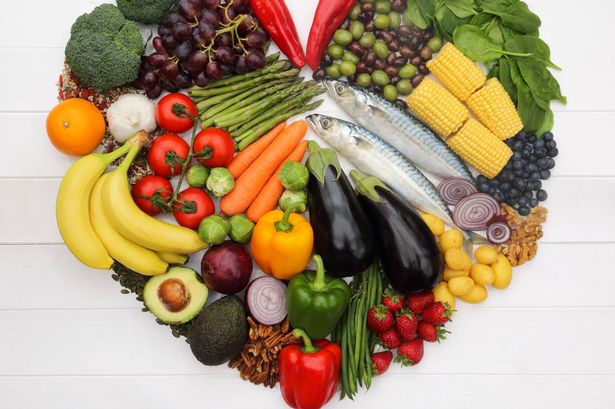
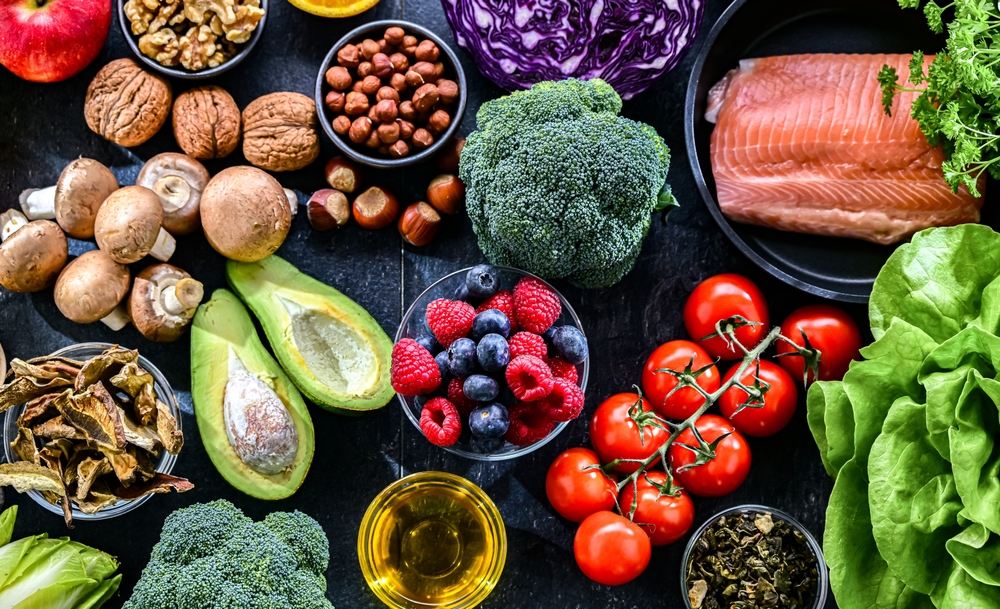
The revised guidance encourages Americans to focus primarily on protein sources such as meat, poultry, seafood, eggs, and beans. Full-fat dairy products without added sugars are explicitly endorsed. Vegetables and fruits are recommended throughout the day, with an emphasis on whole, minimally processed forms. Healthy fats from whole foods such as olive oil, nuts, seeds, avocados, butter, and animal fats are highlighted as essential rather than harmful. Whole grains remain part of the picture, but in moderation, with a sharp warning against refined carbohydrates.
Foods discouraged under the new framework include sugar-sweetened beverages, refined grains like white bread and crackers, packaged snacks, fast food, and ready-to-eat meals high in additives, sodium, and added sugars. Ultra-processed foods are repeatedly identified as a primary contributor to chronic disease.
Federal officials argue this shift reflects modern nutrition science and responds directly to decades of rising metabolic illness. They contend that earlier guidance focused too narrowly on single nutrients, particularly fat, while failing to account for the broader health effects of highly processed foods.
The Political Philosophy Behind the Plate

Health and Human Services Secretary Robert F. Kennedy Jr. has become the most visible and outspoken champion of the new dietary framework. Since joining the Trump administration after endorsing Trump during the 2024 election, Kennedy has framed nutrition as both a public health emergency and a matter of national security.
At the White House briefing announcing the guidelines, Kennedy declared an end to what he described as the war on saturated fats. At the same time, he announced a renewed government offensive against added sugar and ultra-processed foods. He argued that past dietary advice unfairly demonized traditional foods while allowing sugar-heavy industrial products to dominate the American food supply.
Kennedy’s rhetoric reflects a broader political worldview centered on skepticism toward entrenched institutions and corporate influence. He has repeatedly claimed that earlier dietary guidelines were shaped by profit-driven interests rather than public health, though he has not named specific companies or industries.
The administration’s philosophy is straightforward. Food, not pharmaceuticals, should be the foundation of health. Officials argue that a nation dependent on medication to manage diet-related illness is a nation failing at prevention. The new guidelines are framed as a return to common sense eating rooted in whole foods rather than engineered products.
Why These Guidelines Matter in Daily Life
Dietary guidelines are often misunderstood as optional lifestyle advice. In reality, they have enormous practical consequences. Federal nutrition guidance directly shapes what millions of Americans eat every day through publicly funded programs.
The new guidelines will influence meals served in public schools, military bases, Veterans Affairs hospitals, federal prisons, and other government facilities. More than 100 federal feeding programs across multiple agencies rely on these standards when designing menus and purchasing food.
Although programs such as the Supplemental Nutrition Assistance Program are overseen by Congress and will not automatically change, administration officials say the new framework will become the reference point for future policy decisions, pilot programs, and procurement standards.
Officials justify the urgency of the shift with stark statistics. More than 70 percent of American adults are overweight or obese. Nearly one in three adolescents has prediabetes. Diet-related chronic diseases are estimated to cost taxpayers around 600 billion dollars each year in direct healthcare expenses.
Administration leaders also emphasize the overlap between nutrition programs and healthcare spending. A large majority of SNAP participants are also enrolled in Medicaid. Officials argue that improving diet quality could reduce long-term healthcare costs while improving quality of life for millions of Americans.
Support From Medical and Wellness Communities

The new guidelines have received praise from several prominent medical organizations and health leaders. The American Medical Association welcomed the emphasis on reducing sugar-sweetened beverages, excess sodium, and ultra-processed foods, stating that the guidance reinforces the concept that food plays a central role in preventing and managing chronic disease.
Some physicians argue that discouraging ultra-processed foods represents a major step forward, given mounting evidence linking these products to obesity, diabetes, cardiovascular disease, and other chronic conditions. Research increasingly suggests that ultra-processed foods encourage overeating and disrupt metabolic health.
Supporters also point to the flexibility of the new framework. Rather than prescribing rigid meal plans or calorie targets, the guidelines encourage Americans to prioritize real foods while adjusting portions based on age, body size, activity level, and individual health needs.
For advocates of protein-focused diets, the federal endorsement represents a cultural shift. Protein, once treated primarily as something to limit, is now framed as essential for satiety, muscle maintenance, metabolic health, and healthy aging. Supporters argue this is especially important for older adults at risk of muscle loss and frailty.
Expert Concerns and Scientific Pushback

Despite the praise, many nutrition experts remain deeply skeptical. Critics argue the guidelines contain internal contradictions that could confuse consumers and undermine public trust in nutrition science.
One of the most common concerns involves saturated fat. While administration officials have spoken forcefully about ending the war on saturated fats, the guidelines themselves maintain the long-standing recommendation that no more than 10 percent of daily calories should come from saturated fat.
Nutrition researchers note that meat and full-fat dairy products are the primary sources of saturated fat in American diets. Encouraging greater consumption of these foods while maintaining the same saturated fat cap may prove difficult in practice, particularly for people who do not carefully track intake.
Other experts question the emphasis on protein itself. They argue that most Americans already consume more protein than necessary for health. From this perspective, encouraging additional protein intake risks increasing total calorie consumption without clear benefits.
Some critics also point to reduced numerical emphasis on fruits, vegetables, and whole grains compared with earlier guidelines. Although these foods are still recommended, the specific serving targets are lower, raising concerns about fiber intake and micronutrient adequacy.
Climate and Sustainability Questions
Beyond human health, the new dietary framework has reignited debate about sustainability and climate change. Livestock production, particularly beef and dairy, is among the most resource-intensive sectors of the global food system.
Environmental advocates argue that increasing meat and dairy consumption runs counter to efforts to reduce greenhouse gas emissions, protect water resources, and limit deforestation. From this perspective, federal endorsement of animal-heavy diets could undermine climate goals and worsen environmental pressures.
Critics also note that previous dietary guidance increasingly considered sustainability as part of public health. They argue that ignoring environmental impacts creates long-term risks that ultimately affect human health through climate instability and food insecurity.
Administration officials have largely avoided engaging directly with these concerns. Instead, they emphasize domestic agriculture, food affordability, and chronic disease reduction. Supporters argue that strengthening demand for American-grown foods supports farmers and ranchers while reducing reliance on imported, ultra-processed products.
Industry Reaction and Economic Implications

Food industry reactions to the new guidelines have been sharply divided. Dairy and livestock groups have welcomed the shift, describing it as a victory for consumer choice and a recognition of the nutritional value of traditional foods.
Agricultural organizations emphasize that federal food purchasing has enormous economic influence. When schools, military bases, and federal institutions change what they buy, markets respond. Supporters argue the new guidelines could strengthen rural economies and stabilize domestic food production.
Health advocacy groups see the picture differently. Some argue the guidance reflects industry influence, particularly from meat and dairy producers. They contend that decades of epidemiological research still support limiting red meat and saturated fat intake to reduce cardiovascular risk.
Ultra-processed food manufacturers face a more uncertain future. The guidelines repeatedly criticize products high in added sugars, refined grains, and artificial additives. While no immediate regulations accompany the guidance, critics of ultra-processed foods see it as a signal of potential future policy changes.
What Stayed the Same Beneath the Rhetoric
Despite the dramatic language surrounding the announcement, several core elements of federal nutrition advice remain unchanged. Saturated fat intake is still capped at 10 percent of daily calories. Fruits and vegetables remain central to disease prevention. Whole grains are still recommended, though in smaller proportions than in previous guidelines.
Alcohol guidance also remains cautious. The new framework emphasizes reducing alcohol consumption for better overall health, while specifying groups that should avoid alcohol entirely.
The most significant shift may be one of tone rather than numbers. The guidelines are shorter, less technical, and framed as practical advice rather than scientific instruction. Supporters argue this makes them more accessible to the public. Critics worry it oversimplifies complex evidence.
A Cultural and Political Reckoning Over Food
The revised food pyramid is not just a health document. It is a cultural and political statement about trust, authority, and personal responsibility.
The Trump administration has framed the policy as a rejection of earlier approaches that emphasized equity language and structural explanations while failing to reverse rising rates of chronic disease. Officials argue that Americans deserve clear, direct guidance rooted in common sense rather than bureaucracy.
Supporters see the new guidelines as empowering, encouraging individuals to take responsibility for their health through food choices. Critics view them as dismissive of barriers such as food deserts, income inequality, and unequal access to fresh food.
The Real Test Ahead
Ultimately, the success or failure of the new dietary guidelines will depend on implementation. Changing what appears in a policy document is far easier than changing what ends up on plates.
Schools, military kitchens, and federal institutions will need adequate funding, reliable supply chains, and trained staff to shift toward more whole foods. Questions remain about whether nutrient-dense diets can be delivered at scale without increasing costs or reducing participation in meal programs.
There is also the challenge of public trust. Americans have lived through decades of shifting nutrition advice, from low-fat to low-carb to plant-based to protein-focused. Convincing the public that this change represents lasting clarity rather than another swing of the pendulum may be difficult.
A Turning Point for American Nutrition Policy
The federal government’s decision to turn the food pyramid upside down marks a pivotal moment in the long and often contentious history of American nutrition policy. It reflects frustration with rising chronic disease, dissatisfaction with past guidance, and a desire to challenge entrenched assumptions.
Whether the emphasis on protein and fats ultimately improves public health remains uncertain. What is clear is that the debate over what Americans should eat has entered a new and deeply political chapter. The choices made now will shape health outcomes, agricultural markets, public spending, and cultural norms for years to come.