
Your cart is currently empty!
How School Lunches Became the Front Line of Americas Food Wars

For decades, the American school lunch tray has quietly reflected the priorities of the nation’s food system. Brightly colored snacks, shelf stable meals, and ultra processed ingredients became normal not because they were nutritious, but because they were cheap, consistent, and visually appealing. Now, that long standing status quo is being challenged at the highest levels of government.
Contents
show
In a sweeping announcement tied to the White House’s Make America Healthy Again initiative, federal health officials confirmed that petroleum based synthetic food dyes such as Red Dye 40, along with processed seed oils, will be removed from foods served in school lunch programs. Supporters describe the move as a long overdue reset that puts children’s health ahead of corporate convenience. Critics warn that the science is being politicized and that sweeping changes could have unintended consequences.
What is clear is that the decision marks one of the most aggressive federal interventions into the American food supply in decades. It also places food, nutrition, and childhood health squarely at the center of modern political debate.
What the White House Actually Announced
The policy shift is part of a broader effort by the Department of Health and Human Services and the Food and Drug Administration to phase out petroleum based synthetic dyes from the national food supply. In the context of school lunches, the changes go even further.
Federal officials outlined a plan that includes:
• Establishing a national standard for replacing synthetic dyes with natural alternatives in foods served to children
• Eliminating six remaining synthetic dyes from the broader food supply by the end of next year
• Requesting accelerated removal of Red Dye 3 and Red Dye 40
• Encouraging the replacement of processed seed oils with alternative fats in institutional food settings
• Expanding research partnerships to study how additives affect child development
While the announcement stops short of a sweeping statutory ban passed by Congress, it relies on regulatory authority, procurement standards, and compliance requirements tied to federal school meal funding. In practical terms, that gives the federal government enormous leverage over what ends up on cafeteria trays.
Why Red Dye 40 Became the Flashpoint

Red Dye 40 is one of the most commonly used artificial colorants in the United States. It appears in cereals, snacks, beverages, sauces, and countless foods marketed to children. Its purpose is not nutritional. It exists to make food look more appealing.
Concerns about Red Dye 40 and other artificial colorants are not new. For more than a decade, consumer advocacy groups have pointed to studies suggesting links between synthetic dyes and behavioral issues such as hyperactivity in children. A major study published in The Lancet concluded that artificial colors in the diet can increase hyperactive behavior, even in children without diagnosed attention disorders.
Regulators historically argued that these effects were small and inconsistent. However, critics countered that the burden of proof should be higher when children are the primary consumers.
FDA Commissioner Marty Makary framed the issue in blunt terms, describing American children as having lived in a toxic chemical environment for decades. While acknowledging that dyes alone are not responsible for the rise in chronic disease, federal officials argued that removing unnecessary additives is a logical and achievable first step.
The Seed Oil Controversy Enters the Spotlight
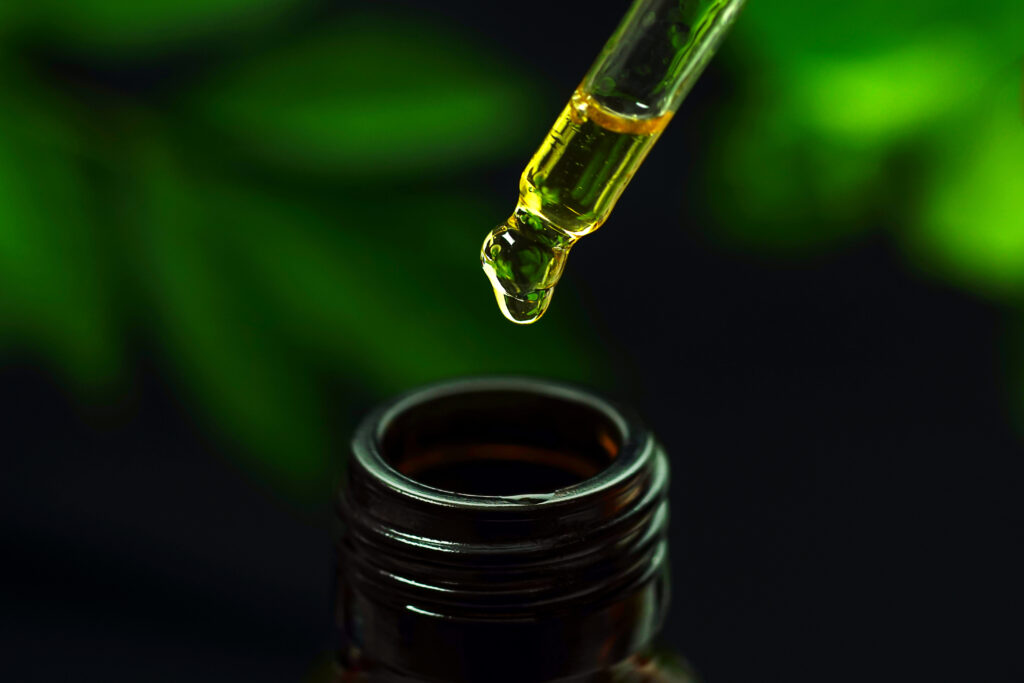
Alongside artificial dyes, processed seed oils have become a lightning rod in the Make America Healthy Again movement. Oils such as soybean, canola, and corn oil are widely used in school food preparation because they are inexpensive and stable at high temperatures.
Critics of seed oils argue that heavy consumption of ultra processed foods made with refined vegetable oils contributes to inflammation, obesity, and metabolic disorders. Supporters of seed oils counter that decades of nutritional research show they are safe and that claims of harm are exaggerated or misleading.
This debate spilled into policy earlier this year when an initial White House report named seed oils as a potential contributor to America’s health crisis. Agricultural and food industry groups reacted swiftly, warning that such claims could distort consumer behavior and undermine established dietary guidance.
Following intense lobbying, references to seed oils were removed from later versions of the report. However, the school lunch policy keeps the issue alive by encouraging alternatives such as butter, animal fats, and minimally processed oils in institutional settings.
Make America Healthy Again as a Political Platform
The food policy changes cannot be separated from the broader political project behind them. The Make America Healthy Again platform, championed by Health and Human Services Secretary Robert F. Kennedy Jr. and backed by President Donald Trump, frames chronic disease as a failure of regulatory capture.
According to this view, federal health agencies became too aligned with pharmaceutical companies and large food manufacturers, prioritizing profit and convenience over prevention. The solution, proponents argue, is to return to what they describe as gold standard science and common sense nutrition.
This framing resonates with a wide coalition that includes parents, wellness advocates, and voters skeptical of corporate influence. It also aligns with populist messaging that positions the federal government as reclaiming authority from entrenched interests.
At the same time, critics argue that the platform selectively emphasizes certain risks while downplaying others. They warn that sweeping rhetoric about toxic food can erode trust in public health institutions if policies move faster than consensus science.
How School Lunches Became Ground Zero
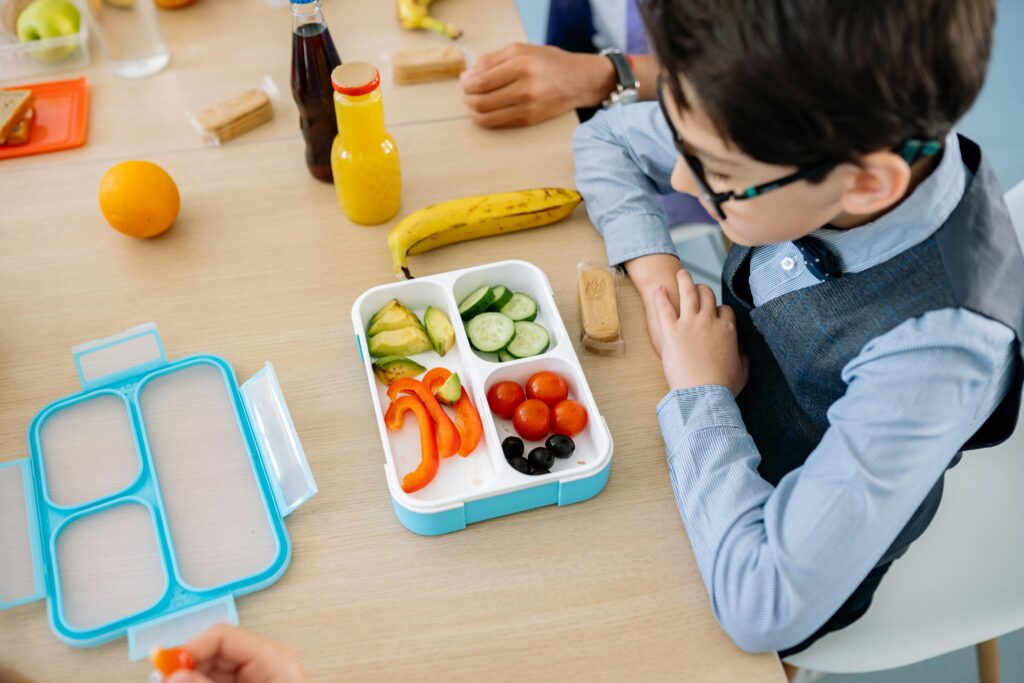
School lunch programs serve more than 30 million children each day. For many low income families, these meals provide a significant share of daily nutrition. That scale makes school cafeterias both a powerful lever for public health and a sensitive political arena.
By tying food standards to federal funding, the government has historically influenced everything from sodium levels to whole grain requirements. The current policy builds on that precedent but goes further by targeting specific ingredients rather than nutrient profiles.
Supporters argue that children should not be exposed to additives that other countries have already restricted or replaced. They point to Europe and Canada, where many of the same products are sold using natural colors instead of synthetic dyes.
Opponents raise practical concerns. Reformulating recipes, retraining staff, and sourcing alternative ingredients all carry costs. School districts already operating under tight budgets worry about whether federal assurances will translate into real support.
Industry Pushback and Quiet Compliance
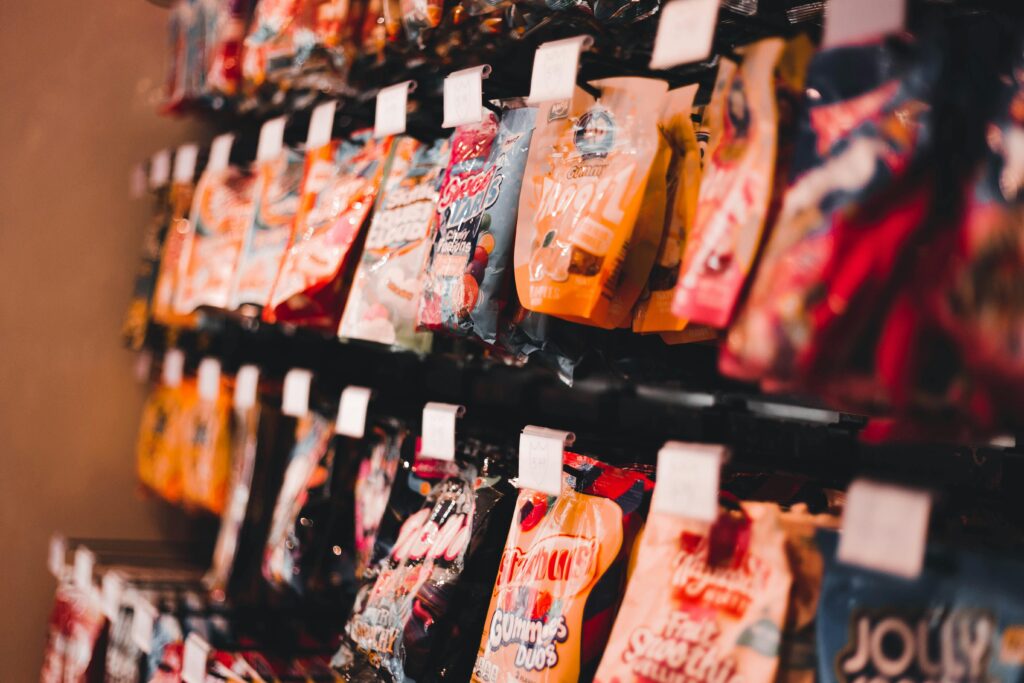
Publicly, major food manufacturers have urged caution, emphasizing the need for evidence based policy. Privately, many are already adapting.
Several major companies have pledged to remove artificial dyes from products served in schools. Ice cream producers representing the majority of the U.S. market committed to eliminating certified artificial colors. Snack and cereal manufacturers announced timelines to reformulate products or limit where artificially colored foods are sold.
These moves reflect a calculation that resisting federal pressure may be more costly than adapting. They also acknowledge shifting consumer expectations, particularly among parents.
Still, industry representatives argue that voluntary reformulation should not be confused with an admission of harm. They warn that politicizing ingredients could set a precedent that undermines confidence in the food supply.
The Science Gap and Ongoing Research

One of the most contentious aspects of the debate is the gap between regulatory standards and evolving science. Artificial dyes were approved decades ago under frameworks that emphasized acute toxicity rather than subtle developmental effects.
To address this, the FDA announced a partnership with the National Institutes of Health to conduct comprehensive research on how food additives affect children’s health and development. This includes behavioral outcomes, metabolic markers, and long term exposure.
Supporters see this as overdue. Critics question whether policy should move ahead of definitive findings.
Makary acknowledged this tension, emphasizing that removing dyes is not a cure all but a precautionary step. In his view, the absence of nutritional benefit makes the risk tolerance for synthetic additives effectively zero.
Political Risks and Electoral Implications

Food policy rarely dominates national politics, but this moment may be different. Parents across ideological lines express concern about childhood obesity, diabetes, and behavioral disorders. Framing food reform as child protection carries emotional weight.
For President Trump, the initiative reinforces a promise to confront what his administration calls the chronic health crisis. For Kennedy, it aligns with decades of advocacy centered on environmental and public health skepticism of corporate power.
However, there are risks. If food prices rise, even modestly, opponents will blame the policy. If scientific consensus does not clearly validate the changes, critics will accuse the administration of fear based governance.
The seed oil controversy, in particular, exposes fault lines between public perception and established dietary guidance. Navigating those tensions will shape how durable the reforms prove to be.
What This Means for Families and Schools
In the short term, families may notice changes in color, taste, and appearance of school meals. Bright reds and yellows may give way to more muted tones derived from beet juice, carrot extract, and other natural sources.
Schools will face logistical challenges. Supply chains must adapt, menus may change, and staff training will be required. Federal officials insist costs will not increase, pointing to international examples. District administrators remain cautious.
For parents, the changes may spark broader conversations about what children eat outside of school. If cafeteria standards rise, pressure may grow on food companies to align retail products with institutional norms.

A Broader Cultural Reckoning With Food
Beyond policy details, the announcement reflects a cultural shift. For much of the twentieth century, technological progress in food was celebrated. Shelf life, convenience, and uniformity were seen as triumphs.
Today, those same qualities are increasingly viewed with suspicion. Natural, minimally processed, and transparent ingredients carry moral weight. Food is no longer just fuel. It is identity, politics, and values.
The White House decision taps into that shift. Whether it leads to measurable health improvements remains to be seen. What is certain is that it reopens fundamental questions about how America feeds its children.
The Beginning of a Long Experiment
The removal of Red Dye 40 and processed seed oils from school lunches is not the end of fake food, nor is it a silver bullet for America’s health crisis. It is, however, a clear statement of priorities.
The federal government is asserting that when it comes to children, visual appeal and industrial efficiency no longer justify unnecessary additives. Supporters see courage. Critics see overreach. Both agree the move is consequential.
As schools implement the changes and researchers study the outcomes, the policy will serve as a real world experiment in precautionary public health. Its success or failure will shape not only school cafeterias, but the future of food regulation in the United States.
In that sense, the lunch tray has become a mirror. What Americans see there will reflect not just nutritional choices, but the values guiding the nation itself.