
Your cart is currently empty!
Dr Pimple Popper Sandra Lee Reveals Stroke Warning Signs She Ignored
It began as a feeling many people know all too well. A long day at work, exhaustion settling in, and the quiet assumption that rest would fix everything by morning. For Sandra Lee, the world-renowned dermatologist better known as Dr. Pimple Popper, those familiar sensations masked something far more serious.
Contents
show
What followed was not just a medical emergency but a deeply personal reckoning. Her experience has since sparked conversations across the world about how easily warning signs can be ignored, even by someone trained to recognize them.
Today, her story stands as both a caution and a reflection on how we understand health, stress, and the limits of our own awareness.
When Normal Fatigue Hides Something More Serious
Sandra Lee was filming her reality series when the first signs appeared. It was a demanding day, filled with patient consultations and the pressures that come with being both a doctor and a television personality.
She noticed she felt unusually off. There was a sudden wave of heat, something she initially brushed off as a hot flash. Alongside that came irritability and fatigue, both of which felt explainable after a long shoot.
As the evening progressed, more subtle symptoms emerged.
She struggled to swallow her food. Her body felt restless. There was a lingering sense that something was not quite right, yet nothing seemed alarming enough to justify panic.
Like many people would, she chose to rest.
That decision reflects a common human instinct. When life is busy, discomfort is often minimized. We convince ourselves that sleep, hydration, or a quieter day will resolve the issue.
In Lee’s case, that instinct delayed critical action.
The Night Her Body Tried to Warn Her
Later that night, the situation escalated.
Lee described feeling restless and unable to sleep. She experienced shooting nerve pain down her legs and an unusual sense of imbalance when she tried to move around. At one point, she got up to use the bathroom and realized she was unsteady on her feet.
Even then, the seriousness of the situation was not fully clear.
She tried to go back to sleep, reminding herself that she had work the next day. This moment highlights a powerful and often dangerous mindset. Responsibilities can override intuition. The pressure to keep going can silence the body’s warning signals.
But her symptoms did not fade.
Instead, they grew more noticeable by the morning.
The Simple Test That Changed Everything

As a trained physician, Lee remembered a basic neurological test. She held both arms out in front of her to check for weakness.
One arm remained steady.
The other began to slowly drop.
It was not dramatic. It was not sudden collapse. But it was enough to signal that something was seriously wrong.
She also noticed changes in her speech. Words were harder to articulate. There was a slight slurring that she could not ignore.
At first, she wondered if it could be a panic attack.
This moment is particularly striking because it shows how even medical professionals can second guess their own symptoms. The mind searches for less severe explanations. Stress, anxiety, fatigue. All of these feel safer than confronting a medical emergency.
But Lee made a crucial decision. She reached out to her parents, both of whom are doctors.
Their response was immediate.
Go to the emergency room.
The Race Against Time
When Lee arrived at the hospital and described her symptoms, medical staff acted quickly.
She was taken in under stroke protocol, a system designed to respond rapidly to signs of a stroke. Time is critical in these situations because brain cells begin to die within minutes when deprived of oxygen.
An MRI confirmed what she had begun to suspect.
She had suffered an ischemic stroke.
This type of stroke occurs when a blood clot blocks the flow of blood to the brain. Without oxygen and nutrients, brain tissue is damaged or destroyed.
Lee later described the reality in stark terms.
A part of her brain had died.
The diagnosis was both shocking and surreal. As a physician, she understood exactly what it meant. As a patient, she was forced to confront a vulnerability she had rarely considered.
Understanding Stroke and Why It Happens

A stroke is often associated with older individuals, but Lee’s experience challenges that assumption.
Medical experts note that stroke rates among people aged 45 to 64 have been rising. Several factors can contribute to this trend.
Some of the most common risk factors include:
- High blood pressure
- High cholesterol
- Chronic stress
- Family history of stroke
- Sedentary lifestyle
In Lee’s case, she later acknowledged that her blood pressure and cholesterol were not fully under control. She also lived with significant stress due to her demanding career.
These factors combined to create a situation where a stroke became possible, even if it seemed unlikely.
The Warning Signs Many People Miss
One of the most important aspects of Lee’s story is how subtle her early symptoms were.
Stroke awareness campaigns often use the BEFAST acronym to help people recognize warning signs:
- Balance issues or sudden dizziness
- Vision problems
- Facial drooping
- Arm weakness
- Speech difficulty
- Time to call emergency services immediately
Lee experienced several of these symptoms, including balance problems, arm weakness, and speech changes.
Yet she still hesitated.
This hesitation is not unusual. Many people dismiss symptoms because they do not match their expectations of what a medical emergency should look like.
Her story highlights the need to take even mild or unusual symptoms seriously.
The Emotional Shock of Diagnosis
Being told you have had a stroke is a life altering moment.
For Lee, the experience was deeply unsettling. She described feeling shocked, confused, and frightened. Despite her medical background, there was a sense of disbelief.
How could this happen now?
How could this happen to her?
These questions reflect a broader human tendency to see serious illness as something distant. We often believe it will happen to someone else, at some other time.
Lee later admitted that part of her delay in seeking care came from this mindset. She thought she was too young. She thought it was stress.
That assumption nearly cost her the opportunity for faster treatment.
The Long Road to Recovery
After her diagnosis, Lee immediately paused filming her show and shifted her focus entirely to recovery.
The process was not quick or easy.
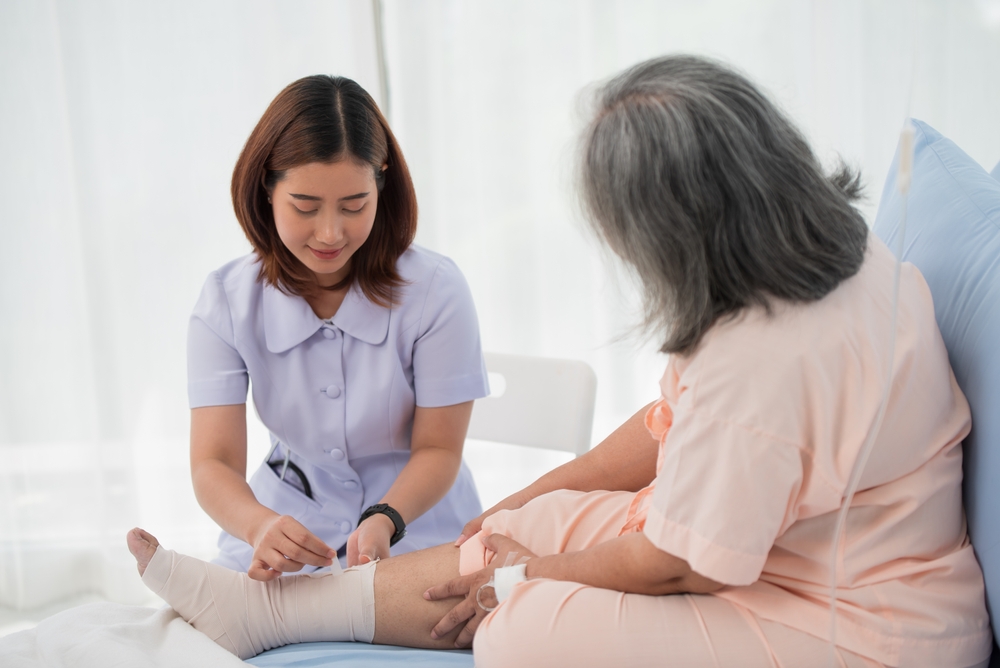
She underwent physical therapy and occupational therapy to regain strength, balance, and coordination. These therapies are designed to help the brain form new pathways and relearn functions that may have been affected by the stroke.
For someone whose career depends heavily on precision and control, the challenges were particularly difficult.
She noticed weakness in her left hand. Her grip was not as strong as before. There were moments when her speech felt slightly off, especially when she was tired or stressed.
These changes, while subtle to others, were deeply significant to her.
They affected not just her work, but her sense of identity.
The Psychological Impact Few People Talk About
Beyond the physical symptoms, Lee also experienced emotional challenges.
She described feeling self conscious about her speech. Even minor changes made her hesitant to speak at times. There was a fear of not appearing as capable as she once was.
She also spoke about the lingering stress associated with the experience. Having the stroke occur while filming added another layer of difficulty, creating a connection between her work environment and a traumatic event.
This kind of psychological impact is common among stroke survivors but is often overlooked.
Recovery is not only about regaining physical function. It also involves rebuilding confidence and adapting to a new sense of normal.
A Shift in Perspective on Life and Health
Perhaps one of the most profound outcomes of Lee’s experience has been a shift in how she views her life.
She began to think more deeply about her future, her family, and the time she has ahead of her.
As a mother, she reflected on her desire to be present for important milestones, including the possibility of seeing her grandchildren one day.
This perspective brought a new awareness of how important it is to take care of one’s health.
She described the stroke as a kind of wake up call. While it was a frightening experience, it also served as a reminder to prioritize well being.
This includes managing stress, monitoring health conditions, and not ignoring warning signs.
Breaking the Silence Around Health Stigma

Another important aspect of Lee’s story is her willingness to speak openly about what happened.
In some communities, there is a stigma around discussing health issues, particularly those that suggest vulnerability or weakness.
Lee acknowledged that this stigma can prevent people from seeking help or sharing their experiences.
By telling her story, she hopes to encourage others to be more open about their health and to seek medical attention when something feels wrong.
This openness can play a crucial role in early detection and treatment.
What Her Story Teaches Us

There are several key lessons that emerge from Sandra Lee’s experience.
First, symptoms should never be dismissed simply because they seem minor. The body often signals problems in subtle ways before they become severe.
Second, time matters. In the case of an ischemic stroke, treatment within a few hours can significantly reduce long term damage.
Third, risk factors should be taken seriously. Conditions like high blood pressure and high cholesterol may not cause immediate discomfort, but they can have serious consequences over time.
Finally, it is important to listen to your instincts. If something feels wrong, it is better to seek medical advice than to wait and hope it will pass.
Listening Before It Is Too Late
At its core, this story is about awareness, timing, and the importance of paying attention to our bodies.
Sandra Lee’s stroke was a frightening and life altering event, but it also became an opportunity to reflect and to share a message that could help others.
Her experience serves as a reminder that health is not something to take for granted. It requires attention, care, and sometimes the courage to act even when we are unsure.
For readers, the takeaway is simple but powerful.
If something feels off, do not ignore it.
That small decision could make all the difference.